Top Pet-Friendly RV Parks and Essential Off-Grid Gear in the US (2026 Edition)
- What Are the Common Rules at Pet-Friendly RV Parks in the United States?
- 2026 Top Pet-Friendly RV Parks in the United States
- Why Power Matters More When Traveling with Pets
- What Gear Do You Need for Off-Grid RV Camping with Pets?
- Practical Tips for Off-Grid Camping with Pets
- How Can You Find Pet-Friendly RV Parks Near You?
- Conclusion
- FAQ
Traveling across the US by RV in 2026 feels easier than ever, especially if you’re bringing your dog or cat along. More parks are pet-friendly, more campgrounds are upgrading their facilities, and overall, it’s just more doable than it used to be. But at the same time, a few things have become harder. Heat is a big one. Managing your setup when you’re off-grid is another. Whether you’re heading out for a quick weekend or planning to boondock with your dog for weeks, keeping pets safe inside an RV, especially in hot conditions, is something you can’t ignore.
This guide walks through what actually matters. The rules you’ll run into at pet-friendly RV parks, some of the best places to stay across the US, and the kind of gear that helps you keep your pet cool and comfortable, even when you’re parked miles away from the nearest hookup.
What Are the Common Rules at Pet-Friendly RV Parks in the United States?
Before you pull into a campsite, there’s one thing to keep in mind, “pet friendly” doesn’t mean anything goes. Most parks are welcoming, but there are still rules, and in 2026, a lot of them are a bit stricter than before. It’s not about limiting you. It’s more about keeping things comfortable for everyone, your pet, your neighbors, and the campground itself.
Pet Type and Number Restrictions at RV Parks
Most campgrounds are set up with dogs and cats in mind. Anything outside of that can get tricky. A small fish? No one’s going to care. But exotic pets, reptiles, birds, things like that can raise questions depending on the park. You’ll also notice limits on how many pets you can bring. Two per site is pretty standard. Some higher-end resorts allow more, but usually with an extra fee.
Pet Weight Limits and Breed Restrictions
This one catches people off guard sometimes. Certain private parks set weight limits, often around 50 lbs or restrict specific breeds. Public lands like National Forests tend to be more relaxed, but private RV resorts follow insurance policies, so their rules can be tighter. If you’re traveling with a larger dog, it’s always worth calling ahead. Saves you from an awkward check-in situation.
Pet Fees, Deposits, and Vaccination Requirements
Fees vary quite a bit. State parks usually include pets in the base rate, while private campgrounds or KOAs might charge anywhere from $5 to $20 per night. Vaccination records are another thing to be ready for. Many parks now ask for proof at check-in, so having a digital copy on your phone makes life easier. Having a portable power station on hand can also make off-grid setups a lot easier. It’s one of those small details that can slow you down if you’re not prepared.
Leash Rules and Pet Behavior Guidelines in Campgrounds
The “6-foot leash rule” is pretty much standard across the US. Even well-trained dogs are expected to stay leashed outside your RV. Behavior matters too. Constant barking or leaving pets unattended outside doesn’t go over well, and in some parks, it can get you asked to leave early. Most of it comes down to common sense, but it’s good to know the expectations upfront.
2026 Top Pet-Friendly RV Parks in the United States
The US has no shortage of great RV spots, but what’s changed recently is how many parks are actually built with pets in mind. It’s not just a patch of grass anymore. You’ll find dog wash stations, fenced “Bark Parks,” and in some places, even pet-sitting services. It makes a difference, especially if you’re traveling long term.
1. Western Region (California, Colorado): Best for Nature Adventures
Out West, it’s all about space and scenery. Flying Flags RV Resort & Campground in California is a standout, with dedicated dog areas and easy access to nearby wineries that welcome pets. If you’re heading into the Rockies, Tiger Run Resort in Breckenridge offers a completely different vibe, cooler air, mountain views, and miles of trails where your dog can actually burn off energy instead of just pacing around the campsite.
2. Southern Region (Florida, Texas): Best for Year-Round RV Living
If you prefer warmer weather, the South is hard to beat. Disney’s Fort Wilderness Resort in Florida sets the bar pretty high, especially with its “Best Friends Pet Hotel” when you want a break or plan to spend the day inside the parks. Over in Texas, Stella Mare RV Resort in Galveston gives you beach access, which is a big win for dogs that love water. And since the weather stays relatively mild, it works well year round.
3. Central Region (Tennessee, Minnesota): Best for Family and Pet Travel
The central US tends to be more relaxed, a bit less crowded, and great for longer stays. Camp Margaritaville in Pigeon Forge is a good example, large dog parks, plenty of space, and easy access to the Smoky Mountains. Further north, Grand Superior Lodge in Minnesota offers something different. Right on Lake Superior, quieter surroundings, and perfect if your dog enjoys water and open space more than busy campgrounds.
4. Eastern Region (Massachusetts, North Carolina): Best for Culture and Nature Combined
The East Coast mixes comfort with character. Normandy Farms in Massachusetts is one of those places people keep coming back to, well-maintained, a large dog park, and even a “day kennel” if you need it. These resorts feature spacious common areas—large enough to host a pet birthday party if your trip coincides with their birthday. Then there’s Four Paws Kingdom in North Carolina, which is basically built for dogs. It’s not just pet friendly, it’s designed around them. And if you’re nearby, Acadia National Park is worth the stop. It’s one of the few national parks where pets can be part of the experience, especially through the B.A.R.K. Ranger program. Simple idea, but fun, and you end up exploring more than you planned.
Why Power Matters More When Traveling with Pets
Here’s where things get serious. Pets don’t handle heat the way we do. Inside an RV, temperatures can climb fast on a 90℉ day, it can push past 110℉ in minutes. Cracking a window doesn’t really help. And it doesn’t take long before that heat becomes dangerous. Even stepping away for a quick errand can turn into a risk if something unexpected happens, like losing shore power or your system shutting off. That’s usually not something people think about, until they’ve experienced it once.That’s why reliable off grid power isn’t just about convenience anymore. It’s part of keeping your pet safe. Without it, even a short stop can become a problem you didn’t plan for.
What Gear Do You Need for Off-Grid RV Camping with Pets?
Going off grid, boondocking, no hookups, just you and the open space, sounds simple. And it is, until you start thinking about your pet. Because once the temperature shifts, or the sun drops, or something unexpected happens, your setup matters a lot more than you thought. Having the right gear isn’t about convenience at that point, it’s about control.
Essential RV and Off-Grid Camping Equipment
The basics are easy, collapsible bowls, tie outs, maybe a travel crate. But those don’t solve the bigger issue, which is managing the environment inside your RV. Temperature monitors help, especially the ones that sync to your phone. Pairing these sensors with a reliable solar battery ensures your monitoring system remains active even when the primary engine is off. But they’re only as useful as the power behind them. If your system goes down, alerts don’t really help.
Portable Power, Solar Panels, and Energy Storage
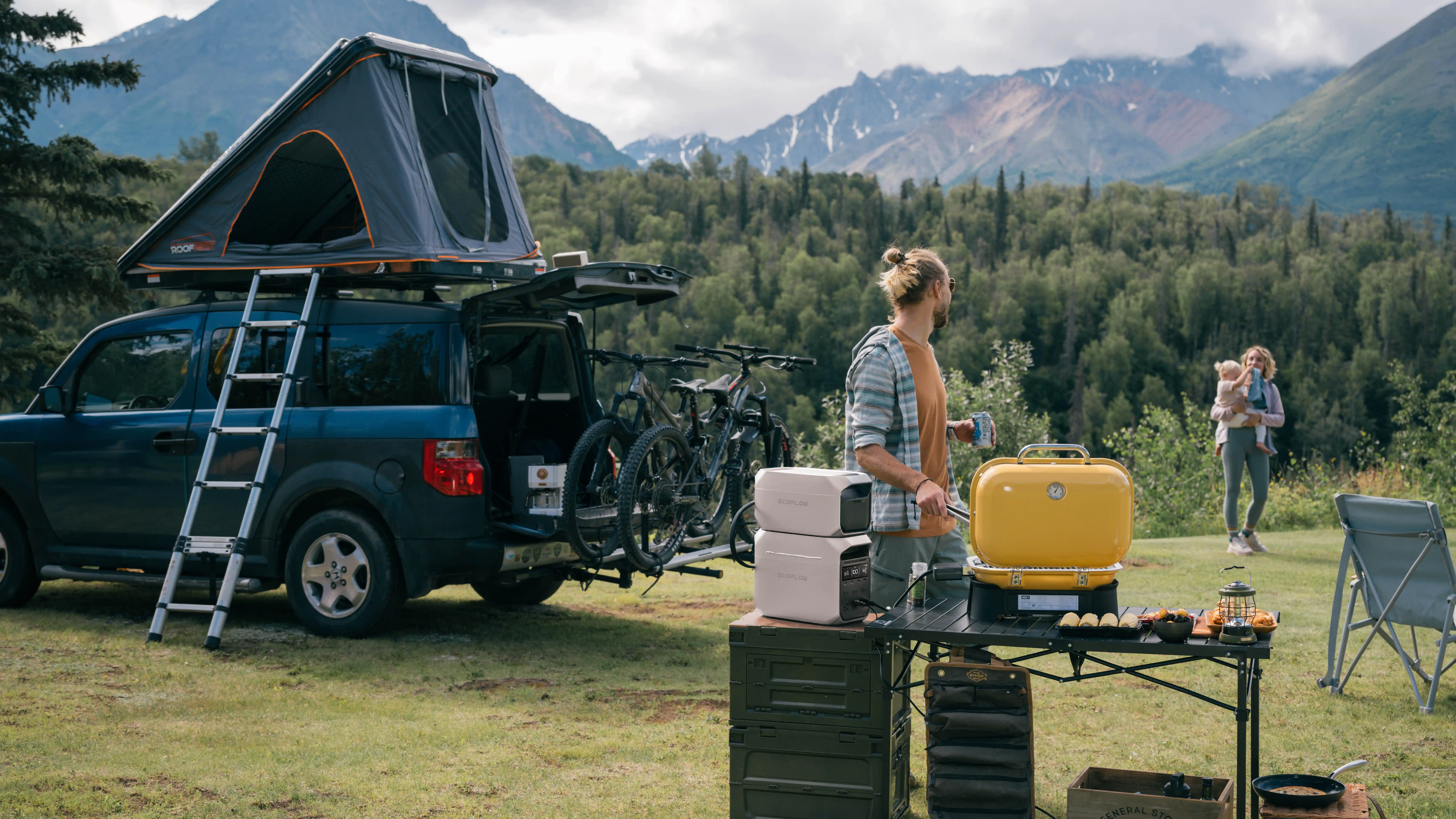
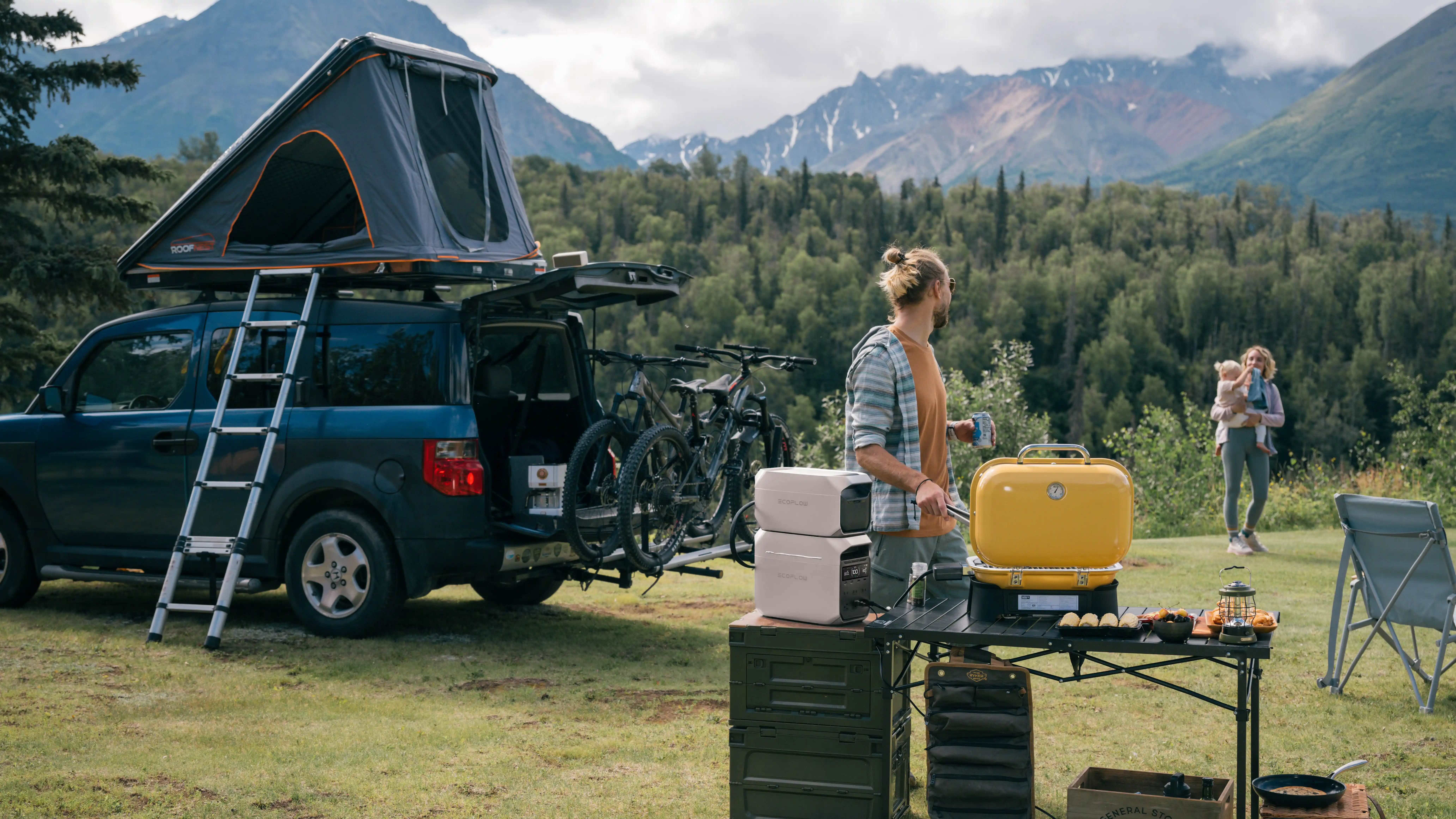
This is where things start to come together. Reliable power isn’t optional when you’re traveling with pets, it’s part of keeping them safe. A system like the EcoFlow DELTA 3 Plus Portable Power Station fits naturally into an off grid setup. With 1024Wh capacity and up to 1800W output, it can handle things like portable AC units or high-powered fans without you having to constantly think about limits. That’s the difference. Instead of managing every device, you just run what you need. Your RV stays cool, your pet stays comfortable, and you’re not checking your battery every 20 minutes. Charging is quick too. You can top it off during a short stop, grab lunch, come back, and you’re ready to go again. Add solar, and you’ve got a steady way to recover power throughout the day without relying on hookups.
Example: Keeping Your Pet Cool Off-Grid
Let’s keep it simple. If your portable AC draws around 500W, a setup like the DELTA 3 Plus (1024Wh) gives you roughly 2 hours of continuous cooling. That window is often enough to:
Cool down the RV during peak heat
Bridge the gap while solar panels recharge your system
Handle short stops without stressing about temperature spikes
It’s not about running everything all day, it’s about covering the moments that matter most.
Quick Comparison: Choosing the Right Power for Your Pet’s Needs
To help you choose the right setup, here’s a simple breakdown based on how you actually use your gear on the road:
| Model | Key Spec | Best For | Pet Benefit |
|---|---|---|---|
| EcoFlow DELTA 3 Plus | 1024Wh High Capacity | Running portable AC units, high-powered fans, and 12V fridges. | Life Safety: Prevents heatstroke by maintaining a cool climate during peak heat. |
| EcoFlow RIVER 3 Plus | Ultra-Portable & Lightweight | Powering automatic feeders, heated pet mats, and water fountains. | Quality of Life: Ensures consistent feeding and comfort even when lounging outdoors. |
Water Storage and Filtration Systems for Remote Camping
Water quality is one of those things people overlook at first. Not just how much you have, but what’s actually in it. Backcountry water can carry minerals or sulfur that some pets don’t handle well. It’s safer to keep a few gallons of clean, separate “pet-only” water in dedicated jugs. If you’re pulling from natural sources, a portable filter is worth having. Simple setup, but it avoids a lot of problems later.
Cooking, Shelter, and Comfort Camping Gear
Comfort doesn’t take much, but it shows up quickly when you skip it. A raised pet bed keeps your dog off cold ground at night and away from hot surfaces during the day. Small detail, big difference. For evenings, a propane fire pit is a safer option than a traditional campfire. You still get the warmth, just without sparks flying around, which helps if your pet gets nervous easily.
Pet-Specific Gear for Safe and Comfortable Camping
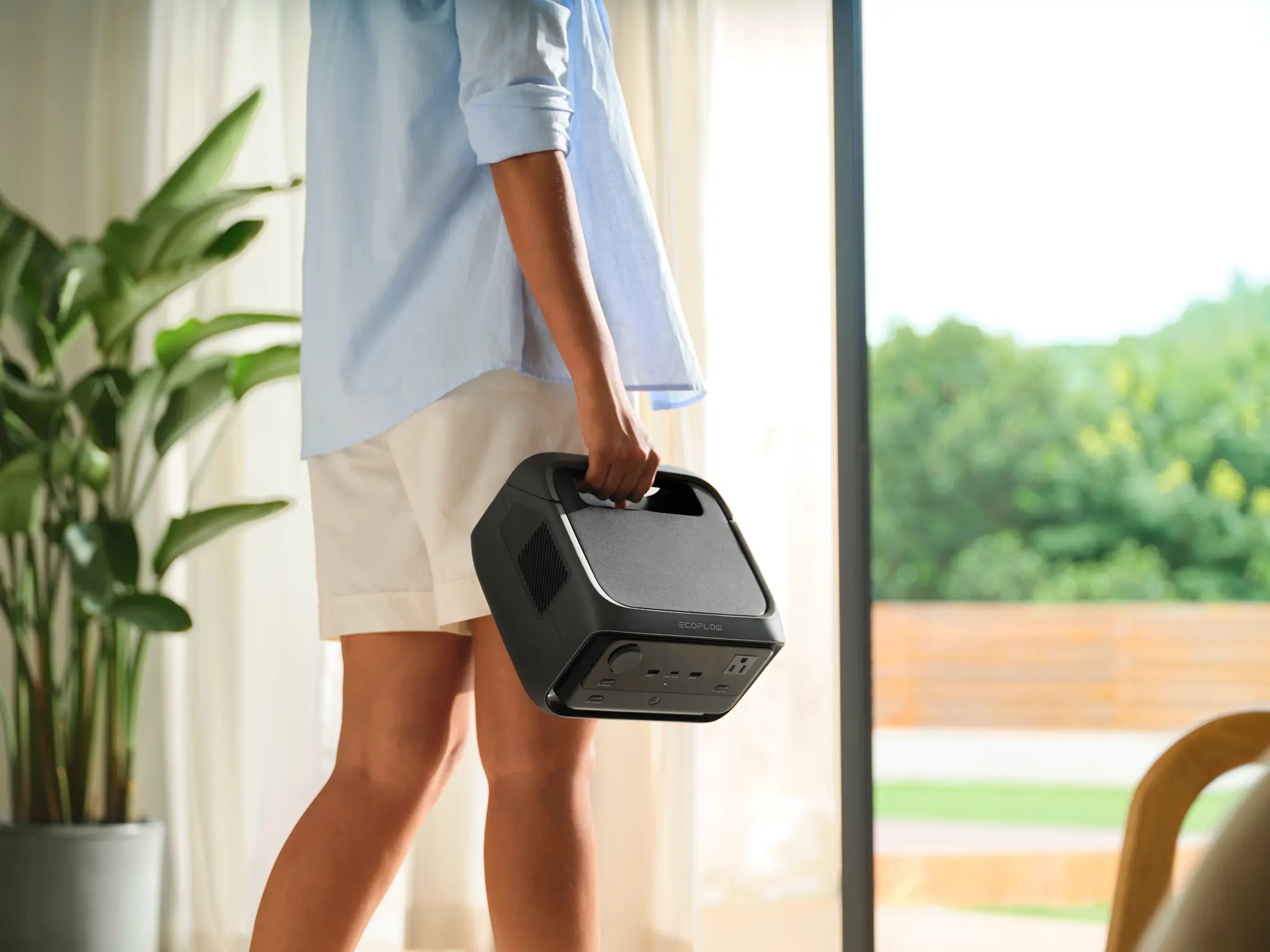
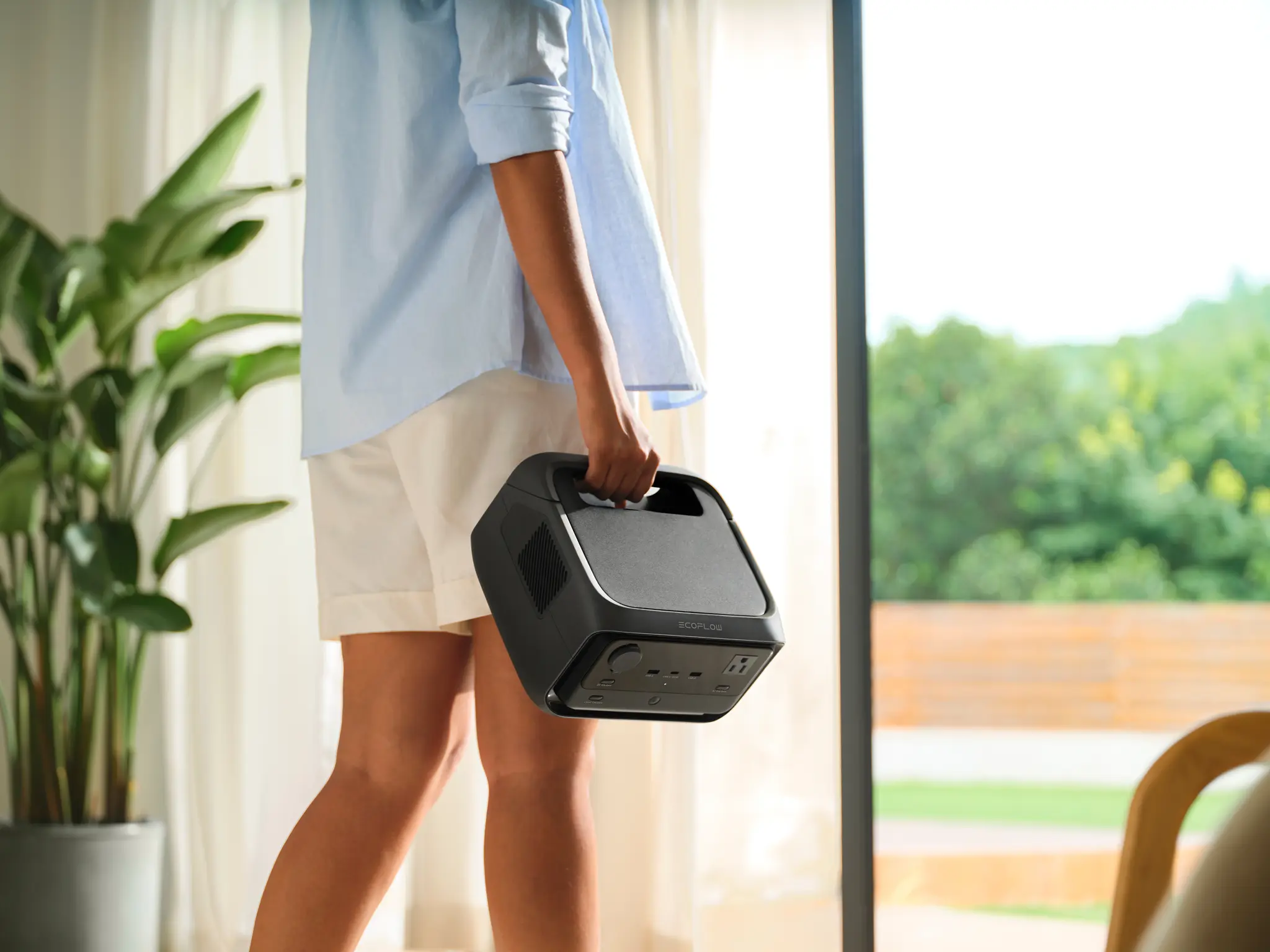
When you’re outside, cooking, relaxing, just spending time around camp, you still want things to run smoothly for your pet. That’s where something portable like the EcoFlow RIVER 3 Plus Portable Power Station fits in naturally. It’s light enough to carry with one hand and easy to set on a table, so you can power small essentials like feeders, heated mats, or water fountains without dragging your whole setup outside. And if the night goes a bit longer than planned, adding an extra battery keeps everything running without interruption. It’s a simple setup, but it makes outdoor time a lot easier.
Practical Tips for Off-Grid Camping with Pets
Preparation makes a bigger difference than people expect. A few small things can turn a stressful trip into a smooth one:
Confirm pet policies before your trip: Rules change often. Check the official website or call ahead so you’re not dealing with surprises at check-in.
Keep your pet’s health records ready: A simple folder with vaccination records and a recent photo is enough. You may not need it, but if something happens, it saves time.
Help your pet adjust: Bring their usual bed or favorite toys. Familiar items make the RV feel more like a “den” and help them settle faster.
Stay aware of safety and wildlife: Watch for things like coyotes, ticks, or uneven terrain. Keeping your pet close, and using a lighted collar at night makes a big difference.
Follow Leave No Trace principles: Always clean up after your pet and respect the environment. It keeps these places open and enjoyable for everyone.
How Can You Find Pet-Friendly RV Parks Near You?
Finding a pet friendly RV park is a lot easier now than it used to be. The tools are better, and honestly, most platforms are built with pet owners in mind at this point. Still, not all “pet friendly” spots are the same, so it’s worth knowing where to look.
Searching Official National and State Park Websites
A good starting point is official sites like Recreation.gov. You can filter for pet-friendly campgrounds and get accurate, up-to-date info. Just keep in mind, National Parks usually allow pets in campgrounds, but trail access is often limited. So even if your RV spot is pet-friendly, your hiking options might not be.
Using Online Booking Platforms and Campground Apps
Apps like The Dyrt, Campendium, and BringFido make things much easier. The biggest advantage? Real reviews from other pet owners. You’ll quickly find out if a “dog park” is actually well maintained, or just a small patch of dirt. That kind of detail doesn’t show up on official listings.
Getting Local Recommendations from RV and Pet Communities
Sometimes the best advice doesn’t come from apps at all. Facebook groups like “RVing with Dogs” or “The Solo Female RVers” are full of people sharing real experiences, what worked, what didn’t, and which places are actually worth it. It’s more practical than anything you’ll read on a brochure.
Pro Tip for 2026: As more campgrounds upgrade their systems, filters matter more than ever. Always toggle the “pet friendly” option when searching, it sounds obvious, but it’s easy to miss. Some parks now manage pet-designated areas more carefully to avoid overcrowding, which usually means a quieter, more relaxed stay for you and your pet.
Conclusion
Traveling across the US in an RV with your pet just feels different. You’re not just moving from place to place, you’re sharing the whole experience with them. It does take a bit more planning. Choosing the right parks, staying aware of the environment, and making sure your setup can handle things when conditions change. But once that’s in place, everything gets easier. Having a reliable power setup like the EcoFlow DELTA or RIVER series, takes a lot of the stress out of it. You’re not worrying about heat, power drops, or whether things will keep running while you step away for a bit. After that, it’s simple. You focus on the trip, the views, and the moments that actually matter, with your pet right there beside you.
FAQ
1. What is the best RV for dogs?
Class A and Class C motorhomes are usually the best choice, mainly because they offer more floor space and better built-in climate control. Larger dogs, especially, benefit from having room to move around. That said, a lot of full time travelers prefer Class B vans for their flexibility and easier driving. It works well as long as you have a solid setup for airflow and power to keep the space comfortable.
2. Can you keep pets in an RV?
Yes, but it comes down to how well you manage the environment. Temperature control and monitoring are key. Most RV owners now rely on portable power stations to keep fans or AC running, along with app-based temperature sensors so they can check conditions remotely, especially during short stops like grocery runs.
3. Where do dogs sleep in a campervan?
Planning how to road trip with your dog involves finding the best setup to ensure they feel safe and secure at night. Most dogs settle in wherever they feel comfortable and familiar. Common spots include a dedicated pet bed on the floor, under the table, or even the front seats turned into a cozy sleeping area. Some van setups also include a small “dog nook” under the main bed, which works well for pets that like enclosed spaces.
4. Do any US national parks allow dogs?
Yes, most US National Parks allow dogs, but usually only in developed areas like campgrounds, parking areas, and paved roads. Trail access is often restricted to protect wildlife and avoid risky encounters. If hiking with your dog is a priority, National Forests and BLM lands are usually much more flexible.
For press requests or interview opportunities, reach out to our media team
media.na@ecoflow.com