What Are Peak Electricity Hours in 2026? A State-by-State Guide to Time-of-Use (TOU) Rates in the U.S.
- What Are Peak Electricity Hours and How Electricity Pricing Actually Works
- Why Electricity Prices Are Higher During Peak Demand
- Typical Peak Electricity Hours in the United States (2026 Overview)
- State-by-State Peak Electricity Hours in 2026
- How to Save Money by Avoiding Peak Electricity Hours
- Conclusion
- FAQ
If you’ve noticed your monthly utility bill creeping up despite your best efforts to turn off the lights, you’re not alone. In 2026, what you pay for electricity is not just about how much you use, but when you use it. This guide breaks down the various rate schedules for peak electricity hours across the U.S. By understanding the complexities of Time-of-Use (TOU) rates, you can learn how to take control of your home’s energy costs.
What Are Peak Electricity Hours and How Electricity Pricing Actually Works
We’ll explain how power companies decide what to charge you. It’s not just a random number, but is based on daily demand for power.
Definition of Peak Electricity Hours
Peak electricity hours are specific windows during the day when the demand for power is at its highest. During these times, utility companies charge a premium for every kilowatt-hour (kWh) you consume because electricity is in the highest demand.
Why Peak Hours Cost More (Grid Demand & Supply Pressure)
Think of it like surge pricing on a ride-share app. When everyone comes home from work and flips on the AC, the dishwasher, and the EV charger at the same time, the utility company has to start up additional power plants to meet demand. These peaking power plants (also known as “peaker plants”) are often more expensive to run. Those costs get passed on directly to you via higher peak use rates.
How Time-of-Use (TOU) Pricing Works
Across much of the U.S., utilities use Time-of-Use (TOU) plans, where electricity rates change based on time of day and grid demand. For example, in California TOU plans, peak hours are typically 4–9 p.m., while off-peak hours occur at other times of day, with lower pricing during periods of lower grid demand.
This structure reflects changes in grid demand throughout the day, especially as solar panels generate the most electricity during midday hours but production declines in the evening, when household demand is higher.
Peak vs. Off-Peak vs. Shoulder Hours Explained
Understanding the terminology will help you manage your bill. Peak hours are understandably the most expensive, which are the late afternoon, evening times. Off-peak hours are the cheapest, and are late night or early morning. Shoulder hours sit right in the middle, offering moderate rates as demand ramps up or winds down.
Why Electricity Prices Are Higher During Peak Demand
There are some very basic economic and technical reasons why those 5 PM hours hit your wallet so hard.
The Grid Demand vs. Capacity Gap
The electrical grid is a “real-time” machine such that electricity is generally consumed the moment it’s generated. When demand nears the grid’s maximum capacity, the risk of brownouts increases. To avoid this, utilities use every available resource, no matter the cost.
The "Duck Curve" & Renewable Volatility
This has become an important impact in 2026. Solar panels produce lots of energy during the day, but that production drops exactly when evening demand spikes. This creates a “duck-shaped” curve on a graph. In this transition period, traditional plants need to ramp up incredibly fast, which is a process that is both difficult and expensive.
Reliance on Expensive Peak Power Plants
To meet demand at peak times, utilities turn on backup natural gas turbines. These plants are designed to start quickly but are significantly less efficient and more costly than the “baseload” plants that run 24/7. This can lead to higher risk and costs for consumers during peak periods, which is why some households consider a whole home generator as backup.
Wholesale Price Fluctuations
The utilities also buy electricity on the wholesale market, and prices they pay can skyrocket during peak times. In some extreme cases, the price per megawatt can jump 10x in a matter of minutes. It’s events like this that eventually get reflected in your tiered billing structure.
Typical Peak Electricity Hours in the United States (2026 Overview)
Every utility and region varies, but most U.S. utilities follow predictable seasonal cycles when it comes to peak times.
Summer Peak Electricity Hours
Summer peak usage times typically go between 2 PM to 9 PM from June through September. This is driven almost entirely by air conditioning needs in the afternoon and early evening.
Winter Peak Electricity Hours
Winter peak usages are a bit different and often feature a “double hump.” There’s typically a spike in the morning (6 AM – 9 AM) as people wake up and heat their homes. Then another in the evening from 5 PM to 9 PM, as they return from work and turn on the heat and cook.
Off-Peak Electricity Hours
For most of the country, the “golden hours” for savings are between 11 PM and 6 AM. This is when the grid sees the lowest demand. It’s absolutely the best time to run your “energy hogs” like the dryer or EV charger.


State-by-State Peak Electricity Hours in 2026
Depending on where you live, the “danger zone” for your electric bill can vary wildly. Let’s look at the hotspots.
West Coast: Solar-Heavy Grid and Evening Peak Pressure
The West Coast is leading the country in using renewable energy. This makes their peak hours very specific to the sun’s schedule.
| State / Region | Peak Hours | Notes | Off-Peak Hours |
|---|---|---|---|
| California | 4 PM – 9 PM | Solar drops + evening demand spike | 11 PM – 6 AM |
| Texas (ERCOT) | 3 PM – 8 PM (varies) | Real-time pricing, highly volatile | 10 PM – 6 AM |
| Washington / Oregon | 6 AM – 9 AM & 5 PM – 9 PM | Winter heating + hydro-based grid | 10 PM – 6 AM |
| Northeast (NY, MA) | 4 PM – 8 PM | Strong winter and summer peaks | 11 PM – 7 AM |
| Arizona / Nevada | 2 PM – 8 PM | Extreme AC-driven summer demand | 10 PM – 6 AM |
California: Managing the 4 PM – 9 PM Window (NEM 3.0 Era)
In California, most utilities such as PG&E and SCE apply peak electricity pricing from 4 PM to 9 PM. Peak rates can reach $0.45–$0.65 per kWh under Time-of-Use plans. This is compared to off-peak rates as low as $0.20–$0.25 per kWh. This sharp difference reflects the impact of the evening “net load ramp” after solar production drops. This is especially visible under California’s evolving NEM 3.0 structure. That’s why California’s evening period is one of the most expensive for peak electricity in the entire United States grid system. Understanding these pricing patterns is essential for managing energy costs, which is why many homeowners turn to detailed guides on SCE TOU plans and electricity costs to pinpoint the exact hours affecting their bills
Washington & Oregon: Hydro-Power and Winter Heating Peaks
In the Pacific Northwest, hydro-power keeps rates a little more stable, but winter heating is the primary concern. Typical morning peak rates will likely be just as high as evening ones during the chilly months.
Texas & The Southwest: The Volatile Market
Texas operates on its own grid (ERCOT). This makes it unique and sometimes a more volatile environment for energy prices.
Texas: Real-Time Pricing and the Impact of Extreme Weather
Texas energy is famous for its “real-time” nature. During a heatwave or a sudden “blue norther” freeze, prices can jump from cents to dollars in an instant. Managing peaks here isn’t just trying to save money, but keeping the grid operating.
How to Save Money by Avoiding Peak Electricity Hours
Across the U.S., especially in states like California, Texas, and throughout the Northeast, families are looking for new strategies to manage usage. To truly lower your energy costs, you need to shift and store your energy.
Energy Storage and Solar Backup Options
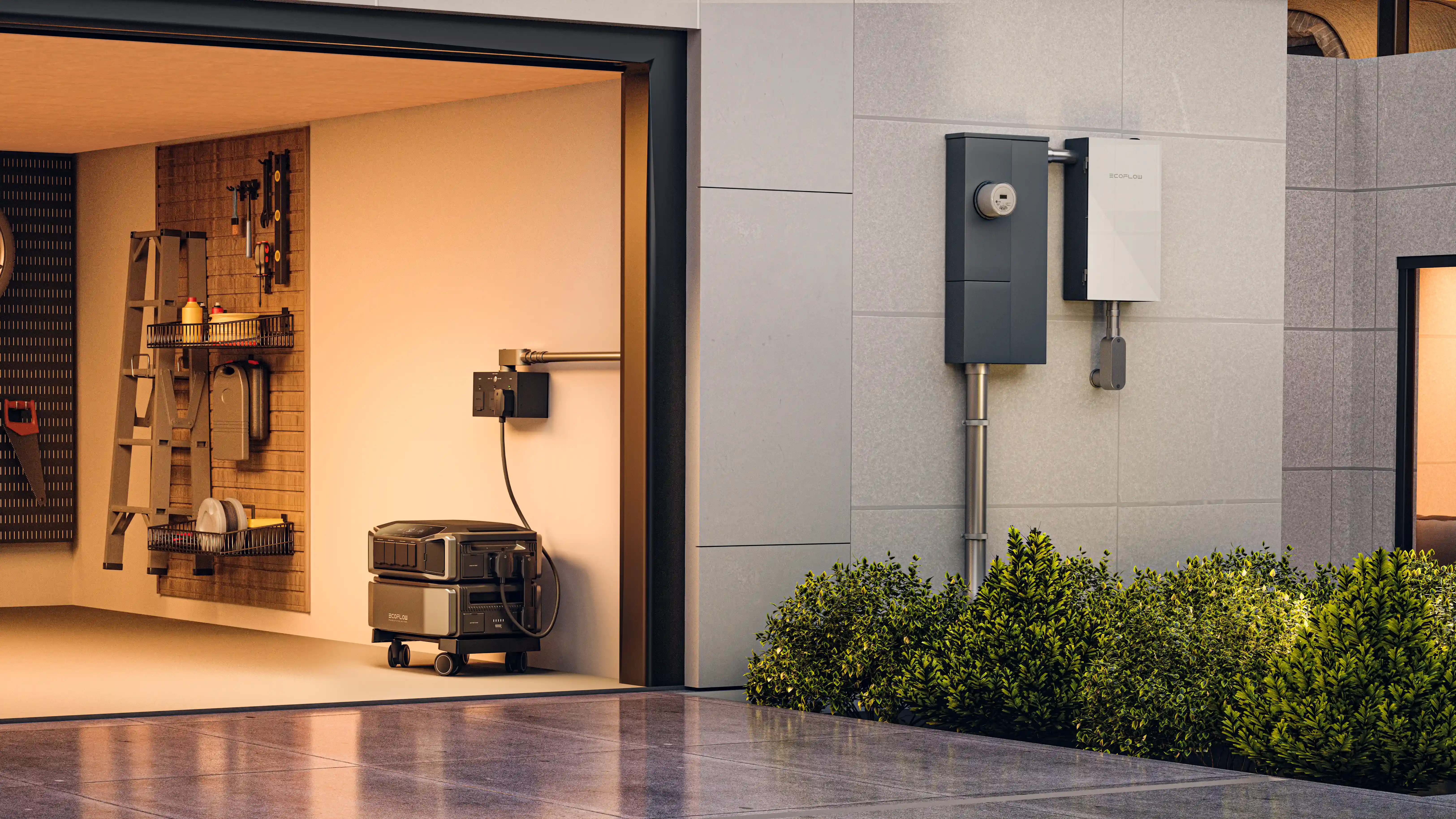
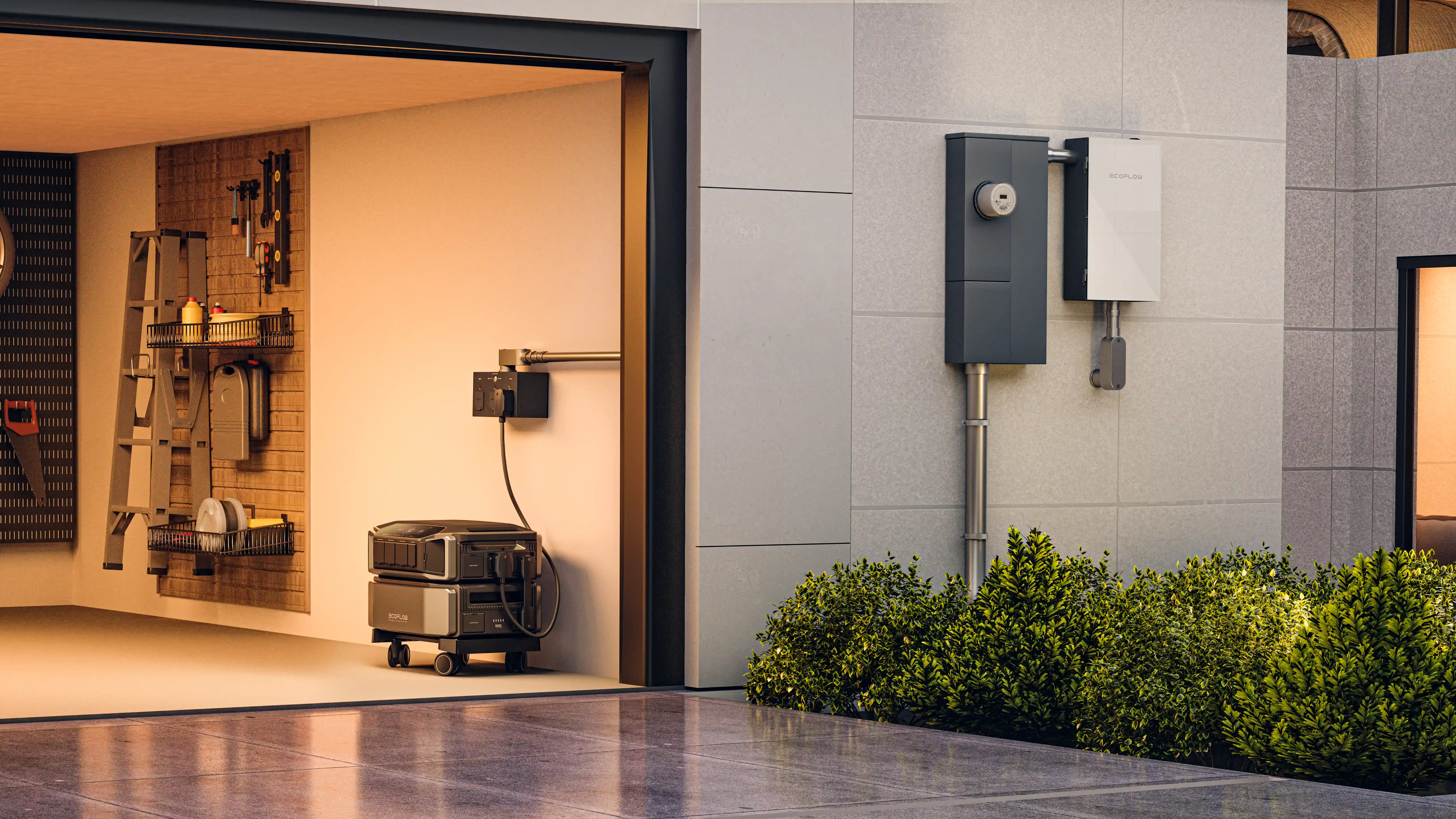
This is where high-capacity solutions like the EcoFlow DELTA Pro Ultra Whole-Home Backup Power can be a big benefit. Instead of always being subject to the utility’s TOU schedule, this whole-home battery system allows you to shift usage. You can charge the power storage unit during off-peak hours when the utility’s electricity is cheap or use your own solar panels. Then during those expensive peak hours, your home automatically pulls from the DELTA Pro Ultra instead of the grid. You use off-peak power, or solar power, during high-peak times. This greatly reduces your TOU expenses. Plus, if your power goes out for any reason, it doubles as a massive backup power source, giving you true energy reliability.
Home Automation and Smart Thermostats
Power storage solves the issue of getting power at your home, and the EcoFlow Smart Home Panel 2 solves how it’s used. Integrating a home power system into the 2026 TOU schedules means switching from one power source to another. To avoid flipping switches manually, the Smart Home Panel 2 integrates seamlessly with the DELTA Pro Ultra. It can be configured to optimize energy usage by switching between grid and battery power during peak and off-peak TOU periods. For homes with high energy demands, this “smart energy brain” maximizes your savings without you ever having to lift a finger.
Immediate Ways to Reduce Peak Usage Costs
Aside from the latest technologies, you can start today by “pre-cooling” your home. Turn down the temperature for the AC at 2 PM before the peak rates hits. Then turn it up a few degrees at 4 PM to ride out the high-price window.
Pro Tip: To completely master your 2026 electric bill, you need to understand that costs depend on both how much you use at once, and when you use it. Utilities charge according to:
The “kWh” Rate. This depends on the total amount of power you use.
The Demand Charge. This is dependent on your maximum usage rate at one time.
To reduce the Demand Charge, avoid running multiple high-energy appliances during peak hours. Instead of running the AC, oven, and pool pump simultaneously, stagger them. By “flattening” your home’s peak demand, you avoid the Load Spiking that many utilities now tack onto TOU statements to discourage high usage spikes. This is exactly how peak shaving lowers electric bills in real-world household energy management.
Smart Scheduling for High-Energy Appliances
Most modern dishwashers and dryers have a “delay start” button. Set them to run at 2 AM, and you will see some savings next month.
Conclusion
Managing peak electrical usage in 2026 doesn’t have to be a headache. Once you understand when your local utility peak hours are, you can use smart technology to shift your consumption. You can keep your home comfortable, maintain your routines, plus lower your costs. Whether it’s through simple habit shifts or investing in a sophisticated home ecosystem like EcoFlow, the power to save is finally in your hands.
FAQ
1. What time of day is the cheapest to use electricity?
The cheapest time is typically late at night between 11 PM and 6 AM when demand is at its lowest. These “off-peak” hours are ideal for running heavy appliances or charging electric vehicles.
2. Do weekends have peak electricity hours?
Many utility companies consider weekends and major holidays as “off-peak” all day long, but check your specific provider’s schedule. In some areas, peak windows may still apply if weather conditions are extreme.
3. Are TOU rates mandatory in all states?
TOU rates are not mandatory everywhere. They are the default option for most major utilities in states like California and Arizona. Many providers allow you to opt-out of a TOU rate schedule, though usually at a higher flat rate.
4. Does electricity cost more in summer or winter?
Electricity generally costs more in the summer due to the massive demand from air conditioning systems across the country. However, in colder northern states, winter peaks can be equally expensive due to electric heating needs.
5. How can I find my utility’s exact peak hours?
You can find your exact peak hours by looking at the “Rate Details” section of your most recent utility bill or by logging into your provider’s website. Most utilities also have a “Time-of-Use” page on their website with a color-coded calendar.
6. Why is my electric bill so high all of a sudden in 2026?
Your bill is likely higher due to a combination of rising base rates and expanded peakTime-of-Use windows. If you are using power during peak evening windows, you could be paying up to three times more per kilowatt-hour than you were just a few years ago.
For press requests or interview opportunities, reach out to our media team
media.na@ecoflow.com