How to Lower Your Energy Bill in 2026: Proven Strategies to Save Money Fast
As we move through 2026, higher energy costs are being driven by many things including the cost of new generating plants and the shift to new rate structures. This guide breaks down exactly why your bills are climbing and provides steps you can take to keep your bills from growing. These steps start with quick changes to habits and then move to some high-tech, smart energy systems that are redefining modern living.
Why Is My Electricity Bill So High in 2026? (Top Reasons Explained)
It’s the question everyone asks when they see that utility bill, Why are costs so high now? In 2026, the main reasons fall into three categories. First, there’s the rising cost of grid maintenance. Utilities pass the costs onto their customers for strengthening the grid against extreme weather. Second, many states have transitioned to mandatory Time-of-Use (TOU) rates. This means that when you use power, now matters more than how much you use. Finally, there are more electrical items in our homes, from EVs in the garage to heat pumps in the attic. Your total household demand is higher than ever before.
How to Calculate Your Energy Bill and Identify Hidden Costs
Before you can reduce your bill, you have to know how to read it and understand how the costs are calculated. This is the first step towards gaining energy independence.
What Is kWh and How Electricity Pricing Works?
A kilowatt-hour (kWh) is simply the unit of energy equal to using 1,000 watts for one hour. Your utility company charges you a set rate per kWh. That rate, though, often includes delivery charges and regulatory fees that can nearly double the base price of the electricity itself.
Peak vs. Off-Peak Rates Explained
Electricity charges are like Uber pricing; when demand is high, prices surge. During peak hours, the grid is most stressed, and power is most expensive. This is usually late afternoon and evening. To avoid these high costs, many people use a solar generator to power their essential electronics during these expensive windows. Off-peak hours are late night and early morning. This is when the utility has an excess of energy and sells it at a discount.
Simple Formula to Estimate Your Monthly Bill
To get a ballpark figure, use this formula:
Daily kWh = (Wattage × Hours) / 1000
Here’s an example of just one appliance. Average 2026 rates are hovering around $0.19 per kWh. If you use a 1500W space heater for 8 hours, it will cost about $2.28 a day or nearly $70 a month just for one appliance.
How to Identify Energy-Hungry Appliance
The three biggest users are usually your HVAC system, water heater, and clothes dryer. If you want to find the hidden opportunities here, look for older appliances that lack Energy Star certifications. A refrigerator from 2010 can use twice as much power as a modern, efficient model. When evaluating your water heating expenses, it is also helpful to learn how to choose the right location and orientation for a solar water heater to maximize natural energy.
Quick Ways to Lower Your Energy Bill Immediately
You don’t need to make a huge investment to start saving. There are many inexpensive, easy steps to take to start seeing some reductions in your next bill.
Adjust Your Thermostat for Maximum Efficiency
The Department of Energy suggests setting the thermostat when you’re home at 68°F in winter and 78°F in summer. Even a 7- to 10-degree adjustment for eight hours a day can save you up to 10% a year on heating and cooling.
Eliminate Energy Vampires (Standby Power)
Devices like game consoles, coffee makers, and cable boxes still draw a little power even when they are off. Try plugging these into smart power strips that cut the power completely when not in use. This can save the average household about $100 annually. Some homeowners find that using a portable power station to charge these smaller gadgets helps them stay completely off the grid and save more.
Switch to LED Lighting for Instant Savings
If you’re still using the traditional incandescent bulbs, you’re essentially burning money. LEDs use at least 75% less energy and last 25 times longer. It’s the easiest way to realize actual energy savings.
Optimize Laundry and Dishwashing Habits
Only run full loads of laundry, and whenever possible, wash your clothes in cold water. About 90% of a washing machine’s energy goes into heating the water, and that’s good savings if you have an electric water heater. Many homeowners also wonder if it is cheaper to use a dishwasher or wash by hand, but modern dishwashers are usually the more efficient choice.
When Basic Energy-Saving Tips Are No Longer Enough
Cutting back on usage and following these tips is a great starting point. But for many American households in 2026, it’s not enough to make a meaningful dent in monthly bills.
What if you’ve already switched to LED lighting, adjusted your thermostat, and unplugged idle appliances, and you don’t see any savings? Then there are bigger issues that need to be addressed to save costs.
Here are some clear signs you’ve outgrown basic energy-saving strategies:
Your monthly electricity bill consistently exceeds $200–$300
You’re on a Time-of-Use (TOU) plan with high peak-hour rates
You own high-consumption devices like EV chargers or heat pumps
You’ve experienced power outages or grid instability
You want more control over when and how you use electricity
Energy savings now come down to smarter usage, not just lower consumption. This is where advanced solutions like home energy storage and smart energy management systems can really make a difference.


Smart Energy Systems & Advanced Strategies for 2026
While habits help, things that make a real difference involve technology that manages energy for you.
Time-of-Use Optimization (Off-Peak)
With more US states implementing TOU rates, simply cutting back isn’t enough. The goal should be “load shifting.” This is moving your heavy energy usage, like charging your EV or running the dishwasher, to the lower rate, off-peak hours.
Home Battery Storage
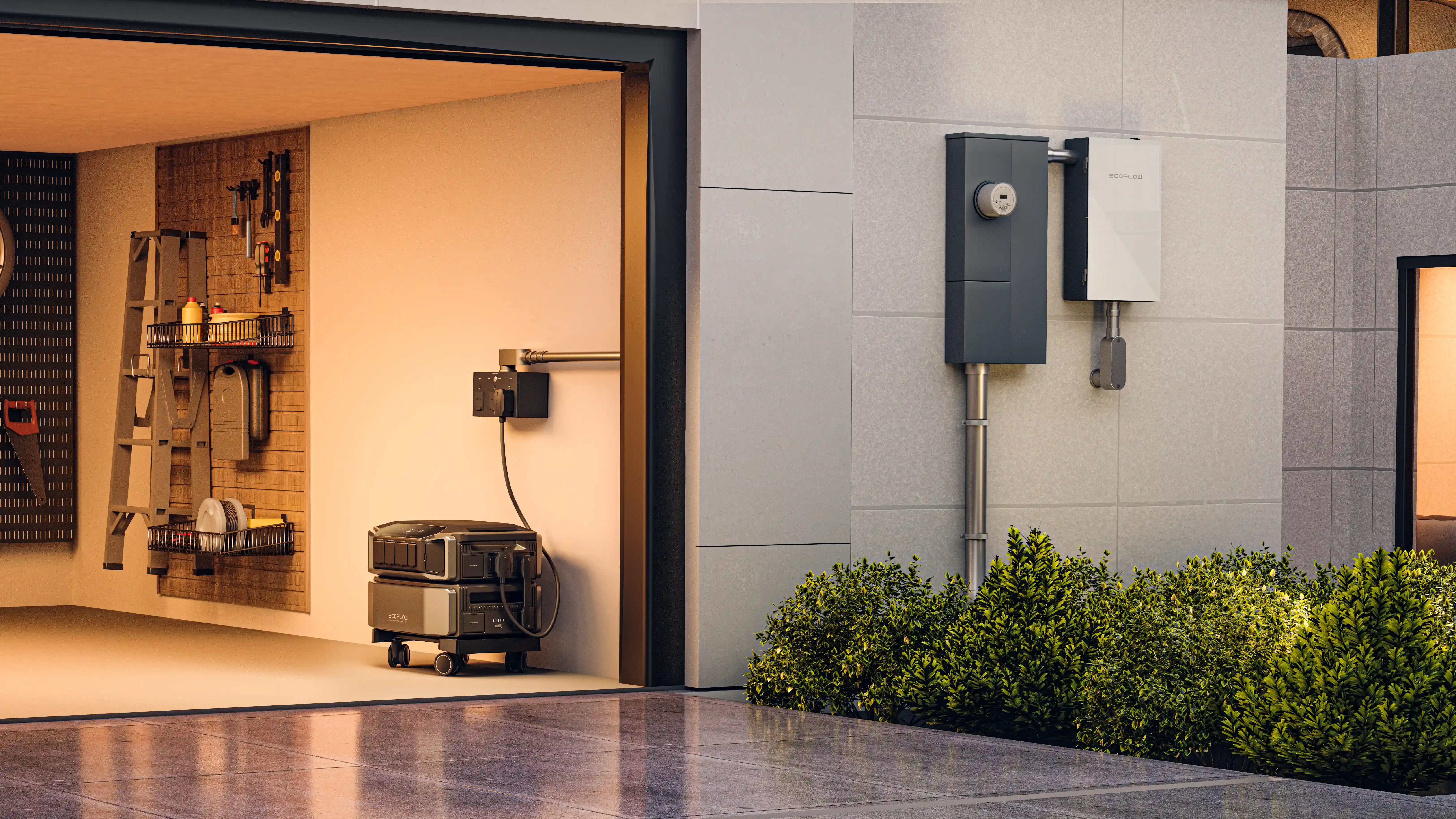
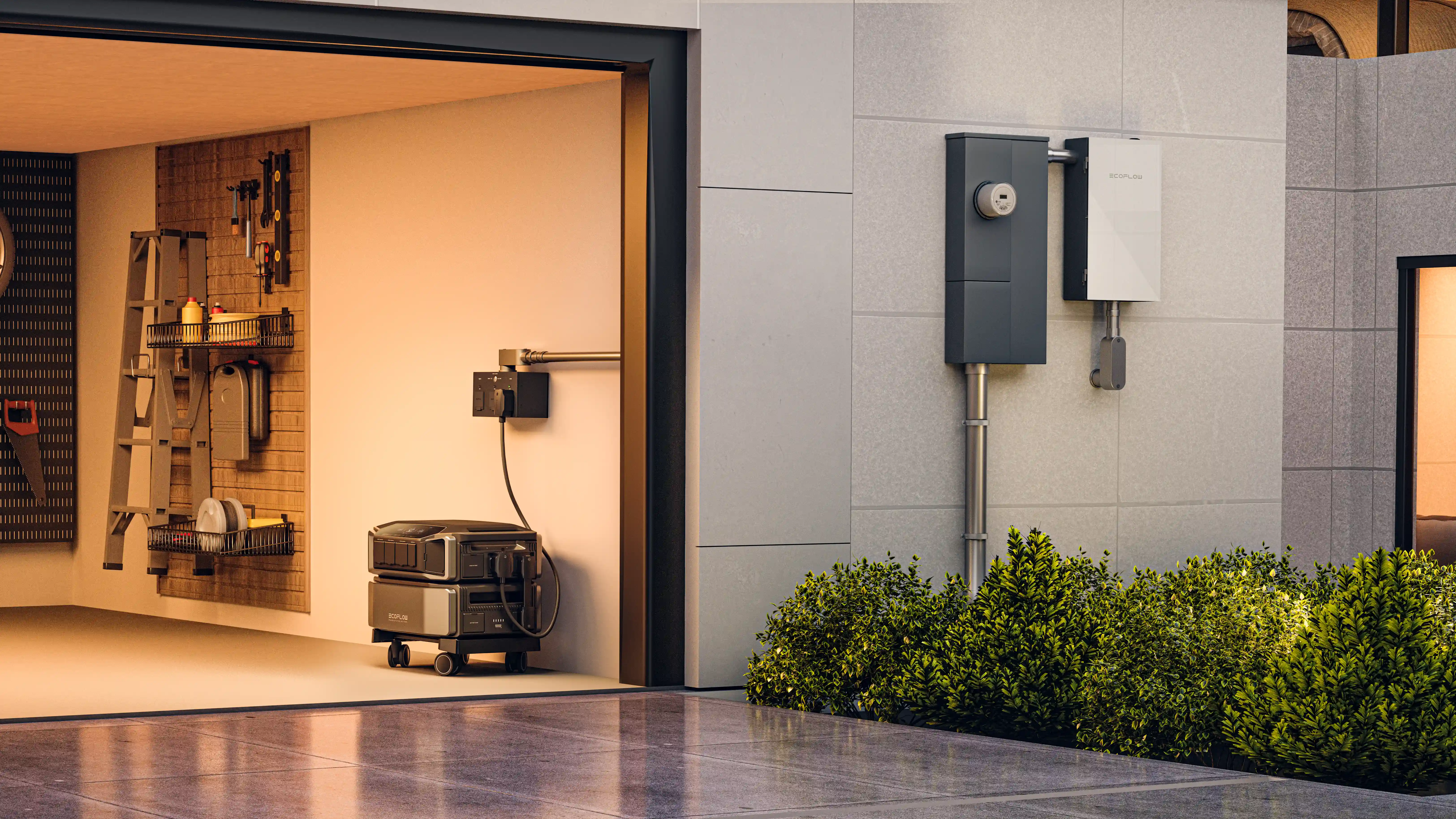
Using home battery storage can really create savings. Instead of being at the mercy of the grid’s fluctuating prices, homeowners are turning to systems like the EcoFlow DELTA Pro Ultra Whole-Home Backup Power. This isn’t just a backup battery in case the power goes out; it’s a sophisticated energy management system.
It works by charging during the night when rates are the lowest and then using this power in your home during expensive peak hours. You’re effectively shifting power use from peak rates to off-peak rates. Plus, in areas prone to power outages due to weather or overloading, the system can provide backup power for your entire home. This includes the AC and refrigerator, as well as a level of security that a standard generator can’t match.
AI Energy Management
Modern systems now use AI to predict your usage patterns and local weather. They can automatically decide when to save energy and when to prepare for a potential storm-related blackout. This makes managing your energy usage much easier.
Smart Panels & Solar Integration
Once you have the power storage system, the next logical step is automating its usage. The EcoFlow Smart Home Panel 2 acts as the energy brain for your house. In your home, it can integrate using your solar panels, battery storage, and the power grid.
It helps manage energy across different power sources, allowing you to shift usage based on time-of-use rates and availability. If the grid goes down, it allows you to prioritize critical loads like Wi-Fi and essential medical equipment. In some regions, it also supports participation in Virtual Power Plant (VPP) programs, where stored energy can be used to support the grid in exchange for incentives or credits. This means it can not only save money but also make money for you.
Virtual Power Plants (VPP)
VPPs are networks of home batteries that work together to support the grid. By signing up, you allow the utility to buy some of your stored battery power during emergencies. In return, they send you a check. It’s the ultimate “win-win” for your energy bill and the environment.
Conclusion
Lowering your energy bill in 2026 is best done using a two-pronged attack. Start by adopting energy-saving daily habits and then embrace modern technology that gives you more effective power management. You can start by swapping out lightbulbs or go all-in with an EcoFlow whole-home backup and smart panel system. The goals are the same: achieving a home that is efficient, resilient, and, most importantly, affordable.
FAQ
1. What wastes the most electricity in a home?
Heating and cooling systems are typically the biggest energy users in a home. These account for nearly half of the average utility bill. Other significant users include water heaters, lighting, and “phantom loads” from idle electronics that stay plugged in 24/7.
2. How to actually save money on an electric bill?
The most effective way to save money is to shift your heavy appliance usage to off-peak hours and invest in energy-efficient upgrades. Simple actions like sealing air leaks and using a programmable thermostat also provide immediate relief. Beyond these, install home batteries that will offer long-term sustainable savings.
3. Is solar a good investment in 2026?
Yes, solar remains a strong investment in 2026. The cost of electricity is continuing to rise, and there is still availability of federal tax credits. If you combine a solar system with a battery storage system, the payback period is much shorter because you can avoid expensive peak-hour rates entirely.
4. What is the 33% rule in solar panels?
The 33% rule is a general guideline suggesting that your solar system should ideally produce about one-third more energy than your average daily consumption. This will account for weather fluctuations and nighttime usage.
For press requests or interview opportunities, reach out to our media team
media.na@ecoflow.com