How Long Will a Freezer Stay Cold Without Power?
- How Long Can a Freezer Keep Food Frozen Without Power?
- What Factors Affect How Long a Freezer Stays Cold?
- How Does a Full Freezer vs Empty Freezer Compare?
- How Can You Extend Freezer Cold Time During an Outage?
- When Is Food No Longer Safe to Eat?
- Frequently Asked Questions
- Protect Food, Maintain Safety, Avoid Waste
A power outage can quickly become more than just an inconvenience when frozen foods start to warm up and become a health hazard. Knowing how long your freezer might keep your food cold and what affects that timeline can help you avoid both potential health issues and food waste. And with a little preparation and some smart strategies, you can extend that cold time and protect your family even during extended outages.
How Long Can a Freezer Keep Food Frozen Without Power?
According to the US FDA, frozen food can keep for between 24 and 48 hours without power. The actual time varies significantly with factors like age, fullness, whether you open the door, and more.
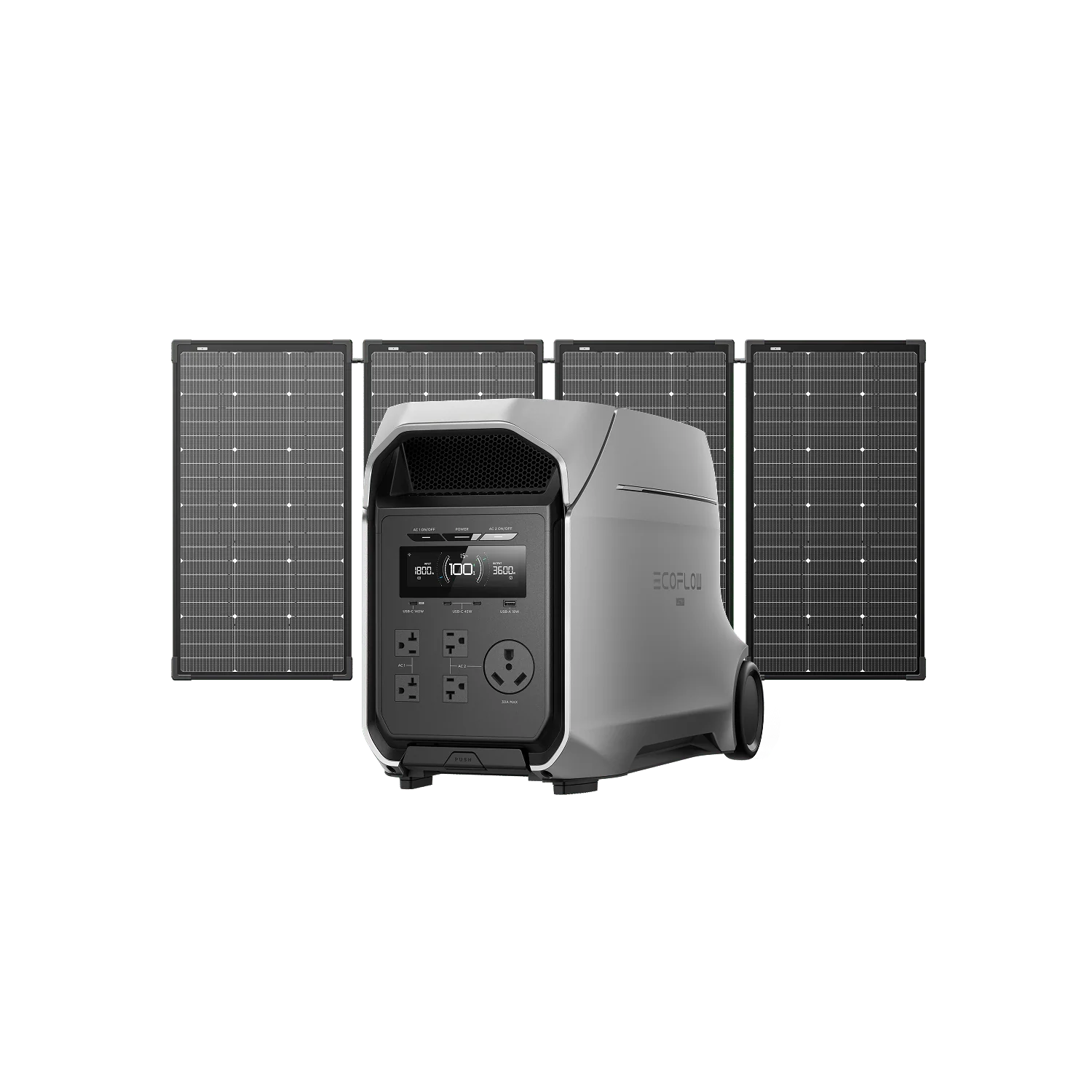
This uncertain food-safe window is why it’s best to keep your essential appliances backed up with portable power like the EcoFlow DELTA 3 Ultra Plus + 500W Solar Panel Kit. With 3–11 kWh of expandable capacity, this system will keep your foods frozen, and the solar panel means you can stay powered up, no matter how long the outage lasts.
What Factors Affect How Long a Freezer Stays Cold?
How Full the Freezer Is
A full freezer will always keep food cold longer than one that’s almost empty. This is because your frozen food helps keep everything around it cold, too.
Type of Freezer
Deep freezers that open from the top will last much longer than a fridge-freezer or a stand-up model. Cold air is heavy, and freezers that open from the top help trap the cold air inside, while those that open from the front side allow the cold air to spill out when they're opened.
If you have a portable refrigerator freezer, these also tend not to last as long as a deep freeze.
However, if your portable model has its own power source, you can keep food frozen even longer.
Age and Condition of Freezer
If your freezer is at its expected lifespan or the seal is damaged, your food will thaw faster.
Also, even in great condition, older appliances have lower efficiency standards, including less insulation and less efficient seals, so food won’t last as long as newer models.
Ambient Temperature
The location of your appliances makes a big difference because the outside temperature determines how quickly the inside temperature warms up. Keeping your freezer in a cool basement or cool garage will be better than in a warm house.
Opening the Door
Finally, foods only stay frozen for 48 hours if you don’t open the door. Opening the door lets the cold air escape and warm air in.
If you want to be able to open the door without worrying about food safety, a whole home generator will keep your essential appliances running.
How Does a Full Freezer vs Empty Freezer Compare?
How full your freezer is plays a much bigger role than people realize. This is why the US FDA gives the safe window as a range of 24–48 hours.
If it’s full of frozen foods, it should last about 48 hours, because frozen food acts like an ice block to keep the items around it frozen longer. However, that same freezer in the same conditions, but less than half full, will only last about 24 hours.
How Can You Extend Freezer Cold Time During an Outage?
You can extend your cold time by keeping the door closed — avoid checking too soon, since you know you should have at least 24 hours.
Grouping frozen foods together helps when the freezer isn’t full, but filling it with jugs of frozen water before an outage works even better.
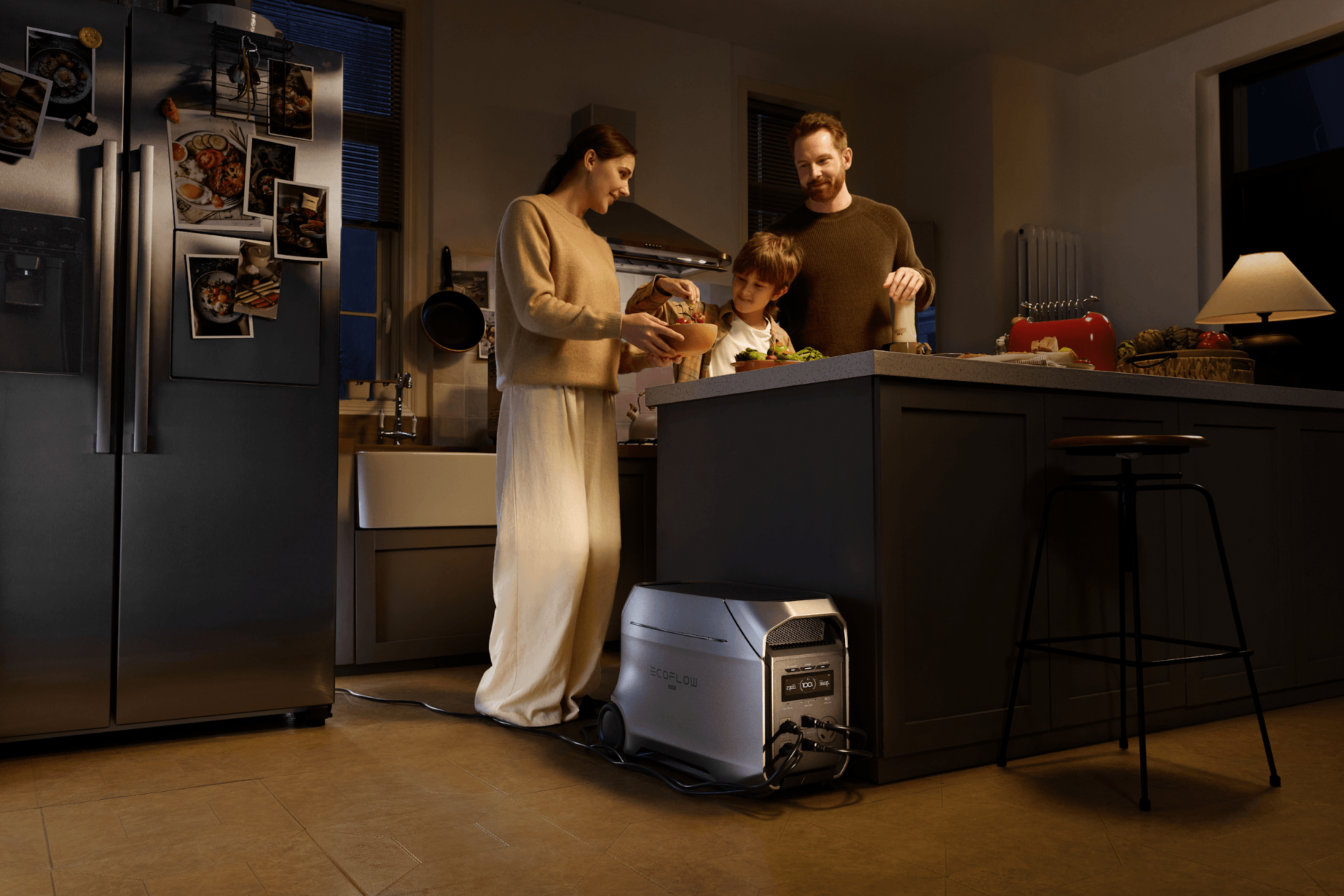
Finally, you can keep your essential appliances running with a whole-home backup power solution and never have to worry about unsafe food.
When Is Food No Longer Safe to Eat?
When food becomes unsafe depends on the food and the temperature. A freezer is completely safe if it stays at or below 0°F (-18°C). But when the power goes out, that temperature begins to rise.
A good guideline is that if your thawed foods reach temperatures of 40°F (4°C) or more for more than 2 hours, they may become unsafe.
At that point, it’s time to start tossing things like meats, soft and shredded cheeses, fresh milk, eggs, and cut fruits or vegetables. Hard cheeses, whole fruits and vegetables, and fruit juices might be okay, but it's best to be cautious, so when in doubt, throw it out.
However, if ice crystals remain and the food is still at least partially frozen, it can be safely refrozen.
Frequently Asked Questions
How Long Will Food Stay Safe Without Power?
In a fridge, food can stay safe up to 4 hours without power or for between 24 and 48 hours in a freezer. The time varied because a full freezer will last much longer than one that’s almost empty.
When Can I Safely Refreeze Thawed Food?
Thawed foods can only be refrozen safely if they haven’t been exposed to temperatures of 40°F (4°C) or more for more than two hours. If it has, it should be thrown out.
How Do I Check My Freezer Temperature During An Outage?
The best method is to leave a thermometer inside your freezer so you can check the temperature. If it’s still below 40°F (4°C), it's safe. You can also check for ice crystals on the foods to see if they’re still frozen.
Protect Food, Maintain Safety, Avoid Waste
Your frozen foods can stay safe for 24 to 48 hours during a power outage, but exactly how long depends on how you manage it. Keeping the freezer full and the door closed are critical factors. But if food warms over 40°F (4°C) for more than 2 hours, it's time to start deciding what to toss.
And if you want to eliminate the guesswork, reliable backup power like the EcoFlow DELTA 3 Ultra Plus + 500W Solar Panel Kit will keep your essential appliances running and prevent food safety issues.
For press requests or interview opportunities, reach out to our media team
media.na@ecoflow.com