How Much Does a Supercharger Cost? EV Charging Prices Explained
- What Is a Supercharger, and How Does It Work?
- How Much Does It Cost to Use a Supercharger in 2026?
- What Drives EV Charging Costs?
- How Do Pricing Models and Charging Mechanics Work?
- How Can You Optimize Your EV Charging Strategy?
- Can Solar and Home Storage Reduce Charging Costs?
- Frequently Asked Questions
- Save Money, Gain Reliability, Charge Smarter
EV superchargers are a fast, convenient option you can find publicly, but the charging rates vary widely and are always higher than charging at home.
Understanding supercharger pricing, what drives the cost in different regions, and how home energy strategy affects your total spend can help you, as an EV owner, make smarter charging decisions.
What Is a Supercharger, and How Does It Work?
The standard “supercharger” is a Tesla Supercharger — a DC fast charger designed for rapid on-road charging that delivers power directly to the battery. DC fast charging bypasses the vehicle's onboard charger, allowing a much higher charge rate than home charging at Level 1 or 2.
Supercharger output ranges from 72 kW to 250 kW, but the V4 Superchargers can reach up to 500 kW at certain locations.
Supercharger billing is per kWh in most states, but some areas restrict third-party electricity sales and require per-minute billing in tiered brackets instead.
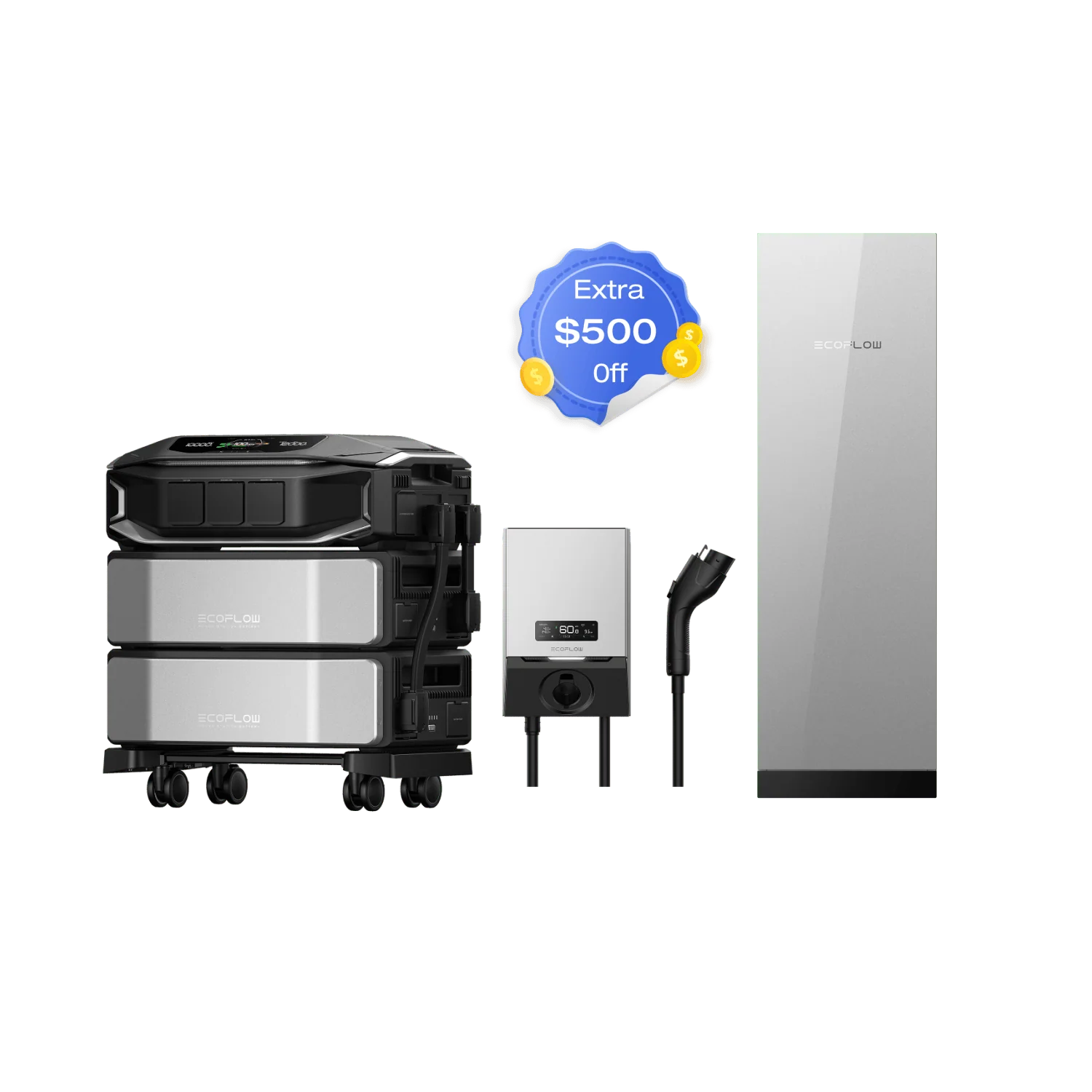
When considering the battery size to charge an electric car, you can still charge your EV with a smaller, non-supercharged option. For example, you can charge at home at Level 2 speeds with the EcoFlow DELTA Pro Ultra X + Smart Home Panel 3 + EV Charger. This bundle supports plug-in Level 2 through its native NEMA 14-50 outlet without an adapter.
How Much Does It Cost to Use a Supercharger in 2026?
Most US Tesla Superchargers currently cost about $0.30–$0.45 per kWh, with higher-cost regions reaching $0.50-$0.60+ per kWh at peak times. If you needed to get a full charge on a mid-size EV at a mid-range Supercharger rate, it would typically cost you $21 to $28.
Note that Supercharging is about 2–3x more expensive per kWh than doing so at home, though it's still competitive with gasoline on a per-mile basis. Since most EV owners get 80–90% of their recharging at home or work, a Supercharger primarily helps with emergency top-ups or road trips.
If you find yourself using Superchargers often, you could opt in to Tesla's Supercharger Membership, which offers lower per-kWh rates at select sites.
What Drives EV Charging Costs?
Public EV recharge prices are driven by demand charges, transmission fees, and utility riders that charger operators pay to commercial electricity utilities.
Site costs also come into play, with high-rent urban locations and busy freeway corridors having higher overhead than rural travel plazas.
Time-of-use rates may also impact costs. Rates are higher during peak demand hours of 7:00 a.m. through mid-to-late evening, but they are lower overnight.
How often you charge at public stations versus at home becomes a big factor as well. Public charging is more expensive than home recharging, so it's wise to figure out how big a portable EV charger you need to charge at home, so you can minimize your reliance on public stations.
How Do Energy Prices and Regional Rates Affect Charging Costs?
The cost of energy regionally is the foundation of what you'll pay to charge your EV. The US average residential electricity rate is 17.65 cents per kWh as of February 2026, according to EIA data, but state rates vary dramatically by location.
Most Supercharger operators also have to pay for the electricity you use to charge your EV, impacting the premium you pay at public Supercharging stations. Areas with cheaper residential grid power offer the lowest home costs, and make Supercharger sessions comparatively more expensive.
How Do Pricing Models and Charging Mechanics Work?
The most common pricing model for Superchargers is per kWh billing. You pay for the energy you get, regardless of how long it takes.
Some states prohibit third-party electricity sales by kWh and use per-minute billing. The total session cost can be similar or cheaper, depending on how fast the process is.
Other fees, such as congestion pricing, idle fees, or session minimums at some third-party locations, can add unexpected costs.
How Can You Optimize Your EV Charging Strategy?
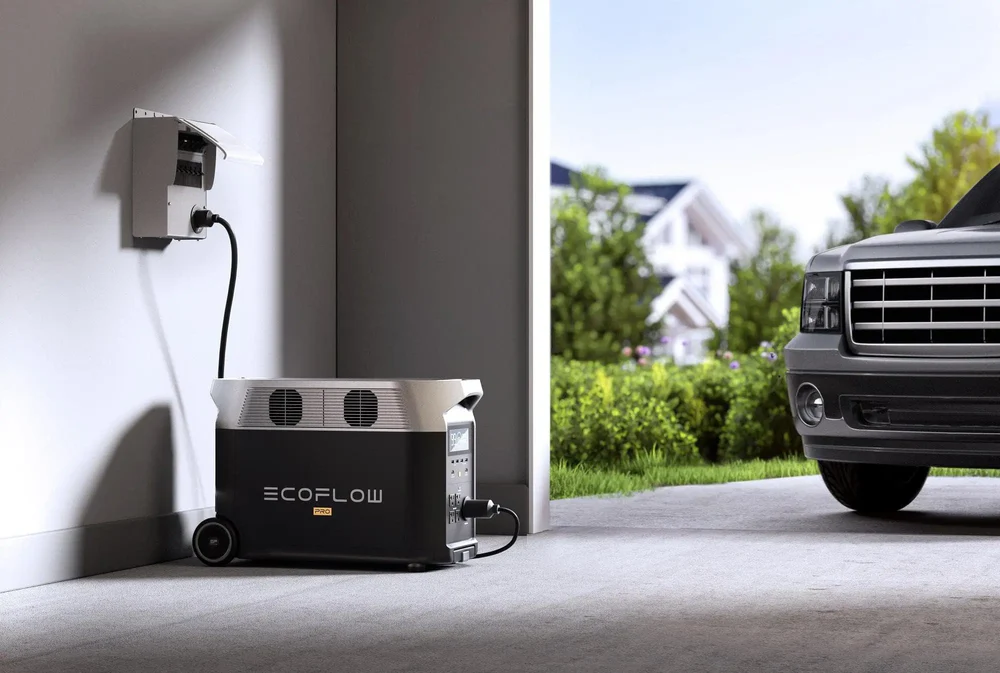
The best way to optimize your EV strategy is to charge at home whenever possible. To cut your EV electricity costs even more, use a whole-home generator connected to solar as a power source, or look for home energy storage options so you can capture energy during off-peak periods to store and use during peak times.
Understanding EV vs. ESS battery differences is a good place to start. The EV battery is what you need to charge, and the ESS battery can be your home's energy backup from which you draw power to charge your EV battery.
Can Solar and Home Storage Reduce Charging Costs?
Solar panels can reduce the cost of home EV recharging significantly by cutting your home's total energy draw and thus, your monthly electricity bills.
Adding battery storage to your solar setup also allows you to bank solar production for overnight EV charging, reducing your reliance on peak-rate grid power.
Frequently Asked Questions
What is the Typical Cost Per kWh for Home Charging?
The average residential electricity rate in the US is 17.65 cents per kWh as of February 2026, but it ranges widely between low-cost states and high-cost states. Time-of-use rates can also lower overnight EV recharging costs below the average. Some utilities even offer dedicated EV rate plans to help you save.
Is Supercharging More Expensive Than Charging at Home?
Supercharging is consistently more expensive than charging at home. It's about 2–3x more per kWh in most markets. The cost gap is widest in states where residential electricity rates are low. But in high-rate states, the gap narrows, though home recharging is still cheaper.
Do All EVs Pay the Same Supercharger Rates?
Tesla owners on a Supercharger Membership plan can pay lower per-kWh rates than other pay-as-you-go users. Non-Tesla EV drivers can also access Superchargers through NACS, but they'll usually pay higher default rates, unless their automaker has negotiated a pricing agreement with Tesla.
Save Money, Gain Reliability, Charge Smarter
Supercharger costs can be high and variable, but you can keep costs in check by understanding regional pricing, TOU rates, and billing models.
Still, home charging is the most cost-effective option, and integrating solar and battery storage reduces your costs even further.
A home energy system paired with solar, like the EcoFlow DELTA Pro Ultra X + Smart Home Panel 3 + EV Charger bundle, lets you handle whole home backup, smart circuit management, and Level 2 EV charging from a single system at home — so you rely less on public Superchargers and keep more control over what you spend.
For press requests or interview opportunities, reach out to our media team
media.na@ecoflow.com