The Ultimate Guide to Off-Grid Solar Systems (2026)
- What Is an Off-Grid Solar System?
- How Do Off-Grid Solar Systems Work?
- What Components Are Needed for an Off-Grid Setup?
- What Are the Biggest Challenges of Off-Grid Solar?
- How Do You Size an Off-Grid Solar System?
- How Much Do Off-Grid Solar Systems Cost in 2026?
- Frequently Asked Questions
- Off-Grid Solar Systems Provide Energy Independence with Proper Planning and Storage
Utility outages, rising electricity costs, and the appeal of energy independence have more people thinking about off-grid solar in 2026. But figuring out what kind of system you actually need can feel overwhelming.
Fortunately, you don’t need to be an electrician to plan the perfect solar setup. Check out this ultimate guide to off-grid solar systems to learn how they work, their components, and how to design the right-sized option for your home.
What Is an Off-Grid Solar System?
With an off-grid solar system, you can generate and store your own electricity. Instead of drawing power from your local electric company, you generate it yourself using solar panels, battery storage, and an inverter that converts stored energy into usable electricity.
Of course, the trade-off is that off-gridding requires more upfront planning. Since you’re responsible for producing and storing enough electricity to meet your needs, system sizing matters. You’ll need to think about how much power you use, when you use it, and what you absolutely want to run if there’s no sunlight for a few days.
How Do Off-Grid Solar Systems Work?
Going totally off-grid requires more than a few solar panels. A whole-home backup power solution with solar works like this:
The panels generate electricity: When sunlight hits the panels, photovoltaic (PV) cells produce direct current (DC) power. How much energy you produce depends on sunlight hours, weather, panel size, and placement.
The charge controller protects the battery: Before storing the electricity, the system passes it through the charge controller, which regulates voltage and current.
Batteries store the energy: Since solar panels only generate electricity when the sun’s out, your system stores the extra energy for nighttime use or cloudy days.
An inverter converts energy into electricity: Most TVs, refrigerators, coffee makers, routers, and air conditioners use alternating current (AC) power. That means stored battery energy needs to be converted before your home can use it. The inverter does just that, converting stored DC electricity into AC power.
You use power like normal: Once everything’s connected, your system works like a self-sustaining power source. Solar panels recharge your batteries during the day, stored energy powers your home when you need it, and you’re not dependent on a utility company for any of it.
What Components Are Needed for an Off-Grid Setup?
To get a home solar battery system up and running, you’ll need several components:
Solar panels: Solar panels collect sunlight and convert it into electricity. They’re the core of the system, generating the power you’ll either use right away or store for later.
Charge controller: A charge controller manages the electricity flowing from your solar panels into your battery bank. Its main job is to prevent overcharging and regulate voltage, so your batteries stay healthy.
Battery bank: This is where your extra electricity lives.
Inverter: This component makes your power usable by converting DC power to AC power.
Balance of system (BOS): a catch-all term for the hardware and software that make your solar setup functional. It includes wiring, mounting hardware, monitoring systems, and breakers.
What Are the Biggest Challenges of Off-Grid Solar?
Going off-grid sounds dreamy in theory: you get free energy from the sun, no utility bills, and complete independence from the grid. But it’s not all sunshine and rainbows. Getting it wrong could mean having to redo the system or, worse, running out of energy when you need it most. Here’s how to overcome the challenges of off-grid solar.
Proper System Sizing
If your system is too small, you’ll constantly worry about running out of power. But if it’s too large, you may spend more than necessary. That’s why scalable systems tend to make off-grid life a lot less stressful. Starting with enough power for essentials and expanding later is smarter than trying to predict every future need on day one.
Sunlight and Weather
Solar power depends on sunlight, which means cloudy days, storms, winter weather, and shorter daylight hours reduce energy production. That isn’t automatically a deal-breaker, but if you’re in an area with cloudy weather or limited sunlight, you definitely need a larger battery backup and more solar panels.
High-Wattage Appliances
Air conditioners, dryers, well pumps, space heaters, and kitchen appliances pull serious wattage, especially when they start up. That’s why continuous output and surge power matter when choosing an off-grid system. You want something that can handle both everyday loads and those quick startup spikes without tripping the system.
It’s okay if you like your creature comforts. It just means you need a system designed for bigger needs, like the EcoFlow DELTA Pro 3 Solar Generator + 400W Solar Panel. It has the capacity to support higher energy demands while still offering the flexibility of solar charging and battery expansion.
How Do You Size an Off-Grid Solar System?
Building a balanced solar battery system requires designing a setup that powers your lifestyle. Follow these steps to calculate your exact off-grid energy needs:
Calculate daily energy use in kWh per day: Make a list of everything you want to power and estimate how long each item runs each day. Think refrigerators, lights, laptops, coffee makers, routers, well pumps, air conditioning, or whatever matters in your setup. Add everything together to get your total energy consumption.
Check your peak load: Next, figure out your peak load, which is the maximum amount of power your home draws at one time. For example, maybe your refrigerator, microwave, internet router, and coffee maker are all running at once. Your inverter needs to handle those combined power demands without tapping out.
Size your battery for multiple days: Most people size battery storage for 2–3 days of backup power, especially in areas with inconsistent sunlight. For example, if your home uses 10 kWh per day, you need 30 kWh of battery storage for a three-day backup.
Choose solar panels: Don’t size your system based on perfect sunny weather in July. Size it based on your worst month for sunlight. That way, your system will be reliable year-round instead of amazing for six months and frustrating for the other six.
Match an inverter to your needs: Choose an inverter that supports continuous and surge loads. A refrigerator might run at one wattage but briefly need much more power to kick on. The same goes for AC units, pumps, and larger appliances. A properly sized inverter keeps everything running smoothly.
How Much Do Off-Grid Solar Systems Cost in 2026?
Off-grid solar systems cost more upfront than grid-tied systems, but they can offer more energy independence and fewer long-term utility costs. For a full-home off-grid setup in 2026, costs can range from $50,000 and up, depending on:
Home size
Daily energy use
Battery storage needs
Solar panel quantity
Climate and sunlight availability
Installation complexity
Permit and labor costs in your area
A smaller cabin or a part-time off-grid setup may cost far less, while a large family home with HVAC, kitchen appliances, and EV charging can cost more.
Here’s the good news, though: a higher upfront cost doesn’t always mean a higher long-term cost. Once installed, solar systems typically require relatively little maintenance. You’re also less exposed to rising electricity prices and utility disruptions.
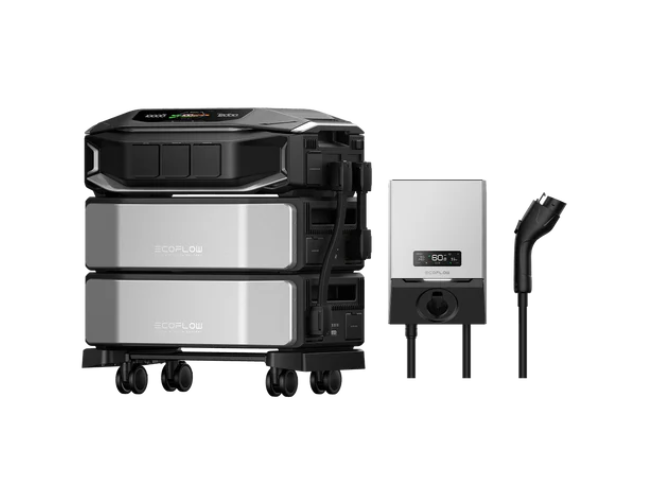
Another option is to start small and scale up. For larger home energy needs, the EcoFlow DELTA Pro Ultra X Whole-Home Backup Power system is designed for scalable whole-home backup that can expand alongside your energy needs.
Frequently Asked Questions
How Many Solar Panels Do You Need To Live Off the Grid?
It depends on how much electricity you use and how much sunlight your location gets. The easiest way to estimate is to calculate your daily energy use (kWh) and compare it to your local solar production potential during your worst month for sunlight. Most people also build in a little extra capacity for cloudy days and future energy needs. It’s almost always better to have a bit more solar than not quite enough.
Are Off-Grid Solar Systems Worth It?
They can be! If your priority is energy independence, backup power during outages, avoiding rising utility costs, or powering a remote property, off-grid solar is worth the investment. Still, it isn’t without challenges. Off-grid systems typically cost more than grid-tied setups because they require battery storage and larger system sizing to operate independently.
Off-Grid Solar Systems Provide Energy Independence with Proper Planning and Storage
Going off-grid with solar isn’t as simple as throwing a few panels on the roof and calling it a day, but it’s also a lot more doable than you might think. The key is to plan a system around your actual energy needs, size battery storage realistically, and prepare for days with less sunlight.
When done right, an off-grid setup can offer more energy independence and long-term peace of mind. Flexibility is key with off-grid solar. See how the EcoFlow DELTA Pro 3 Solar Generator + 400W Solar Panel offers ultimate off-grid freedom.
For press requests or interview opportunities, reach out to our media team
media.na@ecoflow.com