Camping Power Solutions: How to Keep Everything Charged Off-Grid
- What Does It Mean to Camp Off-Grid?
- What Devices Do You Need to Keep Charged?
- What Are Your Off-Grid Power Options?
- How Do You Calculate the Right Power Setup for Your Trip?
- What Should You Look for in a Portable Power Station?
- How Can You Extend Your Power Supply While Off-Grid?
- Frequently Asked Questions
- Portable Power Keeps Your Off-Grid Camping Trips Fully Charged and Worry-Free
Once you leave hookups and outlets behind, keeping your phone, cooler, and lights running takes planning. The right combination of gear determines whether you stay comfortable or spend your trip rationing battery percentage.
This guide breaks down what to bring, how much capacity you actually need, and how to stretch it further once you're off the grid.
What Does It Mean to Camp Off-Grid?
Off-grid camping means setting up somewhere without electrical hookups, running water, or reliable cell service. A remote forest site, a stretch of BLM land, or a campground with nothing beyond a fire ring.
You bring everything you need, including the power to run it, and running out of battery a few days in isn't just inconvenient; it can be a safety issue if you're relying on a phone or GPS device to navigate out.
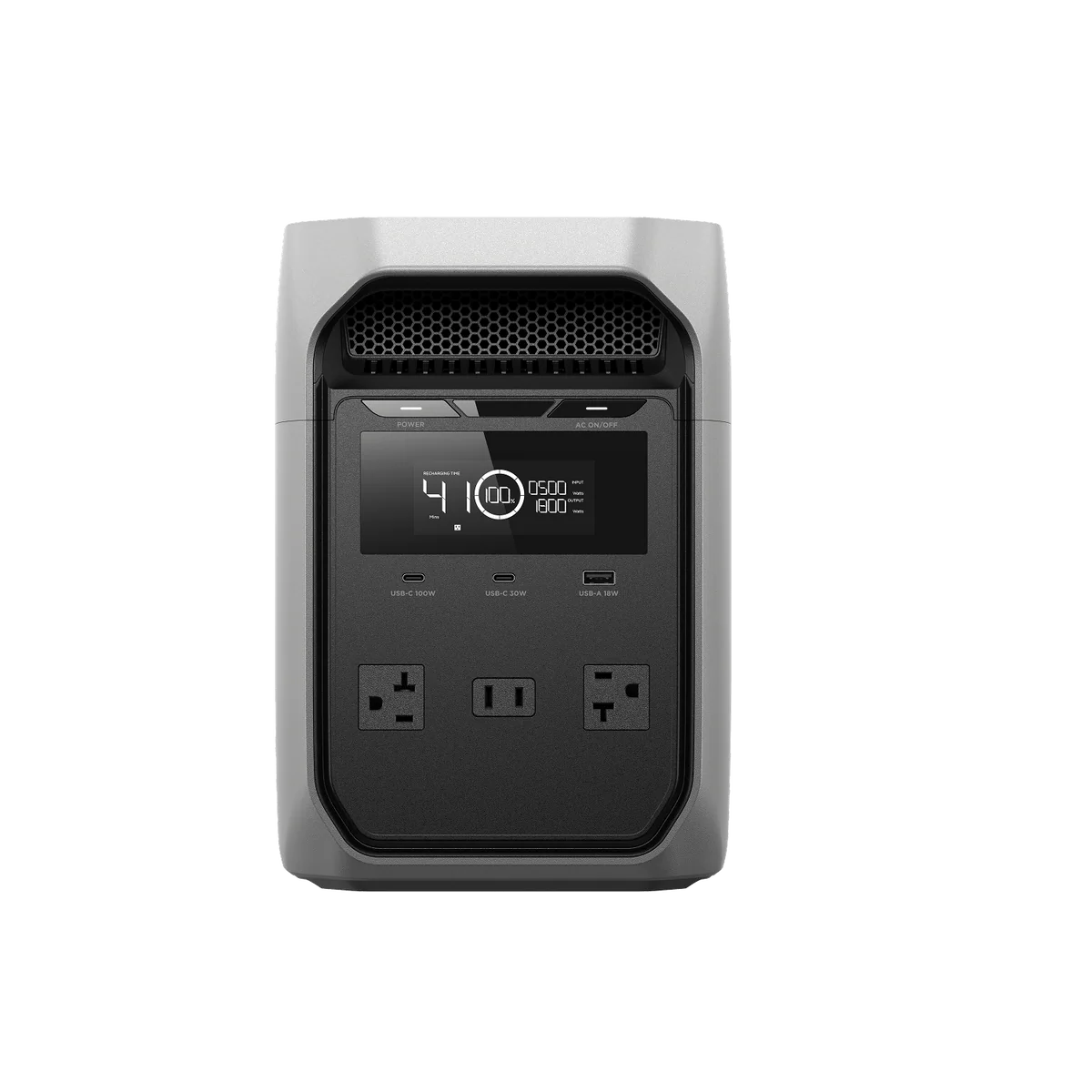
An EcoFlow DELTA 3 Classic (1024Wh) portable power station is a practical starting point for most off-grid setups, since it can charge multiple devices at once without forcing you to ration which ones matter most.
What Devices Do You Need to Keep Charged?
Before planning a power setup, get an honest list of what's coming with you. Devices vary widely in draw, and that determines how much capacity you need.
Phones, Cameras, and Communication Devices
Phones, GPS units, satellite communicators, and cameras draw relatively little individually, but they add up fast across a group — and they're the devices you least want to run out of, since they cover navigation and emergency communication.
Coolers, Fans, and Camp Appliances
Electric coolers are one of the biggest power draws in a typical setup, often running continuously to hold temperature. Fans, heaters, and appliances like induction cooktops pull significantly more than your electronics, and they're where an underpowered setup runs into trouble first.
Lighting and Cooking Gear
LED lanterns and string lights use very little power, but a full camp kitchen with an electric grill or induction burner can quickly become your largest single draw.
What Are Your Off-Grid Power Options?
Most off-grid campers combine a few of these, depending on trip length and how much they're bringing.
Solar Panels and Solar Generators
Solar panels paired with a power station let you recharge during the day without driving back to civilization — most useful on trips longer than a weekend. Output depends on sun exposure and panel angle, so treat solar as a supplement rather than your only source.
Portable Power Stations
A portable power station acts as your central hub, storing energy and distributing it through AC outlets, USB ports, and car sockets. It's usually the most practical option for anyone running more than a phone and a headlamp, since one unit can handle a cooler, lighting, and electronics at once.
Car and 12V Charging
If you're camping near your vehicle, car charging while driving can top off a power station or devices through a 12V outlet on the drive in. It's a useful supplement, but it stops once you park and won't cover a multi-day stay alone.
USB Power Banks
Power banks are fine for keeping a single phone alive, but they can't run a cooler, fan, or multiple devices at once. For anything beyond a minimal setup, a power bank for camping is a backup, not a primary plan.
How Do You Calculate the Right Power Setup for Your Trip?
List every device you're bringing with its wattage and how many hours a day you'll run it. Multiply watts by hours to get watt-hours per device, add them together, then multiply by your number of days.
Build in some buffer, since cold weather can cut a battery's usable capacity roughly in half in near-freezing conditions.
An electric cooler running continuously is usually the biggest factor in that total, which is why capacity planning matters more than most people expect before their first off-grid trip.
What Should You Look for in a Portable Power Station?
Capacity is the obvious starting point, but output matters just as much: check the continuous wattage rating against your highest-draw device, since stored energy alone won't run an appliance past its output limit. Also weigh port count, recharge time, and overall weight if you're carrying it from the car.
How Can You Extend Your Power Supply While Off-Grid?
A few habits stretch your capacity further: charge devices during the day when solar input is highest, turn off appliances you're not using, and group charging sessions instead of topping off one device at a time. If you're running off-grid power for cameras, drones, or laptops, prioritize which need daily charging.
Frequently Asked Questions
How Long Can a Portable Power Station Keep Devices Charged?
It depends on the station's capacity and what you're running. A 1,000Wh station can keep phones, lights, and a fan going for several days, but a cooler running continuously can drain that same capacity in a day or two. Match capacity to your actual device list rather than a generic estimate.
Is It Safe to Use a Power Station Inside a Tent?
Most portable power stations are safe to use inside a tent since they don't produce exhaust fumes the way a gas generator does. Keep the unit away from water, avoid covering its vents, and check the manufacturer's guidance on operating temperature, since extreme heat or cold can affect performance.
What Size Power Station Do You Need for a Weekend Camping Trip?
For a typical weekend covering phones, lights, and a small cooler, a station in the 800-1,200Wh range usually covers two to three days without recharging. A fan, appliance, or larger cooler pushes that number higher, so tally your devices before deciding on capacity.
Portable Power Keeps Your Off-Grid Camping Trips Fully Charged and Worry-Free
Once you've mapped your devices against a real capacity number, off-grid charging stops requiring guesswork. The gap between a cooler dying on day two and a trip where everything just works comes down to sizing your power source honestly.
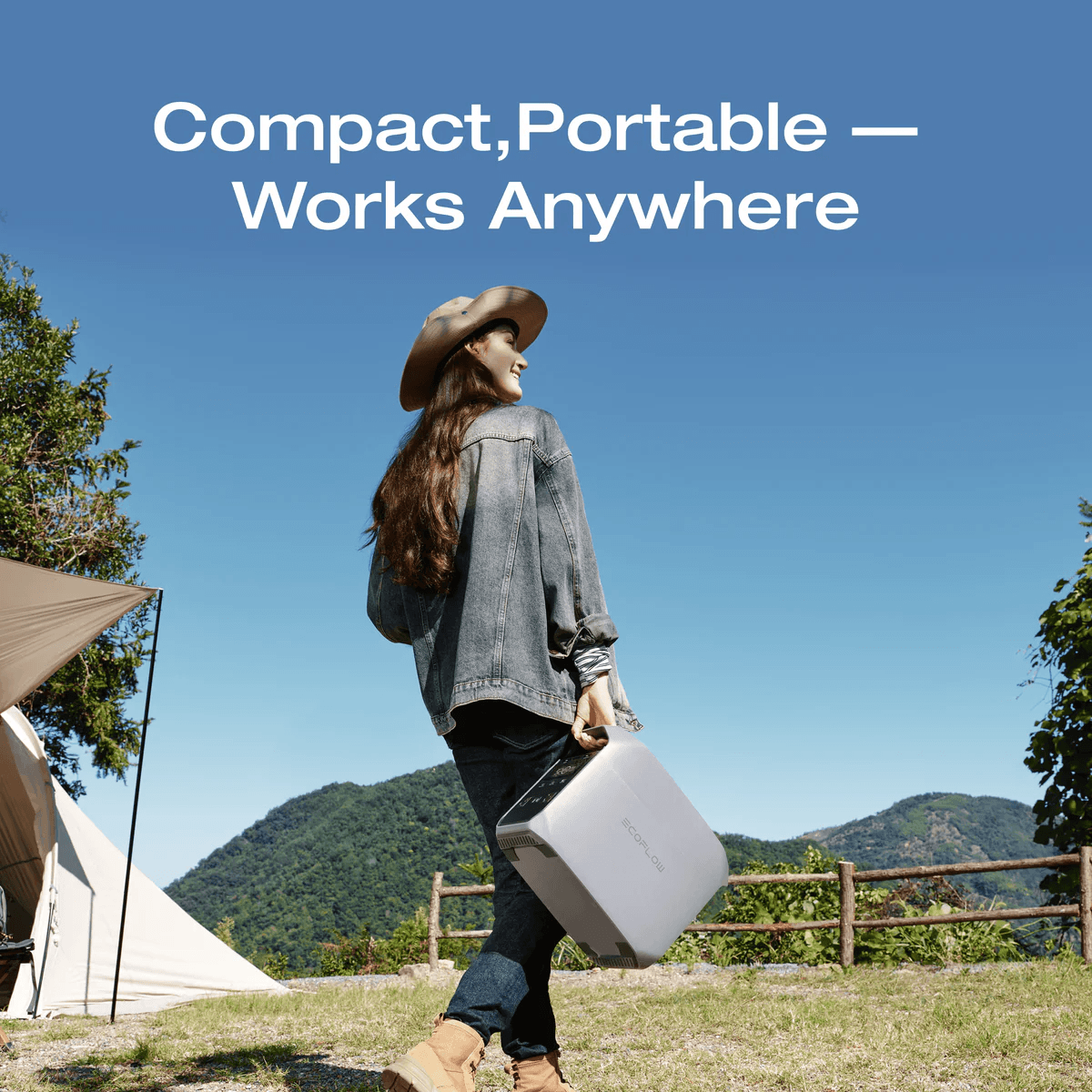
If your next trip involves more than a phone and a lantern, an EcoFlow DELTA 3 Classic (1024Wh) or another EcoFlow portable power station gives you the headroom to run a full camp setup without rationing.
For press requests or interview opportunities, reach out to our media team
media.na@ecoflow.com