Drone Content: The Smartest Way to Keep Filming, Flying, and Creating Off-Grid
Great drone footage is all about mastering composition and lighting, especially when you’re shooting off-grid. Without controlled conditions, natural light and shadows really matter. By understanding how to frame scenes effectively and working with available light, drone creators can capture sharper, more dynamic visuals, regardless of their location. Here’s how to elevate your off-grid drone workflow and keep your gear powered for the entire adventure.
Master Composition and Lighting for Drone Shots
Composition and lighting are the foundation of great shots. Let’s examine why this is.
Composition Tips
The rule of thirds is the most important composition tip. Imagine your shot is divided into a 9-segment grid with two horizontal and two vertical lines. If you place your subjects along those lines or their intersections, it creates a balanced image. When shooting from drones, this means positioning elements like the horizon, buildings, or natural landscape features along those lines.
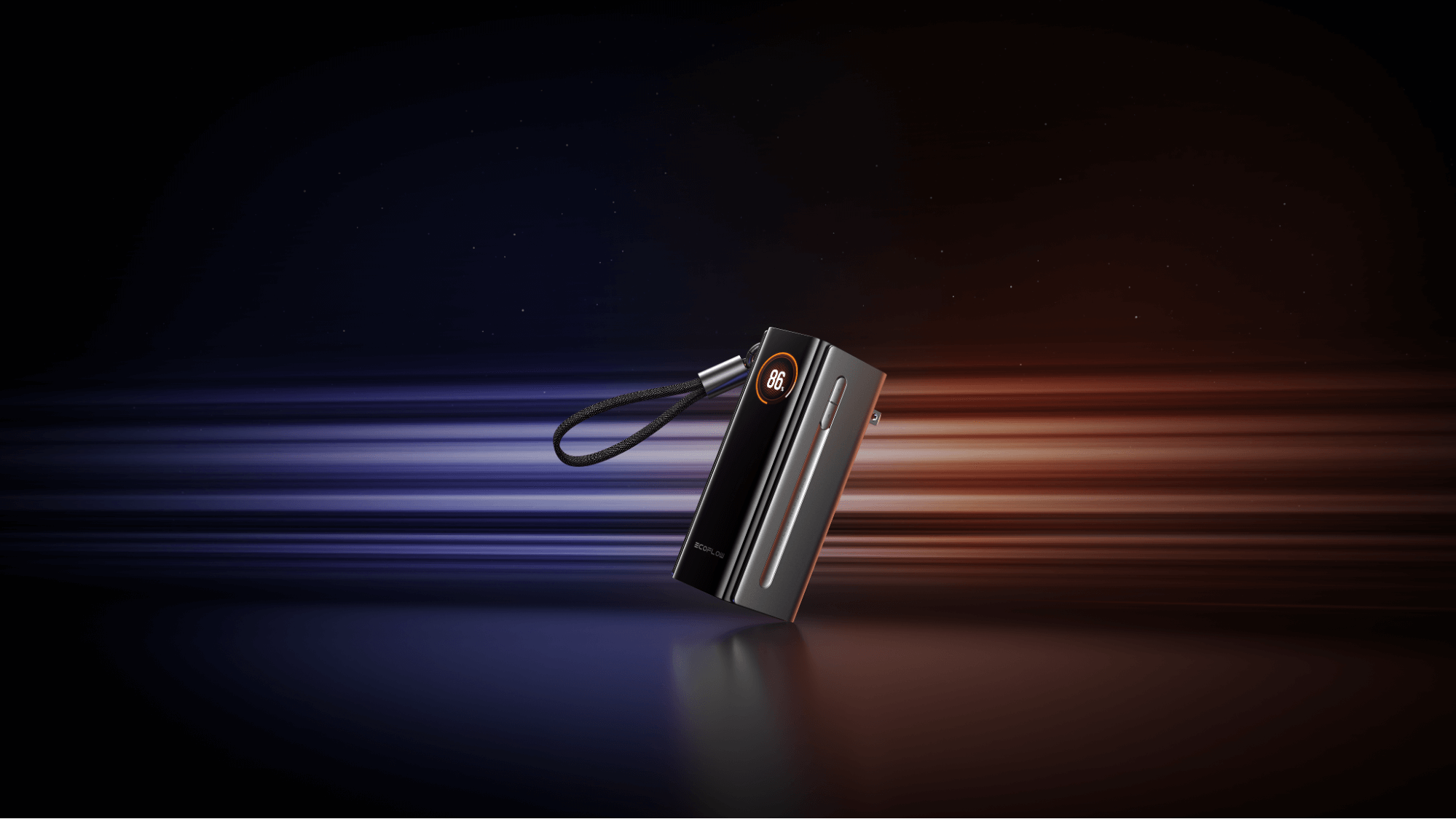
While shooting off-grid, bring the EcoFlow RAPID Pro X Power Bank to keep your laptop, phone, and other devices charged up.
Lighting Tips
Lighting is just as critical as composition since too much or too little can quickly ruin a photo. Typically, the best hours for outdoor photography are early morning and late afternoon, when the sun is low in the sky, producing warm light and photos with better textures and long shadows that add depth.
The early and mid-afternoon is often the worst time, since the sun is too bright, leading to overexposed areas and deep shadows. If you have to shoot in the afternoon, cloudy days are best; otherwise, use neutral density (ND) filters to reduce the light entering the camera.
Workflow and File Management for Off-Grid Drone Shooting
Don’t just arrive at your location and start flying. Instead, examine the area and create a list of shots you want to capture.
Next, set up your SD card and storage device to ensure a consistent folder structure before you start taking pics. Use descriptive names and dates for your folders, and create separate folders for different data types as needed.
Now, you’re almost ready to fly! What kind of capture settings should you use?
Shutter priority captures clear images by maintaining a consistent shutter speed while the camera automatically adjusts the aperture and ISO.
Shutter speed mode lets you set the shutter speed to high to avoid motion blur when capturing action, especially in bright light (when you should use low ISO (100-400)).
Auto Exposure Bracketing (AEB) captures multiple shots at different exposure levels. It’s used for bright skies and dark shadows, so you can merge them post-processing to create a well-balanced HDR image.
White Balance (WB) lets you manually adjust it to make colors appear more natural.
Video frame rate is used when capturing videos, typically choosing between 24fps for a cinematic look or 30fps for smoother motion.
Shutter speed is another video setting that is typically set to double your frame rate. For 30fps, use \(1/60\)s. For 24fps, use \(1/48\)s.
After each flight or project, transfer the data from your camera to a laptop or SSD to back up your pics. Always check your images to ensure they transferred correctly before deleting the SD card.
Once you return home, use the power from your home solar generator and back up your images to your cloud-based storage. Then, do all your post-processing using special software to edit your shots. Then, archive your shots following your established file-name and folder structure conventions.
Powering Drones and Gear Off-Grid
When you need off-grid power for drones or have multiple drones, cameras, and accessories that need power, you need portable power.
Using solar generators for drones is always the best choice, as they provide a sustainable power source that you can recharge when the sun shines. They’re also portable, lightweight, and rugged for use outdoors.
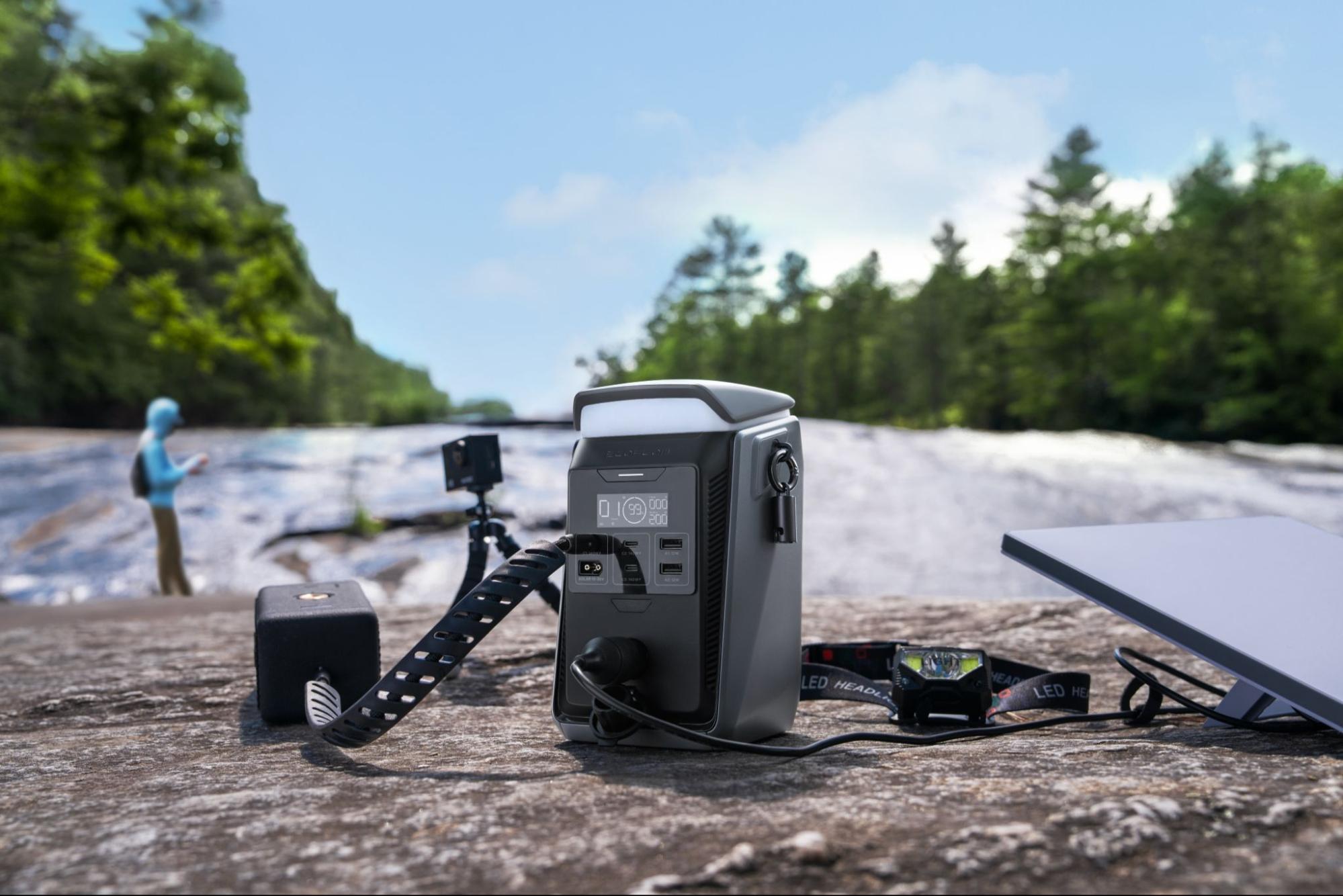
For instance, the EcoFlow TRAIL Series DC Portable Power Station offers 288Wh of power and weighs only 4lbs. It operates on pure DC, reducing weight and energy loss to keep your adventure going. To stay off-grid long-term, recharge it with a DC car plug or solar panels.
Tips for Off-Grid Drone Shooting Success
Check the weather before you go, watching for rain, snow, or high winds that can prevent you from shooting.
Check cloud coverage. While sometimes you may not want clouds, on days when you shoot in the afternoon, they block the bright sunlight.
Before leaving home, charge your batteries, power banks, and portable power station using household power.
For multi-day adventures, bring a solar panel to recharge your power station.
Do a pre-flight check, checking battery levels and the camera, and ensure your drone is flight-ready.
Frequently Asked Questions
Do You Need Permission To Film With a Drone?
Yes, in most cases, especially for commercial use, you need permission to film with a drone, per federal, state, and local regulations. For city property, you may need a permit; for filming on private property, you will need the owner's consent.
What Is the Best Off-Grid Setup for Drone Filming?
Solar generators are the best off-grid power for drone filming. They’re a sustainable resource that will supply power as long as you have available sunlight. They’re also ultra-quiet and highly portable, making them perfect for off-grid use.
How Long Can I Fly Drones Off-Grid?
How long you can fly your drone depends on its battery capacity. Most drones fly 20-50 minutes on a battery, but professional drones can fly for 1-2 hours or more. To extend your flight time, bring a spare battery and a portable power station to recharge it.
Ready to Keep Filming Off-Grid with EcoFlow?
Off-grid drone filming demands technical skill, planning, smart power management, and workflows that keep your gear running and your footage safe. By mastering composition, working with natural light, and organizing files efficiently, you’ll capture more consistent, professional-quality shots every time you fly. And with reliable portable power like the EcoFlow TRAIL Series DC Portable Power Station, you can keep your drones, cameras, and laptops running no matter how remote the location.
For press requests or interview opportunities, reach out to our media team
media.na@ecoflow.com