The Easiest and Hardest States for Full-Time RV Living in 2026
- The 2026 Full-Time RV Financial Landscape
- The Evaluation Framework: How We Scored Every State
- The Easiest States for Full-Time RV Living in 2026
- The Hardest States for Full-Time RV Living in 2026
- The Overlooked Middle Ground States
- How to Actually Change Your Domicile: A 10-Step Checklist
- Legal Pitfalls and Residency Audit Risks
- Match Your Travel Profile to the Right State
- Finalizing Your Domicile Strategy
- FAQs
Disclaimer:
This article is for general informational and educational purposes only and does not constitute legal, tax, or financial advice. Full-time RV domicile rules, tax obligations, and insurance requirements vary by individual circumstances and may change over time. You should consult a qualified tax professional, CPA, or attorney licensed in your jurisdiction before making any decisions regarding state residency, taxation, or domicile changes.
We do not guarantee the accuracy, completeness, or applicability of any information provided, and readers assume full responsibility for any actions taken based on this content.
When you live on the road, your legal address changes everything. It dictates your tax bill, your insurance rates, and your daily peace of mind. Right now, nomads face tougher challenges than ever, from surging campsite fees to strict state residency audits. You cannot afford to pick a state out of a hat. This analysis offers a practical decision framework tailored to the current economic climate, helping you protect your income and assets while traveling.
The 2026 Full-Time RV Financial Landscape
The economics of living in an RV full time have shifted dramatically, requiring careful budgeting and strategic planning to maintain a sustainable mobile lifestyle.
Rising Campground Economics and Dynamic Pricing
Overnight stays at corporate parks like KOA and Sun Outdoors now use dynamic pricing algorithms, similar to airlines. Average nightly rates have jumped 18% to 30% since 2024. Finding affordable monthly spots at long term RV resorts requires booking up to a year in advance in popular regions, making fixed costs a larger part of your monthly budget.
Insurance Premium Realities
The cost to insure a motorhome or fifth wheel has risen 12% to 22% nationwide over the past two years. However, specific states face much higher spikes. Due to increased severe weather risks, full-timer policies in Florida and Louisiana have seen premium increases exceeding 35%, forcing travelers to rethink where they register their vehicles.
Fuel, Parts, and Maintenance Stability
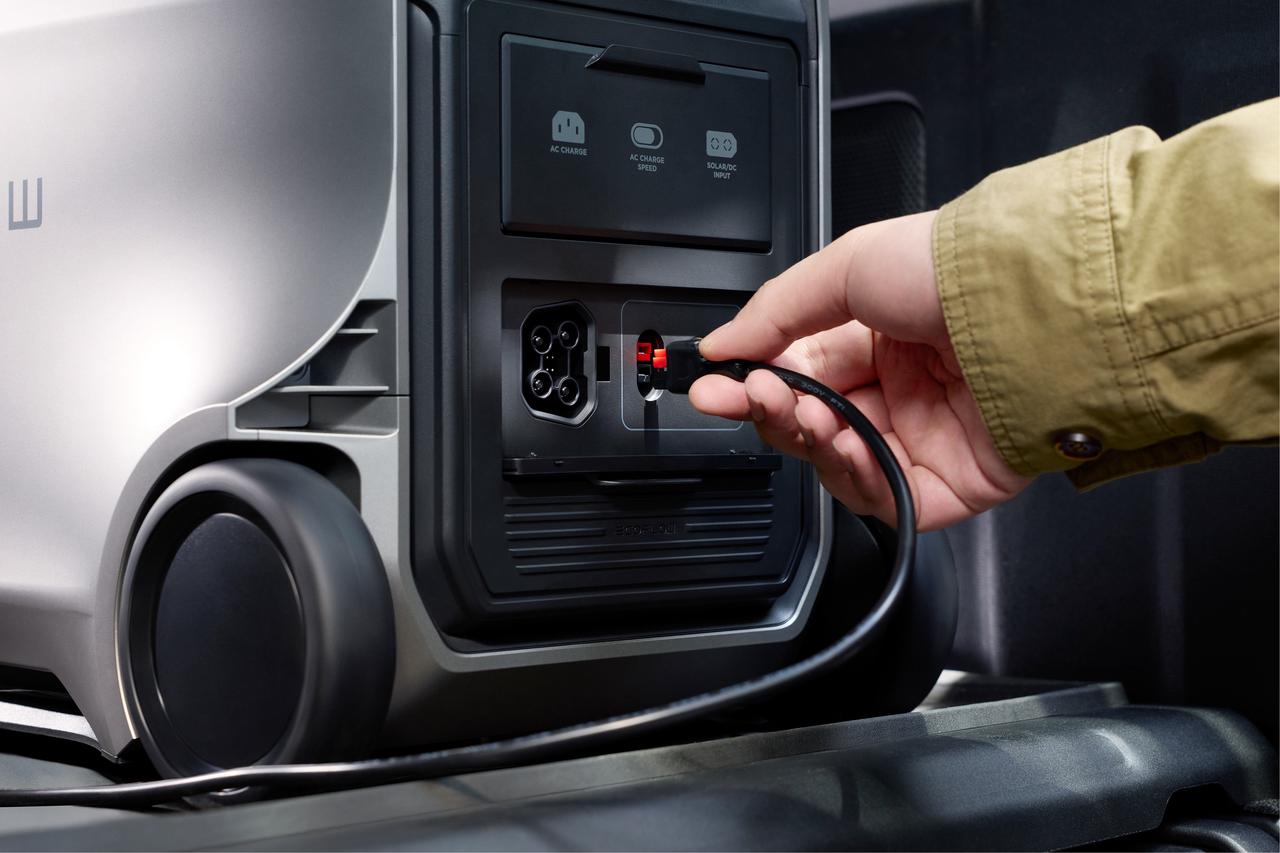
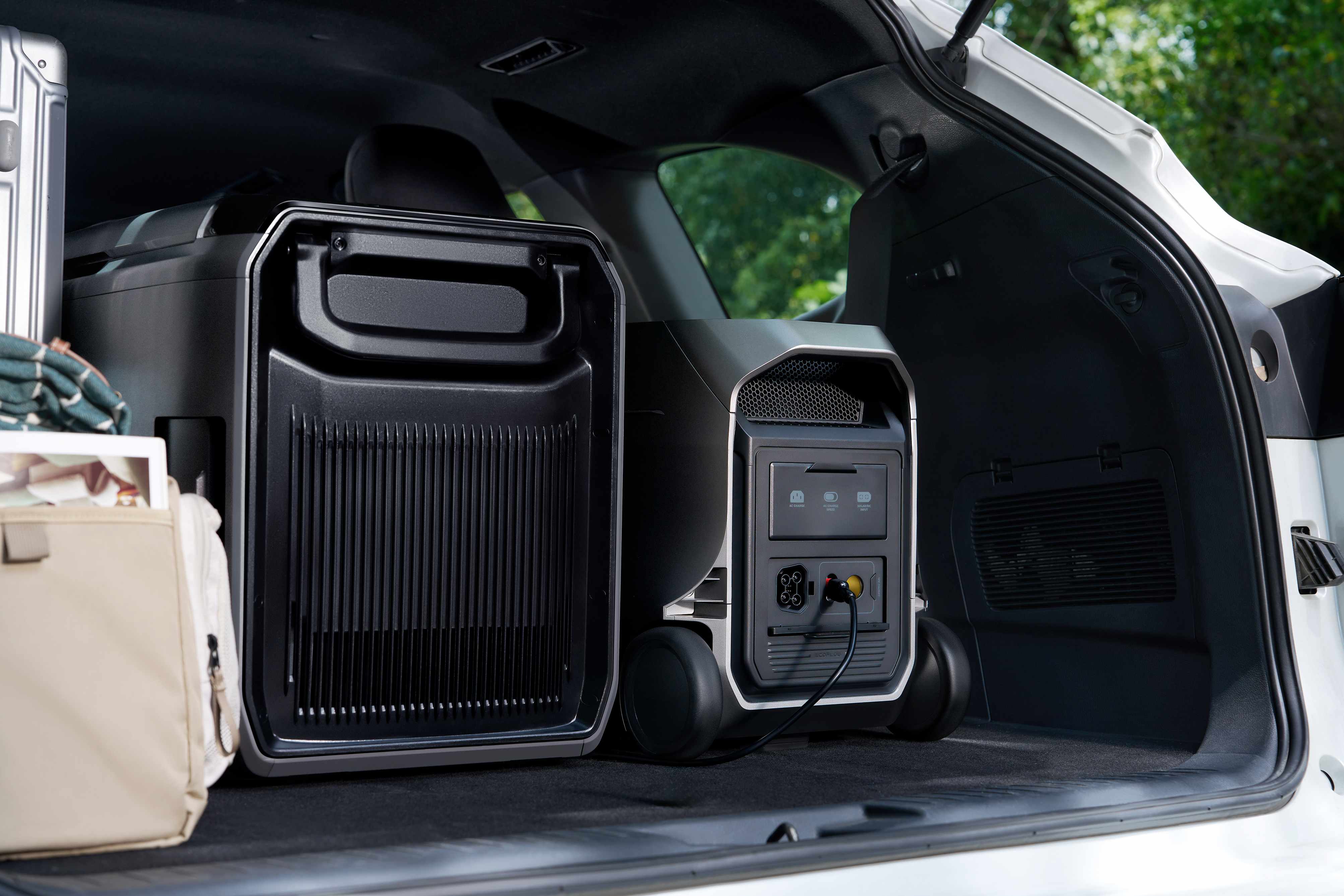
Diesel prices have leveled out, bringing some predictability to travel budgets. Conversely, heavy-duty parts and technician labor rates remain highly elevated. RVers must maintain a robust emergency fund for mechanical issues. To maintain power independence and cut down on costly campground electric fees, many travelers rely on portable power systems. The DELTA 3 Ultra (3072Wh) + 2*220W solar panel charges in 89 minutes via wall/generator, features a 3600W output, 10-year lifespan LFP cells, and quiet 25dB operation. This setup offers reliable off-grid power during maintenance delays.
Tax Scrutiny for Remote Workers
Remote W-2 employees face intense withholding scrutiny from state departments of revenue. High-tax states track where remote work is performed, meaning your legal domicile must stand up to strict legal challenges if you want to avoid multi-state tax liabilities.
The Evaluation Framework: How We Scored Every State
To find the best locations for full time RV living, we graded all fifty states using six heavily weighted operational and financial metrics.
This framework removes emotion from the equation and focuses purely on data, legal safety, and cost efficiency.
Scoring Rubric and Weight Distribution
Tax Burden (30% Weight): Evaluates state income tax, sales tax, vehicle registration fees, and annual property taxes on vehicles.
Domicile Accessibility (25% Weight): Measures time-in-state physical presence rules, the legality of mail-forwarding addresses for driver's licenses, and DMV efficiency.
Insurance Affordability (15% Weight): Analyzes average annual premiums for comprehensive full-timer insurance policies.
Campground Access & Cost (15% Weight): Examines state park availability, boondocking laws, and the average cost of seasonal sites.
Year-Round Livability (10% Weight): Factors in climate extremes, natural disaster risks, and the density of local healthcare networks.
Legal Risk (5% Weight): Looks at the aggressiveness of state residency audits and the frequency of required vehicle inspections.
Metric | Weight | Primary Focus |
|---|---|---|
Tax Burden | 30% | Income, sales, and vehicle property taxes |
Domicile Accessibility | 25% | Mail legality, physical presence rules |
Insurance Affordability | 15% | Full-timer policy premium averages |
Campground Access & Cost | 15% | Boondocking access, state park nightly fees |
Year-Round Livability | 10% | Weather extremes, healthcare networks |
Legal Risk | 5% | Audit frequency, mandatory inspections |
The Easiest States for Full-Time RV Living in 2026
Five specific states stand out as clear winners for digital nomads, offering low taxes, easy paperwork setup, and robust mail-forwarding systems.
South Dakota (Score: 94/100)
South Dakota remains the fastest and simplest domicile option in America. It imposes zero state income tax and features a low 4.2% sales tax. You can register your vehicles by mail for five years at a time without an inspection.
To gain residency, you typically only need to spend one night in the state at a hotel or campground and bring the receipt to the DMV. In many cases, the process can be completed within a day if your documents are prepared in advance. Insurance premiums are among the five cheapest in the nation. Major mail-forwarding services like Escapees, Americas Mailbox, and Dakota Post are well-established here. The primary drawback is the brutal winter weather, meaning most nomads setup residency here but travel south when the snow falls.
Texas (Score: 91/100)
Texas provides an exceptional balance of tax savings, physical infrastructure, and geographic diversity. There is no state income tax. The Escapees RV Club headquarters in Livingston offers complete domicile management, legal support, and mail forwarding.
Texas does not have a formal long-term residency waiting period for obtaining a driver's license, but you must provide valid proof of address and complete an in-person DMV visit. Insurance rates are moderate—higher than South Dakota but cheaper than coastal areas. Texas requires annual vehicle safety inspections, and you must obtain a special non-commercial license if your total rig weight exceeds 26,000 pounds. The state boasts an immense network of public and private parks, making it ideal for mild winter camping in the Hill Country or Rio Grande Valley.
Florida (Score: 88/100)
Florida is the premier choice for retired nomads who prioritize warm winters and top-tier healthcare. The state has no income tax and does not require annual vehicle inspections. Long-standing mail services like St. Brendan's Isle make voter and vehicle registration simple.
Insurance premiums are high due to hurricane risks, meaning you must shop carefully and avoid coastal county addresses. Florida offers a robust ACA healthcare marketplace with nationwide PPO options, which is rare and highly valuable for full-timers under age 65. Winter campground demand is incredibly high, requiring reservations six to twelve months in advance.
Nevada (Score: 85/100)
Nevada has grown in popularity for West Coast travelers. It features no state income tax and straightforward vehicle registration with no annual inspections. Insurance rates are generally lower than neighboring California or Arizona.
Nevada provides direct access to millions of acres of public BLM land, making it perfect for budget-friendly boondocking and RV camping. The downsides include limited mail-forwarding options compared to Texas, and extreme summer heat that forces travelers to move north.
Tennessee (Score: 82/100)
Tennessee is the top low-cost domicile option in the eastern half of the United States. It charges no state income tax on regular wages. Establishing residency is moderately difficult, requiring more proof of local ties than South Dakota.
Insurance premiums are highly affordable, and the state lacks aggressive vehicle property taxes. Its state park system is widely regarded as one of the best in the nation, offering excellent campground access near the Great Smoky Mountains.
The Hardest States for Full-Time RV Living in 2026
Certain states create major hurdles for nomads due to expensive tax rates, difficult vehicle rules, and aggressive enforcement agencies.
California (Score: 28/100)
California is the most expensive state to use as a legal home base. The top marginal income tax rate is 13.3%, and the Franchise Tax Board conducts aggressive residency audits if you depart the state but maintain local income sources.
Vehicle registration fees are based on vehicle value and run into thousands of dollars annually. Strict smog inspections are mandatory for motorized rigs and diesel trucks. Insurance rates are roughly 50% higher than the national average, and coastal campground prices range from $80 to $150 per night.
New York (Score: 31/100)
New York pairs high tax rates with strict residency definitions. Under the statutory resident rule, if you maintain a permanent physical structure in the state and spend 184 days or more there, you may be treated as a statutory resident under certain conditions.
Insurance premiums are costly, and the vast majority of state park campgrounds close entirely from November through April, leaving minimal winter options for full-timers.
New Jersey (Score: 33/100)
New Jersey combines a high 10.75% top income tax bracket with some of the highest insurance premiums in the country. Vehicle registration is expensive and time-consuming. RV campgrounds are sparse and highly restrictive near major metropolitan areas, forcing full-timers into expensive private parks in the southern portion of the state.
Massachusetts (Score: 36/100)
Massachusetts imposes a flat 5% tax on most earned income and an 8.5% tax on short-term capital gains, which makes active trading and frequent asset sales significantly more expensive for full-timers using the state as a domicile. The state requires annual safety and emissions inspections that must be performed in-person, making long-term out-of-state travel more logistically inconvenient. Winter camping options with utilities are practically non-existent.
Connecticut (Score: 38/100)
Connecticut features a high income tax structure and allows local towns to levy steep annual property taxes on your vehicles and RVs. The Department of Revenue Services actively audits high-income residents who try to change their domicile, and the limited supply of local campgrounds drives up nightly site costs.
The Overlooked Middle Ground States
Several states do not fit cleanly into the easiest or hardest categories but offer specific benefits depending on your travel style.
Arizona: Offers affordable registration and low overall taxes, but extreme summer heat makes year-round living difficult. It remains a fantastic winter base.
Montana: Famous for having no sales tax. However, the practice of registering vehicles through Montana LLCs to reduce or avoid sales tax exposure in other states has faced increased regulatory scrutiny in recent years, as several states have stepped up enforcement efforts targeting non-resident vehicle registration strategies.
Washington: Features no state income tax, but offsets this with high sales taxes and expensive vehicle registration fees. It is ideal for Pacific Northwest travelers who do not mind wet winters.
Wyoming: Offers a zero-income-tax environment similar to South Dakota, but lacks the established, specialized mail-forwarding businesses needed to manage your legal mail smoothly.
How to Actually Change Your Domicile: A 10-Step Checklist
Transitioning your legal residency requires an orderly progression of steps to ensure your new status is recognized by banks, insurance providers, and tax agencies.
Follow this sequence to ensure a legal move:
Analyze and Select Your State: Use the rubric above to pick the state that fits your income level and geographic preferences.
Contract a Mail Service: Sign up with a certified mail-forwarding provider that yields a physical street address, not a standard P.O. Box.
Establish Physical Presence: Visit the state in person. Collect receipts from local campgrounds or lodging to prove your visit.
Open Local Accounts: Move your banking relationships to a branch location within your new domicile state.
Obtain a New Driver's License: Schedule an appointment at the local DMV, bringing your mail contract, physical receipts, and identity documents.
Register Your Vehicles: Transfer your RV and tow vehicle titles to the new state and pay the required registration fees.
Update Your Voter Registration: Register to vote using your new legal address during your DMV visit or online.
Revise Insurance Policies: Convert your auto and RV insurance to full-timer policies pinned to your new address.
File a Declaration of Domicile: If your new state offers this official form (such as Florida), fill it out and file it with the county clerk.
Build a Paper Trail: Keep digital copies of all local receipts, utility connection forms, and contracts to document your change of intent.
Legal Pitfalls and Residency Audit Risks
Many travelers hold incorrect assumptions about domicile rules, which can lead to expensive legal mistakes during state tax audits.
The 183-Day Misconception
Many RVers believe that spending fewer than 183 days in a high-tax state automatically protects them from being taxed there. This is false. If you retain a home, apartment, or primary business location in a state like California or New York, those states can claim you never truly abandoned your domicile, taxing your entire global income regardless of where your RV is parked.
Critical Documentation to Retain
If an audit occurs, the burden of proof rests entirely on you. You must maintain a detailed log of your travels. Save every campground receipt, fuel transaction, and credit card statement to prove you were physically located outside of your old state.
Common Audit Triggers
Auditors look for specific red flags when checking nomad residency claims. Leaving a high-value piece of real estate empty in your old state, maintaining a local business license there, or keeping your children enrolled in local schools will quickly invalidate your new out-of-state domicile claim.
Match Your Travel Profile to the Right State
Every nomad has unique financial circumstances. Review this guide to find the specific state that fits your current life stage and income source.
Nomadic Traveler Profile | Recommended State | Core Advantage |
|---|---|---|
High Remote Income | South Dakota / TX | Maximizes income tax savings |
Retiree on Medicare | Florida / Texas | Large medical networks & warm winters |
Western Boondocker | Nevada / South DK | Proximity to BLM public lands |
Traveling Families | Texas / Florida | Flexible homeschooling laws |
Budget Beginner | South Dakota | Lowest setup fees & zero income tax |
Finalizing Your Domicile Strategy
Choosing your domicile state is a foundational pillar of your legal and financial security. State revenue departments are actively tracking nomads, meaning a random choice can destroy your travel budget through back taxes and insurance hikes. Use this framework to pick a state that protects your income and matches your routes.
To maintain your independence on the road, pair your legal strategy with reliable off-grid power. The EcoFlow DELTA 3 Ultra + 2*220W solar panel setup offers 3600W of quiet power and rapid 89-minute charging to keep your mobile life running smoothly anywhere.
FAQs
Q1: Can I keep my old driver's license after establishing a new domicile?
No. Your driver's license must match your legal domicile state. Keeping an old license while claiming a new home base is considered a major audit red flag and can cause your insurance company to deny coverage if you file an accident claim.
Q2: How long does the in-person domicile change take?
South Dakota can be wrapped up in forty-eight hours if you have your documents organized. Texas and Florida generally require two to five days to complete local DMV visits, banking changes, and voter registration paperwork.
Q3: Will my health insurance cover me across the country?
It depends on your specific insurance provider. Standard PPO plans generally provide nationwide coverage networks, while HMO plans limit coverage to your immediate domicile region except for emergency room visits. Florida and Texas offer the strongest ACA marketplace PPO plans for early retirees.
Q4: What should I do if my previous state initiates a tax audit?
You must present a clear, comprehensive paper trail showing your clear intent to move. Provide your new driver's license, voter registration, vehicle titles, mail-forwarding logs, and campground receipts to prove you have legally shifted your life to your new state.
Additional Disclaimer:
All examples, state comparisons, and cost estimates presented in this article are for illustrative purposes only and may not reflect current laws, regulations, or enforcement practices. This content is not intended to create any advisory relationship between the reader and the author or publisher.
Readers are encouraged to verify all information with official state agencies (such as Departments of Revenue, DMVs, or federal tax authorities) and seek professional advice before making residency or financial decisions.
For press requests or interview opportunities, reach out to our media team
media.na@ecoflow.com