What Is the Difference Between Nonrenewable and Renewable Energy Resources?
- What Are Nonrenewable Resources?
- What Are Renewable Resources?
- Key Differences Between Nonrenewable and Renewable Energy Resources
- Renewable Energy Options for Home Use
- Challenges of Using Renewable Energy in Daily Life
- How Energy Storage Makes Renewable Power More Practical
- The Future of Renewable Vs Nonrenewable Energy
- Conclusion
- FAQ
In today’s world, energy quietly powers nearly every part of American life, from high-rise offices in New York City to family homes and farms across the Midwest. As climate concerns grow and utility costs continue to rise, where that energy comes from has become a much bigger conversation than it was even a decade ago. Understanding the difference between nonrenewable and renewable energy resources is no longer just a topic for scientists or policymakers; it’s increasingly important for homeowners who want more control over costs, reliability, and long-term independence. This article breaks down both energy types, compares their advantages and drawbacks, and explains how modern energy storage is helping American households move toward a more resilient and sustainable future.
What Are Nonrenewable Resources?
To understand today’s energy transition, it helps to start with the traditional sources that powered the industrial boom of the last century. Nonrenewable resources are energy sources that exist in limited supply and take millions of years to form deep within the Earth. Once they’re extracted and used, they can’t be replenished on any meaningful human timeline, which is why long-term reliance on them raises both economic and environmental concerns.
Types of Nonrenewable Energy Resources
The most common nonrenewable energy sources are fossil fuels, along with nuclear power. These resources have long been the backbone of the U.S. energy system:
Coal: Historically, a major source of electricity generation across many states, especially in older power plants.
Natural Gas: Widely used for heating homes, cooking, and generating electricity, particularly in suburban and urban areas.
Oil (Petroleum): The primary fuel for transportation and a key ingredient in plastics, chemicals, and countless everyday products.
Nuclear Energy: Produces large amounts of electricity with low direct carbon emissions, but depends on uranium, a mined and finite material.
Pros and Cons of Nonrenewable Energy
The biggest advantage of nonrenewable energy is reliability. Coal, gas, and nuclear power plants can operate around the clock, providing consistent electricity regardless of weather or time of day. They also benefit from a massive, well-established infrastructure that already reaches nearly every American home. That reliability comes at a cost. Nonrenewable energy sources are the leading contributors to greenhouse gas emissions and air pollution, and their extraction can damage land and water systems. Prices are also highly volatile, often influenced by global conflicts, supply disruptions, and market speculation. For many households, this means utility bills and fuel costs can rise suddenly with little warning, making long-term budgeting harder to predict.
What Are Renewable Resources?
In contrast to fossil fuels, renewable resources are energy sources that naturally replenish themselves on a human timescale. They draw power from ongoing natural processes, such as sunlight, wind, and moving water, making them far more sustainable for long-term use. Because these resources regenerate continuously, they offer a cleaner path forward for meeting growing energy demands without permanently depleting the planet’s natural reserves.
Types of Renewable Energy Resources
Nature provides several reliable sources of renewable energy:
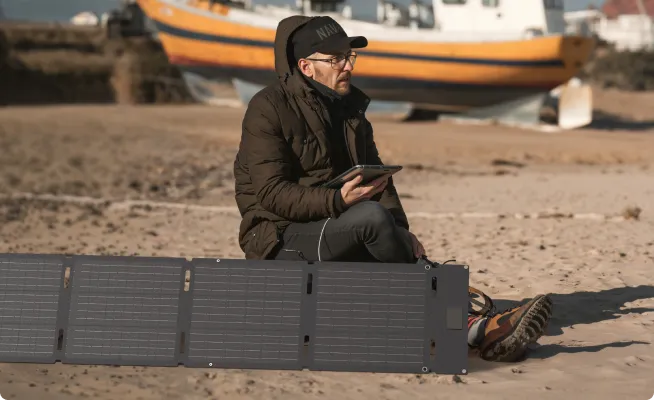
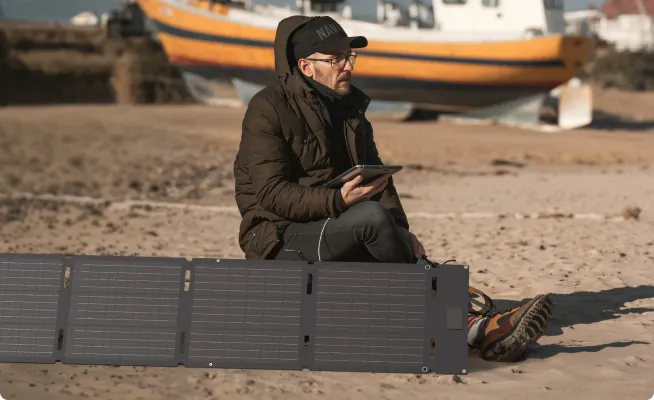
Solar Power: Uses sunlight to generate electricity through solar panels.
Wind Power: Converts wind into power using turbines.
Hydropower: Generates electricity from moving water, often through dams.
Geothermal: Draws energy from heat beneath the Earth’s surface.
Biomass: Produces energy from organic materials and waste.
Pros and Cons of Renewable Energy
The biggest advantage of renewable energy is sustainability; the sun, wind, and water are not going anywhere. These sources significantly reduce carbon emissions and, once systems are installed, rely on free natural fuel. The main drawbacks are intermittency, such as limited solar production at night, and higher upfront installation costs compared to staying fully connected to the traditional power grid. However, when considering long-term savings and environmental health, many experts agree that more households should use renewable energy to offset these traditional grid vulnerabilities.
Key Differences Between Nonrenewable and Renewable Energy Resources
Before getting into the details, it helps to step back and compare how nonrenewable and renewable energy resources differ at a practical level, especially from a U.S. homeowner’s point of view. The contrast goes beyond environmental impact and directly affects long-term costs, reliability, and household energy independence.
Nonrenewable vs. Renewable Energy: Side-by-Side Comparison
| Factor | Nonrenewable Energy | Renewable Energy |
|---|---|---|
| Availability | Availability Finite resources that will eventually run out | Naturally replenished and effectively unlimited |
| Environmental Impact | High CO₂ emissions and pollution | Zero or near-zero operational emissions |
| Reliability | Constant, weather-independent baseload power | Constant, weather-independent baseload power Variable, dependent on weather and time |
| Cost Over Time | Lower upfront, higher long-term, and hidden costs | Higher upfront, lower long-term operating costs |
| Home Use Potential | Mostly grid-dependent | Can be produced, stored, and used at home |
While this overview captures the fundamentals, each factor plays out differently depending on regional energy prices, climate conditions, and access to energy storage, particularly for residential users across the United States.
1. Resource Availability and Sustainability
Nonrenewable energy relies on limited resources formed over millions of years, meaning every unit consumed permanently reduces supply. Renewable energy, by contrast, draws from ongoing natural processes, allowing households to use power without exhausting future resources.
2. Environmental Impact and Emissions
Coal, oil, and natural gas release carbon dioxide and harmful pollutants when burned. Solar and wind systems generate electricity without operational emissions, helping reduce urban heat buildup and protect natural landscapes across the country.
3. Energy Reliability and Consistency
Nonrenewable sources excel at delivering steady baseload power, which has long supported industrial and residential demand. Renewable energy is more variable; for example, a wind farm in Texas may produce heavily one day and very little the next, depending on weather conditions.
4. Cost Structure and Long-Term Economics
Fossil fuels often appear affordable upfront, but long-term costs include environmental damage, health impacts, and price volatility. Renewable energy requires a higher initial investment but provides predictable energy costs, shielding homeowners from fuel price spikes at the pump or on monthly utility bills.
5. Infrastructure and Accessibility
The U.S. power grid was originally designed for centralized fossil fuel plants, but it is steadily evolving toward decentralized renewable systems. This transition allows homeowners to generate and manage their own electricity, reducing reliance on large utilities. From everyday household use to large-scale industry, renewable energy continues to gain preference because of its environmental and economic advantages.
Which Renewable Energy Sources Are Available for Home Use?
Once you understand the benefits, the next step is to look at how you can power your home with renewable energy. For most American homeowners, solar panels and small-scale wind systems are the most practical options. Still, generating power is only part of the equation; the real challenge lies in using that energy efficiently when it’s needed most.
Renewable Energy Options for Home Use
Switching your home to renewable energy can feel empowering, especially as more American households look for ways to cut utility costs and gain control over their power supply. That said, success depends on choosing solutions that fit your location, daily habits, and long-term energy needs, not just installing panels and hoping for the best.
1. Solar Energy for Residential Use
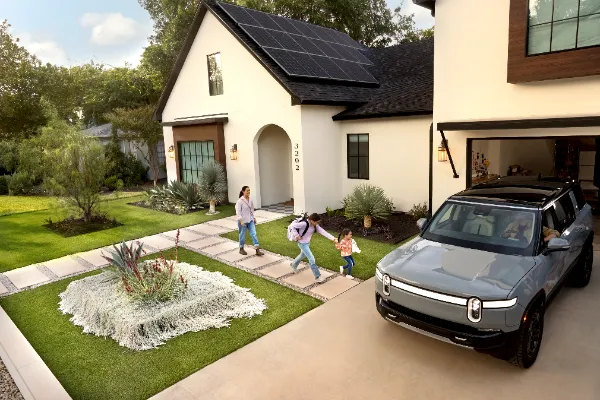
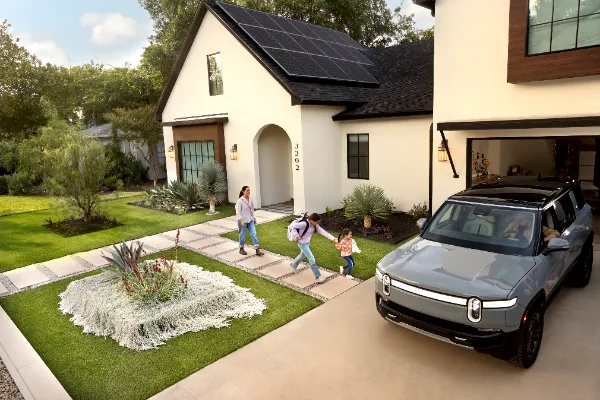
Solar panels are the most common entry point into renewable energy for homeowners across the U.S. You’ll see them everywhere, from sun-soaked suburbs in Arizona to suburban neighborhoods in Massachusetts. In states with net metering or time-of-use pricing, solar power can significantly reduce monthly electric bills. Once installed, panels operate quietly, require minimal upkeep, and provide dependable daytime power for everyday household needs.
2. Small-Scale Wind Power Systems
For homeowners in rural or open areas with steady wind, small wind turbines can be a useful complement to solar panels. They tend to perform best during winter months or overnight, when solar output is lower. While not practical for dense urban neighborhoods, wind systems can add valuable energy diversity for properties with enough space and consistent airflow.
3. Home Battery Storage and Energy Management
From a practical home energy standpoint, relying on solar panels or wind turbines alone usually falls short for everyday living. The main issue is timing: solar generation peaks around midday, while most households use the most power in the evening when lights, cooking appliances, heating, or air conditioning are running. On top of that, grid outages and rising time-of-use electricity rates can quickly reduce the value of renewable power if it isn’t stored and managed properly.
To create real stability, a home needs an energy management system that captures excess power during the day and delivers it when demand is highest or during unexpected outages. This is where the EcoFlow DELTA Pro Portable Power Station home energy solution fits naturally into the picture. As a central part of a home storage setup, the DELTA Pro stores solar energy for later use, providing dependable backup power for lighting, essential appliances, and electronics. With multiple charging options and app-based monitoring, it allows homeowners to track usage, adjust settings, and make smarter energy decisions, helping turn renewable energy into a reliable, everyday power source rather than a daytime-only benefit.
4. Hybrid and Off-Grid Solutions
For those aiming to go further, whether living off-grid or preparing for extended outages, a hybrid approach offers added security. The EcoFlow DELTA Pro Ultra X Whole-Home Backup Power provides high capacity, whole-home backup when paired with solar panels. Designed to handle large household loads, it keeps essential systems running during prolonged disruptions. Its intelligent energy management helps balance usage and storage, making it a practical option for families who want reliable power regardless of grid conditions.
Challenges of Using Renewable Energy in Daily Life
While moving toward green energy is an exciting and worthwhile goal for many American households, reaching a truly renewable lifestyle comes with real-world challenges. From technical limitations to financial barriers, these hurdles can affect how practical renewable energy feels in everyday use.
1. Intermittency and Weather Dependence
Renewable energy depends heavily on natural conditions. Unlike coal or natural gas plants that deliver steady power around the clock, solar panels and wind turbines fluctuate with the weather. In areas like the Pacific Northwest or the Northeast, several cloudy days or a period of low wind can sharply reduce energy output, making homes vulnerable without a reliable backup system.
2. Energy Storage Limitations
Energy storage is still one of the biggest obstacles. Older lead-acid batteries are bulky and require frequent maintenance, while some lithium-ion options have limits related to lifespan, cost, or performance in extreme temperatures. For many homeowners, finding enough space and budget for a battery system that can power a home through multi-day outages remains a difficult tradeoff.
3. Grid Access and Reliability Issues
The U.S. power grid was originally designed for electricity to flow one way, from large power plants to consumers. As more homeowners in states like California, Texas, and across the country install rooftop solar, the grid is under pressure to handle two-way energy flow. This strain can lead utilities to restrict how much excess energy homeowners can send back, affecting savings and long-term returns.
4. Limited Availability During Emergencies
A common surprise for many Americans is that standard grid-tied solar systems shut down during blackouts. This safety feature prevents electricity from flowing back into damaged lines, protecting utility workers. Without a battery system that can safely isolate the home, solar panels may be useless during emergencies such as winter freezes, hurricanes, or summer heatwaves, exactly when power is most critical.
5. High Initial Setup Costs
Although renewable energy can save money over time, the upfront cost is still a major hurdle. Solar panels, inverters, batteries, and professional installation can easily reach five figures. Even with federal tax credits and state incentives, that initial investment can feel out of reach, making full energy independence seem like a long-term goal rather than an immediate option for many families.
How Energy Storage Makes Renewable Power More Practical
Energy storage is often described as the missing piece that turns renewable energy from an occasional benefit into something you can rely on every day. Without storage, clean power is tied to weather and daylight. With it, renewable energy becomes predictable, flexible, and useful around the clock.
1. The Role of Energy Storage in Everyday Renewable Power Use
Home batteries act as a buffer between when energy is generated and when it’s actually needed. Instead of wasting excess solar power produced during the day, storage systems hold onto it so you can use that energy later. In practical terms, this means yesterday’s sunshine can still power your coffee maker, lights, or Wi-Fi router the next morning.
2. How Batteries Store and Release Renewable Energy
Modern lithium-ion and LFP batteries store electricity generated by solar panels or wind systems in direct current (DC) form. When your home needs power, the battery converts that stored energy into alternating current (AC), which is what standard household appliances use. Systems found in solutions like EcoFlow products are designed to manage this process efficiently, safely, and with minimal energy loss.
3. Bridging the Gap Between Power Generation and Daily Use
One of the biggest challenges with renewables is timing. Solar panels generate the most electricity around midday, while most households use the most power in the evening. Energy storage closes this gap by shifting power from low-use hours to peak-use times, ensuring lights, air conditioning, and electronics stay powered when everyone is home.
4. From Grid-Scale Storage to Personal Energy Solutions
While utilities are investing in massive battery farms to stabilize the grid, homeowners now have access to personal energy storage systems that offer similar benefits on a smaller scale. Portable power stations and home batteries allow families to protect themselves from outages, reduce dependence on the grid, and gain greater control over their energy costs and reliability.
The Future of Renewable Vs Nonrenewable Energy
The future of energy in the United States is clearly moving toward a more decentralized system, where renewable power plays a central role, and households are no longer fully dependent on large, fossil fuel-based grids. As nonrenewable resources become harder and more expensive to extract and regulate, renewable technologies like solar, wind, and battery storage continue to drop in cost while improving in efficiency. This shift is creating a new kind of energy user, the “prosumer”, who both consumes and produces electricity, gaining greater control over energy costs, reliability, and long-term sustainability in everyday American life.
Conclusion
Understanding the difference between nonrenewable and renewable energy is an important starting point for anyone thinking about long-term stability, affordability, and resilience at home. Fossil fuels helped build the modern world, but their limits and environmental costs are becoming harder to ignore. Renewable resources, supported by smarter energy storage solutions like the EcoFlow DELTA Pro series, offer a more flexible path forward. Making this shift isn’t only about lowering monthly electric bills; it’s about gaining greater control over how your home is powered, protecting against outages, and preparing for a future where clean, reliable energy plays a bigger role in everyday American life.
FAQ
1. What Is Clean Energy?
Clean energy refers to power sources that generate electricity without releasing greenhouse gases, toxic pollutants, or harmful particulates into the air. Although the terms clean energy and renewable energy are often used as if they mean the same thing, there is an important distinction. All clean energy sources are renewable, but not every renewable source is truly clean. Solar and wind power are both clean and renewable because they generate electricity without combustion. Biomass, on the other hand, is renewable since organic material can regrow, but it is not fully clean because burning it still releases carbon dioxide and air pollutants.
2. What Are the Five Main Renewable Energy Resources?
Most of the global shift toward renewable energy is built around five core sources that are already widely deployed. Each source plays a different role depending on geography, infrastructure, and local energy needs.
Solar: Sunlight converted into electricity using solar panels or solar thermal systems.
Wind: Energy captured from moving air that spins turbines connected to generators.
Hydropower: Flowing or falling water used to turn turbines, commonly through dams or river systems.
Geothermal: Heat drawn from beneath the Earth’s surface and converted into usable power.
Biomass: Organic material from plants or animals that can be burned for heat or processed into biofuels.
3. What is the 33% Rule in Solar Panels?
The “33% Rule” is a practical rule of thumb that helps homeowners understand how solar energy is typically used in a residential setup. The breakdown helps homeowners evaluate whether adding battery storage could allow them to retain more of their solar energy for use after sunset, when household demand typically increases.
One-third is used immediately: Power runs daytime household needs like refrigerators, air conditioning, lighting, and home office equipment while the sun is out.
One-third is stored or exported: Excess energy is either sent back to the grid for bill credits or stored in a home battery for evening or nighttime use.
One-third is lost or unused: Energy is reduced through inverter conversion losses, shading, or surplus production that the home or battery system can’t capture.
4. Which Is the Cheapest Renewable Energy?
On a large, utility scale, onshore wind and solar photovoltaic power are currently the cheapest forms of new electricity generation in the United States, according to Lazard’s Levelized Cost of Energy and data from the U.S. Energy Information Administration. In many regions, it now costs less to build a new solar farm than to continue operating an aging coal plant, which marks a major shift in how power is priced nationwide. For homeowners, solar remains the most cost-effective renewable option over the long term, especially when federal and state tax incentives are applied. These incentives can lower the total installation cost by 30 percent or more, making residential solar increasingly accessible and financially practical for everyday households.
5. What Is the Least Harmful Renewable Energy Source?
Solar and wind energy are generally viewed as the least harmful renewable energy sources when their full environmental impact is considered. Unlike hydropower, which can alter river flows and interfere with fish migration, or biomass, which releases emissions when organic material is burned, solar panels and wind turbines operate without producing pollution once installed. They generate electricity without releasing greenhouse gases and do not require water for cooling, which is especially important in drought-prone regions of the United States. Although manufacturing panels and turbines does involve mining and industrial processes, their overall lifecycle emissions are still far lower than those associated with coal, oil, or natural gas, making them among the cleanest energy options available today.
For press requests or interview opportunities, reach out to our media team
media.na@ecoflow.com