New Jersey Solar Incentives 2026: Complete Guide to NJ Rebates, Net Metering & SREC
- New Jersey Solar Incentives in 2026: What’s Available and What Changed?
- SuSI and SREC-II in New Jersey: How the 15-Year Payments Work
- New Jersey Net Metering: How Bill Credits Work with Your Utility
- Tax Breaks That Lower Your Real Cost: NJ Sales Tax and Property Tax Exemptions
- How to Choose the Best Path to Solar Savings in NJ
- Frequently Asked Questions
- Turn NJ Incentives into Lower Bills and More Reliable Home Power
The federal solar incentive landscape has changed all across the United States, but there are still plenty available at the state level. In fact, New Jersey has excellent incentives that make it easy for residents to access solar power.
After collecting all those SREC-II/SuSI cash payouts, tax breaks, and excellent net metering rates, NJ homeowners can achieve solar payback and start generating free energy in just a few years.
New Jersey Solar Incentives in 2026: What’s Available and What Changed?
While the federal 30% clean energy tax credit ended with the One Big Beautiful Bill, most state solar incentives remain unchanged, and New Jersey residents have some great options.
Through the SuSI program, homeowners can earn 15-year production-based payouts. The state also offers sales tax and property tax exemptions to save money upfront and for years to come. Then, all NJ solar users are eligible for excellent 1:1 net metering at the full retail rate.
SuSI and SREC-II in New Jersey: How the 15-Year Payments Work
The Successor Solar Incentive (SuSI) program is New Jersey’s ongoing solar program encouraging homeowners to make the switch by offering a fixed rate for every megawatt-hour (MWh) of clean energy generated. As a production-based incentive, it doesn’t depend on how much you consume or export.
Residential systems are typically locked in at rates of $85/MWh for a 15-year term. Payments are issued as Solar Renewable Energy Certificates, or SREC-II, after the second iteration of the program. This translates into hundreds of dollars annually, or roughly $9,600 for the 15-year term, depending on the size of your system. This is almost as good as getting free solar from the government, especially when stacked with other incentives.
New Jersey Net Metering: How Bill Credits Work with Your Utility
NJ solar owners also enjoy excellent 1:1 net metering, offering full retail credit. When your system generates more energy than you use, the excess is exported to the grid for others to use. In return, your utility provider gives you a credit on your bill at the full retail rate for every kWh you export.
If you generate more energy than you use, credits are rolled over and credited against future charges. According to New Jersey’s Clean Energy Program, at the end of the year, any unused credits are paid out at the wholesale rate.
An important detail about grid-tied systems that homeowners sometimes overlook is that they assume, because they generate energy, they have backup power. However, grid-tied arrays shut down automatically during blackouts to protect engineers repairing the grid.
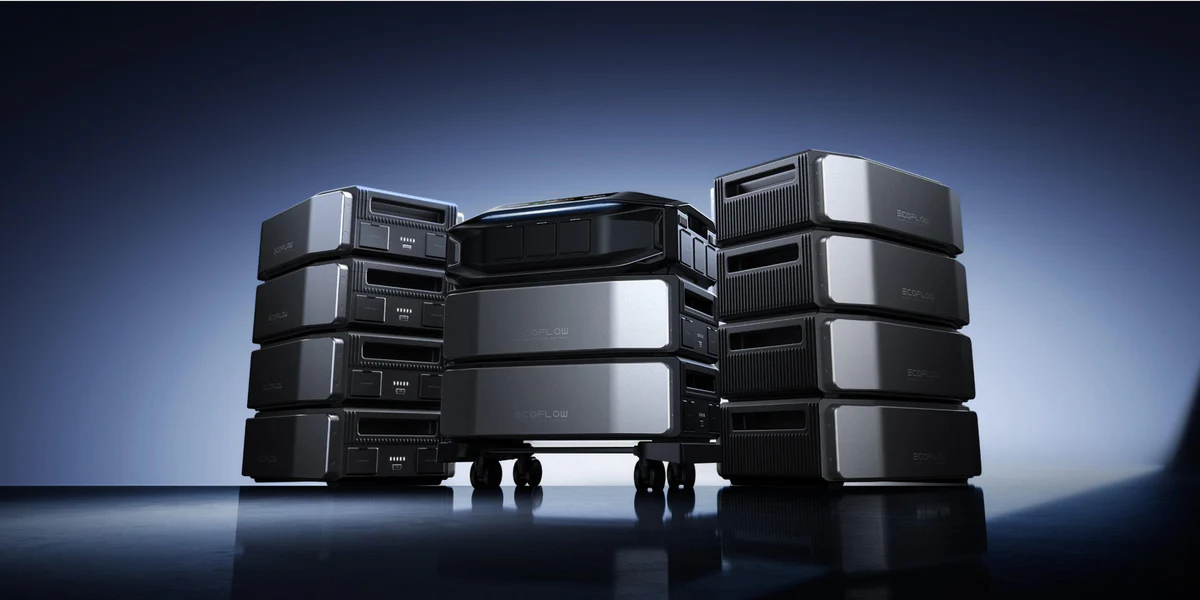
But when you pair your panels with a home battery like the EcoFlow DELTA Pro Ultra X, you can keep the lights on when the grid goes dark, and still benefit from your net metering credits the rest of the time.
Tax Breaks That Lower Your Real Cost: NJ Sales Tax and Property Tax Exemptions
New Jersey has additional state solar incentives for residents.
NJ offers a 100% sales tax exemption, saving 6.625% instantly on all solar equipment and installation components.
Then, residents also receive a full property tax exemption. This means that even though installing a solar array boosts your home’s value by about 4% or more, local tax assessors are legally prohibited from increasing your tax assessment because of it.
How to Choose the Best Path to Solar Savings in NJ
The best path to solar savings involves purchasing your system outright or securing a solar loan, as these options mean you’re eligible for sales and property tax exemptions, plus SREC-II payments and 1:1 net metering options.
If you use a solar lease or PPA, the system owner (not the homeowner) receives the incentives, and you still pay a monthly fee. This is why owning your equipment always saves the most. And with all these valuable incentives, your solar payback (ROI) period is much shorter.
Finally, even with the great incentives, installing a battery-operated whole home backup power solution can give you energy independence even when the grid goes down. With solar power and a home battery, you control your home energy so you don’t have to worry about rate hikes or outages.

Frequently Asked Questions
Is There a Federal Solar Tax Credit in 2026 for New Jersey Homeowners?
No, the residential federal solar tax credit ended for all states, including New Jersey, on December 31, 2025. However, commercial leasing and Power Purchase Agreement (PPA) companies still receive incentives and may pass savings to their customers.
How do SREC-II Payments Affect My Taxes in New Jersey?
SREC-II (SuSI) payments may be taxable depending on your individual circumstances. We recommend consulting a certified tax professional about how SREC-II payments may affect your specific tax situation.
Do I Still Get Net Metering Credits If I Add a Home Battery?
Yes, you’re still eligible for net metering credits if you add a home battery. Excess energy first charges your battery, and then any remaining is exported to the grid, where you receive credit based on your net metering agreement.
Can Renters in New Jersey Benefit from Solar Incentives?
Unfortunately, most solar incentives apply only to those who own the system, not to renters using it. However, renters can use portable panels and benefit from lower monthly bills, and sometimes they can benefit from community solar programs if they’re available in the area.
Turn NJ Incentives into Lower Bills and More Reliable Home Power
When you take advantage of NJ incentives, like sales and property tax exemptions, 1:1 net metering, and those bonus SREC-II payments, you can lower your monthly electrical bills and your carbon footprint.
But to ensure greater energy independence, consider installing a home battery like the EcoFlow DELTA Pro Ultra X. Then you can keep your lights on when the grid goes dark, even through extended blackouts since you keep recharging every day!
For press requests or interview opportunities, reach out to our media team
media.na@ecoflow.com