How Much Is a Mini Split System in 2026? Average Costs & Installation
- How Much Does a Mini Split System Cost in 2026?
- How Do Single-Zone vs Multi-Zone Systems Compare in Price?
- What Factors Affect Mini Split Costs?
- How Does System Size and BTU Capacity Impact Cost?
- Can You Save Money with DIY Installation?
- Are Mini Split Systems Worth the Cost?
- Frequently Asked Questions
- Save Money, Improve Comfort, Increase Energy Resilience
Mini splits are ductless heating and cooling systems that have become a popular HVAC option in 2026. They offer energy efficiency, flexible installation, and are eligible for federal tax credits. Before you commit to a mini split system, you’ll need to know the costs. This guide breaks down average equipment costs, installation fees, and factors that influence your investment.
How Much Does a Mini Split System Cost in 2026?
The cost of a mini split system in 2026 ranges from $500 to $14,000 on the equipment alone, depending on the brand, capacity, and number of zones.
Entry-level single-zone units range from $500 to $1,500.
High-end units range from $1,600 to $4,000 per zone.
How Much Does Installation Add to the Total Cost?
Installation costs for a mini split system typically range from $500 to $4,000 per zone, depending on the region, permits required, electrical work needed, and installation complexity.
A straightforward, single-zone installation can add as little as $500 to the total cost, but complex jobs involving electrical panel upgrades, attic access, or long line sets can add thousands.
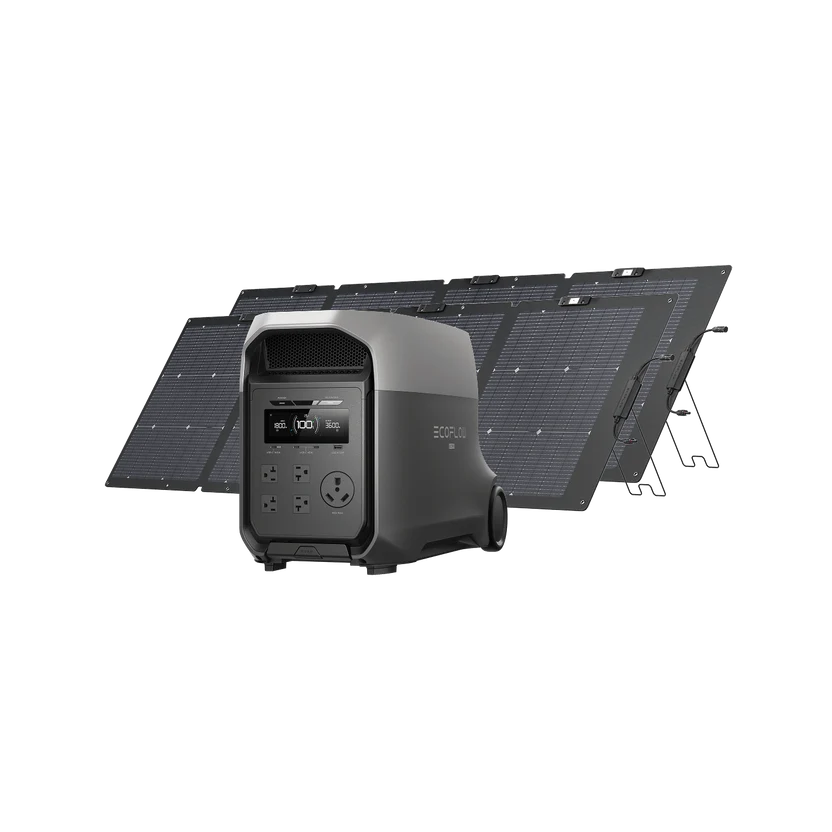
Pairing your mini split with the EcoFlow DELTA 3 Ultra Solar Generator + 2×220W Solar Panel bundle can offset running costs further. Its 3,600W output is sufficient to run most residential mini split units, reducing your dependence on grid electricity.
How Do Single-Zone vs Multi-Zone Systems Compare in Price?
Single-zone mini split systems are the most affordable option. You get one outdoor condenser unit and one indoor air handler, ideal for single-room additions, garages, or home offices. The total cost of this option ranges anywhere from $1,000 to $5,000.
Multi-zone systems use 1 outdoor condenser unit and 2–8 indoor air handlers. The total cost of these systems ranges from $5,000 to $15,000, depending on the number of zones. While the upfront cost is higher, it’s more cost-effective to install a multi-zone system rather than multiple single-zone systems.
What Factors Affect Mini Split Costs?
Several factors affect mini split costs. The system itself is influenced by brand, efficiency rating, and capacity of the units. Premium brands are more expensive but tend to offer stronger warranties, quieter operation, and greater reliability.
The efficiency of mini split systems is determined by their SEER2 rating. The higher the SEER2 rating, the greater the cost; however, a higher SEER2 rating also means greater efficiency, which means greater savings in the long run. Similarly, the greater the capacity of the outdoor condenser, the greater the cost.
Mini split costs are also influenced by the number of zones and the complexity of installation. Each additional indoor unit requires more equipment, refrigerant line sets, and labor hours. Long line set runs, mounting placement, wall material, and wall penetrations all impact the complexity of the installation and can raise the price.
Labor rates also vary by region. You should get a quote from at least 3 licensed HVAC contractors for a general idea of how much a mini split unit will cost.
How Does System Size and BTU Capacity Impact Cost?
Mini split sizes are measured in British Thermal Units (BTUs), ranging from 6,000 BTU to 36,000 BTU. The greater the capacity, the greater the cost.
A 6,000 BTU unit ranges from $500 to $1,500, while a 36,000 BTU unit ranges from $2,000 to $5,000.
Mini split systems typically require 20 to 25 BTUs per square foot of space, though poorly insulated rooms may require more. Oversizing the unit wastes money and reduces efficiency due to short-cycling, while undersizing can leave you uncomfortable on peak weather days.
A load calculation performed by an HVAC professional will ensure you buy exactly what you need — nothing more, nothing less. The same BTU rating that determines cost also determines what size generator your AC needs to keep running during a power outage.
Can You Save Money with DIY Installation?
As with most projects, do-it-yourself installations can save you money. However, DIY mini split installations pose several risks, from unsafe electrical work to improper line set routing. Incorrect installation can cause refrigerant leaks, create safety hazards, and void warranties.
Nonetheless, DIY-friendly mini split kits make installation more accessible and can save $500 to $2,000 in labor costs.
Local codes may require licensed HVAC or electrical work, so consult your local government before starting. DIY installation is especially ill-advised for multi-zone systems due to longer line sets, possible panel upgrades, and other complex factors.
Are Mini Split Systems Worth the Cost?
For most homeowners, mini split systems are worth every penny. They are more energy-efficient than window A/C units and even traditional HVAC systems since they don’t lose efficiency to leaky ducts. They deliver quiet cooling and heating with independent control over each zone.
Mini split systems are especially useful when no ductwork is available, or you only need to target specific rooms.
The biggest downside is their cost. They have a higher initial cost compared to central air systems, though the greater efficiency can save a great amount of money on energy bills, especially when paired with solar energy. Plus, homeowners may qualify for federal tax credits and rebates, further offsetting the cost.
Frequently Asked Questions
What Size Mini Split Do I Need for My Room?
A good rule of thumb is 20 to 25 BTUs per sq. ft. of space. A small 300 to 400 square foot room ordinarily needs a 6,000 to 9,000 BTU unit, while a 600 square foot area may need a 12,000 to 15,000 BTU unit.
How Much Can I Save With a Higher Seer2 Rating?
Upgrading from a 15 SEER2 unit to a 20 SEER2 unit can reduce cooling energy consumption by 20%, which can translate to hundreds of dollars in annual savings, especially in hot climates where the unit runs heavily.
Can I Finance a Mini Split and Use Federal Tax Credits?
Yes, most HVAC contractors and manufacturers offer financing options. Qualifying mini split systems are eligible for the Energy Efficient Home Improvement Credit (25C), which covers up to 30% of equipment and installation costs, or up to 2,000 annually.
Save Money, Improve Comfort, Increase Energy Resilience
Mini split systems are one of the most energy-efficient investments available in 2026. With federal incentives in play, homeowners are more inclined to take the plunge. By choosing the right size, investing in efficiency, and getting multiple installation quotes, you can maximize comfort and savings.
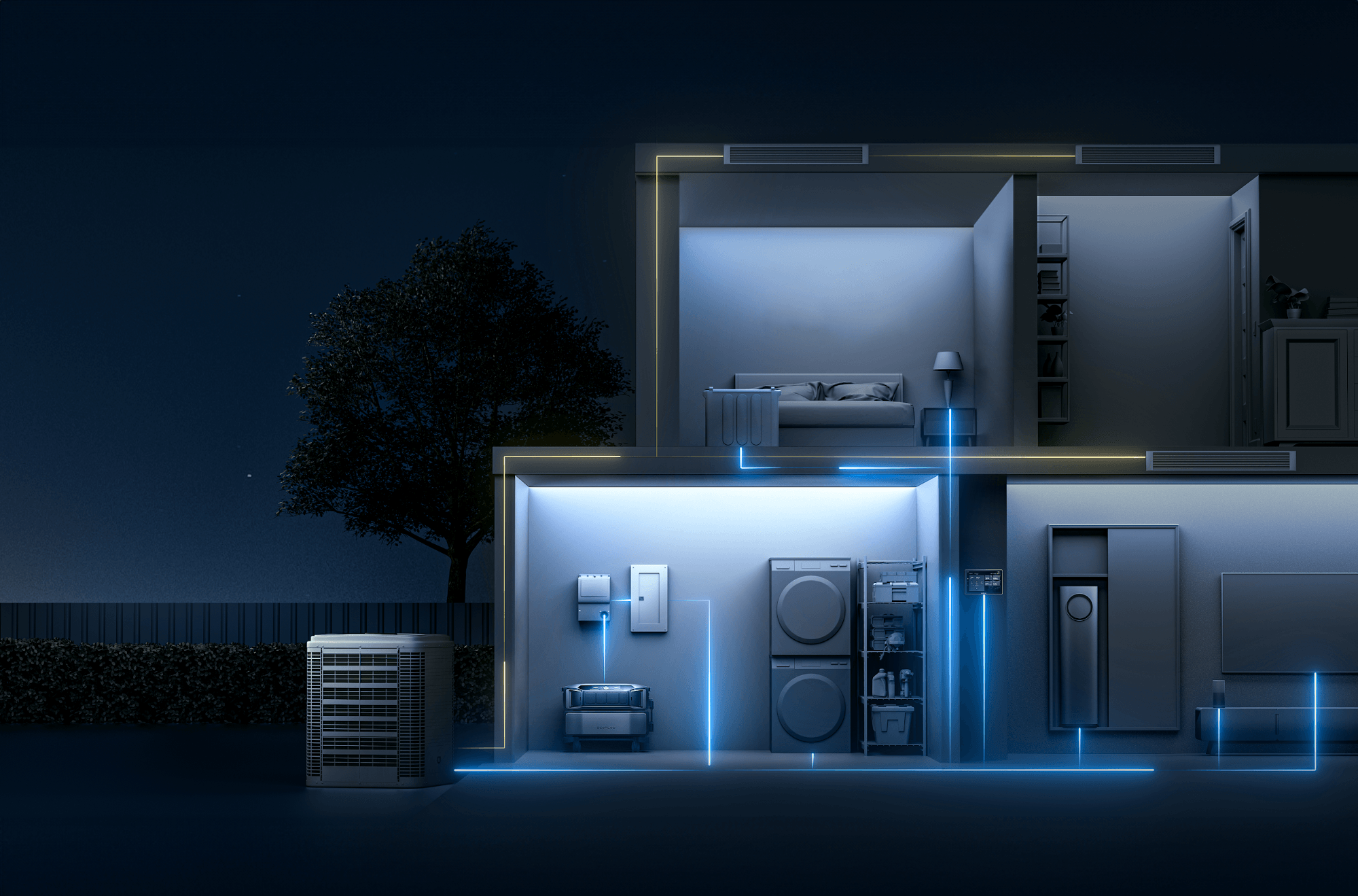
Maximize energy resilience further with EcoFlow. For whole-home coverage during extended outages, EcoFlow's whole-home generator solutions scale to power your entire home — mini split included.
For press requests or interview opportunities, reach out to our media team
media.na@ecoflow.com