March Power Outage Prep: Why Backup Power Still Matters in Early Spring
March is a transition season, and with it comes unpredictable weather patterns. You can still experience some late winter storms with freezing temperatures and heavy precipitation.
And although you may be in a spring mindset, waiting for the weather to warm up, grid outages can still catch you off guard. Even as winter officially ends, backup power is critical.
What Makes March Power Outages Different?
When winter conditions like ice and snow meet warmer air masses during the spring transition season, you get unique storms and weather.
Because of high winds that can damage infrastructure, power outages can be frequent. Temperature fluctuations can create dangerous conditions when the heating fails. It might be warm one moment, but you can easily find yourself freezing a few hours later if you don't have heat indoors.
The stress that this seasonal transition places on the grid also increases the likelihood of outages, but luckily the EcoFlow DELTA Pro Series has models of different capacities to meet various energy requirements, and they can even scale as your needs grow.

What You Need to Power During a March Outage
If the electricity goes out in March, you want to prioritize powering the most essential appliances and systems in your home. For most people, this means heating, refrigeration, communication and medical devices, and safety lighting.
Heating System — A furnace blower can require 300 to 800 watts to circulate warm air. Heat pumps will need backup energy for both heating and defrost cycles. For less wattage, you can use a small electric space heater for targeted warming. Maintaining a consistent indoor temperature is about more than just comfort. You should keep the indoor temperature at a minimum of 12ºC-13ºC to prevent pipes from freezing.
Refrigerator — To keep your food fresh, you'll need 400–800W of power to operate a standard refrigerator. Energy-efficient models can reduce backup electricity needs.
Medical Devices — Essential health equipment, such as CPAP machines and oxygen concentrators, cannot be compromised.
Lighting and Safety — Emergency lighting helps you navigate your home safely in the dark. Using LED lighting instead of incandescent bulbs can help minimize your energy consumption.
Communication Devices — A charged cell phone means you can maintain emergency contact if needed. Wi-Fi routers also allow you to access the internet to get regular weather and restoration updates.
Preparing Your Backup Power Before March Storms
The first spring outage should never be the first time you use your battery backup. Test your equipment now so you're not scrambling during actual outages.
Charge and Test Equipment
Verify that all of your backup electricity sources can reach full charging capacity. Practice starting up your generator and operating any fuel systems. Document the runtime capabilities for different loads, so you know exactly what you can run and how long.
Identify Power Priorities
Calculate the total wattage of your essential devices, then prioritize this list with life-safety equipment above convenience items. Then find a backup battery that can meet these needs.
Reduce Power Demand Ahead of Time
Do what you can to reduce your power demand before an outage hits. Keep your portable electronics charged. Adjust your thermostat settings to reduce heating system cycling. Unplug any non-essential appliances to avoid startup surges. By implementing energy conservation measures throughout the home, you'll be able to run essential circuits for longer.
5 Common March Power Outage Mistakes
Don't be caught unprepared due to a spring transition mindset. Avoid these five common mistakes during March outages.
Opting for a small PPS instead of a whole-home generator — There’s nothing wrong with choosing to power your home room-by-room rather than one larger solution for your entire home, but it’s critical that you make this choice wisely. If you want to run everything, not just essential loads, an integrated whole-home generator is the better option. However, you can always start with a smaller battery and expand your capacity by adding extra batteries as needed.
Underestimating heating needs — March temperatures can unexpectedly drop below freezing, and pipe freezing can happen quickly if you don't have adequate heating backup. Cover your bases now to prevent costly damage and safety risks.
Running generators indoors or too close to the home — Fuel generators should never be run indoors or anywhere near your home. Carbon monoxide poisoning can be deadly. Keep a 20-foot distance from any doors, windows, and vents, and never operate generators in basements, garages, or other enclosed spaces.
Overloading electrical systems — Your generator has a hard capacity limit. Exceeding this will damage both the equipment and your electronics. Always calculate the total wattage before connecting multiple devices, and account for surge loads if applicable.
Ignoring food safety guidelines — Just because the weather in March is cooler, it doesn't mean your food will be preserved in your refrigerator if you're without power for more than four hours. Use food thermometers to determine food safety after power is restored.
Frequently Asked Questions
Are Power Outages Common in March?
March is one of the top months for weather-related power outages because spring storm systems create ideal conditions for wind and rain that can damage electricity lines and grid infrastructure. Historical data prove that outages are more frequent during transition seasons, such as March and April.
What Should I Power First During a Spring Outage?
If you're facing a spring outage, prioritize your medical devices and home heating.
Charge up essential communication so you can maintain the capability to contact emergency services if needed. Keep your refrigerator running to prevent food spoilage. Prioritize security and lighting systems to keep your home safe.
Final Thoughts
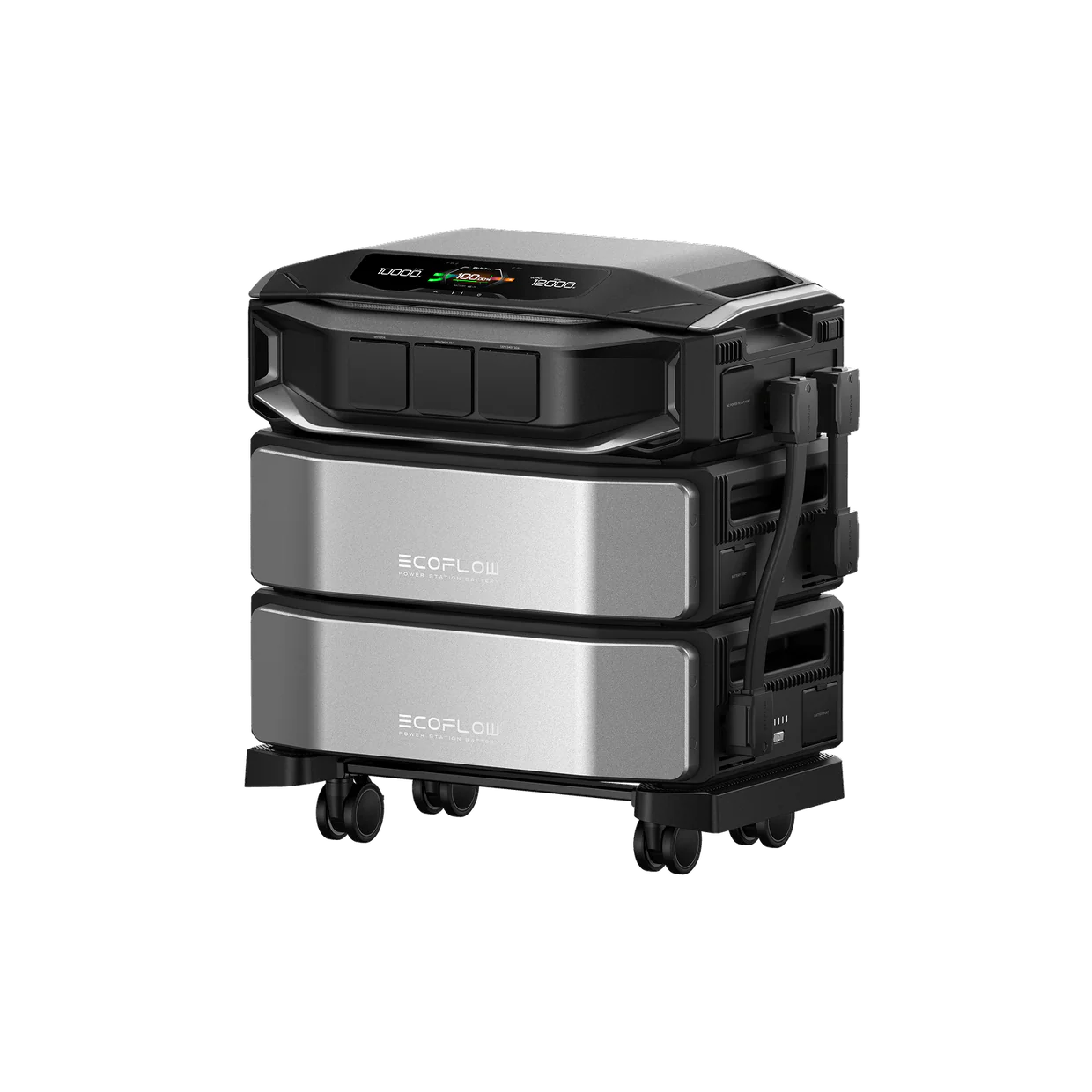
Though March is moving into spring, the potential for power outages still requires winter-level backup planning. The EcoFlow DELTA Pro Ultra X is a comprehensive whole-home backup solution that can run all your appliances and systems, so you don't necessarily have to prioritize essential loads and can instead carry on as normal at home.
For press requests or interview opportunities, reach out to our media team
media.na@ecoflow.com