Invasive Jumping Worms: The New Threat to North American Soil
- What Are Jumping Worms and Why They’re Spreading Quickly
- How Jumping Worms Damage Soil and Ecosystem
- How to Identify Jumping Worms in Your Yard or Garden
- How to Prevent and Manage Jumping Worm Spread
- Managing Soil Health Often Means Working Outdoors in Real Conditions
- Frequently Asked Questions
- Protecting Soil Health Starts With Awareness and Preparation
Invasive jumping worms are rapidly spreading across North America, threatening our gardens, forests, and native ecosystems.
Unlike introduced European earthworms, these grow more aggressively, consuming organic matter at alarming rates, altering the soil and leaving behind lower-quality ecosystems that struggle to support healthy plants.
This guide explains the threats these invaders pose and teaches how to identify and manage infestations so you can protect your garden, property, and local biodiversity.
What Are Jumping Worms and Why They’re Spreading Quickly
Jumping worms are a group of earthworms (Megascolecidae family) originally native to eastern Asia. The name "jumping worm" comes from how they thrash, especially when you pick them up.
They were likely introduced to North America through imported soil and have now been widely introduced in urban parks, yards, greenhouses, and compost piles across the continent.
They spread aggressively because they have wider dietary flexibility than many of their relatives and because they don’t need a mate to reproduce. A single adult worm can produce fertile clones that mature in just 60 days (depending on the species), about half the time of most worms. This allows a single worm to start a new infestation in a single season.
How Jumping Worms Damage Soil and Ecosystem
The problem with jumping worms is that, like most of our earthworms, they’re not native to North America. This is problematic because they’re ecosystem engineers with disproportionately large impacts that can negatively affect your yard’s native biodiversity.
When they invade, they can reduce the leaf litter layer in a forest by 95% in a single season. That layer is crucial for beneficial insects and a healthy soil microbiome.
They also cause changes in soil composition and health, increasing soil pH and changing the availability of carbon and nitrogen. This affects the types of plants that can grow, often opening the ecosystem up to invasion by non-native plants better suited to the new conditions.
The changes also alter the fungi, bacteria, and microbes living in that soil, further affecting plant health.
How to Identify Jumping Worms in Your Yard or Garden
Fortunately, you don’t need a biology degree to identify these invaders in your garden.
Key Signs to Look For
Granular soil piles that look kind of like ground meat (worm castings).
Worms in leaf litter or near the soil surface that are 1.5–8 inches (3.8–20.3 cm) long.
A worm that thrashes in a snake-like motion when handled and may drop tail segments.
Their bodies are smooth, grey, brown, or purple; darker above than below; and become iridescent when mature.
Adults have a cream-colored band that completely encircles the body, located near the head (in European earthworms, the band doesn’t wrap around the entire body).
Perform a “mustard test" by mixing ⅓ cup ground hot yellow mustard seed in 1 gallon of water. Pour half of it over 1 square foot of soil, and the earthworms will come to the surface, where you can identify and collect them.
How to Prevent and Manage Jumping Worm Spread
Make your own compost and keep your fallen leaves for mulch/compost.
If you purchase compost or mulch in bags, put them in the sun for several days. Sustained heat over 105 °F (40.6 °C) destroys the worms and their cocoons.
If purchasing compost or mulch in bulk, spread it on the driveway. Then, take solar-powered gardening to a whole new level by solarizing the material with a plastic sheet and leaving it in the sun for several days.
Inspect plant pots for worm castings before bringing them home.
Purchase bare-root plants or propagate them from seeds and cuttings.
Avoid bringing soil onto your property, including on dirty tools, shoes, or tires.
Do not purchase jumping worms for bait or vermicomposting; never dispose of unused bait outdoors.
Handpicked worms can be discarded in a sealed bag in the trash.
Managing Soil Health Often Means Working Outdoors in Real Conditions
Why Reliable Power Helps With Outdoor Work
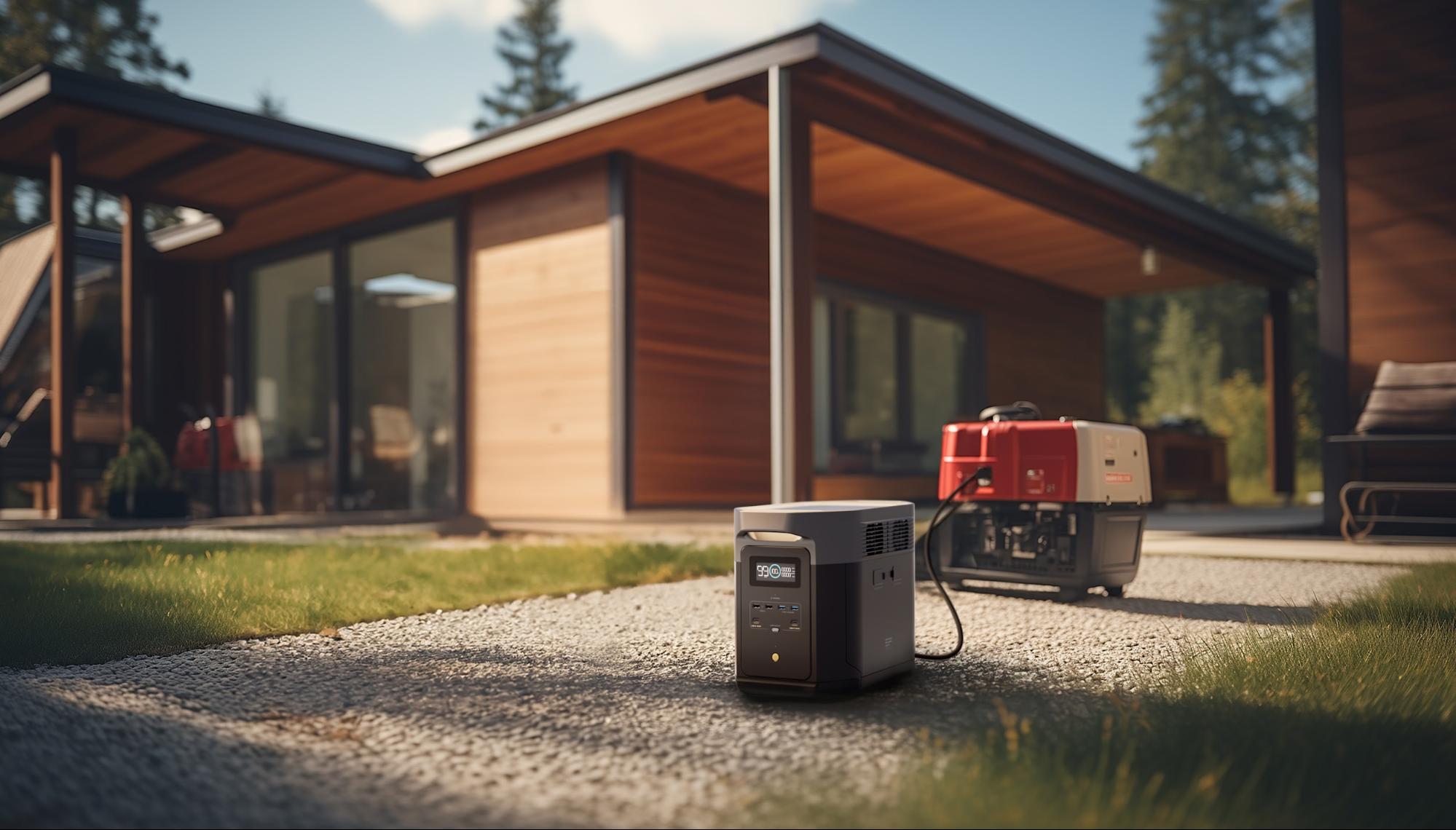
Maintaining healthy soil means working outdoors, and working outdoors means limited or no access to electricity.
However, with a reliable portable power solution built for outdoor use, you could work all day in any weather. And since they operate at just above a whisper, you can still hear the birds sing as you work.
For larger properties or extended projects, exploring options like whole-home backup power solutions can provide additional flexibility and capacity when needed.
How EcoFlow Can Help With Outdoor and Property Work
Having a portable power and solar solution for the garden makes property work easy because you can move your power anywhere you need it.
Also, more and more of us are turning to electric tools, including weed eaters, lawnmowers, tillers, and more. These tools operate with very little noise, no smelly emissions, and no increasingly expensive fossil fuels, so in the long run, they save a lot of money.
As more outdoor tools become electric, having a portable power source can make yard work more flexible and efficient.
Mid-capacity systems like the EcoFlow DELTA 2 Max are well-suited for powering or recharging tools such as trimmers, lawnmowers, and other garden equipment without relying on outlets. The base capacity of 2kWh is expandable up to 6kWh for extra power, too.
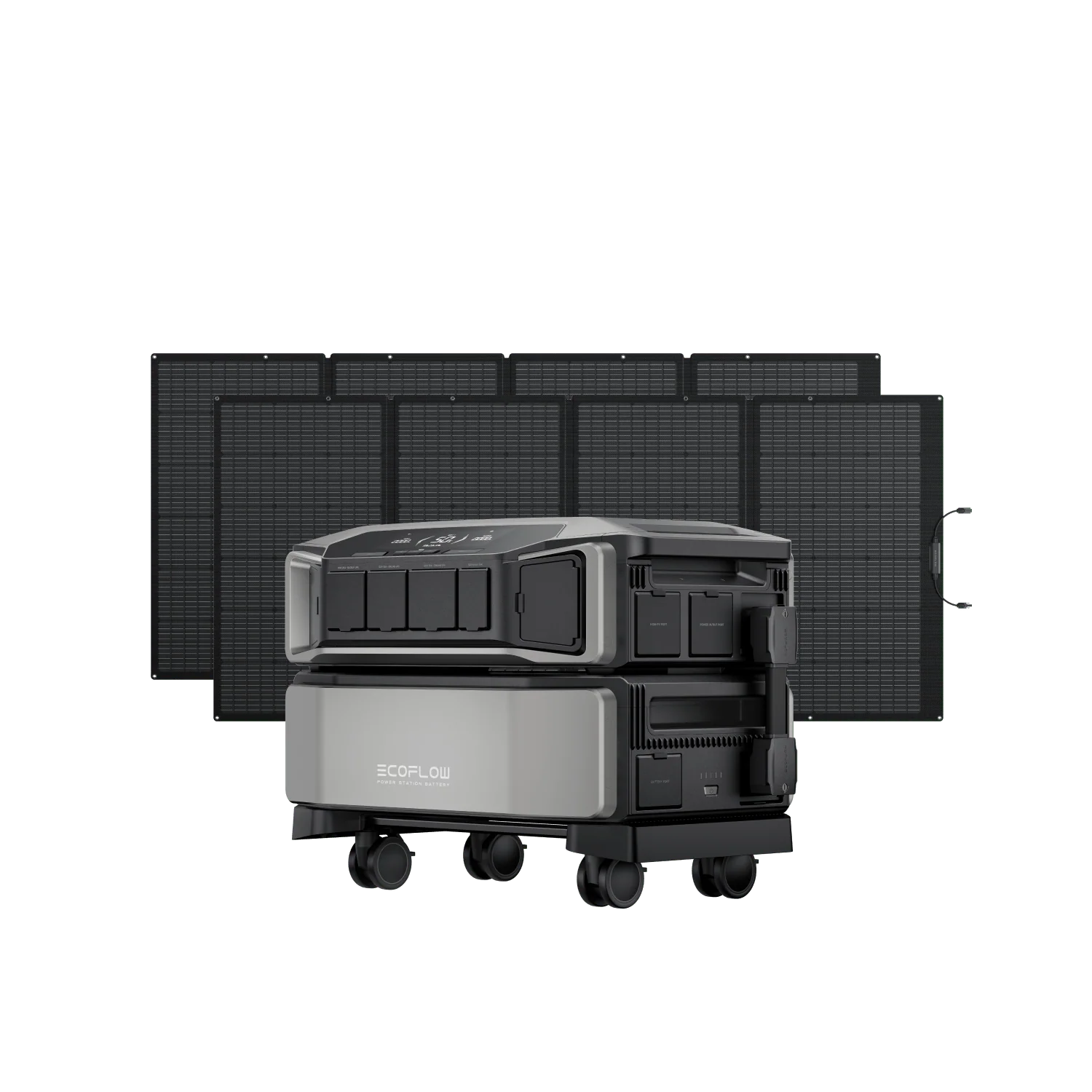
For larger properties or more demanding setups, higher-capacity solutions like the EcoFlow DELTA Pro Ultra + 2×400W Solar Panels can provide extended runtime and solar recharging, helping you stay powered for longer projects outdoors.
Frequently Asked Questions
What Makes Jumping Worms Different From Regular Earthworms?
Jumping worms are more invasive because they are often larger and can reproduce about twice as fast as most earthworms. This allows them to aggressively reduce the layer of leaf litter in the soil by 95% in a single season, altering natural ecosystems.
Are Jumping Worms Harmful to Gardens?
Yes, jumping worms alter the garden ecosystem by rapidly consuming decaying organic matter and changing soil structure, pH, and nutrient availability, which can be very harmful to your plants.
Protecting Soil Health Starts With Awareness and Preparation
Protecting soil health starts with recognizing the things that threaten it, like invasive jumping worms.
By learning to identify infestations and taking steps to manage them and limit their spread using proper garden sanitation measures, you can reduce the risk to your soil and your garden.
And when outdoor work calls for reliable power for tools, lighting, or equipment, explore EcoFlow’s DELTA series portable power stations to find a setup that fits your property and workload.
For press requests or interview opportunities, reach out to our media team
media.na@ecoflow.com