Lunar New Year vs Chinese New Year vs Western New Year: What Are the Differences?
- Key Takeaway
- Understanding the Chinese New Year
- Quick Comparison: Three New Year Celebrations
- Can You Refer to Chinese New Year as "Lunar New Year"?
- Can You Refer to Chinese New Year as Just "New Year"?
- How to Say Happy Chinese New Year Without Offending People
- Do Chinese Celebrate Gregorian New Year as We Do?
- When Is Chinese New Year 2026?
- What Can You Do to Celebrate Chinese New Year?
- Power Your Chinese New Year
- Essential Supplies for Your Chinese New Year Celebration
- Honoring the True Spirit of Chinese New Year
- FAQs
Confusion about these terms is common, but the distinctions matter. Chinese New Year refers to China's traditional Spring Festival celebrated according to the lunisolar calendar. Western New Year marks January 1 on the Gregorian calendar. "Lunar New Year" is an incomplete and potentially insensitive term that overlooks the solar component of China's traditional calendar system. Understanding these differences shows cultural respect and prevents miscommunication.
Key Takeaway
Chinese New Year equals the traditional Chinese New Year, also called Spring Festival, Xin Nian, or by calendar designation, the Lunisolar New Year of China.
Lunar New Year represents a misinterpretation of traditional Chinese New Year or the Lunisolar New Year of China.
Western New Year, or simply the New Year, refers to the Gregorian New Year celebrated on January 1.
Understanding the Chinese New Year
To understand the Chinese New Year, you need to start with the calendar systems China uses. Modern China commonly uses two calendar systems: the Gregorian calendar and the lunisolar calendar.
Gregorian Calendar (Gong Li)
The Gregorian calendar is the calendar system widely used around the world today, including in the United States. The standard January 1st celebration comes from this system.
China officially adopted the Gregorian calendar in 1912. After the establishment of the Republic of China government, officials decided to adopt the Gregorian calendar to replace the previous lunisolar calendar as the official calendar system, aligning China with international standards. Today, China uses the Gregorian calendar in official settings, work environments, and daily scheduling. But the lunisolar calendar remains deeply important in Chinese life.
Lunisolar Calendar (Nong Li)
The lunisolar calendar is the traditional calendar system China has used since ancient times. It combines the moon's cycle and the sun's cycle, forming a "yin-yang combined calendar" system. Its origins trace back to approximately the 14th century BCE during the Shang Dynasty, or even earlier. Traditional Chinese festivals such as Spring Festival, Qingming, Dragon Boat Festival, and Mid-Autumn Festival all rely on the lunisolar calendar for their dates.
The last day of the lunisolar calendar's final month (La Yue) is New Year's Eve (Chu Xi), which is the Chinese equivalent of December 31. The following day is the first day of the Chinese New Year (Zheng Yue Chu Yi, or the first day of the first month of the new year).
Quick Comparison: Three New Year Celebrations
| Aspect | Chinese New Year | Western New Year | "Lunar New Year" |
|---|---|---|---|
| Calendar System | Nong Li/Lunisolar (sun + moon) | Gregorian (solar) | Misnomer—implies lunar only |
| Date | January 21 - February 20 (varies yearly) | January 1 (fixed) | N/A |
| Alternative Names | Spring Festival, Chun Jie, Xin Nian | New Year's Day, January 1st | Incorrect terminology |
| Cultural Origin | China (ancient tradition) | Western/Global | N/A |
| Duration | 15 days (officially 7-day holiday) | 1 day | N/A |
| Accuracy | Correct and respectful | Correct | Inaccurate and potentially offensive |
Can You Refer to Chinese New Year as "Lunar New Year"?
This terminology is inaccurate and may offend some Chinese people. As mentioned earlier, Chinese New Year is determined according to the lunisolar calendar, and the lunisolar calendar is a "yin-yang combined calendar"—a system based on both the sun's and moon's cycles. If you only say "Lunar," you're only referencing the moon phases, which doesn't reflect the complete calendar system.
Beyond technical accuracy, there's a cultural sensitivity issue. Chinese people today place great importance on preserving their traditional culture. If you say "Happy Lunar New Year" to a Chinese person, they might wonder whether you're reluctant to acknowledge that this traditional festival originated in China. The omission of "Chinese" can feel like an intentional erasure of the word's geographical and cultural significance.
Can You Refer to Chinese New Year as Just "New Year"?
If you're in China, this is perfectly acceptable. In China, when people mention the traditional New Year, they only think of this one festival. This celebration is the most important and grandest festival of the year for Chinese people, carrying such uniqueness and cultural weight that even without a prefix, no one will misunderstand.
But if you're outside of China, adding the "Chinese" prefix is better. This clarifies that you're referring to China's traditional New Year determined by the lunisolar calendar, not the Gregorian New Year or another culture's new year celebration.
How to Say Happy Chinese New Year Without Offending People
In China, there are many ways to refer to the new year. You can directly say "Xin Nian Kuai Le" (Happy New Year), you can say "Guo Nian Hao" (Ring in the New Year Well), or you can say "Chun Jie Kuai Le" (Merry Spring Festival).
If you're celebrating traditional Chinese New Year outside of China, remember to add the "Chinese" prefix and say "Happy Chinese New Year." This lets people clearly understand which specific festival you're referencing and shows Chinese friends your respect for their culture.
If you know a bit about Chinese zodiac culture, greetings become even more meaningful. According to the twelve zodiac rotation system, this year is the Year of the Horse, so you can also say "Ma Nian Kuai Le" (Happy the Year of the Horse) or "Ma Nian Da Ji" (Wishing You All the Luck in the Year of the Horse).
Do Chinese Celebrate Gregorian New Year as We Do?
Yes. Gregorian New Year in China is called "Kua Nian," which translates to "Stepping into the New Year"—imagine stepping over a threshold into the new year. The first day of Gregorian New Year in China is called "Yuan Dan," and Chinese people enjoy a nationwide statutory holiday on this day.
Fun fact: Before the Qing Dynasty, Chinese people used "Yuan Dan" in certain contexts to refer to the first day of the lunisolar new year, or broadly to indicate the beginning of a year. After the Republic of China was established in 1912, January 1 on the Gregorian calendar became the official definition of Yuan Dan, marking China's formal adoption of the Gregorian calendar.
When Is Chinese New Year 2026?
Chinese New Year in 2026 falls on Monday, February 16. This marks the Year of the Horse in the Chinese zodiac cycle—a year associated with energy, enthusiasm, freedom, and forward momentum.
The date varies each year because the lunisolar calendar requires the new year to begin on the second new moon after the winter solstice. This calculation keeps the calendar synchronized with both lunar and solar cycles, typically placing the celebration between late January and mid-February on the Gregorian calendar.
What Can You Do to Celebrate Chinese New Year?
Chinese New Year preparation and celebration span several days, each with distinct traditions and activities that bring families and communities together.
Before New Year's Eve
Families engage in thorough preparation during the days leading up to the festival:
Write Spring Festival couplets (Chun Lian)—red banners with poetic phrases expressing good wishes for the coming year
Post the character "Fu" (福, meaning fortune or good luck) on doors
Purchase and hang decorations such as red lanterns and colorful string lights to create a festive atmosphere
Search for local Chinese New Year events in your community, as many cities host cultural performances, temple fairs, and celebration activities
Prepare your reunion dinner menu, considering traditional dishes and family recipes you want to include
New Year's Eve
New Year's Eve centers on family togetherness and celebration. Many Chinese families watch the Spring Festival Gala (Chun Wan), a televised variety show that has become a cultural institution, featuring music, dance, comedy sketches, and performances. Families practice "Shou Sui"—staying awake together through midnight to bid farewell to the old year and welcome the new one.
The reunion dinner (Nian Ye Fan) represents the year's most important family meal, featuring elaborate traditional dishes with symbolic meanings. Many families make dumplings together—the dumpling-folding process creates bonding time, and their shape resembles ancient Chinese gold ingots, symbolizing wealth and prosperity for the coming year.
First Day of the New Year
The celebration begins with wearing new clothes, symbolizing fresh starts and new beginnings for the year ahead. People venture out to participate in community activities such as watching lion dances, dragon dances, and Spring Festival performances. These vibrant displays of traditional culture bring neighborhoods together in celebration.
Visiting relatives and friends to exchange greetings and red envelopes (Hong Bao) spreads joy throughout the community. Some families also visit the graves of deceased loved ones or memorial sites to honor their ancestors, share new year blessings across generations, and express remembrance and respect.
Power Your Chinese New Year
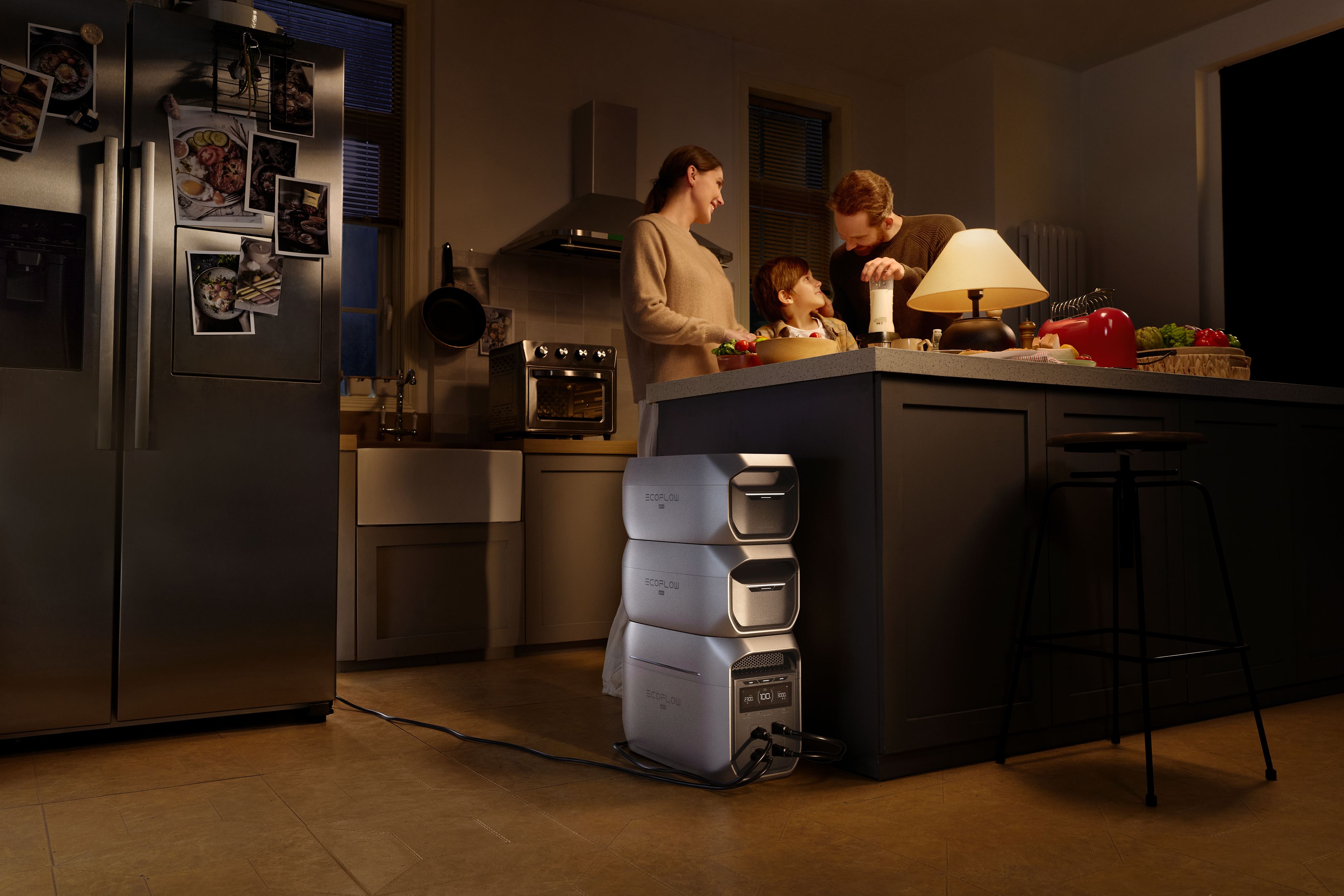
These celebrations demand reliable electricity—for hanging colorful lights and lanterns, preparing elaborate reunion dinners with multiple appliances running simultaneously, powering entertainment systems for the Spring Festival Gala, and keeping your gathering comfortable and bright. You also need to prepare for potential emergency situations like power outages on New Year's Eve.
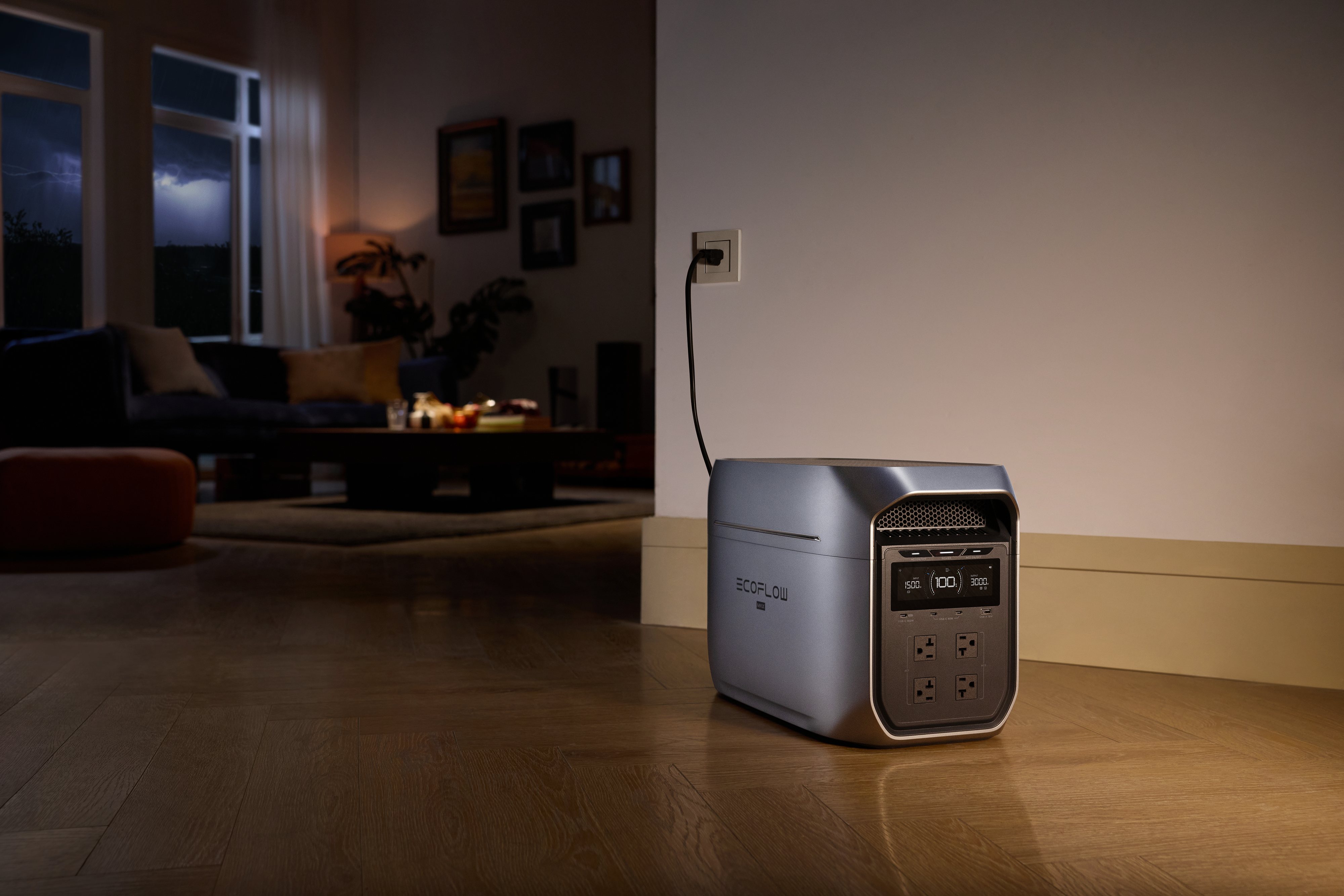
The EcoFlow DELTA 3 Max Plus (2048Wh) gives you reliable backup power for all your Spring Festival needs. With 3000W of AC output and 10 total ports, you can simultaneously power string lights, decorative lanterns, kitchen appliances for preparing reunion dinners, and entertainment systems without worrying about overloading circuits. The 2048Wh capacity keeps your celebrations running smoothly even during unexpected power outages—a practical consideration when winter weather can impact electrical service.
You don't have to worry about long charging times cutting into your celebration. The unit charges from 0-80% in just 64 minutes, giving you quick recovery between uses throughout the multi-day festival. Its LFP battery chemistry delivers longevity through thousands of charge cycles, making it a reliable companion for years of Spring Festival celebrations. For families hosting multi-day gatherings or outdoor community events, the expandable capacity up to 10kWh ensures your celebration never goes dark, keeping the lights bright and the festivities uninterrupted.
Essential Supplies for Your Chinese New Year Celebration
Planning ahead makes your Spring Festival celebration run smoothly. Here's what you'll need:
Decorations: Red lanterns, string lights, Spring Festival couplets, "Fu" character posters, paper cutouts, door gods
Kitchen Essentials: Ingredients for traditional dishes, dumpling wrappers and fillings, rice, noodles, fish, meat, vegetables
Red Envelopes: For giving monetary gifts to children and unmarried adults
New Clothes: For each family member to wear on the first day
Backup Power: Portable power station to keep lights, appliances, and entertainment running during outages
Cleaning Supplies: For the traditional pre-festival deep cleaning to sweep away bad luck
Entertainment: Board games, mahjong sets, playing cards for family gatherings
Incense and Offerings: For those who observe ancestral worship traditions
Honoring the True Spirit of Chinese New Year
Chinese New Year, celebrated according to the lunisolar calendar, differs fundamentally from the Western New Year and the incomplete term "Lunar New Year." Using accurate terminology honors both cultural significance and scientific heritage. Whether you're celebrating with Chinese friends or participating in community events, saying "Happy Chinese New Year" shows respect for this rich tradition. With proper preparation—including reliable power solutions from EcoFlow—you can fully embrace this vibrant celebration and create meaningful connections across cultures.
FAQs
Q1: What are the Chinese zodiac animals and why is 2026 the Year of the Horse?
The Chinese zodiac consists of twelve animals that rotate in a fixed cycle: Rat, Ox, Tiger, Rabbit, Dragon, Snake, Horse, Goat, Monkey, Rooster, Dog, and Pig. Each year is associated with one animal, and the cycle repeats every twelve years. 2026 is the Year of the Horse because the cycle places the Horse in this position. According to traditional beliefs, people born in the Year of the Horse are energetic, independent, and freedom-loving. The Horse symbolizes strength, enthusiasm, and forward progress, making it an auspicious year for new ventures and personal growth.
Q2: Who can celebrate Chinese New Year?
Anyone who appreciates and respects Chinese culture can celebrate Chinese New Year. The festival welcomes participation from people of all backgrounds, and many communities host public celebrations that bring diverse groups together. The key is approaching the celebration with genuine respect for its cultural origins and traditions. Learn about the customs' meanings, use proper terminology like "Chinese New Year" rather than vague alternatives, and recognize that you're participating in a tradition with thousands of years of history rooted in Chinese culture. Many Chinese people appreciate when others take interest in their heritage, as long as that interest comes from a place of respect rather than appropriation.
Q3: How much power does typical Chinese New Year lighting use?
Chinese New Year decorative lighting varies widely in power consumption depending on your setup. Traditional red lanterns with LED bulbs typically use 5-15 watts each, while string lights range from 20-50 watts per strand. If you're running 10 lanterns and 5 light strands simultaneously, you're looking at roughly 200-300 watts total. Add in other decorations like illuminated displays or projection lights, and consumption can reach 500-800 watts. A portable power station like the EcoFlow DELTA 3 Max Plus handles this easily with its 3000W output capacity, providing 6-10 hours of continuous decorative lighting on a single charge—more than enough for evening celebrations.
Q4: Can portable power stations run kitchen appliances for reunion dinners?
Yes, modern portable power stations can run most kitchen appliances needed for reunion dinner preparation. The EcoFlow DELTA 3 Max Plus outputs 3000W continuously with 6000W surge capacity, sufficient for rice cookers (300-700W), electric hot pots (1000-1500W), electric kettles (1000-1500W), and even small microwave ovens (600-1000W). You can run multiple appliances simultaneously as long as the combined wattage stays within limits. The 2048Wh capacity provides approximately 2 hours of cooking time with high-wattage appliances or 6-8 hours with moderate-wattage devices. For extended cooking sessions, consider the expandable battery options that increase capacity up to 10kWh.
Q5: What happens if power goes out during New Year's Eve?
Power outages during New Year's Eve can disrupt your celebration, but backup power keeps things running smoothly. With a portable power station, you maintain lighting so your family can continue celebrations safely, keep refrigeration running to preserve food for the reunion dinner, power heating devices in winter weather, and continue watching the Spring Festival Gala on your television. The EcoFlow DELTA 3 Max Plus provides 2048Wh of backup power—enough to run essential devices for several hours. You can prioritize critical loads like lighting (100-300W) and refrigeration (150-200W) to extend runtime, or power everything including entertainment systems for a shorter but complete celebration experience.
For press requests or interview opportunities, reach out to our media team
media.na@ecoflow.com