How to Plan for a Long-Distance Move: A Complete Guide
A long-distance move is not one big task. It is thirty small ones, and most of them have nothing to do with the truck. Budget, moving method, travel schedule, what stays and what goes, utilities, the first few nights in a place you don't know yet — all of it needs to be worked out before moving day, not during it.
This guide to how to plan for a long-distance move is arranged in the order in which tasks actually come due. Work through it from beginning to end, and the move stays organized. The final weeks are busy, but they are not frantic.
What Should You Know Before Planning a Long-Distance Move?
Four things set cost and timing here, and none of them is the truck. Distance, state lines, shipment size, delivery flexibility. Understand them early, and choosing a moving method gets much easier.
How Far Is Considered a Long Distance Move?
Many companies describe a move of approximately 100 miles or more as long-distance. No universal mileage cutoff exists, however, and definitions differ from one provider to the next.
The state line carries more weight than the odometer. The moment a shipment crosses one, the move becomes interstate, even over a short distance, and interstate household-goods movers operate under federal requirements. A move that stays within one state answers to that state’s own rules instead.
When Should You Start Planning?
Eight weeks before moving day is a reasonable allowance. Larger households, summer dates, cross-country trips, and arrangements involving storage or vehicle shipping all justify starting earlier.
Cost estimates, the choice of moving method, and reducing the shipment come first. Book transportation several weeks in advance. The weeks that follow are quickly consumed by packing, address changes, utility transfers and activation, and travel arrangements.
How to Plan for a Long-Distance Move Step by Step
Manageability comes from staging. Nothing gets booked until three decisions are made: how much to spend, when to move, and how much to ship.
Set Your Moving Budget and Timeline
The transportation quote is only one line of the real budget. Packing supplies, fuel, tolls, hotels on the road, storage, insurance or valuation coverage, cleaning, pet care, utility deposits. They pile on faster than most people expect.
Delayed deliveries happen. One extra night of lodging costs real money. That is why a contingency fund belongs in the budget. Build the timeline backward from your departure date. Quotes first, then reservations, packing, cleaning, and utility activation, each with its own deadline.
Decide What to Move, Sell, or Donate
One room at a time, every item in the house is assigned to one of four groups: move, sell, donate, or discard. An item left behind is never packed, never shipped, and never unpacked; three jobs disappear with it. A cheap bookcase is rarely worth the cost of a cross-country haul. Personal records and sentimental possessions are another matter; they warrant more care than ordinary household furniture.
Create a Moving Checklist and Inventory
Lay the tasks out by week, with a household member’s name beside each. Number every box, and record its destination room and general contents.
Anything valuable should be photographed before loading day. Copies of the paperwork, meaning the inventory, estimates, contracts, and receipts, should exist in two places: cloud storage and the device that travels with you.
How to Move Long Distance: Choose the Right Moving Method
Five factors settle this question: budget and schedule first, then shipment size, then physical ability and comfort with driving a large vehicle. The last two merit an honest assessment.
Full-Service Moving Company
Full service means the mover loads, drives, and unloads. Packing can be added as an option. The arrangement suits large households and anyone pressed for time. The trade-off is price: it usually costs more than moving independently.
Three questions deserve answers before anything is signed. Will the shipment share a truck? How does the delivery window work? How are loss or damage claims handled?
Choosing Moving Companies for Long Distance Moves
Written estimates from several providers come first. Insist that every estimate is built on the same inventory. Services, delivery windows, storage fees, packing charges, access costs, cancellation policies, and valuation options: that is the comparison that matters. On its own, the final price says very little.
Interstate move? Verify the company’s U.S. DOT number, its operating authority, insurance, and complaint history. The Federal Motor Carrier Safety Administration’s mover-selection guide walks through how to check registered movers and the documents they’re required to provide.
The red flags barely change from company to company. Unusually low quotes, large cash deposits, blank contracts, missing registration details, refusal to inspect your shipment in person or by video — any one of them is reason enough to walk away.
Rental Truck or Moving Container
Who rents the truck? Budget-conscious households, mostly: people who want control over loading and delivery, can handle the physical work, and don’t mind driving a large vehicle.
A container works differently. It sits at your place while you pack over days; nobody drives a truck, and everything stays stored until the new home is ready. Just confirm parking restrictions and loading access at both properties before committing.
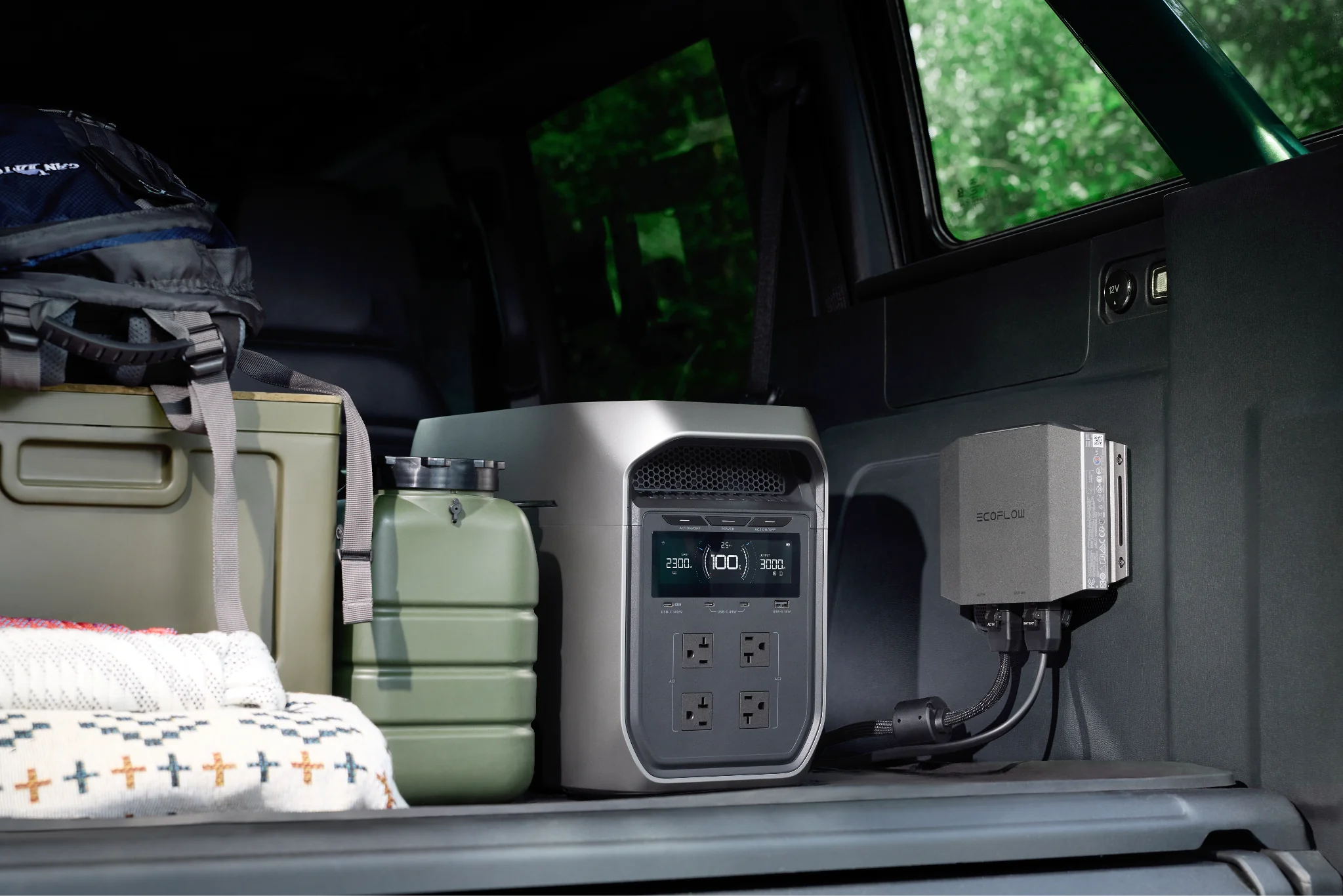
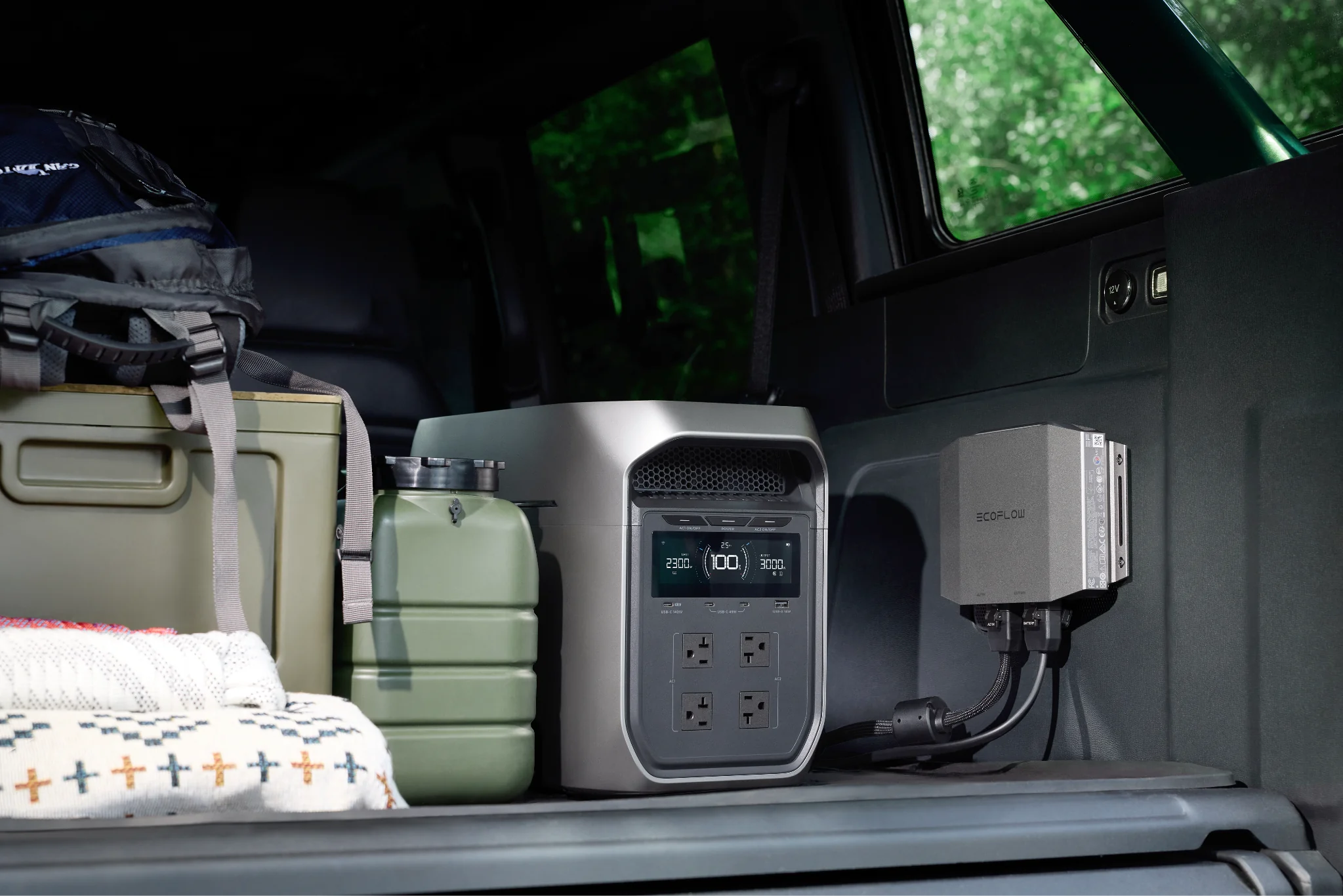
Driving a rental truck long distance means long hours and overnight stops, with phones, navigation devices, laptops, lighting, and travel appliances all drawing power while the vehicle’s outlets are unavailable. That’s the gap a portable power station fills. The EcoFlow DELTA 3 Classic Portable Power Station provides 1,800W AC output and 3,600W surge power. Within its individual requirements, it can support laptops, lights, refrigerators, and microwaves. It stores 1,024Wh in a compact unit, easy to carry between a vehicle and temporary accommodations.
During transportation, keep the unit secure and dry, and follow its operating and storage instructions.
Shipping Only Essential Belongings
Students, renters, small households, and anyone moving into a furnished home will, in many cases, find this approach the most practical. With a furnished home especially, replacing inexpensive furniture on arrival can simply cost less than shipping it.
Shipping fees should be weighed against baggage charges and replacement costs before a decision is made. Whichever method proves more economical, medication, identification, keys, electronics, valuables, and anything irreplaceable should travel with you, not in a box.
What Should You Do on Long Distance Moving Day?
Keep your inventory, contracts, travel plan, and essential supplies within reach. If you’ll need a power station during the drive or at overnight stops, keep it with you rather than in the main shipment.
Check Your Home Before Leaving
Before locking up, one last walkthrough covers every room, every closet and cabinet, the garage, and the outdoor areas. Photograph the condition of the property; record meter readings where appropriate.
Windows and doors locked; utilities handled exactly as the lease, the sales agreement, or the provider’s instructions specify. Only then is the departure complete.
Keep Important Items With You
Identification, medications, financial records, contracts, chargers, valuables, clothing, toiletries, and water travel with you rather than in the main shipment. A portable power station brought along for the drive or overnight stops belongs in the same category: accessible and never packed away.
Allow Extra Time for the Journey
Few trips of this length run exactly to schedule. Weather adds hours. Construction, traffic, vehicle trouble, and ordinary fatigue add more. Daily driving limits should stay realistic, breaks should be scheduled, and the itinerary should carry an allowance for delays. A plan that assumes perfect conditions is not a reliable one.
What to Do After Arriving at Your New Home
Unpacking can wait. The first checks concern safety, not boxes. Confirm that the property is sound, that essential services are working, and that a home backup power plan exists in case electricity is not yet available.
Check Utilities Before Unpacking
The essentials come before any box is opened. Electricity, water, heating or cooling, the major outlets, and the internet all need to work before unpacking starts. A scheduled activation is not a guarantee of service. Delays, repairs, and local outages can still leave a new home without power for some time.


That wait is where a portable power station earns its place, keeping essential appliances available. The EcoFlow DELTA 3 Max Plus Portable Power Station delivers 3,000W output and up to 6,000W surge power, making it suitable for running many refrigerators, coffee makers, washers, and other household essentials within their rated limits.
You can expand capacity from 2kWh to 10kWh based on the expected backup time. Actual runtime varies by configuration and appliance demand. Keep the unit dry and well ventilated. Any connection to household wiring is a job for a qualified professional.
Inspect Your Belongings for Damage
The delivery should be compared against the inventory before the final paperwork is signed. Anything missing gets noted, any damage photographed, and the mover’s claim procedure reviewed promptly. Damaged items, together with their packaging, stay in place until the claim is resolved.
Unpack Essential Rooms First
Beds, bathroom, a basic kitchen. Once everyone can sleep, shower, and prepare food, the rest can wait. From there, one room at a time, with the inventory pointing you to the priority boxes.
Common Long Distance Moving Mistakes to Avoid
Common mistakes include:
Starting the process too late
Choosing a mover solely by its lowest quote
Transporting unnecessary belongings
Overlooking fuel, hotels, tolls, storage, and access fees
Packing documents and first-night supplies in the truck
Leaving no time for travel or delivery delays
Failing to confirm utilities before arrival
Most of these share one root cause, and it is not laziness. It is optimism. A realistic budget, a written schedule, and an inventory kept accessible prevent most of them.
Conclusion
In the end, knowing how to move long distance comes down to respecting the calendar more than the truck. The relocations that go well usually look the same. Early planning, careful decluttering, a realistic budget, verified providers, flexible travel.
Keep the essential records and supplies on you, plan for delays, confirm utilities before arrival. Do those things, and both the journey and the first days at home go more smoothly.
FAQ
What Is the Cheapest Way to Move Long Distance?
For anyone comfortable loading and driving a rental truck, doing it yourself is usually the economical option. The catch is the accounting. Fuel, mileage fees, tolls, hotels, meals, and equipment all belong in the total, and leaving them out makes the cheap option stop being cheap.
A student moving into a furnished apartment faces different math. Shipping a few boxes and replacing inexpensive furniture on arrival can cost less than transporting an entire household.
How Much Do Moving Companies for Long Distance Moves Cost?
No standard price exists. Distance, shipment weight or volume, season, packing services, storage, and how tight the requested delivery schedule is all affect the price. Access matters too, since stairs, elevators, distant parking, and long carries between the truck and the home can all add charges.
Get itemized written estimates from several companies, all based on the same inventory. On interstate moves, also ask whether each estimate is binding or nonbinding, and which circumstances push the final bill higher.
What Should You Not Pack in a Moving Truck?
Some items never go in the truck, starting with the hazardous ones: gasoline, propane cylinders, fireworks, paint thinner. Depending on the mover, plants, perishable food, and opened cleaning products may be restricted too.
Then there is the keep-with-you list: medication, identification, keys, cash, jewelry, financial records, and anything irreplaceable. Either way, request the company’s prohibited-items list first.
What Is the Best Way to Pack for a Long Distance Move?
It starts with sturdy boxes and careful wrapping for anything fragile. Heavier objects go in first, at the bottom. Open spaces get filled so nothing shifts. And no large box should ever be too heavy to lift.
Every box gets a number, and the inventory records its contents and destination room. Missing items are easier to spot when you check against it, and unpacking follows a logical order. Valuable furniture and electronics get photographed before loading, in case damage needs documenting later.
The essentials kit stays separate, and it never goes on the truck. Clothing, toiletries, medication, chargers, bedding, pet supplies, basic cookware, important documents: it all goes in. That kit covers the journey and the first few days.
For press requests or interview opportunities, reach out to our media team
media.na@ecoflow.com