Lithium Battery Fire: Causes, Prevention, and Why LiFePO4 Batteries Are Safer
- What Causes Lithium Battery Fires?
- Why LiFePO4 Batteries Are Safer for Home and Portable Power
- How Battery Management Systems and Pack Design Lower Fire Risk
- How to Prevent a Lithium Battery Fire at Home, in an RV, or While Camping
- Choosing a Safety-Focused Power Station or Home Backup Battery
- Frequently Asked Questions
- Safer Power Starts With Better Chemistry and Smarter Protection
Lithium batteries are used in nearly every rechargeable device, from smartphones to electric vehicles, yet battery fires have made people cautious. While fire risks are a possibility, they are manageable, as not all lithium chemistries act the same way. Lithium iron phosphate (LiFePO4) chemistry reduces the risk.
Understanding the causes of battery fires, how to prevent them, and the protection systems in place will allow you to use your battery-powered devices with confidence.
What Causes Lithium Battery Fires?
The most common cause of lithium battery fires is thermal runaway, a self-accelerating process where heat triggers a chemical reaction that generates even more heat until the battery vents, ignites, or even explodes. Multiple factors can cause thermal runaway:
Physical damage: Puncturing, crushing, or otherwise damaging a cell can cause a short circuit that rapidly converts stored energy into heat.
Overcharging: Charging a lithium cell beyond its maximum capacity can cause dangerous chemical changes and generate heat.
Excessive heat: External temperatures above the battery’s temperature limits accelerate internal chemical reactions and cause internal components to decompose.
Manufacturing defects: Contaminated or misaligned components can cause short circuits that worsen over time.
Thermal runaway is especially dangerous in traditional lithium batteries due to the cathode material. Cobalt- and nickel-based cathodes release oxygen when they decompose, feeding and accelerating the fire.
Why LiFePO4 Batteries Are Safer for Home and Portable Power
Lithium iron phosphate (LiFePO4) batteries use a phosphate-based cathode instead of the cobalt or nickel cathodes found in traditional lithium-ion cells. The chemistry difference changes how the battery acts under stress.
Because of the stronger iron-phosphate bond, LiFePO4 cathodes don’t release oxygen under high heat, making it more difficult to sustain the combustion loop that drives thermal runaway. LiFePO4 cells also have a higher thermal stability threshold than other lithium-ion chemistries. External temperatures, overcharging, and overloads are less likely to push cells into thermal runaway.
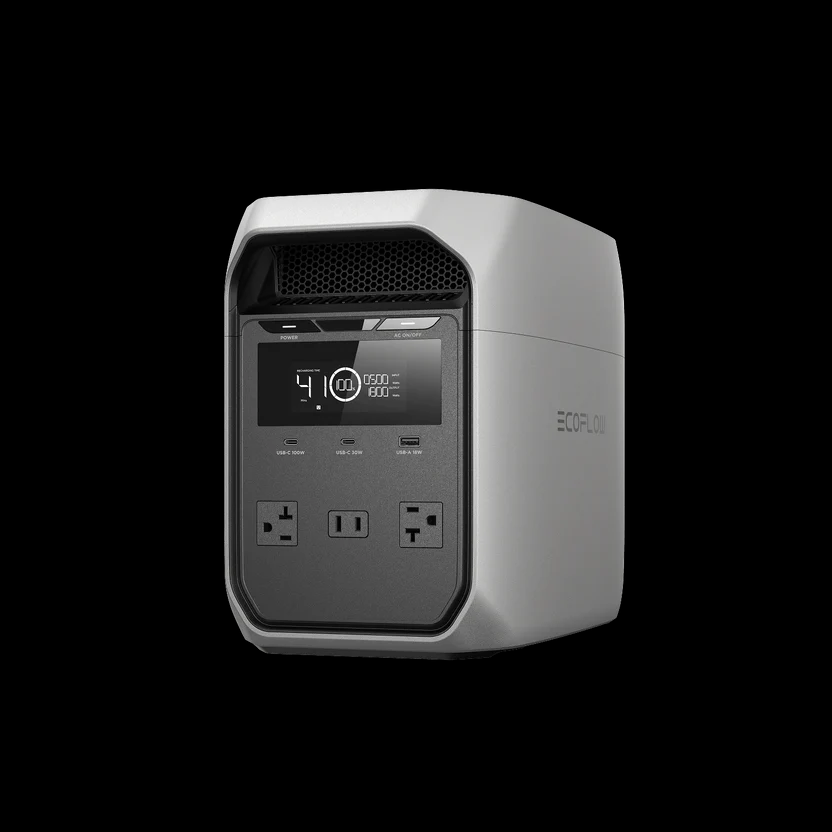
The EcoFlow DELTA 3 Classic offers a safe battery system for portable use. Using the same LiFePO4 chemistry and BMS protections, this unit allows you to charge devices in a tent or camper without fear of fire risks.
How Battery Management Systems and Pack Design Lower Fire Risk
A Battery Management System is an electronic safety feature that monitors the battery and intervenes when it approaches conditions that could lead to damage or fire. An effective BMS monitors cell voltage, temperature, current, and cell balance to ensure they remain within safe limits.
Battery enclosures shield batteries from environmental hazards while also mitigating gas buildup. Fusing ensures that if one battery cell fails, it will be isolated from its neighboring cells and prevent overheating. Cooling systems keep battery temperatures within a safe range during heavy loads or fast charging.
How to Prevent a Lithium Battery Fire at Home, in an RV, or While Camping
Battery composition can reduce fire risks, but responsible habits minimize the risks.
Smart charging: Only use chargers designed for your device, and unplug devices once they are fully charged.
Safe storage: Store batteries at room temperature, keep them away from direct sunlight, and keep them at a partial charge for long-term storage to minimize internal stress.
Avoid extreme temperatures: Don’t charge or store batteries below 32°F (0°C) or above 100°F (38°C).
If a battery overheats: Immediately stop using or charging the battery and remove it from the device if it’s safe to do so. Move it away from flammable materials while being careful not to puncture it or apply too much pressure. If there are signs of fire, use a Class D fire extinguisher on it before calling emergency services.
Choosing a Safety-Focused Power Station or Home Backup Battery
There are many factors to account for when choosing a safe portable power station or home backup battery.
Certifications: Look for certification UL 2743, the safety standard for portable battery packs. This certification ensures the battery systems are electrically safe and stable under abnormal conditions. UL 1973 ensures that the internal battery pack is robust against mechanical, electrical, and environmental hazards.
Real-world testing: Real-world testing not only results in obtaining the appropriate certifications, but it also highlights the cycle life, thermal management, and shock absorption.
Cell chemistry: Confirm the cell chemistry of the product you’re buying. Manufacturers will state whether their product uses LiFePO4 batteries. Products with vague information about their battery chemistry should be avoided.
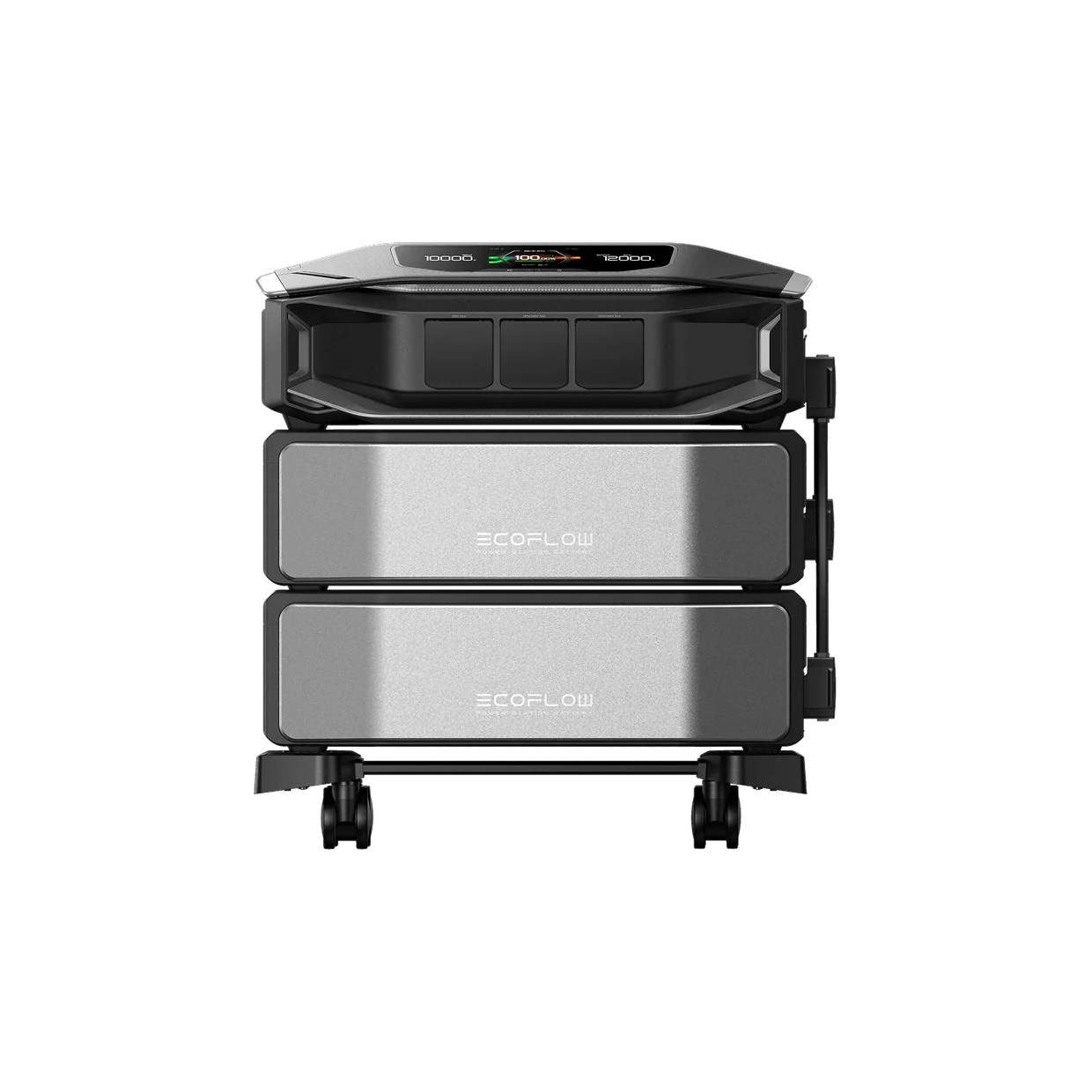
The EcoFlow DELTA Pro Ultra X features LiFePO4 cell chemistry with a multi-layered BMS and is designed for whole-home backup scenarios where the battery will operate unattended for extended periods. The unit incorporates cell-level protections, enclosure standards, and thermal management for safe home installations.
Frequently Asked Questions
What is thermal runaway, and what usually triggers it?
Thermal runaway is a self-accelerating process where heat triggers a chemical reaction that generates even more heat until the battery vents, ignites, or even explodes. It’s caused by physical damage, overcharging, external heat, or manufacturer defects.
Are LiFePO4 batteries fireproof, or can they still catch fire?
LiFePO4 batteries are not fireproof by any means. They can still catch fire, but they are much more fire-resistant than traditional cobalt-based lithium-ion cells since they do not release oxygen under stress.
Where is the safest place to keep or install a lithium battery system?
The ideal place to install a lithium battery system is in a cool, dry place away from flammable materials. Keep it away from direct sunlight and provide enough space for ventilation. Home backup systems are typically mounted in a garage or dedicated utility room.
How does a battery management system help prevent overheating and fires?
A BMS monitors a battery’s cell voltage, temperature, current, and cell balance to ensure they remain within its safe threshold. If any parameter exceeds safe limits, the BMS disconnects the load before damage can occur.
Safer Power Starts With Better Chemistry and Smarter Protection
Lithium battery fires occur due to predictable causes that reputable manufacturers and informed users can prevent. LiFePO4 chemistry cells don’t eliminate the fire risk, but reduce it significantly by preventing the release of oxygen that accelerates thermal runaway.
The EcoFlow DELTA Pro Ultra X offers whole-home backup power while maximizing safety. With LiFePO4 cell chemistry and an extensive BMS, the battery system ensures reliable backup power without the fear of fire.
For press requests or interview opportunities, reach out to our media team
media.na@ecoflow.com