Best Camping Battery Options for Off-Grid Adventures
- What Makes Off-Grid Camping Power Different from Home Power?
- What Types of Camping Batteries Are Available?
- What Devices Need Power at an Off-Grid Campsite?
- How Do You Choose the Right Battery Capacity for Your Trip?
- How Does Solar Charging Extend Off-Grid Battery Life?
- How Do Portable Power Stations Compare to Standalone Batteries?
- How Can You Plan Power for a Multi-Day Off-Grid Trip?
- Frequently Asked Questions
- The Right Camping Battery Keeps Off-Grid Adventures Powered, Comfortable, and Uninterrupted
Camping off-grid is the best way to experience the true outdoors, but there’s just one problem: you’re off-grid, and the closest outlet is more than likely miles away. Bringing the best camping battery for off-grid adventures will keep essentials like your phone, lights, and portable refrigerators running when you need them most. Learn the basics of off-grid camping batteries, plus tips for choosing the right one for your next trip.
What Makes Off-Grid Camping Power Different from Home Power?
At home, you probably don’t think much about electricity unless it goes off. And even then, having something like a whole-home backup power solution installed keeps outages from turning into a bigger disruption.
Off-grid camping requires a different approach. Once you leave the campground hookups (and possibly cell service) behind, you’re responsible for bringing, storing, and managing every watt you use.
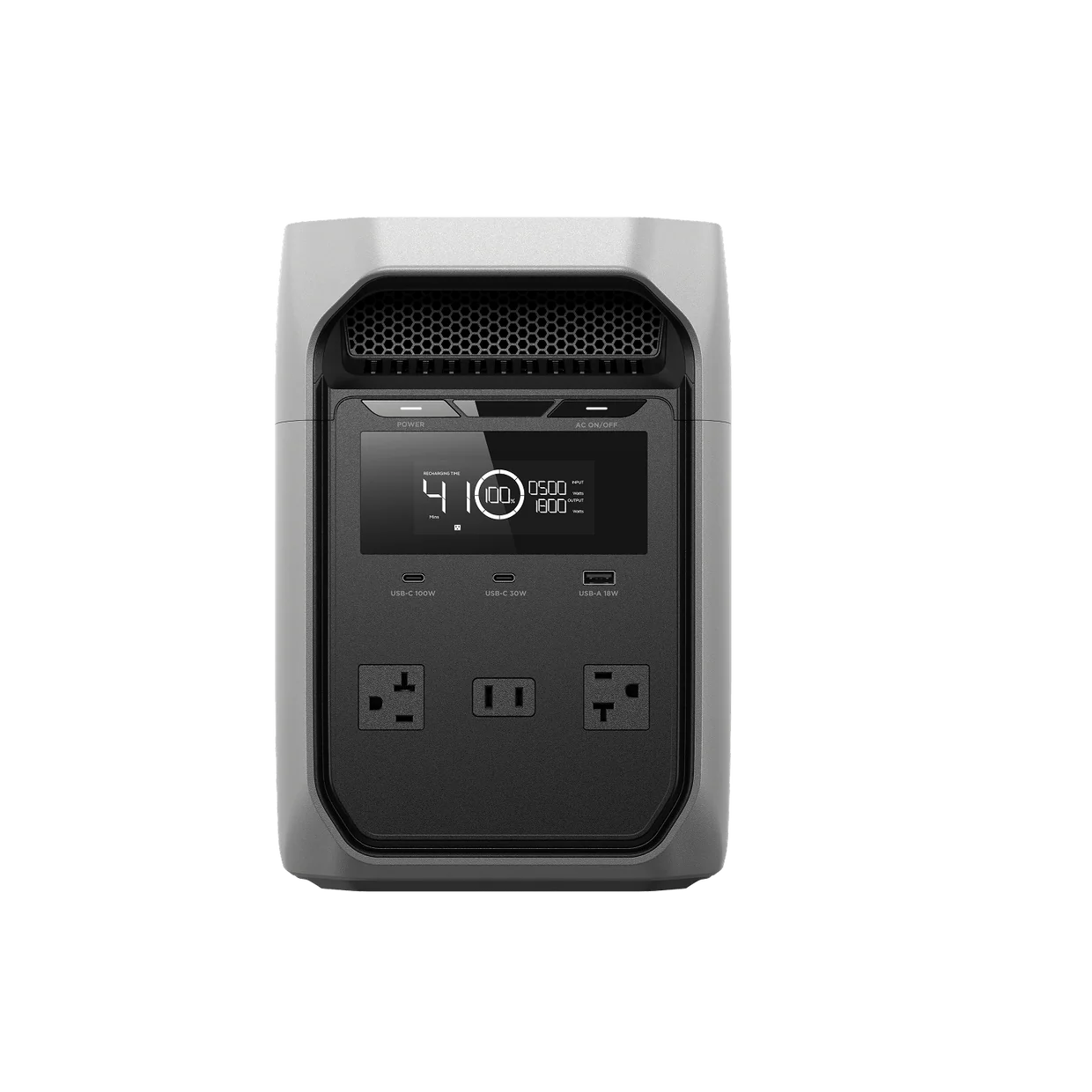
You can't recreate your entire house in the woods, but a portable power station like the EcoFlow DELTA 3 Classic can deliver enough power to keep you safe and comfortable without hauling a huge setup into the woods.
What Types of Camping Batteries Are Available?
Portable Power Stations
Portable power stations are one of the simplest ways to stay powered up when you’re off-grid. They combine a rechargeable battery, inverter, charge controller, and multiple output ports in one portable unit.
For example, the EcoFlow DELTA 3 Classic gives you enough power to run much more than phones and string lights. It can support higher-demand camping essentials, such as electric cooking equipment and small appliances, too.
LiFePO4 Batteries
Lithium iron phosphate (LiFePO4) batteries are popular for off-grid camping because they’re lightweight. They typically last through more charge cycles than traditional lead-acid batteries and can use more of their stored capacity without significantly shortening battery life. They rank among the best RV batteries for dry camping.
Lead-Acid and AGM Batteries
Lead-acid batteries have powered everything from boats and RVs to off-grid setups for decades. They're widely available and cost less upfront than newer lithium options. Unfortunately, they're heavy and have a shorter lifespan, so reliability can be an issue.
Absorbed glass mat (AGM) batteries are a sealed type of lead-acid battery. They don't need as much maintenance and are more spill-resistant, but they're still heavy.
What Devices Need Power at an Off-Grid Campsite?
For some people, going off-grid means truly going back to basics. But for most of us, going off-grid doesn’t mean ditching technology.
Even if you want to spend less time staring at screens, you’ll still need electricity for:
Phones
Smartwatches
GPS or satellite phones
Portable refrigerators or electric coolers
Cooking equipment
Fans or portable AC
Air pumps
How Do You Choose the Right Battery Capacity for Your Trip?
Battery capacity is measured in watt-hours (Wh). The higher the Wh rating, the more energy the battery can store.
So, how much energy do you need? To estimate the right amount:
List the devices you plan to use.
Check their wattage.
Multiply each device’s wattage by the number of hours you expect it to run for.
For example, a 50W portable refrigerator running for 10 hours would use 500Wh. But devices with motors also draw extra startup wattage and cycle on and off, so real-world use varies.
How Does Solar Charging Extend Off-Grid Battery Life?
Solar panels help extend your time off-grid by converting sunlight into electricity and feeding it back into your portable power station.
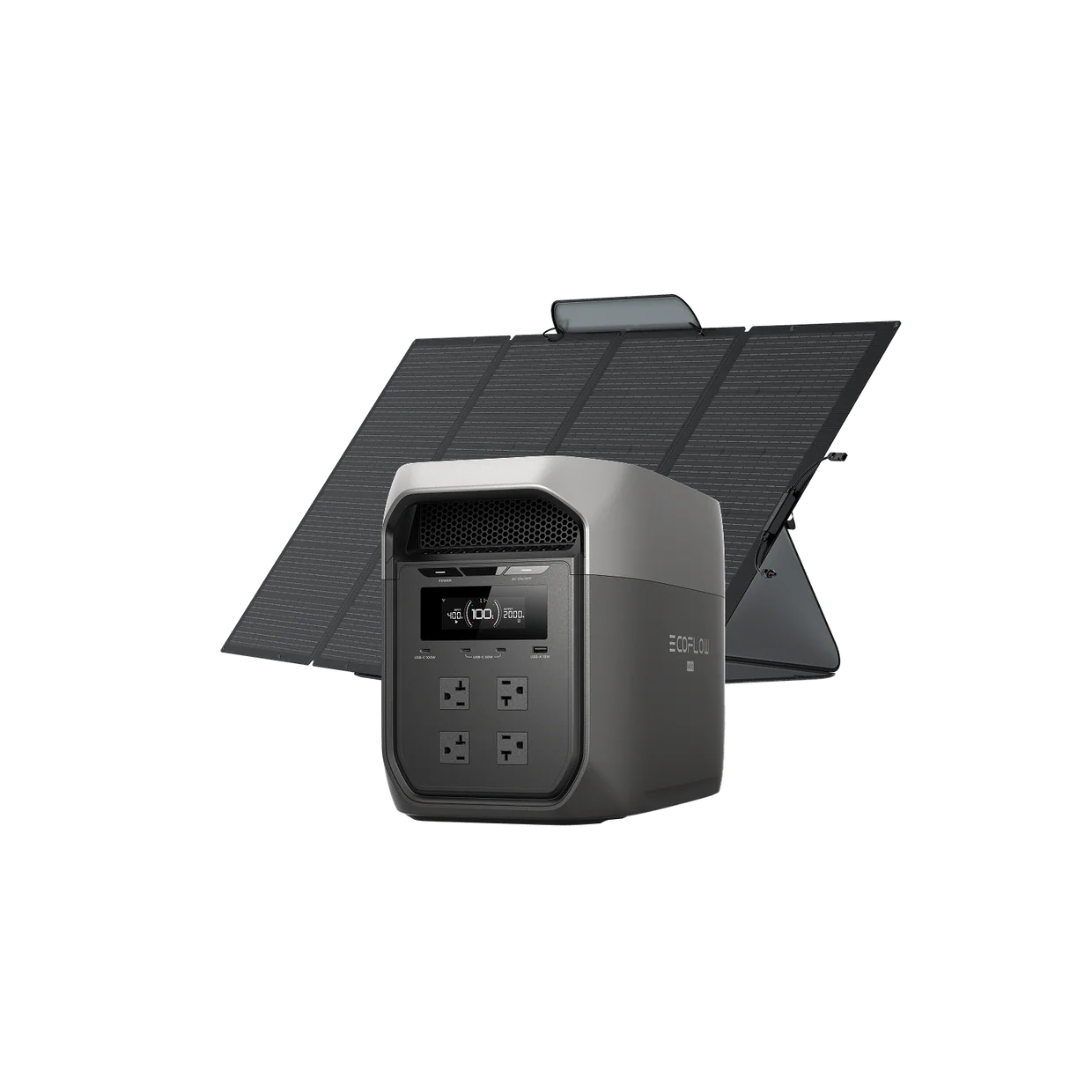
A portable power station on its own can keep you powered up for a few days, but when you need extra reliability during longer stays, go with something like the EcoFlow DELTA 3 Max + 400W Solar Panel. It has 2048 Wh of capacity, while the solar panel lets you recharge at camp without hookups or fuel.
How Do Portable Power Stations Compare to Standalone Batteries?
If you’re weighing portable power vs a dual battery, both can work off-grid, but batteries are more complex.
The best small portable power stations include a battery, inverter, charge controller, built-in safety features, display screen, and multiple output ports in one unit. Standalone batteries are fine for a custom setup, but you need to know what you’re doing and buy every component separately.
How Can You Plan Power for a Multi-Day Off-Grid Trip?
This isn’t the time to guess at your energy usage. Going off-grid works better with a plan in place.
Use the same wattage-and-hours math from the capacity section above to find your daily watt-hour usage, then multiply that number by how many days you'll be camping.
Add a 20–30% buffer to your estimate for breathing room.
Next, plan for recharging. This depends entirely on your setup, but the most common options are:
Solar: Bring your compatible solar panels and make sure you set up somewhere sunny. If your campground has too much tree cover or shade from surrounding elements, you might not be able to rely on solar at that location.
Vehicle charging: If you’re driving between campsites, you may be able to recharge while you’re on the road.
Wall charging: Fully charge your portable power station before leaving home and take advantage of campground hookups if they’re available.
Frequently Asked Questions
What Is the Best Battery Chemistry for Off-Grid Camping?
LiFePO4, or lithium iron phosphate, is one of the best battery chemistries for off-grid camping. They have a longer life and greater capacity than older lead-acid batteries. They’re also lighter, which makes them much more practical for hiking or off-gridding.
How Many Watt-Hours Do You Need for a Weekend Camping Trip?
It depends entirely on what you want to power. For a simple weekend trip where you’re powering your phones and lights, a few hundred watt-hours might be enough. But if you’re running appliances like a portable fridge, you’ll need at least 1,000Wh.
Do Portable Power Stations Work Well in Cold Weather?
To a certain extent. Very low temperatures hurt battery capacity and performance, and that goes for any battery. Generally, near-freezing temperatures can affect your battery's performance. Always check your power station’s recommended operating and charging temperature ranges before heading out.
The Right Camping Battery Keeps Off-Grid Adventures Powered, Comfortable, and Uninterrupted
With the right power setup, you can enjoy days or even weeks out in the great outdoors. When in doubt, choose a power station with 25% more capacity than you think you need. Adding solar panels to your setup can also make your system more resilient, too.
Traditional battery hookups have their place, but portable power offers more flexibility for most off-grid trips. See how the EcoFlow DELTA 3 Classic keeps you prepared for every adventure, or explore the EcoFlow DELTA 3 Max + 400W Solar Panel for a solar option.
For press requests or interview opportunities, reach out to our media team
media.na@ecoflow.com