LiFePO4 Battery Explained: Complete Guide (2026)
- What Is a LiFePO4 Battery?
- How Does a LiFePO4 Battery Work?
- What Are the Benefits of a LiFePO4 Battery?
- What Are the Drawbacks of a LiFePO4 Battery?
- How Does LiFePO4 Compare to Other Battery Types?
- What Are the Best Uses for LiFePO4 Batteries?
- How Do You Charge and Maintain a LiFePO4 Battery?
- Frequently Asked Questions
- LiFePO4 Batteries Deliver Safe, Long-Lasting Power for Every EcoFlow System
Rechargeable batteries play a vital role in portable electronics, EVs, and renewable energy systems. Demand for safer, longer-lasting, and more efficient energy storage has led to the development of LiFePO4 cells. It’s now a popular choice for anyone needing a reliable and safe energy storage solution. Keep reading to learn how LiFePO4 technology works, how it compares to other traditional deep cycle batteries, and where people use it most.
What Is a LiFePO4 Battery?
A LiFePO4 battery is a type of rechargeable lithium-ion battery. It uses lithium iron phosphate (LFP) as the cathode material. The combination of iron phosphate with lithium forms a stable three-dimensional crystal structure, providing thermal stability, long cycle life, and improved safety over other materials.
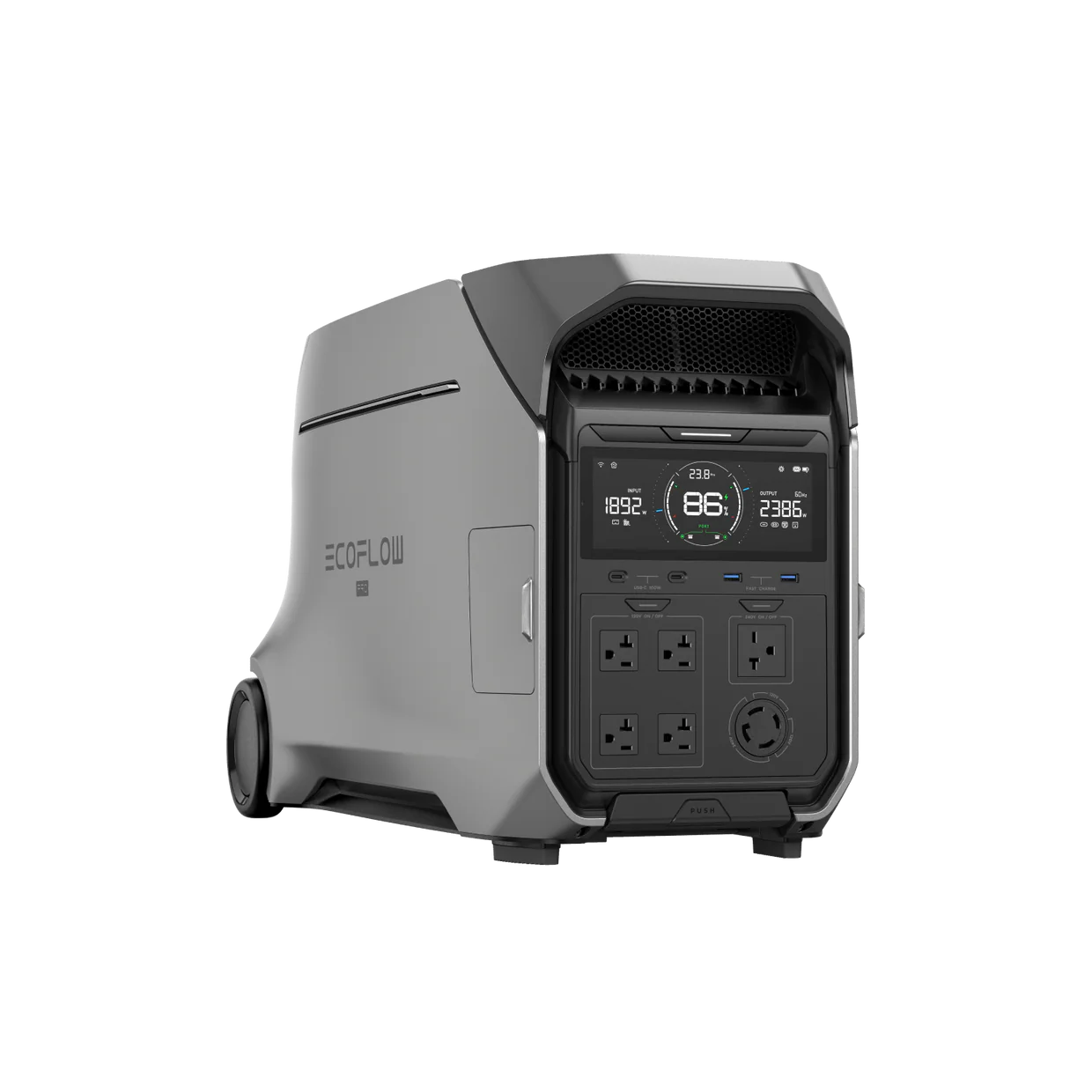
The EcoFlow DELTA Pro 3 Portable Power Station uses this same LFP chemistry, so you get that stability and longevity built into the system from the start.
How Does a LiFePO4 Battery Work?
A LiFePO4 cell stores and releases energy through the movement of lithium ions between four main components: the cathode, anode, electrolyte, and a separator. During charging, electrons from an external circuit negatively charge the anode.
Lithium ions move from the lithium iron phosphate cathode through the electrolyte to the graphite anode to balance the charge. They stick to the anode, becoming stored energy.
During discharge, the process reverses. Lithium ions return to the cathode while electrons flow through the external circuit, providing electricity to connected devices.
What Are the Benefits of a LiFePO4 Battery?
Long Life Span: The cycle life of LiFePO4 ranges from 2,500 to 5,000 cycles to 100% depth of discharge before gradually dropping in performance. That translates to roughly 10–15 years of use for most people.
Better materials: Non-toxic materials like iron and phosphate are safer for the environment than nickel or cobalt.
Safety: They have a low risk of thermal runaway, where an internal chemical chain reaction occurs leading to explosions and fires. LFP is safer than other lithium-ion chemistries, like NMC. They also don’t release toxic gas like lead-acid batteries.
What Are the Drawbacks of a LiFePO4 Battery?
High Initial Cost: Lithium-ion batteries are the most expensive on the market. Mining and refining lithium for batteries is an expensive process, increasing the total cost of the system.
Lower Energy Density: Compared to lithium-ion (NMC). You’ll need a larger and heavier battery to reach the same capacity.
How Does LiFePO4 Compare to Other Battery Types?
LiFePO4 vs. Lithium-Ion (NMC)
Lithium-ion (NMC) has a higher energy density, allowing it to store more energy in smaller spaces. It’s ideal for EVs, laptops, and smartphones. LiFePO4 performs better in cycle life, thermal stability, and safety.
LiFePO4 vs. Lead-Acid
LiFePO4 outperforms traditional lead-acid batteries. Lead-acid batteries typically shouldn't be discharged past 50% depth of discharge without shortening their lifespan, while LiFePO4 batteries can regularly reach close to 100% depth of discharge with far less impact on longevity. LFP is also much lighter, charges faster, and has nearly no maintenance needs.
LiFePO4 vs. AGM
Absorbent glass mat (AGM) is a type of lead-acid battery that requires no maintenance. They’re common in RVs, less expensive upfront, and outperform in cold weather. LiFePO4 still has a longer cycle life, faster charging, and lower weight.
What Are the Best Uses for LiFePO4 Batteries?
Home Backup Power
At home, you can use LFP systems to store large amounts of energy from the grid or solar panels, giving you a whole home backup power solution during outages. You can also lower your utility bills over time through solar power.
Solar Energy Storage
LiFePO4 technology is more frequently found in solar battery systems since it pairs well with solar panels. High charging efficiency means more of the energy your panels generate gets stored for later use. Since they tolerate thousands of charge and discharge cycles, you can use them with grid-tied or off-grid solar systems.
RVs, Vans, and Marine Systems
If you're an RV owner, van lifer, or boater, you need lightweight, high-power batteries for heavy off-grid use of electronics, appliances, and lighting. LFP is a common choice for this use case, thanks to the low maintenance and higher safety it offers.
Portable and Outdoor Power
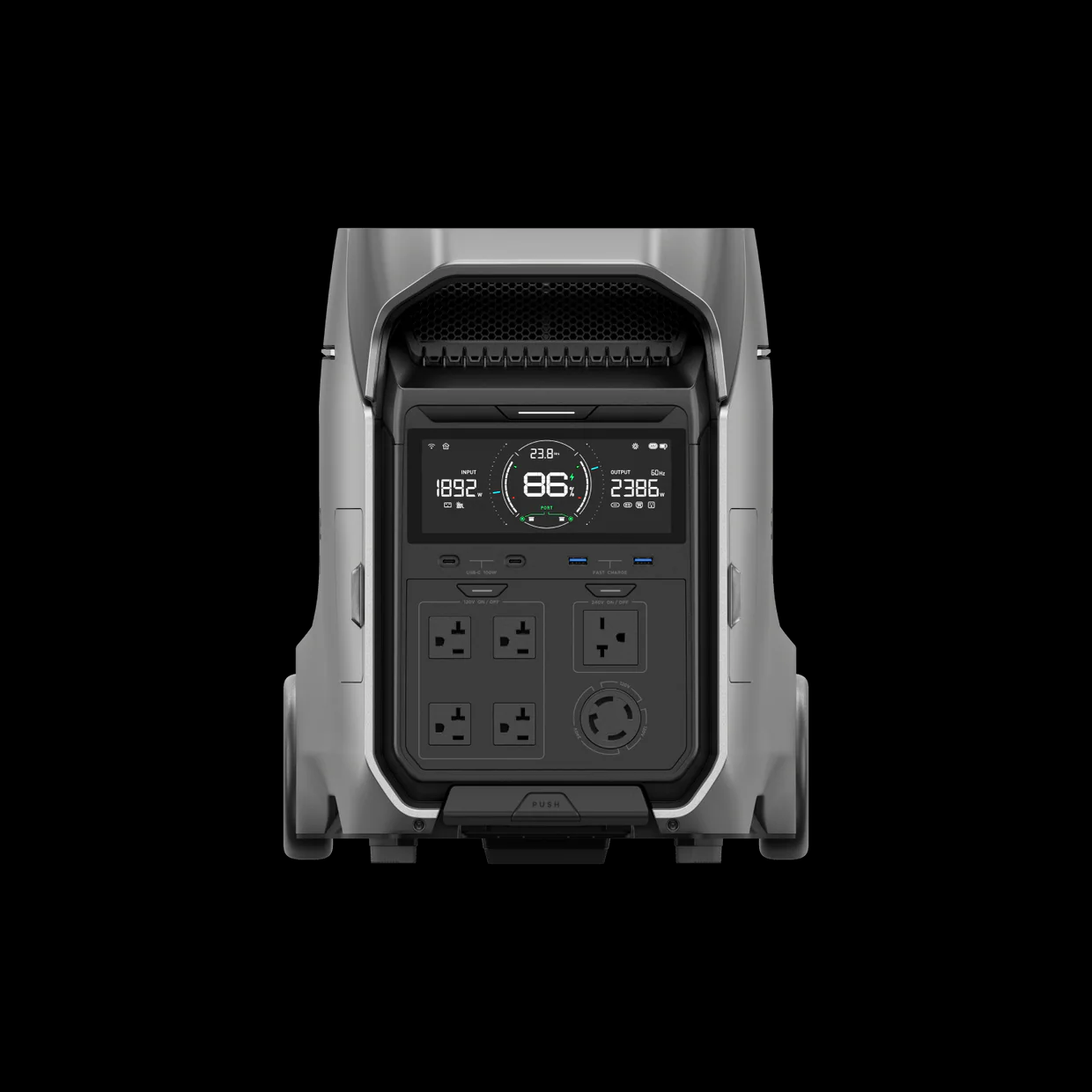
Portable power stations powered by LFP batteries are increasingly popular for camping, overlanding, emergency preparedness, and outdoor work. The EcoFlow DELTA Pro 3 Portable Power Station is one example, built around LiFePO4 cells to deliver consistent power, quick recharge, and a longer lifespan than older chemistries.
How Do You Charge and Maintain a LiFePO4 Battery?
Charging a LiFePO4 is simple, but requires the correct equipment. A charger designed for this battery chemistry is necessary to prevent overcharging. Most systems come with an internal BMS to protect against overcharging, overheating, and short-circuiting.
There’s nearly no required maintenance, unlike flooded lead-acid batteries where you need to refill water, clean terminals, and calibrate the electrodes. For long-term storage of LFPs, store in a cool, dry space at 40–60% charged.
Frequently Asked Questions
How Long Do LiFePO4 Batteries Last?
LiFePO4 is one of the longest-lasting rechargeable batteries on the market. Most are rated for 2,500 to 5,000 charge cycles or about 10 to 15 years. They may have a higher initial cost, but their long life span makes them cost-effective for situations needing frequent charging and discharging.
Is LiFePO4 Safer Than Lithium-Ion?
Yes, it is much safer than other lithium-ion chemistries, such as NMC. LiFePO4 is considered one of the safest lithium battery chemistries. They’re more thermally stable than other battery chemistries, so they’re less prone to overheating and thermal runaway. The internal BMS further enhances safety.
Can You Use a LiFePO4 Battery Indoors?
Yes, you can use these batteries indoors safely. Lithium iron phosphate technology is often used indoors as backup power systems, solar energy storage, or as portable power stations. They don’t release toxic fumes like other deep cycle batteries, and they’re also much quieter than gas generators.
Do LiFePO4 Batteries Need a Special Charger?
Yes, and the best way to charge them is with a LiFePO4 compatible charger, which is specifically designed to charge at the correct voltage to prevent damage. A lead-acid charger will not work with lithium batteries. Several brands of lithium batteries can be charged from wall outlets and solar panels.
LiFePO4 Batteries Deliver Safe, Long-Lasting Power for Every EcoFlow System
Lithium iron phosphate technology enables long-lasting, high safety, and efficient energy storage systems. These batteries are a reliable choice for powering an off-grid solar system, RVing, and whole home backup generators. While there is a higher upfront cost, their long lifespan makes up for it.
Whether you're setting up backup power at home or on the road, the EcoFlow DELTA Pro 3 Portable Power Station uses this same LiFePO4 chemistry to give you dependable, long-lasting energy storage you can count on.
For press requests or interview opportunities, reach out to our media team
media.na@ecoflow.com