Joshua Tree Camping 2026: Desert Sites and Portable Power
- Why Does Joshua Tree Camping Require Extra Planning?
- The 5 Best Desert Campsites in Joshua Tree
- Reservations or First-Come, First-Served: Which Sites Fill Up Fastest?
- Why Is There No Electrical Power at Any Joshua Tree Campground?
- What Should You Pack for Extreme Desert Temperature Swings?
- How Does Portable Power Solve Off-Grid Camping Challenges?
- Frequently Asked Questions
- Portable Power Keeps Your Joshua Tree Desert Camping Trip Charged and Comfortable
Joshua Tree camping rewards travelers who plan ahead. Between limited reservable sites, no electrical hookups, and temperature swings that can exceed 40°F between day and night, a great trip here depends on preparation as much as scenery. Here's how to pick a site and stay comfortable through the night.
Why Does Joshua Tree Camping Require Extra Planning?
Joshua Tree National Park sits at the meeting point of the Mojave and Colorado deserts, so weather, terrain, and site availability shift depending on where you pitch your tent.
If you're a seasoned camper who's spent nights at places like Zion National Park, Death Valley, or Big Bend, you'll know that desert camping rewards preparation over spontaneity, and Joshua Tree is no exception.
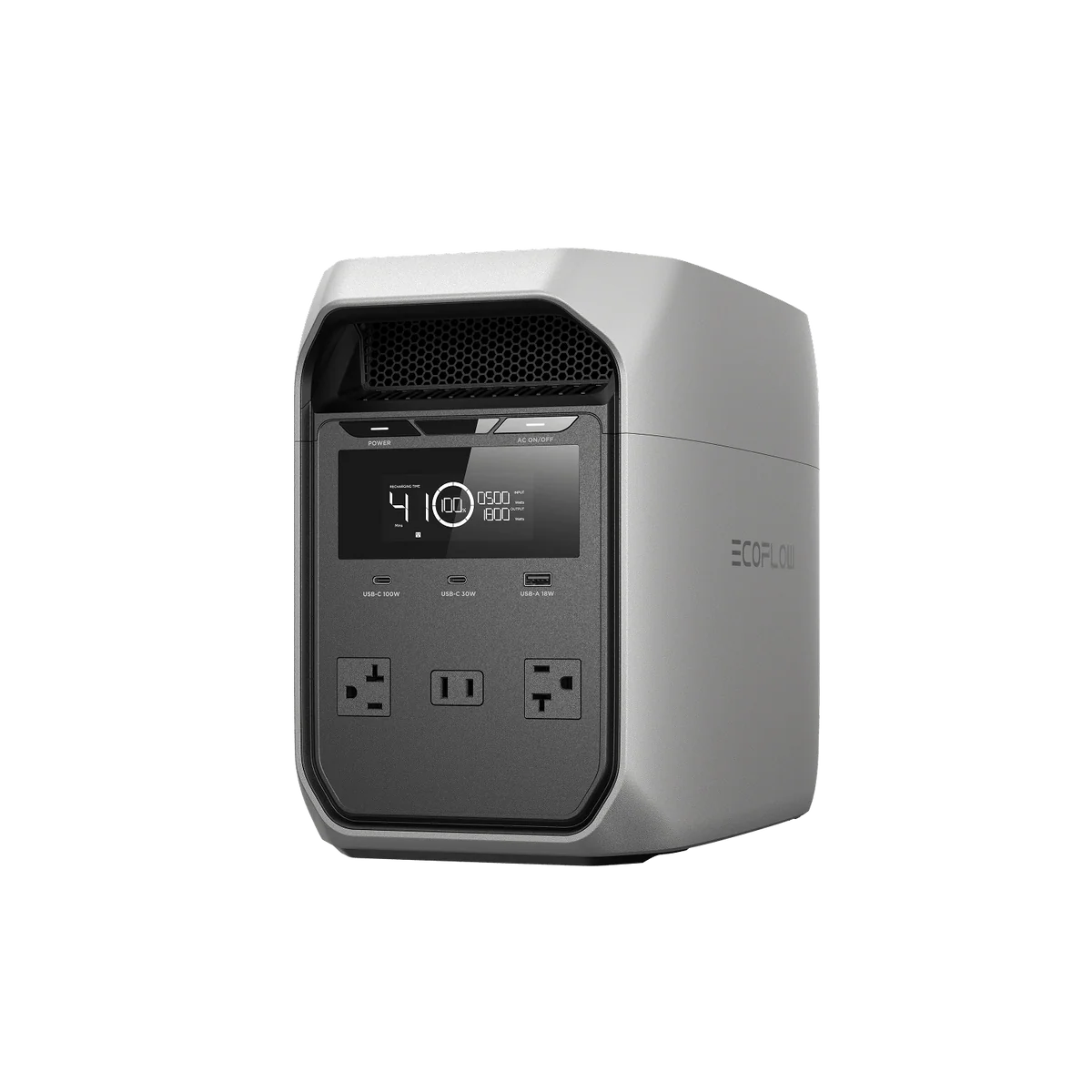
None of the park's nine campgrounds offer electrical hookups, running water is limited to a handful of locations, and popular sites can book out within minutes. An EcoFlow DELTA 3 Classic (1024Wh) solves the power side of that equation, but choosing the right campground still comes first.
The 5 Best Desert Campsites in Joshua Tree
Other California desert parks come with their own site-and-power tradeoffs. The best California campsites for off-grid power planning follow a similar pattern to what's below.
Jumbo Rocks Campground
Jumbo Rocks is the park's largest campground, with 124 sites tucked between massive monzogranite boulders. Its size and central location make it a favorite for stargazing and easy rock scrambling, but that popularity means sites go fast once booking windows open.
Hidden Valley Campground
Hidden Valley sits in a boulder-ringed basin close to some of the park's most popular climbing routes. It's first-come, first-served only, with just 44 sites, so arriving early in the day is the only way to secure a spot during peak season.
Black Rock Campground
Tucked into the park's northwest corner at around 4,000 feet, Black Rock sits in a sandy wash lined with Joshua trees and pinyon pines. The elevation brings slightly cooler air and softer ground than the central desert sites, and it's one of the few campgrounds with potable water.
Cottonwood Campground
Located in the park's southern section, Cottonwood sits in Colorado Desert terrain with a different look than the boulder-heavy north, think creosote flats and ocotillo instead of granite piles. It's quieter, has flush toilets, and makes a good base for exploring the Cottonwood Spring oasis.
Belle and White Tank Campgrounds
Belle and White Tank are two of the park's smallest, quietest campgrounds, both first-come, first-served. Their limited site counts make them a solid backup when bigger reservable campgrounds are full, especially for travelers who prioritize dark skies over amenities.
Reservations or First-Come, First-Served: Which Sites Fill Up Fastest?
Black Rock, Cottonwood, Indian Cove, Jumbo Rocks, Ryan, and Sheep Pass all take reservations through Recreation.gov, typically opening six months in advance. Jumbo Rocks sites in particular can vanish within minutes of the booking window opening.
Belle, Hidden Valley, and White Tank remain first-come, first-served, and during spring's high season, they often fill by mid-morning on weekdays and by sunrise on weekends.
If your dates are flexible, a weekday arrival at a first-come campground is usually your best shot at a site.
Why Is There No Electrical Power at Any Joshua Tree Campground?
Joshua Tree's campgrounds preserve a primitive desert experience, and running electrical infrastructure to remote sites across the park's roughly 800,000 acres would conflict with wilderness protections that govern much of the land. That leaves campers responsible for their own power, whether for a phone, a headlamp, or a small fan on a hot afternoon.
What Should You Pack for Extreme Desert Temperature Swings?
Desert air holds almost no humidity, so heat that builds up during the day radiates away fast once the sun sets. Daytime highs in the 80s or 90s °F can drop into the 30s or 40s °F by early morning, and winter nights occasionally dip below freezing. Pack a sleeping bag rated well below the forecast low, layers you can add or shed easily, and a windbreak for your campsite.
How Does Portable Power Solve Off-Grid Camping Challenges?
Charging Phones and Cameras for Stargazing Trips
Joshua Tree's dark skies are a major draw, and a night of long-exposure photography or stargazing can drain a phone or camera battery fast. A portable power station lets you recharge devices at your site instead of rationing battery life or hiking back to the car.
Running Lights and Small Appliances Overnight
String lights, a lantern, or a small speaker all draw modest power, but running them off disposable batteries adds up in cost and waste over a multi-night trip. A single charge covers a full weekend of light use for most campers.
Staying Cool or Warm without Hookups
A small fan on a hot afternoon or a heated blanket on a cold night can make the difference between a rough night and a good one. Since Joshua Tree campgrounds have no hookups anywhere in the park, a portable power station is the only practical way to run either.
Frequently Asked Questions
Do Any Campgrounds in Joshua Tree Have Electrical Hookups?
No. All nine campgrounds in Joshua Tree National Park are designed for tent and RV camping without electrical, water, or sewer hookups. A handful of campgrounds have potable water, but power for devices, lights, or small appliances has to come from something you bring yourself, like a portable power station or extra batteries.
Which Joshua Tree Campgrounds Require Reservations?
Black Rock, Cottonwood, Indian Cove, Jumbo Rocks, Ryan, and Sheep Pass require reservations through Recreation.gov, usually bookable six months ahead. Belle, Hidden Valley, and White Tank stay first-come, first-served year-round. Reservable sites, especially Jumbo Rocks, can book out within minutes of the window opening during busy seasons.
How Cold Does It Get Camping in Joshua Tree at Night?
Nighttime temperatures regularly fall into the 30s and 40s °F, and winter nights can dip below freezing, especially at higher-elevation campgrounds like Black Rock. Because desert air holds so little humidity, heat escapes quickly after sunset, creating swings of 30 to 40°F between daytime highs and overnight lows even outside winter months.
What Size Portable Power Station Do You Need for Desert Camping?
For a typical weekend of phone charging, lights, and a small fan or heated blanket, a station in the 1,000 to 1,500 watt-hour range covers most needs without excess bulk. Bigger groups or longer trips with a cooler or CPAP machine running overnight may want to size up or plan for a solar top-up.
Portable Power Keeps Your Joshua Tree Desert Camping Trip Charged and Comfortable
Between limited reservation windows, first-come sites that fill by sunrise, and nights that swing 40°F colder than the afternoon, Joshua Tree rewards campers who show up prepared on both fronts: a site strategy and a power plan.
Once you've locked in your dates and picked a campground, the EcoFlow DELTA 3 Classic (1024Wh) handles the rest, keeping your phone, lights, and small comforts running through however many nights you're out there.
For press requests or interview opportunities, reach out to our media team
media.na@ecoflow.com