Is Electricity Cheaper at Night? What Homeowners Need to Know
For a lot of American homeowners, the electric bill never feels consistent. One month it’s reasonable, the next it jumps without much warning. There’s a reason for that, and a way to work around it. In many areas, electricity really is cheaper at night. Once you understand how Time-of-Use rates work, you can shift when you use power and lower your bill without giving anything up.
In this guide, we’ll break down why electricity prices change throughout the day, when nighttime rates are lowest, and how homeowners can take advantage of off-peak hours. We’ll also look at practical tools, including portable power stations, that make those savings easier to manage.
Why Do Electricity Prices Vary by Time?
If your electric bill spikes during a heatwave or a freezing evening, that’s demand at work. Utilities don’t charge one flat rate because the cost of generating and delivering power changes throughout the day. When more people need electricity at the same time, it costs more to supply it.
Peak Hours vs. Off-Peak Hours
Power demand rises and falls in predictable cycles. To manage that, many utilities use Time-of-Use (TOU) pricing, where the price per kilowatt-hour depends on when you use electricity. Higher demand means higher rates, and lower demand brings cheaper pricing.
What Are the Peak Hours for Electricity?
Peak hours usually fall between 4:00 PM and 9:00 PM. That’s when most households are active, running heating or AC, cooking dinner, and using appliances all at once. This puts the most strain on the grid, which is why rates are highest during this window.
What Are Off-Peak Hours for Electricity?
Off-peak hours are periods when electricity demand drops. In much of the U.S., this typically occurs late at night, often from 11:00 PM to 6:00 AM. In some regions, midday can also qualify as off-peak when many people are at work, and solar generation is strong. During these lower-demand periods, electricity is usually cheaper, making it an ideal time to charge batteries, run high-energy appliances, or store power using a solar generator for later household use.
When Is Electricity Cheapest?
In most areas, electricity is cheapest late at night and into the early morning. This window is often considered the cheapest time to use electricity because overall demand drops and the grid has more breathing room. For example, in California, off-peak electricity can run 10–20% cheaper than peak rates. For a typical household, that can mean saving $30–50 a month just by running things like the dishwasher or washing machine overnight. Utilities lower prices during these hours to encourage people to move usage away from the busy evening window.
How Supply and Demand Affect Your Rates
It really comes down to demand. When electricity use spikes, utilities have to fire up “peaker plants,” which are more expensive and less efficient to operate. Higher prices during peak hours are meant to push usage later, when demand drops and power is cheaper to produce. Shifting even a few high-energy tasks can make a noticeable difference on your bill.
Benefits of Using Electricity at Night
Shifting more of your energy use to nighttime doesn’t just lower your bill. It can also be easier on your home and better for the grid overall.
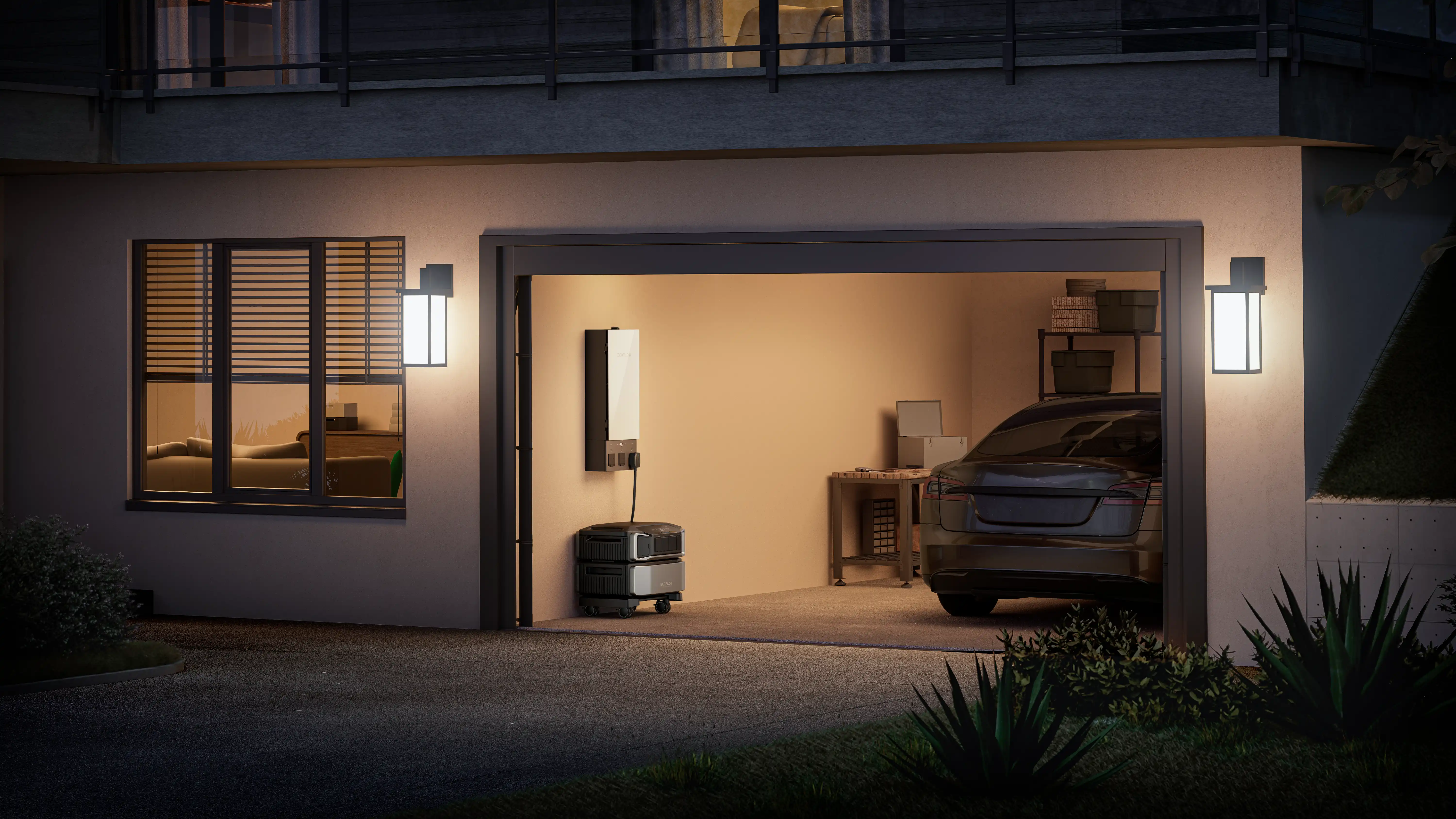
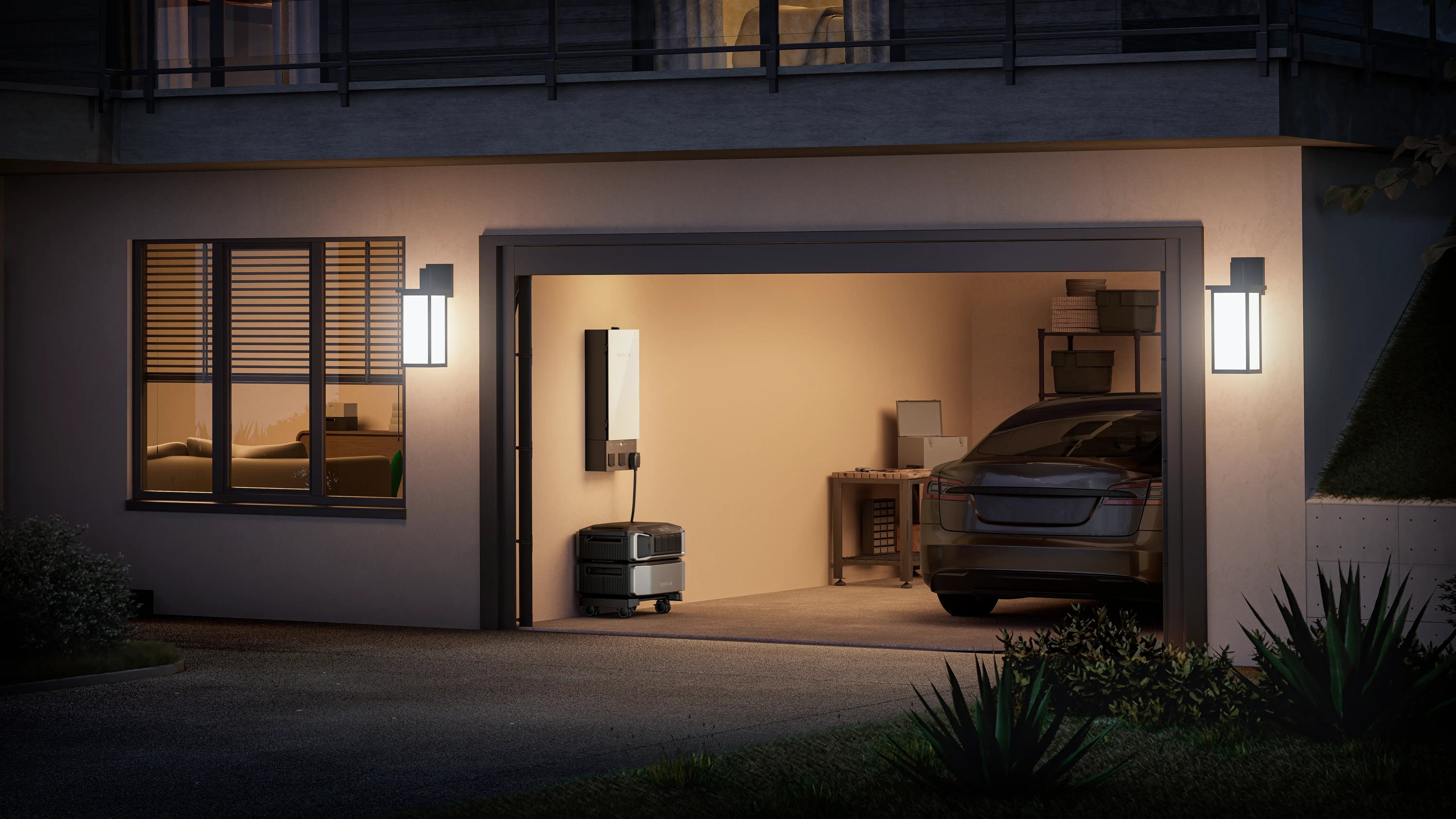
Save on Electricity Bills
The biggest benefit is simple: you pay less. Many Time-of-Use plans offer noticeably lower rates during off-peak hours, so running appliances at night can reduce your monthly costs without changing how you live.
Extend Appliance Lifespan
Running high-energy appliances like washers or dishwashers at night avoids stacking electrical load during the hottest part of the day. That can reduce stress on your home’s wiring and help appliances last longer.
Reduce Peak-Time Grid Strain
Using less power during peak hours helps ease pressure on the grid. That lowers the risk of local outages and reduces the need for utilities to build costly new infrastructure.
Environmentally Friendly Energy Use
Electricity used at night often comes from more stable sources known as baseload power plants, like nuclear facilities or large wind farms that run around the clock. These sources provide steady energy and are generally cleaner than the peaker plants that utilities rely on during busy daytime hours, which tend to burn more fossil fuels and operate less efficiently.
Some homeowners build on this by storing off-peak electricity for later use. A portable power station like the EcoFlow DELTA Pro Portable Power Station
How to Make the Most of Off-Peak Electricity Rates
Getting real savings from off-peak electricity usually comes down to a few habit changes paired with the right tools. The goal is simple: shift energy use to cheaper hours without making daily life harder.
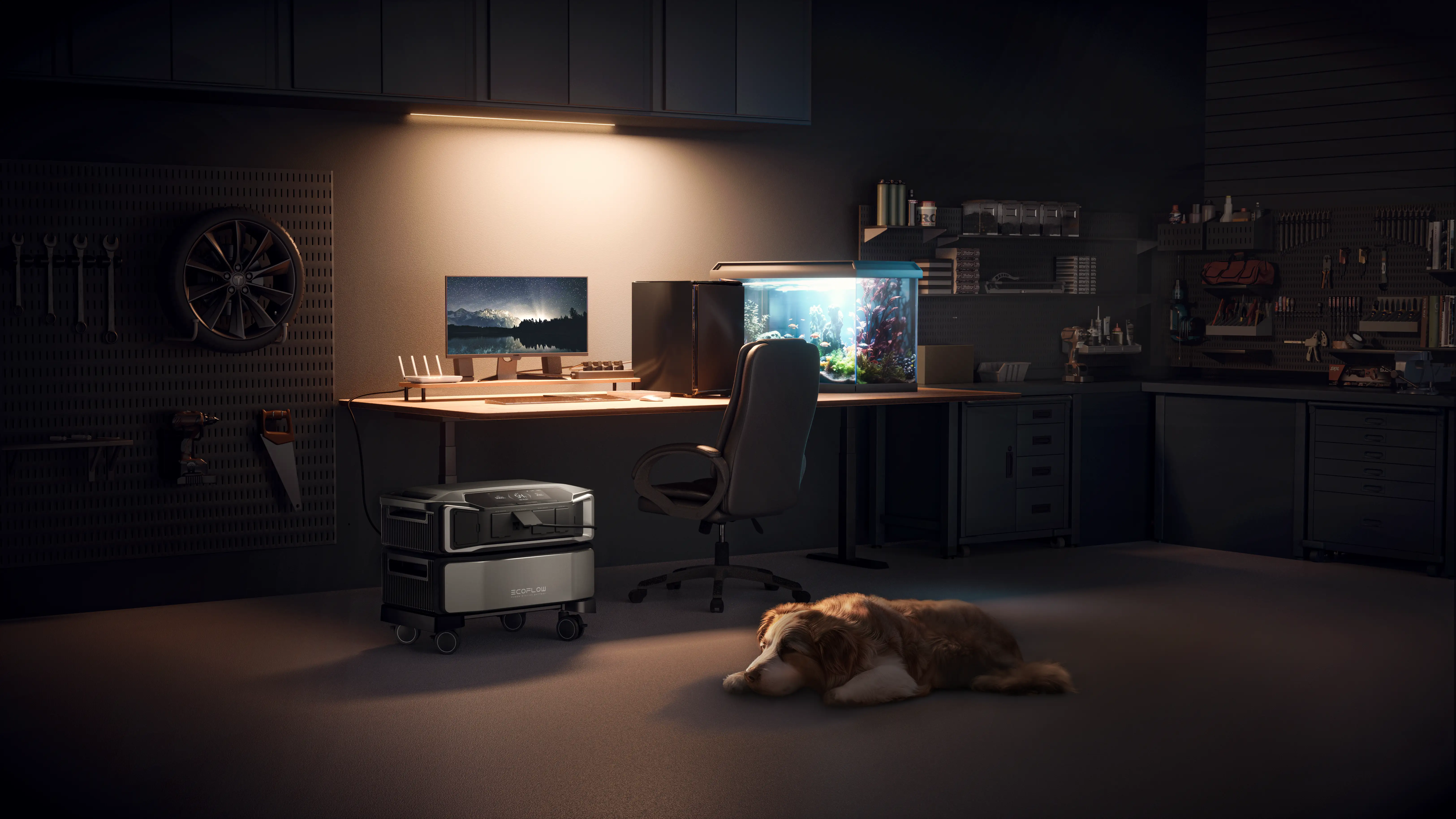
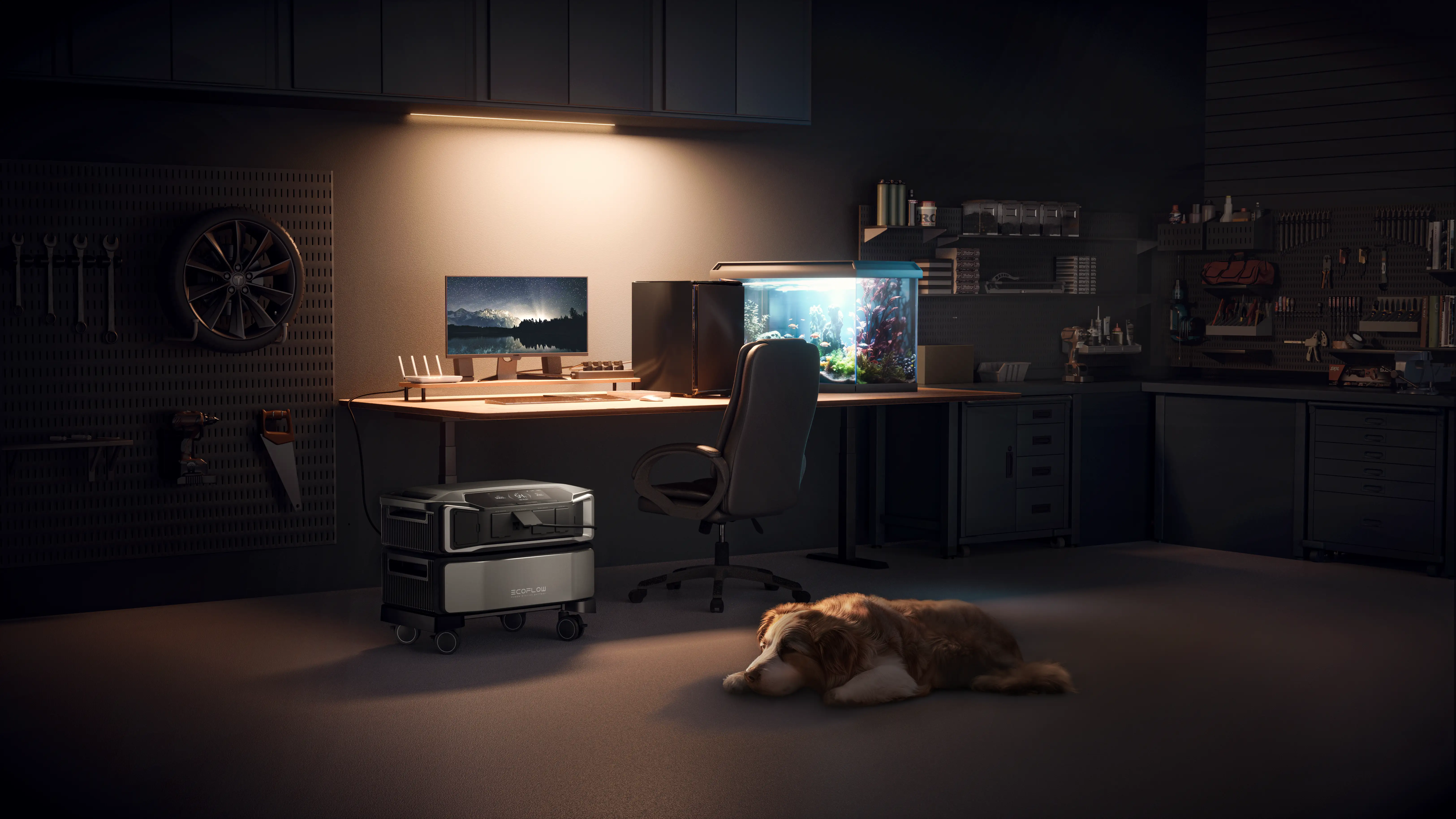
Schedule High-Energy Appliances for Off-Peak Hours
Most modern dishwashers, washers, and dryers have a delay-start option. Setting them to run after 11:00 PM lets them take advantage of the lowest rates while you’re asleep, with no extra effort on your part.
Use Smart Meters and Programmable Devices
Smart thermostats like Nest or Ecobee can pre-cool or pre-heat your home during off-peak hours. Your house holds that temperature during peak times, so you stay comfortable while using less expensive power.
Combine Off-Peak Use with Home Backup System
For homeowners who want to take advantage of off-peak electricity rates without giving up dependable backup power, the EcoFlow DELTA Pro Ultra X Whole Home Backup Power system fits naturally into a long term energy strategy. With a strong continuous output of 12-36 kW and expandable storage from 12-180 kWh, it makes it possible to capture large amounts of lower-cost nighttime electricity. That stored power can then handle energy-hungry appliances during the day, things like HVAC systems, electric dryers, or EV charging, cutting grid reliance and helping smooth out expensive peak-hour utility rates in everyday American households.
Adjust Daily Habits
Small changes add up. Charging an EV, laptop, or power tools overnight instead of during the evening peak can lead to noticeable savings over the course of a year.
How to Check Your Local Off-Peak Rates
Finding your off-peak hours usually takes a little digging. Every utility company sets its rates differently based on local regulations and grid demand. What matters is knowing exactly when electricity is cheapest in your area so you’re not running high-power devices during quiet windows that still count as peak pricing. Once you understand that off-peak hours vary by location, the next step is checking what your own utility actually publishes.
Review Your Utility’s Time-of-Use Plan
Start by logging into your utility’s online portal, like PG&E, Con Edison, or Duke Energy, and look for the “Rates” or “Rate Options” section. Most providers clearly list their Time-of-Use (TOU) plans, showing the price per kilowatt hour ($kWh$) at different times of day. These schedules often change between summer and winter. Cooling and heating demand can shift peak hours, so it’s worth checking the current season rather than assuming last year’s rates still apply.
Use Online Calculators or Rate Tools
Many utilities also offer tools like “Bill Comparison” or “Rate Assistant” that use your past energy usage to estimate savings under an off-peak plan. These tools make it easier to see real numbers instead of guessing. They’re especially helpful for visualizing load-shifting. You can see how moving things like laundry, dishwashing, or EV charging to nighttime hours would affect your bill before you change anything.
Compare Rates Across Different Time Blocks
Not every plan stops at just peak and off-peak. Some regions also offer a “Super Off-Peak” window, usually late at night, often between 2:00 a.m. and 6:00 a.m., when demand is lowest, and prices drop even further. These hours are ideal for energy use that doesn’t need supervision, like overnight charging or long appliance cycles, and they can offer the biggest savings if you plan around them.
Check for Weekend and Holiday Exemptions
In many parts of the U.S., utilities treat weekends and federal holidays as off-peak all day. That means you can run larger appliances without worrying about timing. Looking at your utility’s holiday calendar can reveal extra low-cost windows for energy-heavy tasks like deep cleaning, long cooking sessions, or multiple loads of laundry in one day.
Contact Your Utility for Clarifications
If rate charts or billing terms feel confusing, a quick call to customer service can clear things up. Ask them to explain your local shoulder hours, which are the transition periods between peak and off-peak pricing. Knowing exactly when rates drop helps you time energy use more accurately and avoid surprises on your monthly bill.
Common Mistakes That Reduce Off-Peak Savings
Even with good intentions, it’s easy to lose savings without realizing it. Small habits and timing mistakes can quietly undo the benefits of off-peak planning. Avoiding these common issues helps make sure your load shifting efforts actually show up on your monthly electric bill.
Leaving Appliances on Standby
Many homeowners don’t realize how much power is used by devices that are technically “off.” TVs, game consoles, streaming boxes, and computer monitors still draw electricity as long as they’re plugged in. These so-called vampire loads can add up to around 10% of a typical household’s energy use. Using smart power strips or unplugging electronics before bed helps eliminate this invisible drain and keeps overnight savings from slowly leaking away.
Not Syncing Schedules with Off-Peak Hours
One common mistake is assuming off-peak pricing starts right after dinner. In many areas, discounted rates don’t kick in until late at night. If your off-peak window begins at midnight and you start laundry at 9:00 p.m., you’re still paying full peak rates. It’s worth double-checking appliance timers and smart home schedules to make sure they match your utility’s exact rate changes, not just your evening routine.
Overusing High-Energy Devices at Peak Hours
Even if you shift most energy use to nighttime, running high-draw appliances during peak hours can wipe out those gains. Ovens, electric dryers, and portable space heaters used between 5:00 p.m. and 8:00 p.m. can create expensive spikes on your bill. To avoid that, try cooking earlier in the day, air drying clothes when possible, or using smaller appliances like microwaves or air fryers during the evening rush.
Conclusion
Knowing when electricity is cheapest gives you real control over your monthly bills. Simply shifting heavy energy use to nighttime hours can lower everyday costs without changing how you live. When that habit is paired with smart storage options like the EcoFlow DELTA Pro series, using a reliable power station to store off-peak energy, off-peak pricing stops being a headache and starts working in your favor. The best part is that getting started doesn’t require a major lifestyle change. Check your local utility’s rate schedule, adjust a few routines, and see how much difference timing alone can make. Sometimes, saving money really is as simple as flipping the switch a few hours later.
FAQ
1. What runs your electric bill up the most?
Heating and air conditioning usually cost the most, especially during very hot or cold weather. Water heaters and clothes dryers are often next, particularly if they’re used a lot or during peak hours.
2. Does turning off lights save electricity?
Yes. It matters most with older bulbs, but even with LEDs, turning lights off when you don’t need them still reduces wasted power.
3. How can I find out what is using the most electricity in my house?
You can use a home energy monitor or check your utility’s smart meter app. Both let you see what’s running in real time and which appliances use the most power.
4. Does leaving something plugged in but off consume electricity?
Yes. Many electronics still use a small amount of power when they’re plugged in, even if they’re turned off. Over time, that adds up. This is why unplugging appliances saves electricity, especially for devices with standby lights, digital displays, or remote controls that continue drawing power when not in use.
5. What appliance should be unplugged every night?
Things like coffee makers, toasters, and printers are good ones to unplug. They don’t need power overnight and can quietly use electricity if left plugged in.
For press requests or interview opportunities, reach out to our media team
media.na@ecoflow.com