Solar Insolation vs. Irradiance: Optimizing Your 400W Panel
Setting up the EcoFlow 400W Rigid Solar Panel might sound simple enough. You install it, put it in the sun, and wait for it to crank out sustainable power. But your panels probably aren’t generating that full 400W if you haven’t set it up correctly. Solar setups can be complex to get just right, so it’s not unusual for your system to generate less than it’s rated for.
If you’ve ever looked at your output and thought, “Wait, where’s the other 300 watts?”, you aren’t alone. Learn how irradiance and insolation affect your solar panels and how to optimize their performance with the right setup.
Why Solar Performance Depends on More Than Panel Size
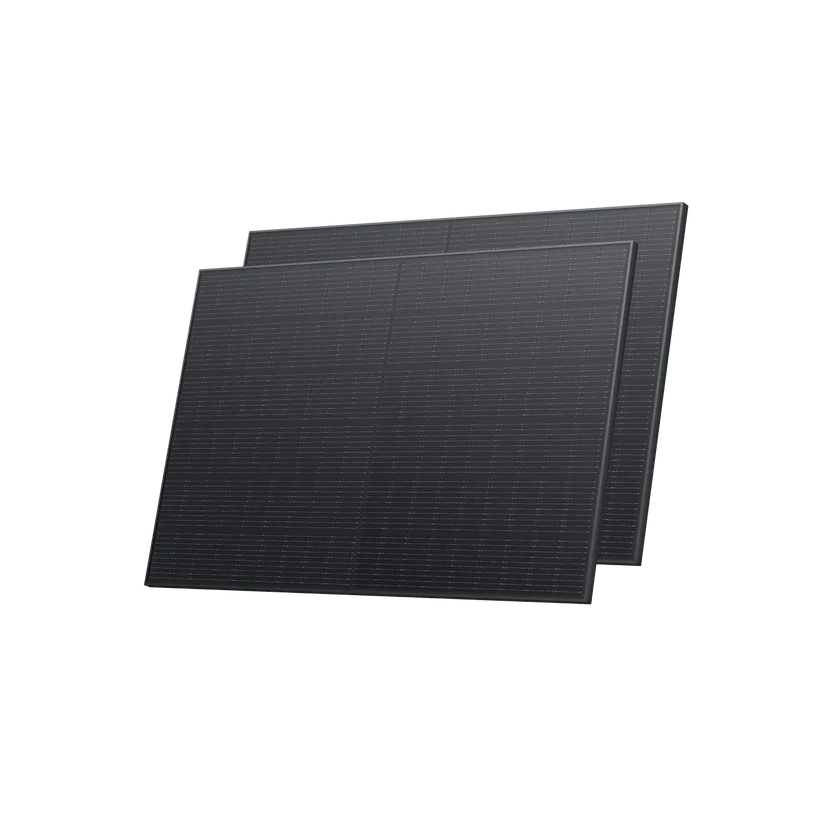
Under ideal conditions, a 400W solar panel can produce 400 watts of energy. But real-world output isn’t that simple. The wattage rating is the panel’s maximum potential, not what it can produce all day, every day.
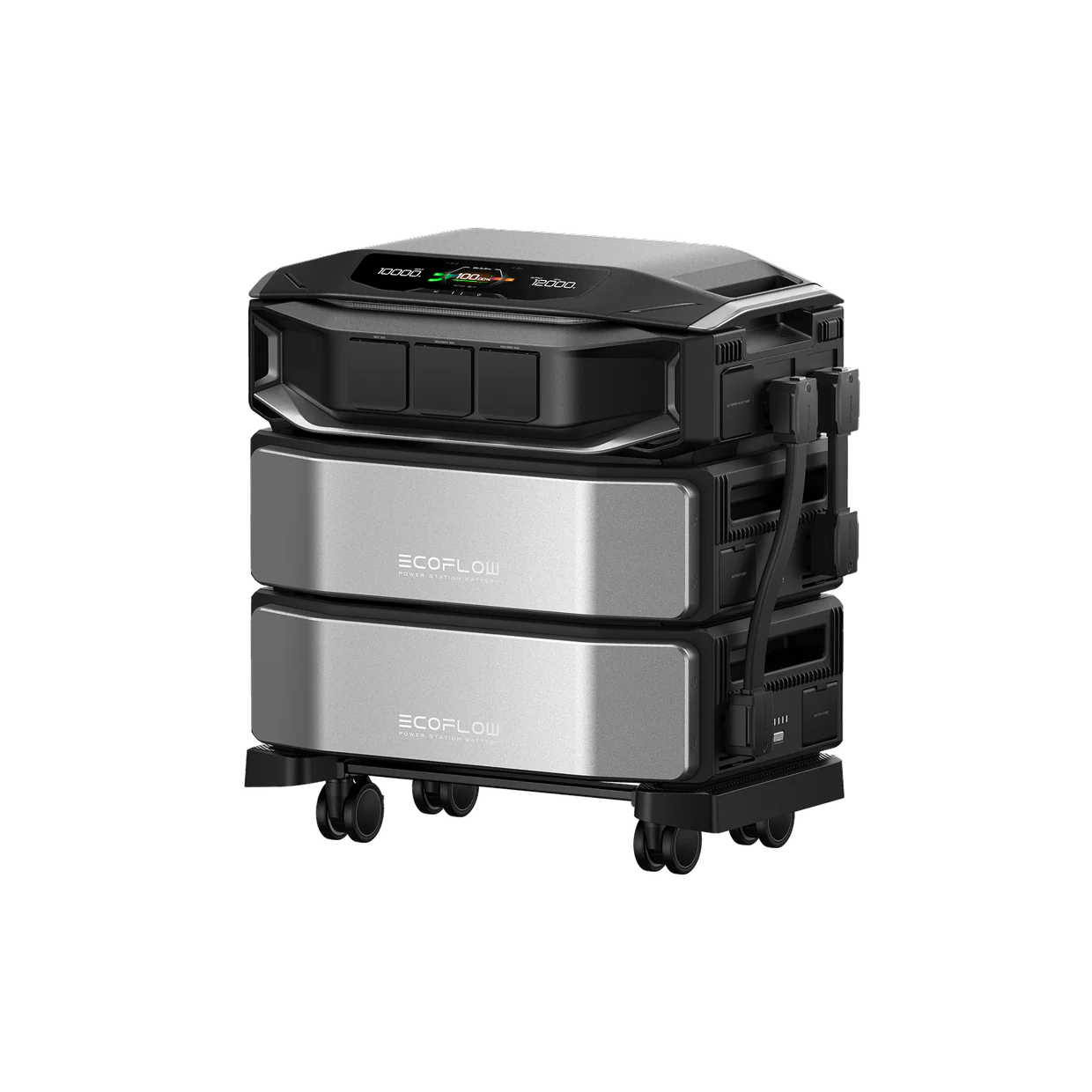
If sunlight is weak, blocked, or scattered, output drops. On an overcast day, a 400W panel might produce closer to 40W than 400W. That’s a big difference, and it’s why panel size alone doesn’t tell the whole story. It’s also the reason why you may need multiple home backup power solutions (like the EcoFlow DELTA Pro Ultra X) and failovers, especially if you live in a cloudy area.
That’s where insolation and irradiance come in. These natural phenomena explain why the same 400W panel can perform very differently depending on the day, location, and setup.
What Does Solar Irradiance Mean?
Solar irradiance is the strength of sunlight. Think of it as the power density on a surface. It measures how much solar power is hitting a surface at any given moment, and it’s expressed in watts per square meter (W/m²).
That’s different from irradiation, which is about the total amount of sunlight your panels receive over time. So, if irradiance is how strong the sunlight is right now, irradiation is more like the total sunlight your system collects throughout the day.
Why does that matter? Because your panel’s output depends on both. A panel can be rated for 400W, but it still needs strong, direct light to get anywhere close to that number. Solar panels perform best during peak sunlight hours, when the sun’s rays are more direct, and the opposite is true when it’s cloudy.
Factors That Affect Solar Irradiance
A lot of factors can affect how much irradiance your panel actually gets, including:
Weather: Clouds, haze, and storms reduce sunlight intensity.
Shade: Trees, chimneys, nearby buildings, and even other solar panels can block direct light.
Time of day: A spot that looks sunny in the morning may be shaded at noon.
Season: The sun’s angle changes throughout the year, which changes solar exposure.
Panel orientation and tilt: Placement matters because panels generate more when they face the sun more directly.
That’s why installation planning matters so much. Solar isn’t just about putting panels somewhere that seems sunny. It’s about choosing a location and angle that maximizes direct light as the sun moves across the sky.
What Does Solar Insolation Mean?
Insolation is the total amount of sunlight that reaches a surface over time. While irradiance tells you how strong the sunlight is at a specific moment, insolation adds that sunlight up over the course of a day, month, or year. It’s measured in kilowatt-hours per square meter (kWh/m²).
Insolation is helpful because you can use this metric to estimate realistic solar production for your area. A 400W panel might have a strong output for a few hours, but insolation tells you how much total solar energy is actually available during the day as the sun moves.
Factors That Influence Daily Solar Insolation
The same factors that affect irradiance affect insolation, just in different ways:
Season: Longer summer days usually mean more available solar energy than shorter winter days.
Weather: Clouds, rain, haze, and storms reduce how much sunlight adds up over time.
Day length: More daylight hours generally mean more time to generate power.
In practice, calculating insolation will tell you how much energy a panel can realistically generate where you live. A panel in a sunny, dry climate with long, bright days will usually collect more usable solar energy than the same panel in a cloudier region.
Why These Metrics Matter for a 400W Solar Panel
A 400W solar panel is rated to produce up to 400 watts under ideal, lab-style conditions. But real life is messier. If solar irradiance is low because of clouds, poor angle, or shade, your panel won’t hit its peak output. And if solar insolation is low in your area, your panel will collect less total energy across the day.
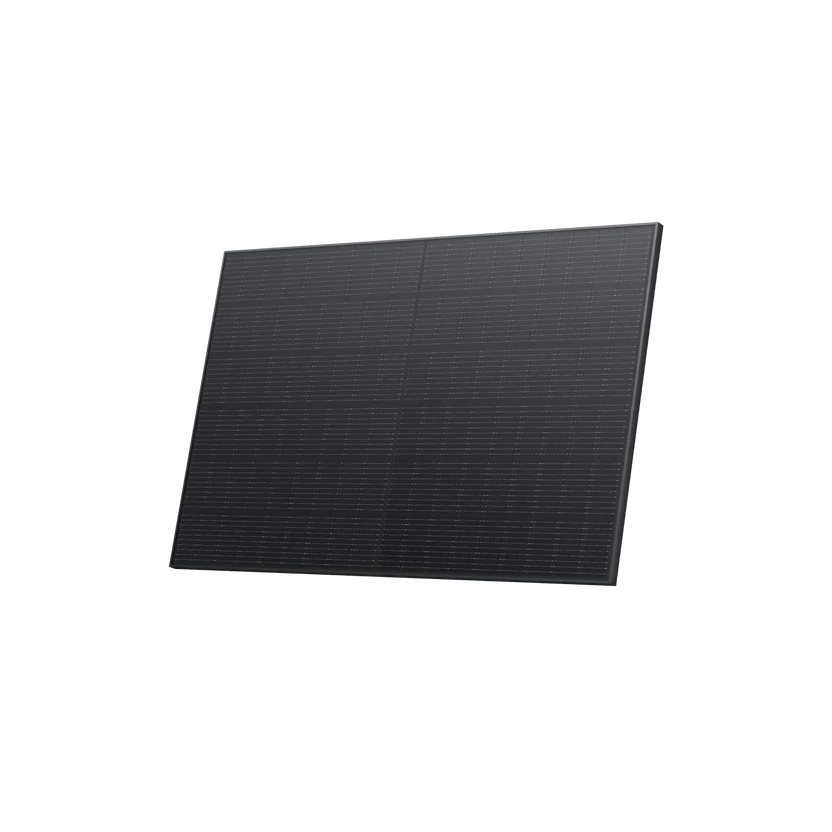
For example, the EcoFlow 400W Rigid Solar Panel uses monocrystalline cells with a 23% efficiency rating, which helps it convert available sunlight more effectively—but it still needs sufficient sunlight to work.
That’s why irradiance and insolation matter. Irradiance tells you moment-to-moment performance, which explains why your panel makes more during the bright midday hours, but doesn’t do much during cloudy weather. Insolation indicates daily energy potential, so you can better estimate how much usable electricity your 400W panel produces.
How to Optimize a 400W Solar Panel Setup
Want to get more from your solar panel? Your actual solar output depends on factors like orientation, available sunlight, and more. Follow these quick tips to generate more power from a 400W solar setup:
Use a microinverter: If you have a traditional string setup, a partially shaded panel could hurt the entire system’s performance. A microinverter helps isolate the impact, so one shaded panel doesn’t throw off the rest.
Use bifacial panels: Bifacial panels can capture reflected light from the surface below, not just direct sunlight from above. They’re more expensive upfront, but they can give you a noticeable boost on bright or reflective ground.
Clean the panels: Solar panels get dirty, and that affects output. Dust, pollen, bird droppings, and grime can block sunlight and reduce the amount of energy that reaches the cells. Clean them at least quarterly.
Adjust tilt: Panel angle matters, but the ideal angle varies by location. A good baseline is to set the angle close to your latitude, then adjust it a few times a year as needed.
Space panels apart: If you’re installing multiple panels on the ground, don’t crowd them together. Poor row spacing can cause panels to shade each other as the sun moves, which reduces output.
Frequently Asked Questions
How Much Power Can a 400W Solar Panel Realistically Produce?
In ideal conditions, a 400W solar panel can produce up to 400 watts. Unfortunately, the real world isn’t the same as lab conditions. A single 400W panel typically generates about 1.2–3 kWh per day. 2 kWh per day is a solid benchmark for areas that get about five hours of sunlight per day.
Why Does Solar Output Change Throughout the Day?
It’s simple: solar output changes because the sun’s position changes. Early morning and late afternoon light is weaker; the midday sun is usually strongest; and clouds, heat, shade, and panel angle can all affect how much electricity your panel produces hour by hour.
Solar Insolation and Irradiance Determine 400W Panel Energy Output
That 400W rating on your solar setup only tells you part of the story. To optimize performance, you have to understand both irradiance (the sun’s strength at any given moment) and insolation (how much sunlight accumulates over time). It also requires understanding your local weather, shade sources, and orientation to get more usable energy from your investment.
Sunlight matters, but so does the quality of your solar panels. Check out the EcoFlow 400W Rigid Solar Panel for long-lasting, reliable solar energy.
For press requests or interview opportunities, reach out to our media team
media.na@ecoflow.com