Hunting Cabin Essentials: Heating, Lighting, Water, and Power
Establishing a reliable base of operations is often the deciding factor between a grueling trip and a successful hunting season. A well-equipped hunting cabin provides a sanctuary from the elements, allowing hunters to recover and prepare for the next day's trek. Whether you are upgrading an existing structure or starting from scratch, focusing on core utilities—power, heating, lighting, and water—ensures your retreat remains functional throughout the unpredictable autumn and winter months.
Power the Off-Grid Hunting Cabin
Energy management is the most critical technical challenge for an off grid hunting cabin. Unlike a standard home, your energy supply is finite and depends heavily on your daily load profile, ambient temperature, and available sunlight.
Choose Your Power Strategy: PPS vs. Generators
If your power needs include silent operation and low maintenance, a high-capacity portable power station (PPS) is often superior to a gas generator. Generators are effective for high-load bursts but produce noise and scent that can alert game.
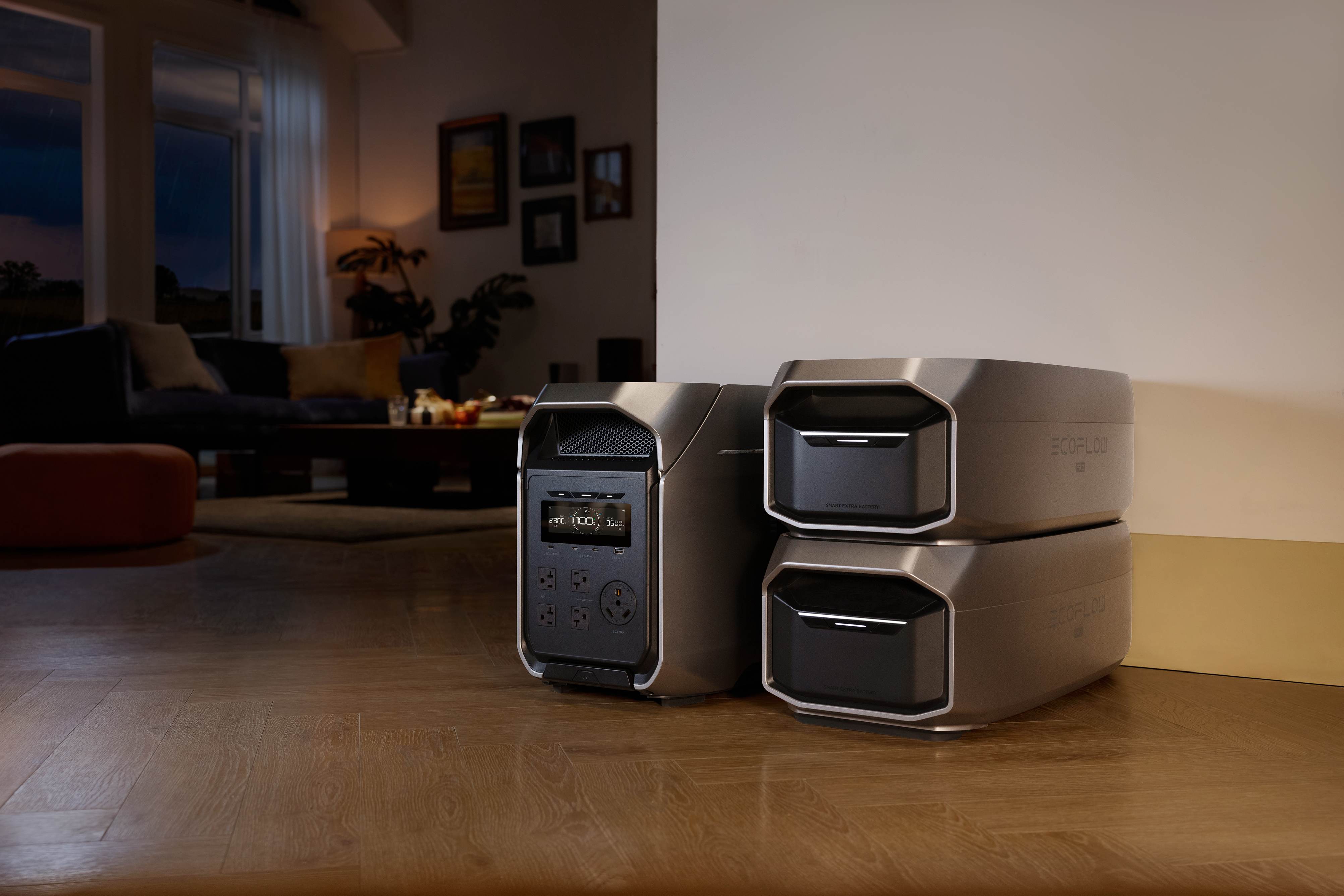
For hunters requiring home-level backup to support a group, a system like the EcoFlow DELTA 3 Ultra Plus (3072Wh) paired with solar panels is appropriate. This setup typically supports essential devices like communications and small appliances for several hours during an outage.
Calculate Capacity and Load Priorities
Energy requirements vary significantly based on your gear. If you are charging mobile devices and LED lights, a mid-range battery is sufficient. However, if your mission includes running a vacuum sealer or a portable freezer for meat preservation, you must calculate your "Wh" (Watt-hour) needs.
High Priority: Medical devices (CPAP), satellite comms, and meat cooling.
Medium Priority: LED lighting and gear-drying fans.
Low Priority: Non-essential kitchen appliances.
Limitation: Electric space heaters are generally unsuitable for battery power in off-grid settings due to their extreme continuous draw, which can deplete even large batteries in a matter of hours.
Solar Integration and Environmental Variables
Charging times for solar-integrated systems are never absolute. While a large solar array can replenish a battery within a day of peak sun, performance will drop significantly during the overcast, short days of a late-season hunt in November. To ensure reliability, ensure your solar panels are positioned with a clear southern exposure and have a secondary charging method, such as a vehicle's DC port or a small propane backup generator, to account for winter weather patterns.
Reliable Heating for Scent Control and Recovery
Maintaining a stable temperature is vital for drying out damp camouflage and preventing gear from freezing. In a hunting cabin, the choice of heat also impacts your scent profile in the woods.
Wood Stoves: The Off-Grid Standard
A wood stove remains a favorite for hunting cabins because it provides a dry heat that is excellent for managing moisture. Wood is often a free, renewable fuel source available on your land. From a hunting perspective, the smell of wood smoke is a "natural" scent that is often less alarming to deer than the chemical odors associated with some portable gas heaters. However, this requires a permanent, professional chimney installation and regular cleaning to prevent creosote fires.
Propane and Direct-Vent Solutions
For those who prefer "turn-key" warmth, propane is a common choice. Direct-vent wall heaters are safer than unvented portable units because they exhaust combustion gases outside. This is a critical distinction; unvented "buddy" style heaters can increase humidity indoors—leading to damp gear—and pose a significant carbon monoxide risk if the cabin isn't properly ventilated.
Essential Safety and Load Protocols
Operating utilities in a remote off grid hunting cabin involves inherent risks. Safety protocols should be integrated into your cabin’s design rather than treated as an afterthought.
Ventilation and Combustion Safety
Mandatory Venting: Any heater using combustible fuel (wood, propane, or kerosene) must be properly vented. Never use a propane grill or a portable camp stove for indoor heating.
Detectors: It is essential to have functional carbon monoxide and smoke detectors with fresh batteries at the start of every season.
Electrical Load Management
Surge Awareness: Heavy-duty appliances (like meat grinders) often have a "surge" wattage three times higher than their running wattage.
Overload Prevention: If your power station’s inverter samples voltage and detects a draw exceeding its rated output (e.g., trying to run a heater and a coffee maker simultaneously), it will likely trigger a safety shut-off. Always sequence your high-draw tasks.
Lighting for Prep and Post-Harvest Processing
Lighting needs in a hunting cabin are dual-purpose: ambient light for the living area and high-intensity task light for butchery.
Early morning preparation should ideally be done using dim, warm-toned LEDs or red-light modes. This helps preserve your night vision before you head into the woods and reduces the amount of light "spillage" that might be visible from outside the cabin.
If you harvest an animal at dusk, processing often happens in the dark. Having high-lumen, AC-powered LED floodlights at an outdoor cleaning station is a major logistical advantage. These allow for safe, precise work without the shadows and flicker common with handheld flashlights. Ensure your cleaning station is positioned downwind from the cabin to keep the scent of the harvest away from your sleeping quarters.
Sourcing and Siting Your Base Camp
While the utilities are the "essentials," the "vessel" for these systems is the cabin itself. Modern hunting cabin kits have simplified the process of establishing a remote base.
Strategic Site Selection
When planning hunting cabins, prioritize high ground with natural drainage. Avoid "cold sinks" at the bottom of valleys where frost lingers longest. A pier-and-beam foundation is often preferred for remote kits because it allows for airflow under the structure, preventing moisture from rotting the floor joists and making it harder for rodents to gain entry.
Water Sourcing and Regulatory Compliance
Access to water in the backcountry requires both a sourcing and a legal strategy.
Filtration: Even "clean" springs require gravity-fed ceramic or UV filtration to remove protozoa.
Local Laws: Before installing a rainwater catchment system on your hunting cabin kits, check state and local water rights laws, as some regions strictly regulate the collection of precipitation.
Sanitation: Greywater disposal (from sinks) and blackwater (waste) must comply with local environmental regulations to protect the soil and nearby water tables.
Secure Your Backcountry Hunt with Reliable Power
A successful season is built on a foundation of comfort and technical preparation. By selecting a durable structure and managing your utilities with care, you can ensure your cabin remains a place of recovery. For those requiring significant energy for home backup or long-duration off-grid living, a system like the DELTA 3 Ultra Plus (3072Wh) provides a stable, pure sine wave output. This is often necessary for sensitive electronics and can support devices up to 4600W with X-Boost™ technology—effortlessly handling many heavy-duty appliances when properly managed.
Enhance your next adventure with the DELTA 3 Ultra Plus + Solar Panel to keep your hunting cabin warm, well-lit, and fully powered.
FAQs
Q1: Are hunting cabin kits suitable for extreme winter weather?
Typically, yes, provided they are properly insulated. Most hunting cabin kits provide the shell, but you must add high-R-value insulation and weatherstripping to make them resilient against late-season cold.
Q2: How do I accurately judge if my power station is overloaded?
If the device’s display shows a "Wattage" draw higher than its rated continuous output, or if it suddenly shuts down when an appliance kicks in, you have exceeded the load. Always check the labels on your appliances for their "Starting" or "Surge" Watts before plugging them in.
Q3: What is the best way to keep water from freezing?
If your cabin is unheated during the week, you must drain your pipes. For active use, keeping water storage inside the cabin near the heat source and burying external lines below the frost line are the standard practices.
Q4: Do I need a permit for an off-grid cabin?
It depends on your local county. Some rural areas have "cabin exemptions" for structures under a certain size, while others require full permits for foundations and sanitation. Always consult local zoning offices before building.
Q5: Can I leave my solar panels and battery system at the cabin year-round?
No, it is usually better to provide specific storage conditions for the battery. While high-quality solar panels are designed to withstand the elements, lithium-based power stations can be sensitive to extreme temperature fluctuations. If the cabin is unheated and temperatures drop well below freezing for months, the battery’s chemistry can degrade faster.
For press requests or interview opportunities, reach out to our media team
media.na@ecoflow.com