How to Design Energy-Efficient Buildings in the U.S. (2026 Guide)
- What Defines the Most Energy-Efficient House Design in the U.S.?
- How to Design Energy-Efficient Buildings?
- How Much Does It Cost to Build an Energy-Efficient Home in the U.S.?
- What Is the Most Energy-Efficient Building Design?
- How Can I Make My Existing Home More Energy Efficient?
- Energy-Efficient Homes vs Traditional Homes: What’s the Difference?
- What Are the Key Trends in Energy-Efficient House Design for 2026?
- Conclusion
- FAQ
Whether you're building a new home in the Pacific Northwest or updating a classic ranch down in the Sun Belt, energy efficiency has become part of the conversation for almost every homeowner in the U.S. today. With utility bills climbing and more people paying attention to long-term sustainability, the goal isn’t just saving energy, it’s creating a home that feels comfortable, runs reliably, and makes financial sense over time.
This guide walks through what actually makes a home energy-efficient, from better insulation and airtight construction to newer technologies like smart energy storage. The idea is simple: build a space that stays comfortable through freezing winters and hot summers, while using less energy and putting less strain on your monthly budget.
What Defines the Most Energy-Efficient House Design in the U.S.?
The most efficient homes in the U.S. aren’t built around one standout feature, they’re designed as a complete system. Every part of the house works together to reduce energy loss, make better use of natural light, and integrate a high-performance home solar system to ensure the building produces as much clean energy as it consumes.
High R-Value Insulation Systems
Insulation plays a bigger role than most people realize. In colder states especially, upgrading from basic fiberglass to higher R-value materials like spray foam or rigid mineral wool can make a noticeable difference. It helps keep heated or cooled air where it belongs, exactly inside your home, even when outdoor temperatures swing from 20℉ winters to 95℉ summers.
Airtight Building Envelopes
If air is constantly leaking in and out, your HVAC system is always playing catch-up. That’s why airtight construction matters. Sealing gaps around outlets, framing joints, and ductwork gives you much better control over indoor temperature and reduces how hard your system has to work day to day.
Triple-Glazed Low-E Windows
Windows are one of the most common weak points in a home. Triple-glazed windows with Low-E coatings help stabilize indoor temperatures by reflecting heat where you want it. In hot climates like Texas, they help keep indoor spaces cooler. In colder cities like Chicago, they reduce heat loss during winter months.
Thermal Mass Temperature Control
Some building materials can store heat and release it slowly over time. Concrete, brick, and stone are good examples. When used strategically, they absorb warmth during the day and release it later, which helps smooth out indoor temperature changes without relying as much on mechanical systems.
Heat Recovery Ventilation Systems (HRV)
Modern homes are built tighter than ever, which is great for efficiency but means fresh air doesn’t come in naturally. An HRV system solves that by bringing in outside air while capturing the heat from the air leaving your home. You get better air quality without losing the energy you’ve already paid for.
Passive Solar Home Design
Smart orientation can go a long way. Homes designed to take advantage of the sun can naturally stay warmer in winter and cooler in summer. South-facing windows, combined with well designed roof overhangs, allow sunlight in when it’s needed and block it when it’s too intense.
Moving from these core principles to actual design decisions is where things start to come together. Once you understand how each element works, the next step is applying them in a practical way during the building process.
How to Design Energy-Efficient Buildings?
Designing an energy efficient building starts with thinking beyond individual upgrades. Instead of focusing on separate features, the goal is to make everything work together as one system. Integrating a comprehensive list of must-haves for building energy-efficient homes into your early blueprints ensures that no critical performance factor is overlooked. That’s how professionals approach it, by planning how insulation, airflow, heating, and energy use all connect from the beginning.
High-Performance Building Envelopes
The outer shell of your home does most of the heavy lifting. When insulation and airtight construction are done right, they reduce what’s called thermal bridging, areas where heat escapes through framing or structural gaps. A well built envelope keeps indoor temperatures stable and cuts down energy waste before it even starts.
Efficient HVAC and Energy Systems
Once your home holds temperature efficiently, you don’t need oversized heating or cooling systems. That’s where modern heat pumps come in. They’ve become a popular choice across the U.S. because they handle both heating and cooling while using significantly less energy than traditional systems.
Integrated Renewable Energy Solutions
As more homeowners look for ways to reduce reliance on the grid, energy storage is becoming part of the conversation early in the design phase. Instead of treating backup power as an add-on, it’s now being built into how homes operate day to day.
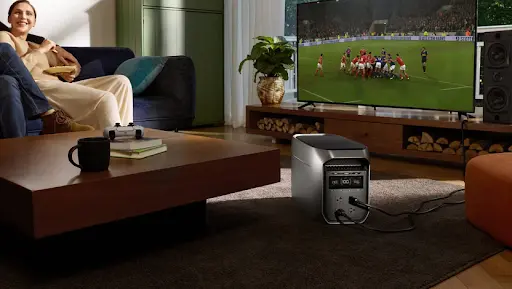
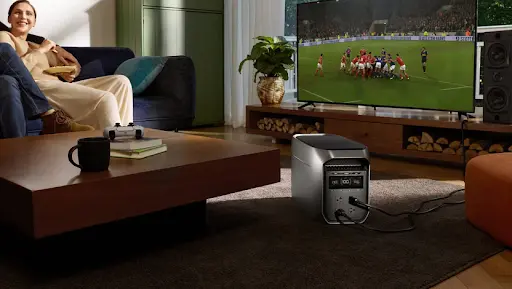
Systems like the EcoFlow Delta 3 Max Plus Portable Power Station (2048Wh) fit naturally into this setup. With a 3000W output, it can handle short startup surges from systems like heat pumps while supporting essential loads such as lighting and air circulation. For many homeowners, this kind of setup creates a practical balance, covering everyday energy needs while also providing backup during outages.
Climate-Responsive Building Design
Design choices that work in one region don’t always make sense in another. In a country as diverse as the U.S., your local climate should guide key decisions from the start. High-performance homes in these areas often integrate a whole home generator strategy to ensure critical life-support systems remain active during extreme weather events.
Shading and Natural Ventilation for Southern Climates
In warmer regions, keeping heat out is the priority. Features like deep overhangs, covered porches, and reflective roofing help reduce heat gain. Natural ventilation strategies, such as allowing hot air to rise and exit through higher openings, can also improve airflow and reduce the need for constant air conditioning.
Insulation and Passive Solar Design for Northern Climates
Colder climates require a different approach. Strong insulation, especially below floors and along foundations, helps retain heat. South-facing windows can bring in natural sunlight during shorter winter days, helping interior spaces stay bright and comfortable even when temperatures drop well below freezing.
How Much Does It Cost to Build an Energy-Efficient Home in the U.S.?
In most parts of the U.S., building an energy efficient home will cost slightly more upfront, usually around 5% to 15% above a standard build. The exact number depends on how far you go with upgrades and how early those decisions are made during the design process.
That higher initial cost often pays off over time. Lower monthly utility bills, fewer system upgrades, and better overall performance can make a noticeable difference in long term expenses. For many homeowners, it’s less about spending more and more about spending smarter from the start.
The biggest cost factors tend to be insulation quality, airtight construction, high performance windows, and efficient systems like heat pumps or solar setups. These are the areas where most of the energy savings come from, so they’re usually where the investment makes the most impact.
According to the U.S. Department of Energy, improving energy efficiency can reduce overall energy use by 20% to 30% or more. On top of that, federal programs like the Inflation Reduction Act offer tax credits and incentives that help bring down upfront costs, making these upgrades more accessible for homeowners across the country.
What Is the Most Energy-Efficient Building Design?
The Passive House Standard is widely recognized as one of the most energy efficient building approaches used in the U.S. today. It focuses on reducing how much energy a home needs in the first place, rather than relying on larger systems to make up the difference.
At its core, this design uses airtight construction, continuous insulation, and smart solar orientation to keep indoor temperatures steady throughout the year. High performance windows and ventilation systems with heat recovery also play a big role, helping maintain fresh air without losing heat or cooling.
Homes built to Passive House standards can cut heating and cooling energy use by as much as 70% to 90% compared to traditional homes. That level of efficiency translates into more consistent comfort and much lower energy demand overall.
Of course, building from scratch isn’t always the reality. Many homeowners are working with existing homes, and there are still plenty of practical ways to improve efficiency without starting over.
How Can I Make My Existing Home More Energy Efficient?
Improving energy efficiency doesn’t mean starting over. In most homes, a few targeted upgrades can make a noticeable difference in comfort and utility costs.
Start by sealing air leaks around windows, doors, and ductwork. Then look at insulation, especially in attics and walls to help maintain a more stable indoor temperature. Upgrading older HVAC systems to modern heat pumps, along with adding a smart thermostat, can further reduce energy use without much effort.
Switching to LED lighting and ENERGY STAR® appliances is another simple step that lowers electricity consumption. For homeowners who want more control, adding solar panels with battery storage can reduce reliance on the grid and keep essential systems running during outages.
Comparing these improvements with traditional homes makes it easier to see how much energy and cost you can save over time.
Energy-Efficient Homes vs Traditional Homes: What’s the Difference?
Seeing the differences side by side makes it easier to understand where energy efficient homes stand out, especially when it comes to long term comfort and operating costs.
| Feature | Energy-Efficient Home | Traditional Home |
|---|---|---|
| Energy Use | 20–50% less energy consumption; airtight envelope; high-performance insulation | Higher energy use due to drafts and standard insulation |
| Upfront Cost | 5–15% higher due to insulation, windows, HVAC, and renewable integration | Lower initial cost with standard construction |
| Monthly Bills | Significantly lower electricity and heating/cooling costs | Higher utility bills with more energy waste |
| Comfort & Indoor Air Quality | Stable temperatures year-round, fewer drafts, humidity control; HRV systems provide fresh air efficiently | Temperature swings, drafty spaces, and uneven air quality |
| Resilience | Integrated energy storage (like EcoFlow batteries) + passive solar design improve independence during outages | Heavily dependent in grid power with limited backup options |
What Are the Key Trends in Energy-Efficient House Design for 2026?
Energy efficient home design in the U.S. is evolving quickly. In 2026, the focus is shifting toward giving homeowners more control over how energy is used, stored, and managed throughout the day.
All-Electric Home Systems
More homes are moving away from gas and toward fully electric systems. Induction cooktops, heat pump water heaters, and electric HVAC setups are becoming standard in new builds. This shift supports cleaner energy use while also improving safety and indoor air quality.
Solar and Battery Integration
Energy independence is becoming a bigger priority, especially in areas with frequent outages or high utility rates. Instead of relying only on the grid, more homeowners are combining solar panels with battery storage to manage energy more efficiently.
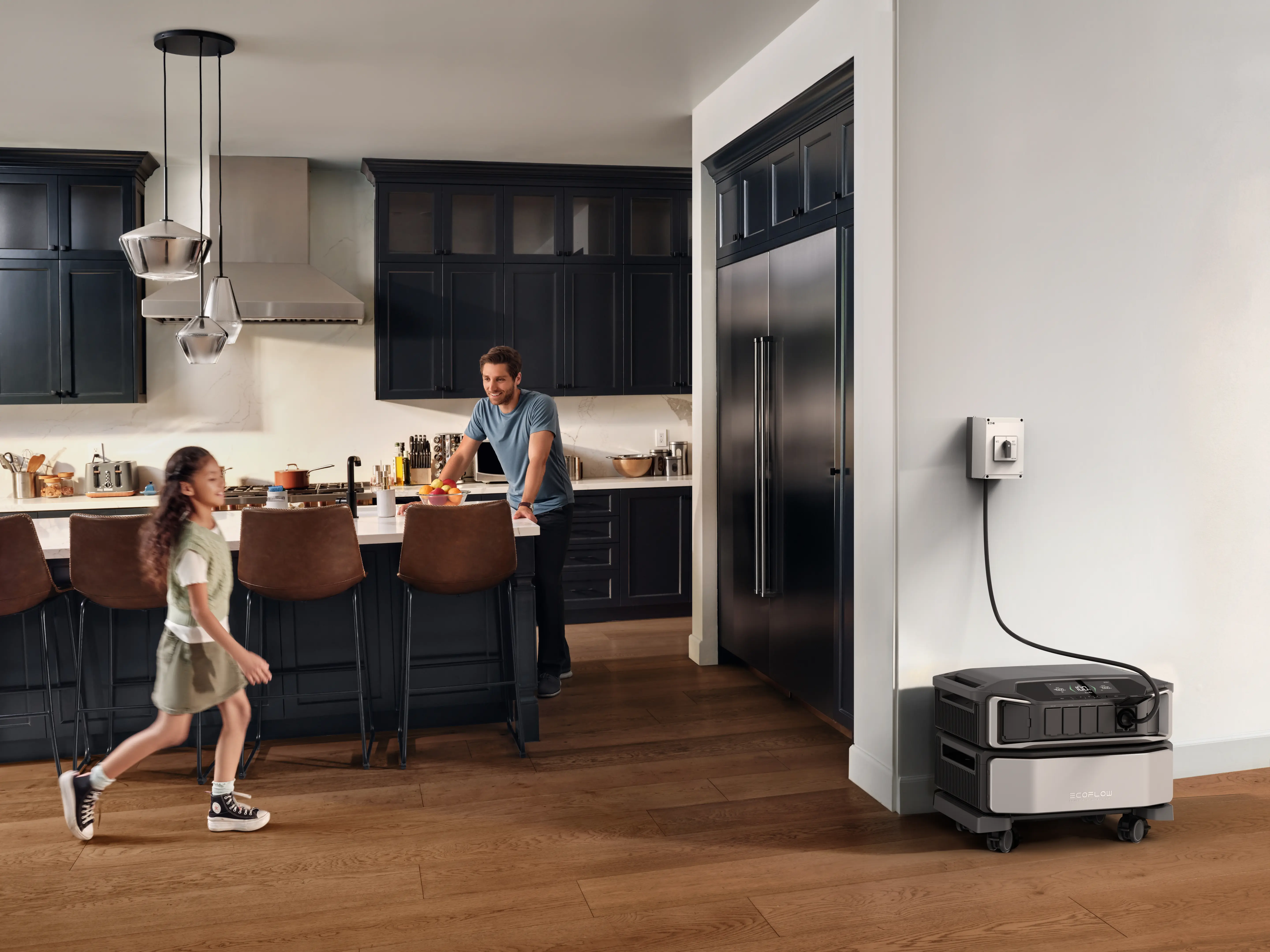
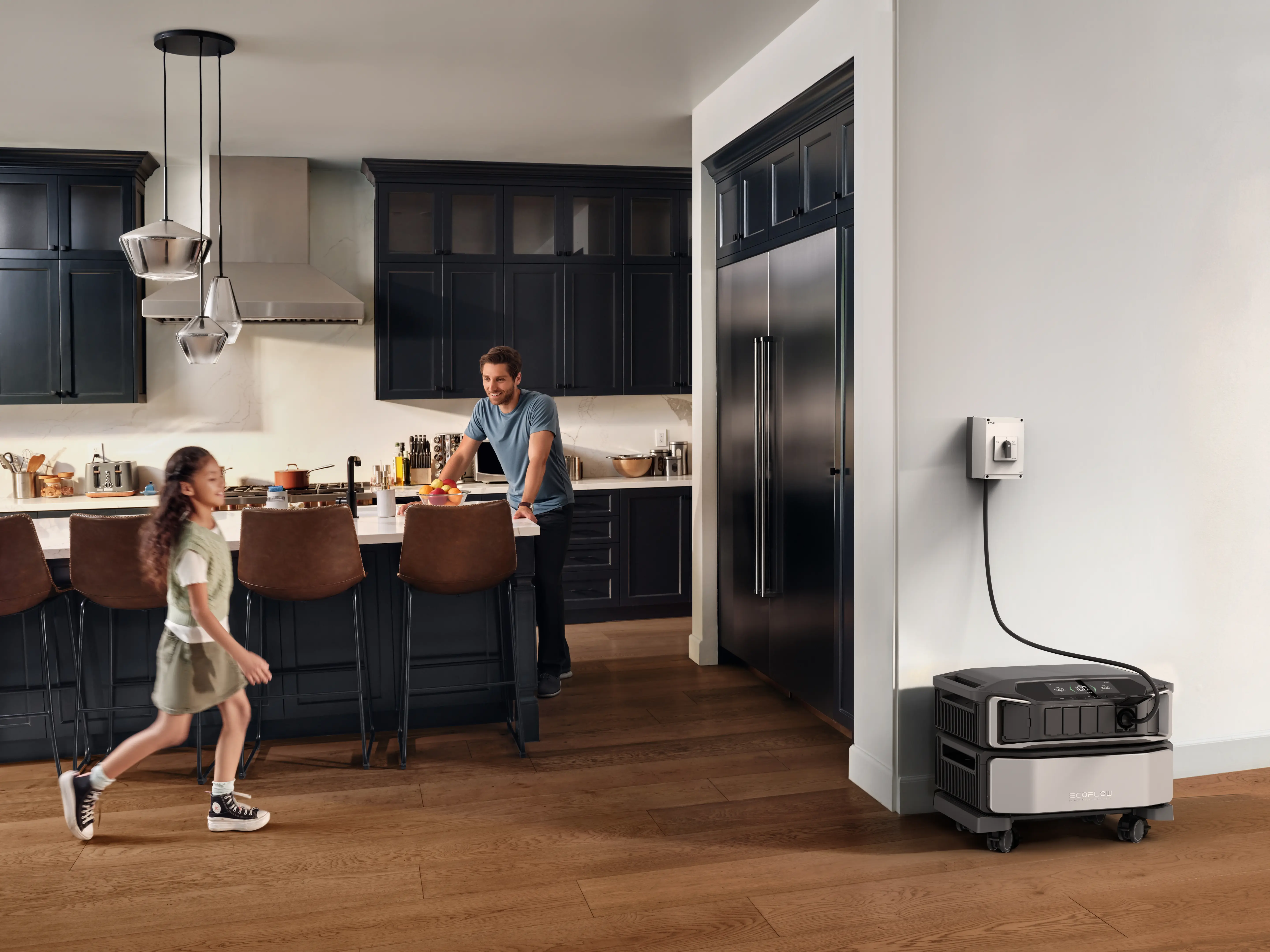
Systems like the EcoFlow DELTA Pro Ultra Whole-Home Backup Power are part of this shift. With flexible output capacity ranging from 6kW up to 30kW, it can handle larger household loads like central AC or electric water heaters. When paired with a smart home panel, it helps keep power running during outages and can optimize when energy is used throughout the day.
Gas-Free Home Infrastructure
New construction projects are increasingly leaving out gas lines altogether. This simplifies the build process and removes potential indoor air quality concerns, creating a cleaner environment inside the home.
Federal and State Tax Incentives
Government incentives are playing a major role in adoption. Programs under the Inflation Reduction Act offer tax credits for solar, heat pumps, and battery storage, helping offset upfront costs and making these upgrades more accessible.
Best Practices: The New American Home
Modern homes are being designed with resilience and flexibility in mind. From smarter energy systems to modular design approaches, the goal is to create homes that can handle changing conditions while staying comfortable and efficient year-round.
Conclusion
Designing an energy efficient home has become part of how people build and live across the U.S. today. It’s no longer limited to a specific group, it’s a practical approach to improving comfort, reducing energy costs, and preparing for the future.
By focusing on a well built envelope, climate-aware design, and smarter energy systems, including options like battery storage, you can create a home that performs reliably in every season while using less energy overall.
As more homes move toward electric systems and greater energy independence, the way we think about housing continues to shift. Building with efficiency in mind now simply puts you ahead of where things are going.
FAQ
1. What are examples of energy efficiency in buildings?
Common examples include LED lighting, smart thermostats, ENERGY STAR® appliances, and high performance insulation. Together, these upgrades reduce the amount of energy needed to heat, cool, and run a home on a daily basis.
2. What is the most energy-efficient building?
Homes built to Passive House (Passivhaus) standards are among the most energy efficient. They rely on airtight construction, strong insulation, and smart design to maintain comfortable indoor temperatures with very little heating or cooling, often cutting energy use by up to 90%.
3. What's the difference between Passivhaus and LEED?
Passivhaus focuses on minimizing energy use through airtightness and insulation. LEED takes a broader approach, covering energy along with water use, building materials, indoor air quality, and overall environmental impact.
4. What are the 7 components of a green building?
The main components include energy efficiency, water efficiency, indoor air quality, sustainable site planning, eco-friendly materials, waste reduction, and efficient building operation and maintenance. Understanding how these architectural elements work together is the first step toward mastering the most effective green living tips for your daily routine.
5. What style of house is most energy-efficient?
Homes with a simple, compact shape, like a two-story layout, tend to be the most efficient. With less exterior surface area exposed, there are fewer places for heat to escape in winter or enter during summer.
For press requests or interview opportunities, reach out to our media team
media.na@ecoflow.com