How to Clean Solar Panels: How Often, What to Use, and What Happens If You Don't
Solar panels can withstand years’ worth of sun and rain, but they aren’t a set-it-and-forget-it way to generate energy. You still have to maintain them. In fact, dust and debris can reduce energy production if you don’t clean your panels. Learn why it’s so important to clean your solar panels and get an easy, step-by-step checklist for doing it safely.
Why Does Cleaning Solar Panels Matter?
Solar panels are a sustainable way to power your home, especially if you want an alternative to maintenance-heavy options like gas-powered generators. Still, solar requires some maintenance, so you need a plan for cleaning your solar panels.
Over time, dust, dirt, pollen, leaves, and bird droppings can build up on their surface. That layer of grime blocks sunlight from reaching the solar cells beneath it, so your system produces less electricity. The solar industry even has a name for this problem: "soiling."
It isn’t a big deal if you live in a relatively clean climate, but the losses can add up fast if you live in a dusty area or in a heavily wooded patch of land. Researchers at MIT found that dust accumulation can reduce solar panel output by up to 30% in just one month if panels aren't cleaned.
Cleaning also gives you an opportunity to spot potential problems. When you're looking closely at your system, you may notice:
Loose mounting hardware
Damaged wiring
Cracked glass
Signs of pest activity
Corrosion
Catching these issues early can prevent performance losses and extend the life of your system. Plus, if you rely on a whole-home generator with solar, cleaning can also give you the peace of mind that your system will work when the grid goes down.
How Often Should You Clean Solar Panels?
Fortunately, solar panel maintenance is fairly minimal. For most systems, cleaning twice a year is enough. If you need help remembering, make a note to clean your solar panels every time you change the clocks for daylight saving time.
However, you’ll need to clean them more often if you:
Live in a dry, dusty climate
Have lots of nearby trees that drop leaves, pollen, or sap
Deal with frequent bird activity
Experience long stretches without rain
Live near farms, construction sites, or busy roads
On the other hand, you can also get away with less cleaning if you live in a rainy area. Rain won’t remove everything, but it can reduce cleanings to an annual event instead of twice yearly.
Cleaning on a schedule will keep your system in working order, but you also may need to clean your panels if you notice a dip in performance. Cleaning is the first step most manufacturers recommend if you see any issues with the system.
What Do You Need to Clean Solar Panels?
You don’t need much, just a few common household items, like:
A regular garden hose (without a pressure washer attachment)
A bucket
A soft microfiber cloth, sponge, or squeegee
Mild dish soap
Clean water
A garden hose is often enough to rinse away loose dust and debris. For stubborn buildup like bird droppings, pollen, or tree sap, a little mild dish soap mixed with water can help loosen buildup so it wipes away more easily.
What Should You Never Use on Solar Panels?
Remember, solar panels are made of glass, so gentle is always best. Never use:
Power washers: High-pressure water can weaken seals and potentially damage wiring or mounting hardware.
Cold water on hot panels: Cleaning your panels during the hottest part of the day with cold water can shock the glass and crack it.
Harsh cleaners: Ammonia, bleach, and acid are too aggressive for solar panels and could damage their protective coatings.
Abrasive scrubbers: Steel wool, hard-bristle brushes, and scouring pads will scratch the glass surface.
How Do You Clean Solar Panels Step by Step?
Cleaning solar panels is straightforward, but there are a few things you need to know:
Watch your timing: The biggest mistake people make is cleaning panels when they're hot. Solar panels can get hot in direct sunlight, and spraying cold water onto hot glass can cause thermal stress that may damage the panel. Choose a cool morning or an overcast day when the panels aren't sitting in peak sunlight.
Turn off the system: Always turn off the system before cleaning. The power button is usually on the inverter.
Rinse first: Start by using a garden hose to rinse debris from the panels.
Wash with soap and water: Fill a bucket with water and a small amount of dish soap. Using a soft microfiber cloth or sponge, gently wipe away any remaining buildup.
Dry the panels: Use a clean, dry microfiber cloth or a soft squeegee to remove excess water.
Look for damage: While you’re at it, look for anything unusual. Cracked glass, loose hardware, corrosion, and damaged wiring are all issues that need your attention.
Schedule your next cleaning: Once you're finished, make a note on your phone or in your calendar to check your panels again in six months.
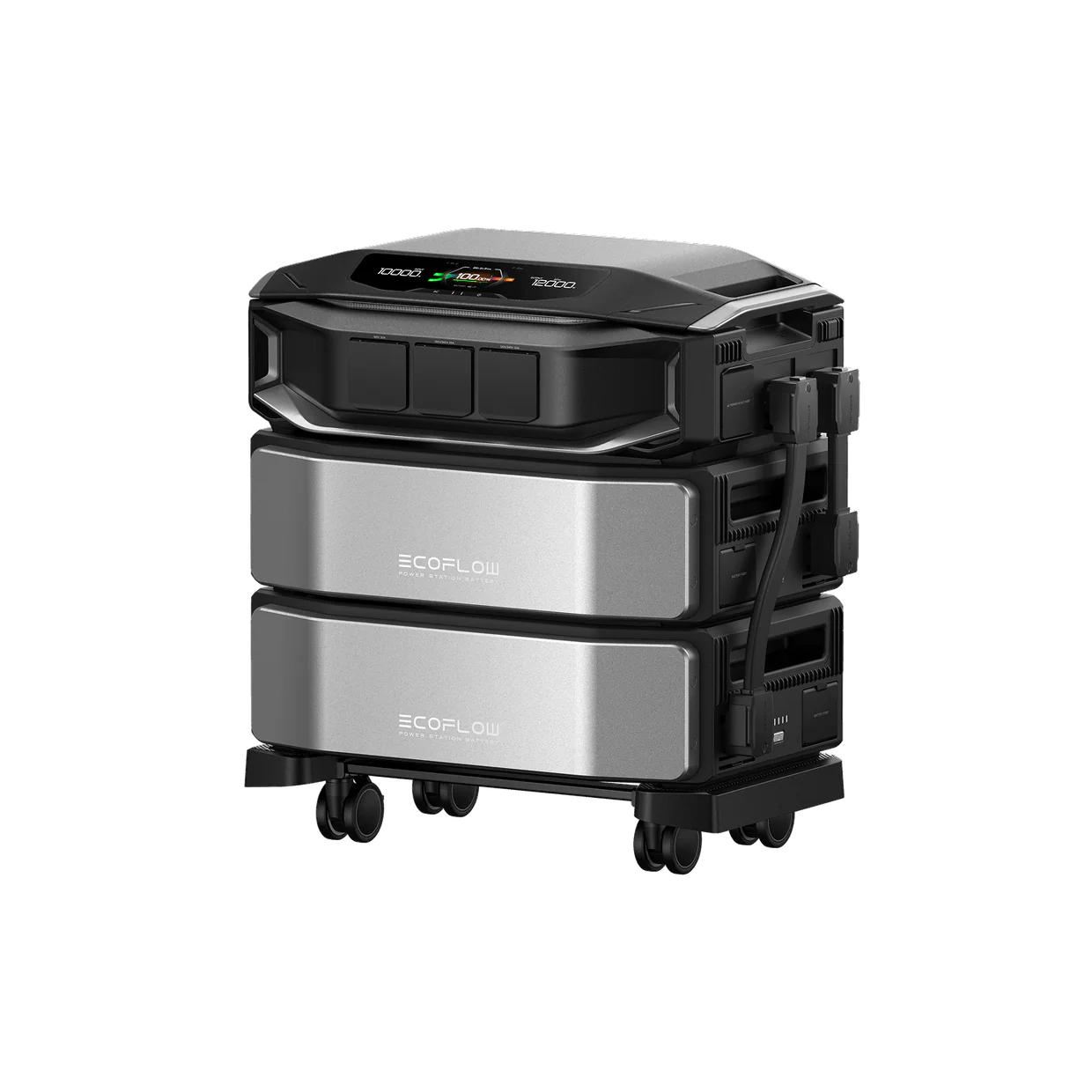
Keeping your panels clean maximizes the value of any solar setup, especially larger systems designed to power an entire home. Pairing solar with a backup solution like the EcoFlow DELTA Pro Ultra X Whole-Home Backup Power system can help you capture more of the energy your panels produce while providing reliable power during outages.
What Happens If You Don't Clean Your Solar Panels?
Skipping a solar panel cleaning here and there isn't a huge deal. But if years go by without any maintenance, the effects can show up in your energy production, and wallet.
The most obvious consequence is lower power output. If you’ve been wondering why your solar panels don’t generate their rated power wattage, this could be why. When dirt, dust, pollen, leaves, and bird droppings cover even part of a panel, less sunlight reaches the solar cells. That means your system generates less electricity throughout the day.
For homeowners, that means:
Higher utility bills because you're generating less of your own power
Slower return on your investment
Reduced battery charging performance for solar-plus-storage systems
More difficulty powering your home during outages if your battery isn't fully charged
These issues are completely preventable with 20 minutes of cleaning, so stick with your twice-a-year regimen to keep your system in working order.
Frequently Asked Questions
What is the Safest Way to Clean Solar Panels?
The safest way to clean solar panels is to turn off the system, wait until the panels are cool, and use a garden hose, mild dish soap, and a soft microfiber cloth or sponge. Avoid pressure washers, abrasive scrubbers, and harsh chemicals like bleach or ammonia. If your panels are difficult to access or are on a steep roof, it may be better to hire a professional cleaning service rather than risk a fall.
Will Cleaning My Panels Improve Energy Output?
Yes. If dirt, dust, pollen, bird droppings, or other debris are blocking sunlight, cleaning your panels may help restore lost production. The improvement depends on how dirty the panels were to begin with. In some cases, it makes little difference, but if you live in a dusty area, MIT research suggests it can improve performance by up to 30%.
Cleaner Panels, Higher Output, Lower Costs
Solar panels are designed to be low-maintenance, but a little upkeep makes a real difference. Cleaning your panels twice a year can maximize energy production and make it easier to spot potential issues before they require expensive repairs. By using the right tools and avoiding common mistakes, you can protect your investment and keep your solar system performing at its best.
Of course, the right system makes a difference, too. See how the EcoFlow DELTA Pro Ultra X Whole-Home Backup Power system helps you effortlessly store more of the energy your panels generate.
For press requests or interview opportunities, reach out to our media team
media.na@ecoflow.com