How Much Do Photovoltaic Panels Cost? A Comprehensive 2026 Guide
In the push toward energy independence and lower utility bills, more American homeowners are turning to the sun as a steady, predictable power source. Photovoltaic (PV) solar panels, the sleek installations you see on rooftops from California to North Carolina, are no longer niche or experimental. They’re mainstream, and for many households, they’re one of the smartest long-term investments you can make. But when you begin comparing quotes, incentives, and equipment types, one question inevitably rises to the top: What do photovoltaic panels actually cost?
The answer isn’t a single number you can pull from a chart. Total cost depends on everything from the type of panel to the size of the system to the complexity of the installation. Incentives also change from one state to another, shaping the final price dramatically. This 2026 guide breaks down the essentials so you can make a clear, confident decision about going solar.
What Are Photovoltaic Panels?
The term photovoltaic panels may sound technical, but they're simply the solar panels you see on rooftops across the country, from bright suburban neighborhoods in Southern California to wide open ranch homes in Texas. Photovoltaic, or PV, technology works by converting sunlight directly into electricity through specialized semiconducting materials. These panels are the workhorses of any solar system, capturing the sun’s energy and turning it into clean, usable power for your home.
With electricity costs rising and more families looking for ways to cut their dependence on the grid, understanding how PV panels work is the first step toward building a more resilient, energy-efficient household.
Are Photovoltaic Panels Worth It?
For most homeowners, the question isn’t whether solar is environmentally friendly, it’s whether the investment pays off. In many states, it absolutely does. While the upfront price of a solar system can feel steep, the long-term savings often outweigh the cost by a wide margin. Once installed, your panels immediately start reducing your electricity bill, and many systems offset their entire cost within several years.
Between the 30% federal tax credit and additional state incentives, the financial barrier is much lower than it used to be. After the system pays for itself, the energy it produces for the next two decades is essentially free, making solar one of the most reliable long-term savings tools available to homeowners.
Benefits of Photovoltaic Panels
Solar panels offer far more than just a smaller electric bill. They align neatly with the way many Americans want to live today, more self-sufficient, less wasteful, and prepared for the unexpected.
Environmental Impact: By producing renewable electricity, you dramatically reduce your reliance on fossil fuels and shrink your carbon footprint.
Energy Independence: Solar helps shield you from unpredictable utility rate hikes and gives you more control over your home’s power use.
Higher Property Value: Homes with owned solar systems often sell faster, and many appraisers now recognize solar as a premium feature.
Reliable Backup Power: Pairing your panels with a portable power station ensures you can keep essential devices running during an outage, a real advantage during the severe storms and grid failures that hit many parts of the Midwest and East Coast.
For anyone beginning their solar journey or looking for a versatile power solution that works both at home and outdoors, the EcoFlow Portable Solar Panel is an excellent entry point. Highly efficient and easy to carry, it provides dependable power whether you're camping in the Rockies, preparing for emergencies, or simply testing out solar before committing to a full rooftop system. Its quick-charging performance and lightweight design make it a practical, eco-friendly choice for families who want flexible and reliable solar support.
Average Cost of Photovoltaic Panels
Once you start looking into solar, the question everyone wants answered is simple: How much should I expect to spend? While prices vary based on your home, location, and equipment choices, there are reliable benchmarks that give you a clear idea of what a typical system costs in the U.S.
Total System Costs
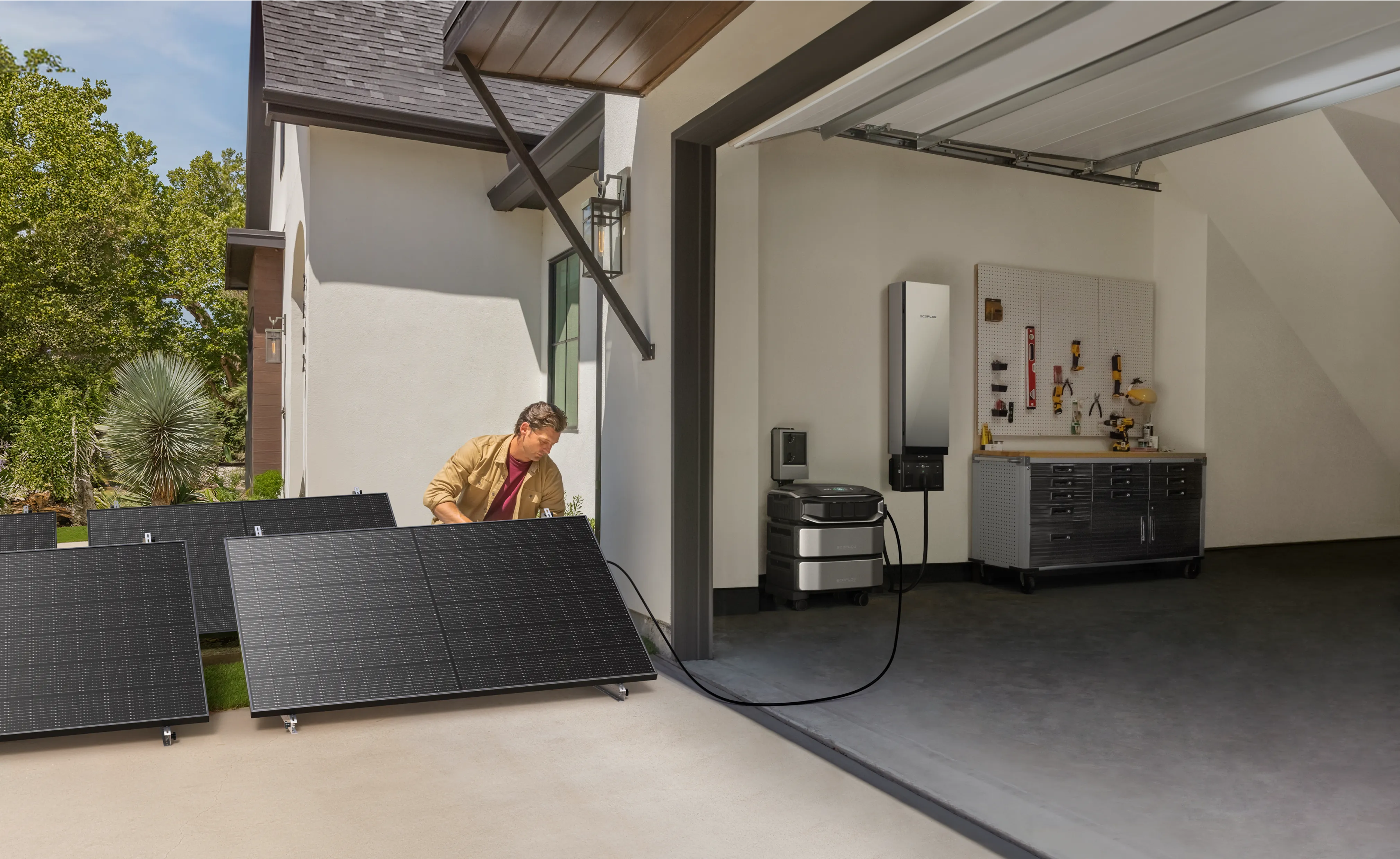
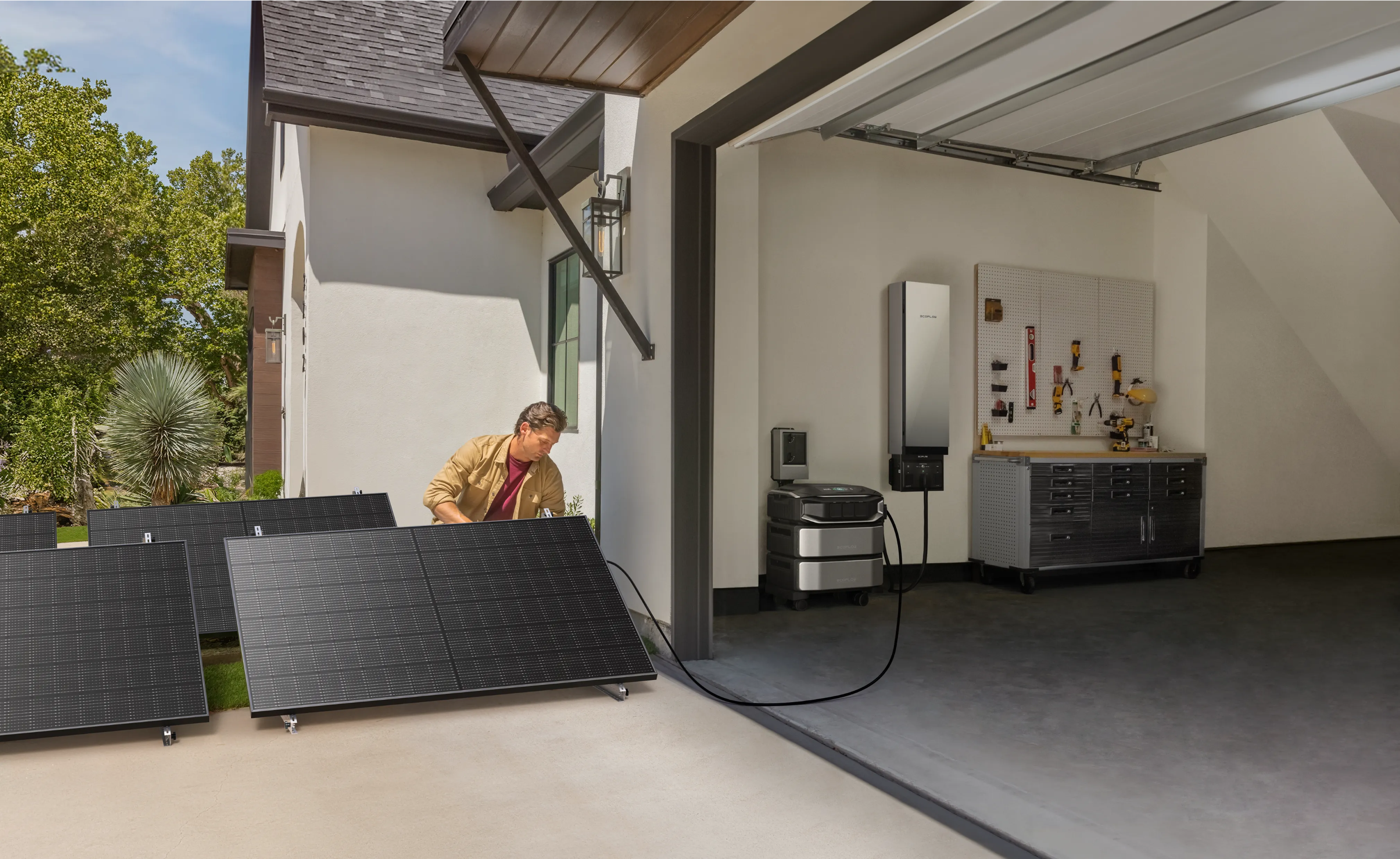
For most homeowners, a full residential solar setup, panels, inverters, mounting hardware, permitting, and professional installation, runs between $15,000 and $30,000 before incentives. This range reflects the average 6 kW to 10 kW system needed to power a standard American home.
The good news is that the 30% Federal Solar Tax Credit (ITC) immediately cuts that price down. Once applied, many families see their out-of-pocket costs fall into a far more approachable range, especially when combined with state rebates or utility incentives.
Photovoltaic Panels Price per Watt
A more apples-to-apples way to compare quotes is by looking at the price per watt, which measures cost relative to the system’s power capacity.
Average Installed Price (Before Incentives): $2.50 – $3.50 per watt
Using that metric, here’s what a 7 kW system typically costs:
$17,500 at $2.50/W
$24,500 at $3.50/W
This pricing includes every major component of the system, as well as labor and permitting.
Cost Vs. Energy Savings over Time
The upfront price doesn’t tell the full story. The long-term financial return is where solar really shows its value. In states with high electricity rates, Massachusetts, New York, and California, a solar system can pay for itself in five to eight years. Over a standard 25-year warranty period, many homeowners see $20,000 to $60,000 in cumulative savings, depending on usage and local utility rates.
For homeowners who want to make the most of their solar production, pairing panels with an advanced power management system can take savings even further. The EcoFlow DELTA Pro Ultra-X is a standout option for long-term home energy resilience. With its Smart Home Panel (3,400W) and high-efficiency solar input (400W), it does more than provide backup power; it helps reduce everyday electricity costs by storing and delivering solar energy intelligently. For families looking to strengthen their energy independence, it’s a practical way to cut grid reliance and gain more control over monthly expenses.
Factors Affecting the Cost of Photovoltaic Panels
The price you ultimately pay for a solar system depends on several key variables. While the national average falls between $2.50 and $3.50 per watt, the specifics of your home and chosen equipment determine where your project lands within that range.
Types of Photovoltaic Panels
When deciding on the right solar panels for both style and performance, it's important to consider the panel type, which is one of the biggest drivers of both efficiency and cost:
Monocrystalline panels offer the highest efficiency (around 18-22%) and a clean, black finish. They’re the premium choice, especially when roof space is limited.
Polycrystalline panels cost less but produce slightly less power (roughly 15-17%). They’re a solid choice for larger roofs where space isn’t a constraint.
Thin-film panels are lightweight and flexible but far less efficient. They’re used more in commercial or specialty applications than in typical residential installs.
Size and Capacity of the System
The system size you need is dictated by your energy consumption. A 10 kW system for a larger home in Arizona will naturally cost more than a 4 kW system for a smaller household in Seattle. More kilowatts mean more panels, more racking, and a higher overall price.
Brand and Quality of the Panels
As with cars, brands range from budget-friendly to top-tier. Premium manufacturers, often classified as “Tier 1”, tend to offer higher efficiency, longer warranties, and better long-term performance. While the upfront cost is higher, these panels usually deliver better reliability and value over the system’s lifetime.
Installation Costs
Labor and permitting vary dramatically across the country. A straightforward installation on a single-story ranch home in Oklahoma will be far less expensive than installing panels on a steep, multi-story Victorian in San Francisco. Roof material, pitch, accessibility, and structural upgrades all influence final labor costs.
Location and Incentives
Where you live can significantly shape the overall price. Some states offer generous rebates, tax credits, or performance-based incentives that drastically reduce the cost of going solar. In places like New Jersey or Massachusetts, these programs can shave thousands off the total bill. In other regions with fewer local incentives, the federal tax credit may be the primary savings tool.
Understand Photovoltaic Panels Costs by State
Solar pricing in the United States varies far more than most homeowners expect. The cost of installing a PV system, and how quickly it pays for itself, depends heavily on where you live, the incentives available, and your local utility rates.
How State Incentives Shape Solar Costs
While the 30% Federal Solar Tax Credit dramatically reduces the upfront investment, state-level programs often make the biggest difference in your final out-of-pocket cost. States like New York, California, and Massachusetts offer additional rebates, tax credits, or performance-based incentives that can bring the price down thousands of dollars.
In contrast, a homeowner in Texas or Florida may rely almost entirely on the federal credit, since state incentives are limited or non-existent. Meanwhile, states such as Maryland, New Jersey, and Colorado layer multiple programs together, creating some of the best payback periods in the country.
Regional Variations in Installed Price
Labor costs, permitting requirements, and roofing characteristics all influence the final installation price. As a result, average solar pricing tends to vary by region:
| US Region | Avg. Installed Price Range (per Watt) | Notes |
|---|---|---|
| Northeast | $2.70 – $3.75 | High labor costs, but strong incentives. |
| Southwest | $2.50 – $3.25 | Lower labor costs, high sun exposure, and fewer state incentives. |
| Midwest | $2.60 – $3.40 | Moderate costs, often boosted by community solar programs. |
Note: Due to variations in local demand and incentive structures, pricing may also differ based on geographic location, installer, and market conditions.
How Local Energy Prices Affect Solar Savings
Your local electricity rate plays a huge role in determining the value of going solar. The higher your utility prices, the faster your solar system pays you back. For example, a family paying $0.30 per kWh in parts of California or Hawaii will see dramatically faster savings than a family paying $0.10 per kWh in Washington or Oregon. Even if solar installation costs are similar, the return on investment is substantially higher in areas with expensive electricity.
Hidden Costs of Photovoltaic Panels
When you start comparing solar quotes, it’s easy to focus on the headline number, panels, inverters, and installation. But there are several “soft costs” that can creep in and affect your final budget. Understanding these ahead of time helps you avoid surprises.
Maintenance and Repair Costs
Solar panels themselves require very little upkeep, but the system isn’t entirely maintenance-free. In dusty or desert regions like Arizona, you may need occasional cleanings to maintain peak efficiency. The more significant long-term cost is the inverter. Since most inverters last around 10-15 years, you should expect a replacement at some point, typically ranging from $1,000 to $3,000 depending on the type and system size.
Financing Fees
If you choose to finance your solar system with a loan, interest and dealer fees can add thousands of dollars over the life of the agreement. Leasing or signing a PPA (Power Purchase Agreement) removes the upfront cost, but you won’t see the same long-term financial return as you would by owning the system outright.
Roof Replacement Considerations
Solar panels are designed to stay on your roof for 25 years or more. If your roof is already aging, usually 10-15 years old or older, it’s smart to replace it before installation. If you wait, you’ll end up paying to remove and reinstall the panels later, a process that can cost $1,500 to $3,500 depending on the size of your system.
Electrical Panel Upgrades
Many older homes in the U.S. still rely on 100-amp electrical service panels. Large solar installations may require upgrading to a modern 200-amp panel to safely handle the increased electrical load. This upgrade typically falls between $1,500 and $4,000, depending on local labor costs and your home’s wiring.
Inverter Replacement Over Time
As mentioned, solar panels outlast their inverters. Whether you use a string inverter or micro-inverters, you should budget for at least one replacement during the system’s 25-year lifespan. This is one of the most common long-term expenses homeowners experience after going solar.
Conclusion
Investing in photovoltaic panels is a significant upfront commitment, but one that delivers substantial long-term benefits for American homeowners. Even though the initial cost of $15,000 to $30,000 before incentives may feel steep, the 30% Federal ITC, ongoing reductions in your monthly electricity bill, and the opportunity to gain a measure of energy independence all contribute to a strong return on investment. When you understand the factors that influence pricing, from panel type and installation complexity to state incentives and hidden costs, you’re far better equipped to make a confident, informed decision. With the right system in place, solar becomes more than a home improvement; it becomes a long-term strategy for financial stability, energy resilience, and a cleaner future.
FAQ
1. What Is the Difference Between Solar Panels and Photovoltaic Panels?
In everyday language, there’s no real difference. Photovoltaic (PV) panels are the technical term for panels that convert sunlight directly into electricity. Solar panels are the broader, more familiar term people use, and they can refer to PV panels or to solar thermal panels, which heat water instead of producing electricity. When we talk about generating power for a home, “solar panels” and “PV panels” mean the same thing.
2. What Types of Photovoltaic Panels Are There?
The three main types used in residential and commercial systems are:
Monocrystalline: The most efficient and longest-lasting, made from a single crystal of silicon. Ideal when roof space is limited.
Polycrystalline: Slightly lower efficiency but more affordable, made from multiple silicon pieces.
Thin-Film: Lightweight and flexible, but with lower efficiency. More common in specialty or commercial applications than in homes.
3. Do Solar Panels Work on Cloudy Days?
Yes, they do. Solar panels generate electricity from light, not heat, so they still work when the sky is overcast. Output is reduced, but panels typically produce about 10-25% of their normal power on cloudy days. Even states known for frequent cloud cover, like Washington or Oregon, still see strong overall solar performance throughout the year.
4. What is the 20% Rule for Solar Panels?
The “20% rule for solar panels” refers to a common electrical code requirement. It states that the breaker used for a solar system cannot exceed 20% of the main electrical panel’s busbar rating. For example, a 200-amp panel can usually support up to a 40-amp solar breaker. It’s a safety guideline to ensure the electrical system can handle the extra power flowing from the solar array.
5. Can Ac Be Run on Solar Power?
Yes. A properly sized PV system can absolutely run an air conditioner. In fact, AC use often peaks during the sunniest hours of the day, which lines up perfectly with solar production. For off-grid situations, like running AC from solar without the utility grid, you’ll need a strong combination of solar panels and battery storage to handle both the running load and the heavy surge power when the compressor starts.
For press requests or interview opportunities, reach out to our media team
media.na@ecoflow.com