Solar Panel Cleaning in Winter
- How Snow and Ice Affect Solar Output in Winter
- Should You Remove Snow From Solar Panels or Let It Melt Naturally?
- How to Remove Snow From Solar Panels Safely
- Winter Cleaning Tips for Rigid Solar Panels vs Portable Solar Panels
- Frequently Asked Questions
- Keeping Your Solar Panels Productive Through Winter
Being able to generate electricity from the sun is an amazing thing. But it does put you at the mercy of the weather. Solar panels don't stop generating power during the winter, but snow and ice can reduce their output.
Luckily, most photovoltaic (PV) modules don’t require aggressive cleaning, even in winter. In this article, we'll look at when you need to clean your panels, how to do it safely, and how to ensure your home power system functions year-round.
How Snow and Ice Affect Solar Output in Winter
Your system relies on light to generate electricity. That means anything that blocks the light can reduce energy output; this applies even to EcoFlow’s 400W Rigid Solar Panel, which has a 23% sunlight conversion rate. That's as true for snow and ice as it is for dirt and dust.
A thick layer of snow can cover your solar panels and block off sunlight completely. Lighter snow, though, often slides off or melts once the sun hits it.
Usually, you don't have to worry too much about the cold. Photovoltaic modules often operate more efficiently in cold weather than they do in extreme heat. It's only in extreme cold (-40°F/-40°C) that your solar panels may struggle to generate electricity. Even in the coldest parts of the country, sustained temperatures this low are rare.
A bigger issue is physical damage from ice storms. Heavy snowfall or ice accumulation can add extra weight to a solar panel and its mounting. Hail is also a major issue, accounting for more than 50% of total solar lost costs despite being responsible for less than 2% of insurance claims.
Should You Remove Snow From Solar Panels or Let It Melt Naturally?
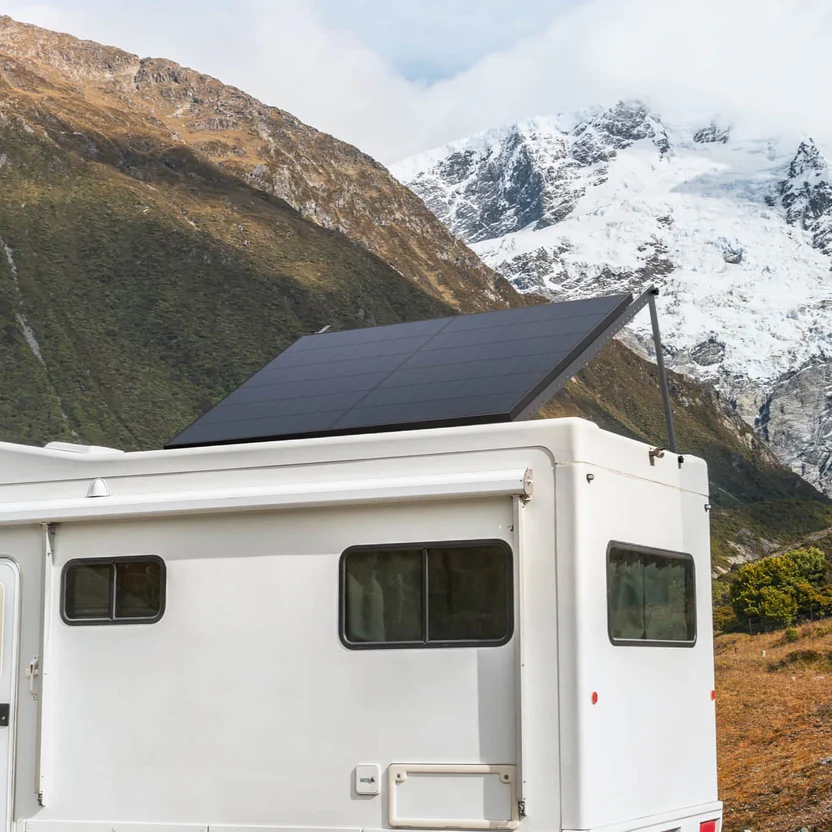
Where possible, the best option is to let the snow melt or fall off on its own. Usually, solar panels are installed at an angle that will encourage snow to slide off as temperatures rise.
Unfortunately, you can't always leave it to nature. If the snow is forecast to stick around for several days, it may be time to think about removing it. That's also true if you rely on solar power as a primary or backup power source, which means you may not be able to wait.
You also need to balance this with the risk of climbing up on the roof to reach difficult-to-access units. A production loss for a day or two might be worth dealing with if it helps you stay safe. On the other hand, if you need the power, removing it manually might be the only option.
How to Remove Snow From Solar Panels Safely
If you do need to manually remove snow, be gentle. PV modules can be damaged by aggressive cleaning, so it's important to use the right tools and methods.
Tools and Methods That Avoid Scratching Glass
A soft snow rake with a foam or rubber edge. This can clear loose snow without scratching the glass.
A soft-bristle brush on an extension pole. Be careful not to apply too much pressure when brushing.
Manual panel tilt where available. Many portable units let you adjust the tilt, so you can simply turn them and let the snow fall off.
Avoid metal tools, hard plastic shovels, or anything that could chip the glass or damage the antireflective coating.
Winter Cleaning Tips for Rigid Solar Panels vs Portable Solar Panels
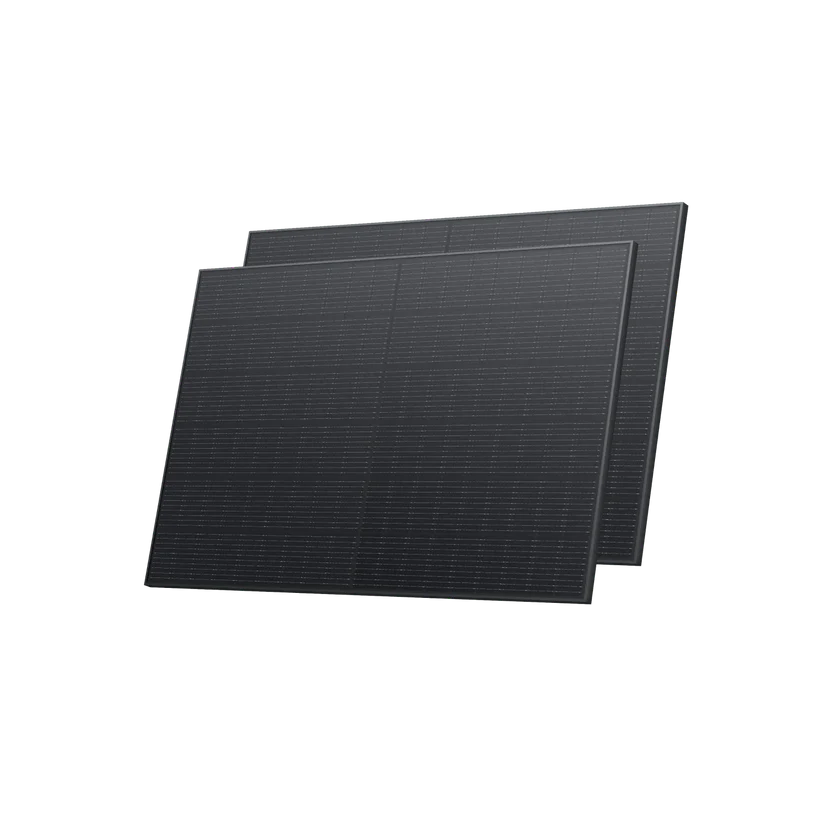
Rigid Panel Care for Rooftops and Fixed Mounts
Rigid panels, like the EcoFlow 400W Rigid Solar Panel, are some of the most durable solar panels, built to withstand harsh weather. However, they are often less accessible than portable ones. In winter:
Prioritize your personal safety over getting maximum output from your PV modules
Avoid climbing onto icy roofs
Clear what's accessible from the ground wherever possible
Check panel mounting after heavy snowstorms for shifting or signs of stress
Portable Panel Care for Campsites, Yards, and Off-grid Setups
Portable panels may need more care than rigid ones. At the same time, they are also much easier to protect from extreme weather. For example, you can:
Bring portable panels indoors overnight to prevent ice buildup
Brush off snow before folding or packing
Adjust angles to maximize winter sun exposure and help snow fall off
You should avoid bending or flexing panels when they are frozen stiff, as they may break.
Because of their ease of cleaning and set-up, portable panels can make a great supplement when rigid panels are covered in snow.
Frequently Asked Questions
Can Snow Damage Solar Panels or Just Reduce Production?
By itself, snow won’t usually damage solar panels. But covering the panel can reduce electrical output. Hail and ice, by contrast, can damage panels. It's also very easy to damage PV modules by trying to clear snow from them improperly.
Is It Safe to Pour Warm Water on Solar Panels to Melt Ice?
No. Pouring hot water on frozen panels can cause thermal shock, which can crack the glass. Plus, water will often quickly refreeze in subzero temperatures, making the ice layers on your panels even thicker. It's much better to either brush the panels gently to remove snow, or else let the sun melt it naturally.
Do Solar Panels Work Better in Cold Weather When They Are Clear?
To a point. Solar panels are more efficient in cooler temperatures as long as they receive direct sunlight. The optimum temperature for a solar panel to operate at is around 77°F/25°C, with the ideal range being between 59°F to 95°F/15°C to 25°C.
Should I Hire a Professional to Remove Snow From My Solar Panels?
Professional snow removal can make sense in areas with heavy snowfall, especially for rigid solar panels that are difficult to access. Usually, though, for residential applications, manual snow clearing or letting the snow melt naturally is often enough.
Keeping Your Solar Panels Productive Through Winter
Being covered by snow will reduce a solar panel’s output, sometimes dramatically. But in many situations, the best course of action is to wait for the sun to melt the snow by itself.
If you live in an area where the snow tends to stick around, it may make sense to brush the snow off your solar panels, but make sure to do it carefully and use the right tools. Attempts to clear snow using the wrong methods are often more damaging to solar panels than the snow itself.
Choosing the most efficient solar panels, like the EcoFlow 400W Rigid Solar Panel, and setting them up correctly is the best way to keep generating power right through the winter. That way, you can keep your home powered up no matter what the weather throws at you.
For press requests or interview opportunities, reach out to our media team
media.na@ecoflow.com