Home Theater Power Manager vs Battery Backup: What Do You Actually Need?
If you've ever had an electricity outage during movie night or a critical gaming session, you know how frustrating it can be. But electrical issues do more than just interrupt your fun.
Sudden surges, outages, and voltage fluctuations can damage expensive home theater equipment — sometimes permanently.
That's why protecting your power supply matters, and you can do that with a home theater power manager or an Uninterruptible Power Supply (UPS).
But which one is right for you?
Let's take a look at what kind of protection your home theater system actually needs.
Why Power Protection Matters for Home Theater Systems
Your home theater setup is packed with sensitive electronics. OLED TVs, AV receivers, streaming devices, projectors, and gaming consoles often have very specific electrical supply tolerances. That makes them susceptible to electrical surges and instability.
Common issues include:
Surges from grid fluctuations or electrical storms
Voltage dips (brownouts) that can stress internal components
Sudden outages that can corrupt data
Even small fluctuations, if they happen often enough, can shorten your equipment’s lifespan over time. A single major surge could even permanently fry circuits, rendering expensive equipment unusable.
Proper protection doesn’t just shield you from this catastrophic damage; it also helps ensure consistent performance and peace of mind.
What a Home Theater Power Manager Does
A home theater power manager is your first line of defense against an unreliable supply. These devices regulate the electricity coming into your system and distribute it to where it needs to go. Far more than just surge protection, these devices help you manage your setup for efficiency and longevity.
Key functions include:
Surge protection — Shields equipment from voltage spikes.
Power conditioning — Filters electrical noise and reduces interference for cleaner audio/video signals.
Voltage regulation — Maintains consistent voltage levels for peak performance.
Sequence power control — Turns components on and off in the right order to prevent damage.
When a Power Manager Is the Right Choice
A home theater power manager is a good idea for anyone with a permanent home theater setup with multiple components. They’re especially useful if you live in an area that experiences minor current fluctuations.
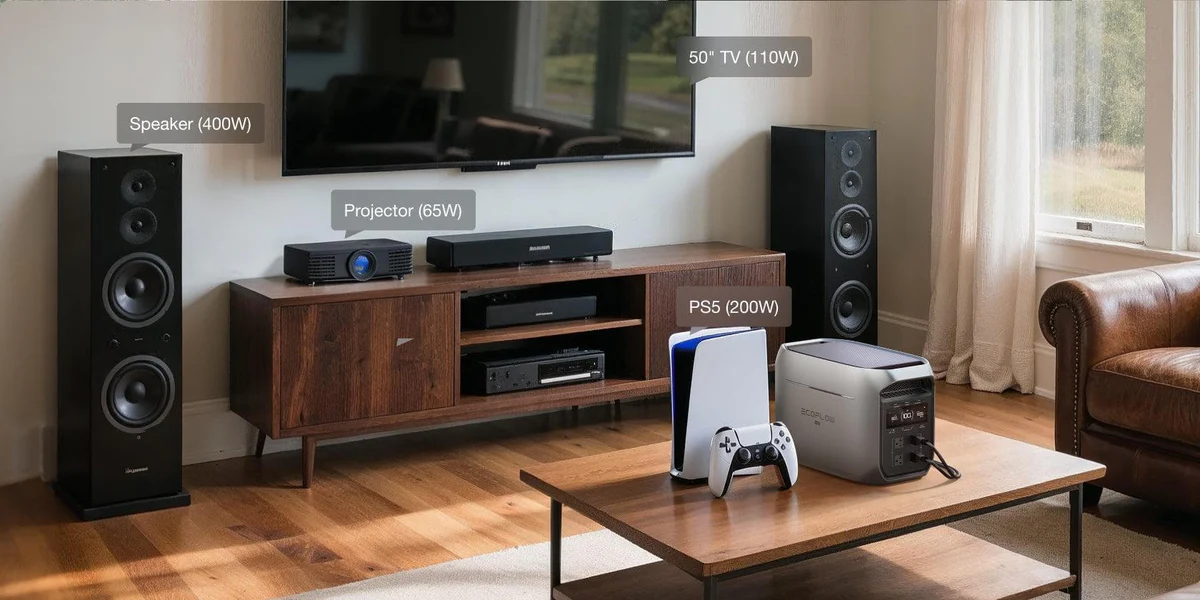
Combined with a portable power station (like the EcoFlow DELTA 3 Max Plus), you can run your home theater equipment safely and efficiently, even off-grid.
What a Battery Backup (UPS) Does
A power manager isn't the only way to protect your home theater equipment. If you live in an area where outages are common, you may also have heard of a UPS. These can also help protect your system from issues with the electrical supply, but they work differently from a power manager.
A UPS provides:
Backup power — They turn on automatically to keep your devices powered if the main grid goes down.
Automatic shutdown support to safely turn off connected devices.
Battery buffering to smooth out short interruptions and voltage dips.
A UPS is often used for critical computer systems, too. They aren’t designed to keep things running long-term, but to provide enough power in an outage to save vital data.
When a Battery Backup Is the Better Solution
A UPS is a better choice if:
You have frequent outages.
You use a projector that needs a proper cooling shutdown.
You have media servers with a risk of data loss in the event of an outage.
You want to avoid sudden shutdowns during movies or gaming sessions.
Ultimately, a UPS is about keeping your system running long enough to shut down safely, while a power manager is more for everyday use, to keep things running as efficiently as possible.
Choosing the Right Power Protection for Your Setup
Ultimately, the best protection for you will depend on your home theater setup and the electrical situation in your area.
Go with a power manager if: | Choose a UPS if: |
|
|
Or, consider both.
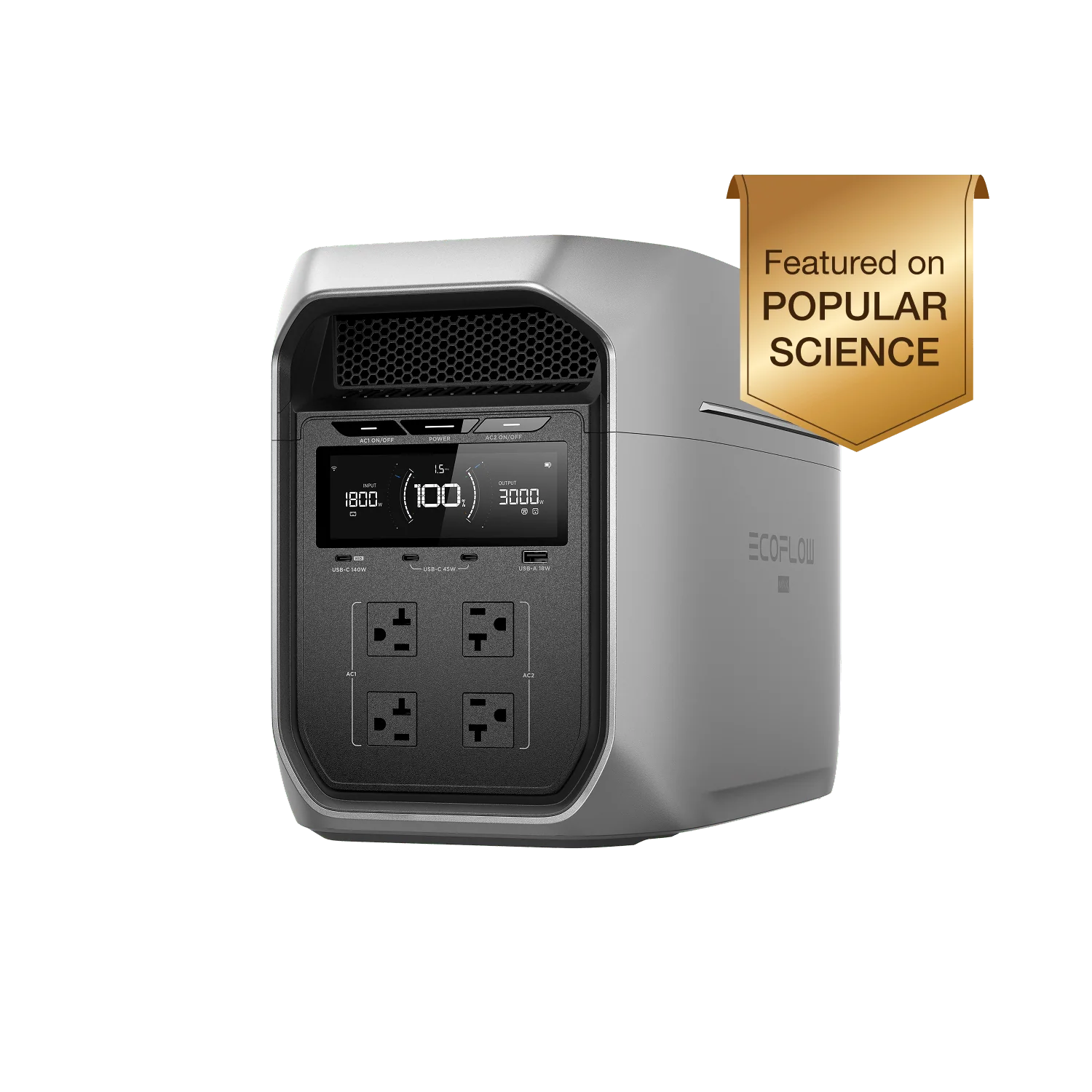
For many setups, the best solution is not one or the other. A UPS and a power manager work great together, especially when combined with a portable power station or whole-home backup system.
The UPS can handle outages and short-term backup, while the power manager handles conditioning and distribution on a daily basis. This layered approach gives you clean and stable electricity during normal use, combined with backup energy when the grid fails.
Frequently Asked Questions
Can a UPS Protect AV Equipment From Power Surges?
Yes. Most UPS units include built-in surge protection. However, power managers provide more advanced filtering and voltage regulation, which makes them a good idea for high-end systems.
Can You Combine a Power Manager and UPS in the Same System?
Yes. And if you have the budget for both, it's often the best approach. Connecting your power manager to the UPS means you can benefit from power conditioning along with battery backup.
Final Thoughts
If you’re trying to choose between a home theater power manager and a battery backup, ask yourself: do I need cleaner electricity, a backup for outages, or both?
Power managers are great at protecting and optimizing your system during normal operation. A UPS, on the other hand, is there to keep things running short-term in the event of an emergency outage.
If you don't suffer from frequent outages, you may not need a UPS. Still, combining both devices will give you the best possible protection. And having a home backup generator system keeps you online no matter what happens.
If you've invested in premium home theater equipment, it's worth considering using both to safeguard your gear. After all, you can never be too well-protected.
For press requests or interview opportunities, reach out to our media team
media.na@ecoflow.com