Home Renovation Costs in 2026: A Complete Budgeting Guide to Avoid Hidden Fees
Planning a home renovation in 2026? Brace yourself for a budget that's harder to pin down than ever. A perfect storm of labor shortages, shifting building codes, and the widespread craving for smart home tech is making real cost estimation a major challenge for homeowners.
Square footage prices only tell part of the story. The real challenge is spotting hidden fees and figuring out which upgrades deliver real ROI.
This guide cuts through the uncertainty. We'll break down current national average costs, explain why your zip code matters, and share straightforward formulas and smart strategies to keep your project on track and on budget—without the nasty surprises.
What Actually Drives Renovation Costs in 2026?
Before you pick out that Carrara marble or start knocking down load-bearing walls, you need to know where your money's really going. The final bill isn't random—it's shaped by a handful of forces (both macro and micro factors), some you can control, others you can't.
The Big Four Cost Factors: Size, Labor, Materials, and Location
These four still call the shots. Right now in 2026, labor's the wild card. Electricians and plumbers are booked solid across most of the country, and they're charging premium hourly rates accordingly. Materials have finally settled down after the chaos of the early 2020s—though if you’re looking for eco-certified or smart-home-ready products, you’ll likely pay extra for that benefit.
Average Cost per Square Foot in the U.S.
Most American homeowners are shelling out $150 to $300 per square foot for a standard renovation. Go luxury or start moving structural walls, and you're looking at $500-plus per square foot without breaking a sweat. Mapping out your expenses by area helps you prioritize which home improvement tasks deserve the largest portion of your budget.
Regional Price Differences Across States
Location isn't just a detail—it's a dealbreaker. The same full-home remodel that runs you $200K in Indianapolis or Charlotte could easily hit $400K in San Francisco or Manhattan. Coastal cities pile on higher permit costs and trickier building codes, which naturally pad the budget.
Average Renovation Costs by Project Type
Not all rooms are created equal when it comes to your checkbook. Some areas require intensive plumbing and electrical work, while others are mostly cosmetic.
Kitchen Remodel Costs
The kitchen remains the king of renovations. A minor refresh might start at $25,000, but a full-scale gourmet overhaul with custom cabinetry and professional-grade appliances typically ranges from $60,000 to $120,000.
Bathroom Renovation Costs
Bathrooms are small but mighty in terms of cost. Expect to pay between $10,000 and $35,000. The bulk of this goes toward waterproofing, tiling labor, and updated fixtures that meet modern water-efficiency standards.
Living Areas and Bedroom Updates
These are generally your most "affordable" wins. New flooring, drywall repairs, and fresh paint for a standard living room usually land between $5,000 and $15,000. And this depends on the quality of the materials used.
Exterior and Whole-Home Renovations
Taking on the whole house? For a 2,500-square-foot home, a comprehensive renovation usually starts at $150,000 and can scale up significantly, if you’re adding square footage or replacing the roof and siding.
| Project Type | Typical Cost | Complexity | ROI Potential |
|---|---|---|---|
| Kitchen | $60k – $120k | High | High |
| Bathroom | $10k – $35k | Medium | High |
| Living Room | $5k – $15k | Low | Medium |
| Whole Home | $150k+ | Very High | Varies |
How to Plan and Budget for a Home Renovation
A good renovation depends less on what you build and more on how you plan. Skip the financial groundwork and "scope creep" will turn your dream project into a money pit fast.
Step-by-Step Budgeting Process
First, split your list: "must-haves" versus your "nice-to-haves." Then get three solid bids from licensed contractors—no shortcuts here. If you're bringing in an architect, pay their fees into the number from day one. As you build your budget, consider whether a solar battery fits your long-term goals.
Simple Renovation Cost Formula
For a rough budget estimate, use the following formula.
Total Budget = (Square Footage × Cost per Sq Ft) + Permits + Design Fees + Contingency
| Item | Value |
|---|---|
| Home size | 2,000 sq ft |
| Cost per sq ft | $200 |
| Base cost | $400,000 |
| Permits & design | $15,000 |
| Contingency (15%) | $60,000 |
| Estimated total | $475,000 |
Cost Allocation Breakdown (Labor, Materials, Permits, Buffer)
A smart budget typically splits like this: about 35% to labor, 40% to materials, 5% to permits and similar fees. And crucially, 20% set aside for contingency funds—for whatever nastiness lurks behind those old walls. Because something always does.
Financing Options for U.S. Homeowners
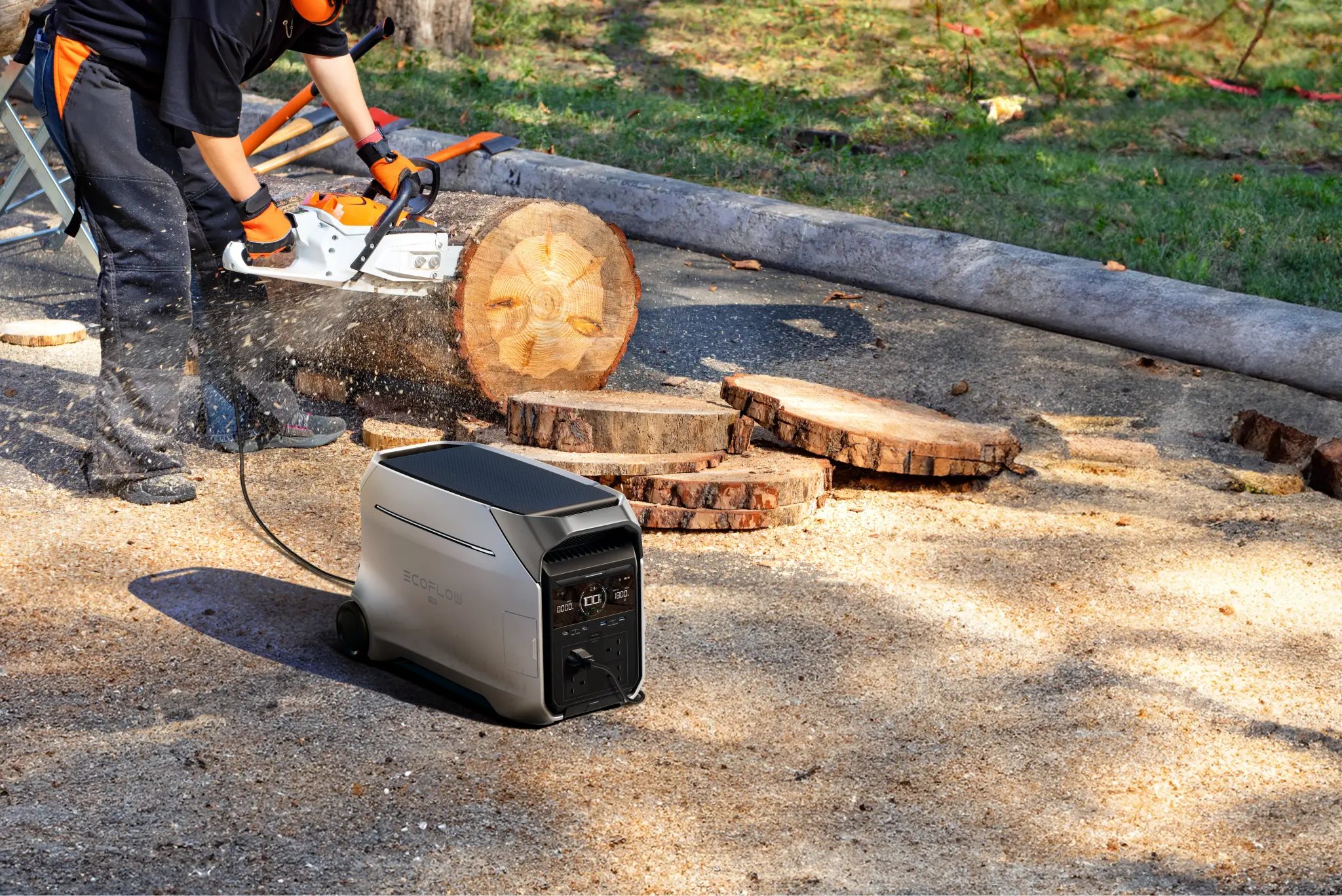
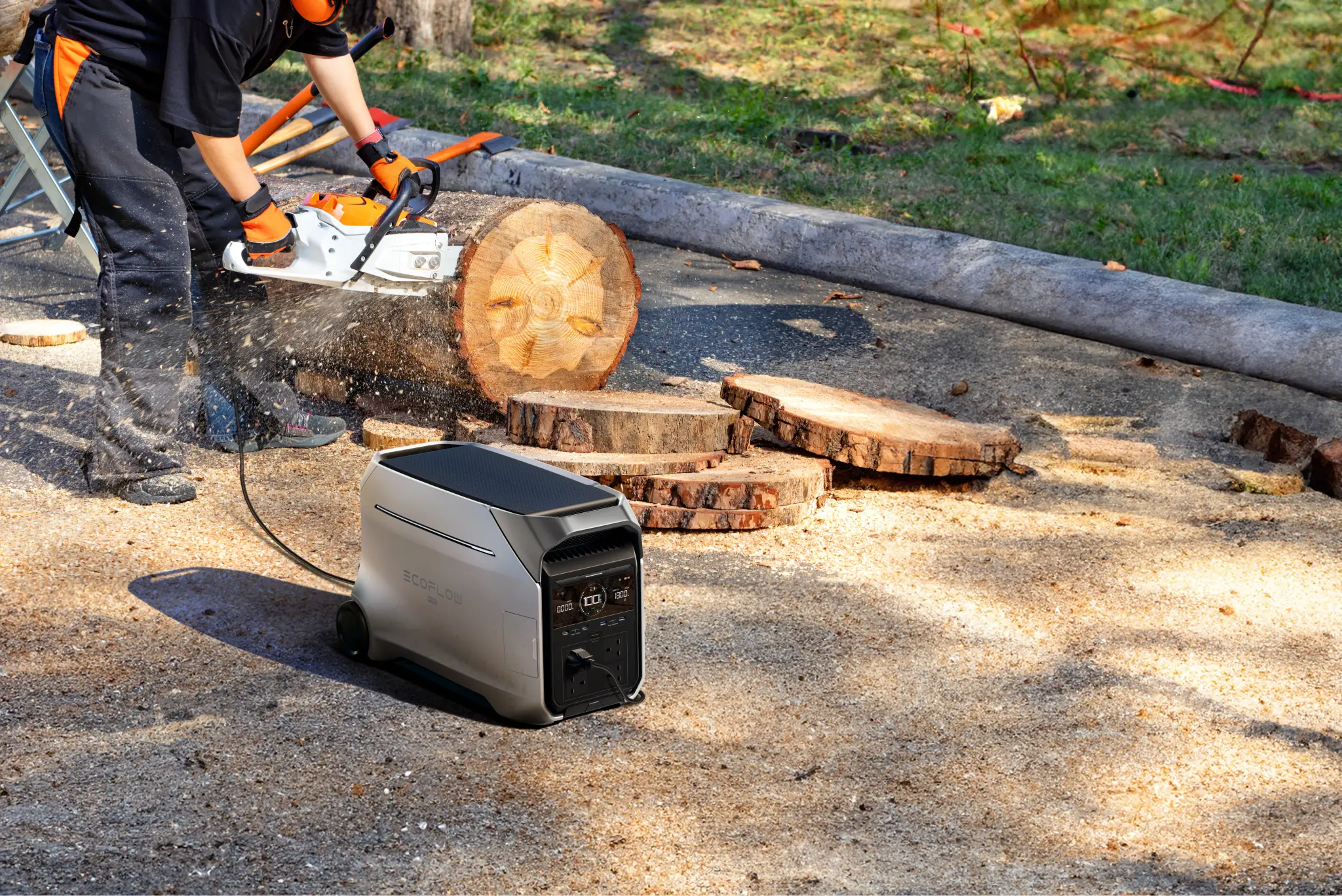
Most American homeowners dip into their home equity via a HELOC (Home Equity Line of Credit) or a Home Equity Loan. Some go the cash-out refinance route, or just take out a personal home improvement loan. Though interest rates in 2026 will dictate which path offers the most breathing room. However you finance your project, don't overlook the small investments that make the process smoother, like a portable power station to keep your crew working when the main power is off.
Hidden Renovation Costs You Shouldn’t Ignore
The sticker price on your contractor’s bid is rarely the final number. It’s the "invisible" logistical hurdles that often strain the wallet.
Permits, Inspections, and Compliance Fees
Cities are getting stricter. Depending on your zip code, permit fees and mandatory inspections for structural or electrical changes can add thousands to your total before the first nail is driven.
Unexpected Repairs (Structural, Electrical, Plumbing)
Once the walls come down, you might find outdated "knob and tube" wiring or a cracked foundation. These "surprises" are exactly why that contingency fund is non-negotiable.
Temporary Living, Storage, and Delay Costs
For most U.S. homeowners, living in a construction zone is messier than you think. Power cuts out in chunks of the house, Wi-Fi drops dead, and the general chaos ensues. Your daily routine can take a hit. Some folks just grin and bear it with loud, fume-belching generators or pricey temporary wiring. Smarter homeowners are skipping that headache entirely, turning to mobile energy solutions.
Any game-changer? Take the EcoFlow DELTA Pro 3 Portable Power Station as an example. When the crew kills your main power, this thing quietly keeps your fridge humming, your router alive, and your work lights burning. No gasoline, no noise, no electrician rigging up some sketchy basement setup. Because it’s plug-and-play, it eliminates the need for complex temporary electrical setups in basements or garages, keeping your life—and your project—running smoothly.
Smart Ways to Reduce Renovation Costs Without Cutting Quality
You don't need a bottomless budget to pull off something sharp. The trick is knowing where to splurge and where to get clever.
Where DIY Makes Sense (and Where It Doesn’t)
Go ahead and tackle the demolition, interior painting, or landscaping yourself. But plumbing, electrical, and any structural work? Hands off. Botch those and you'll pay triple to undo the damage. Definitely, you need to find pros for these things.
Choosing Cost-Effective Materials
Laminate flooring has come a long way and often looks identical to hardwood for a fraction of the price. Similarly, quartz remains a durable, often more affordable alternative to high-maintenance natural stones. The same thinking applies to eco-friendly home renovations, which add value without blowing your budget.
Timing Your Renovation for Better Pricing
Skip the "spring rush" if you can. Contractors are often more willing to negotiate rates during the late fall or winter months (January/February) when the project calendar is a bit lighter.
How to Stay on Budget and Maximize ROI in 2026
If you're planning to sell in the next five to ten years, you want to ensure your renovation adds more value than it costs.
Setting a Contingency Fund (10–20%)
This is your financial safety net. If you don't use it for repairs, you can use it at the end for those high-end light fixtures you thought you couldn't afford.
Managing Contractors and Tracking Expenses
Use a project management app or a simple spreadsheet to track every invoice. Frequent communication with your GC (General Contractor) prevents "misunderstandings" that lead to extra charges. Part of that planning means anticipating disruptions like a planned power outage that could stall your timeline.
Which Renovations Offer the Best Return on Investment
While kitchens and baths are classic ROI winners, energy upgrades are the breakout stars of 2026. With rising utility costs and frequent extreme weather across the States, a home that can power itself is a massive selling point.
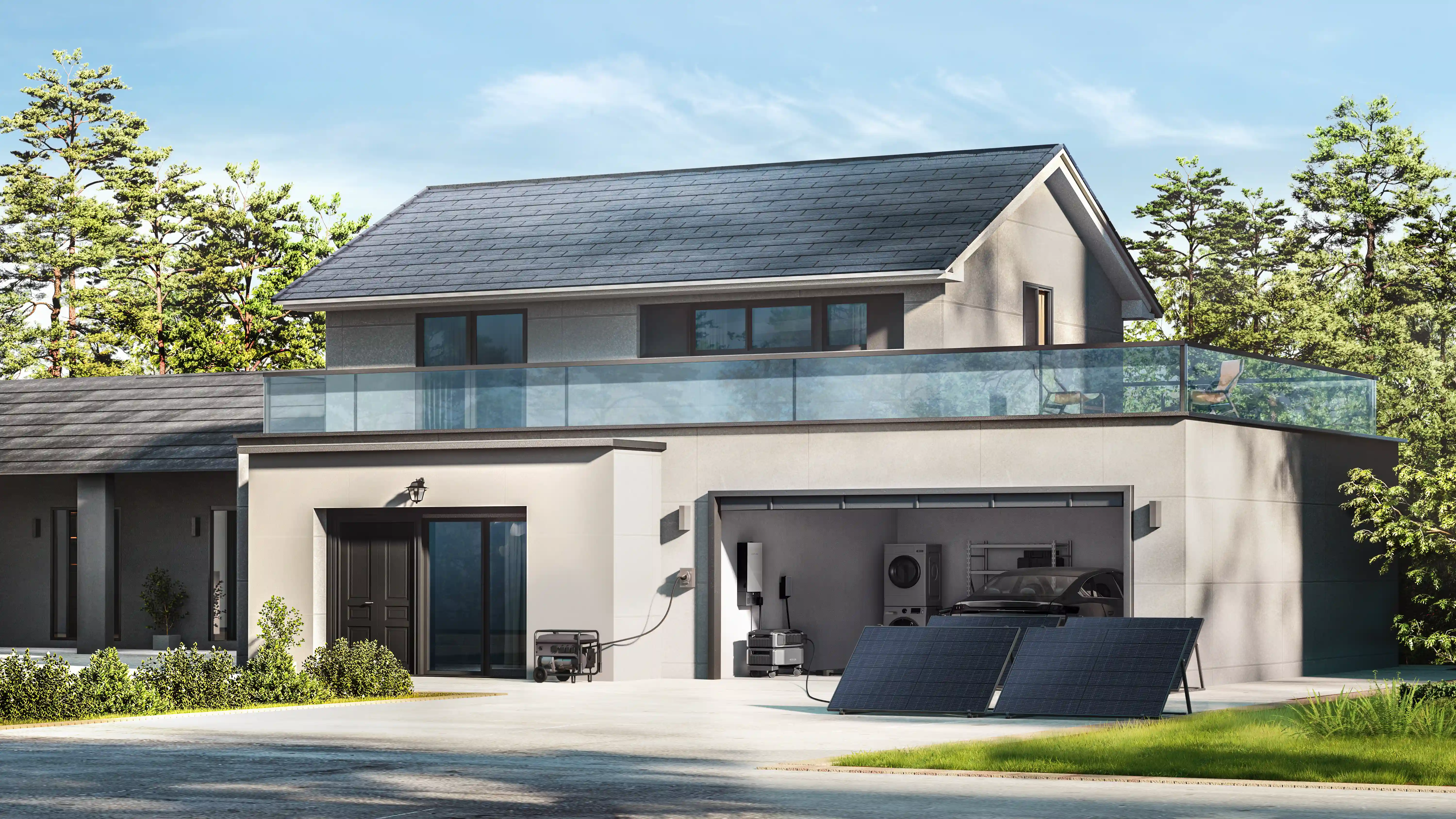
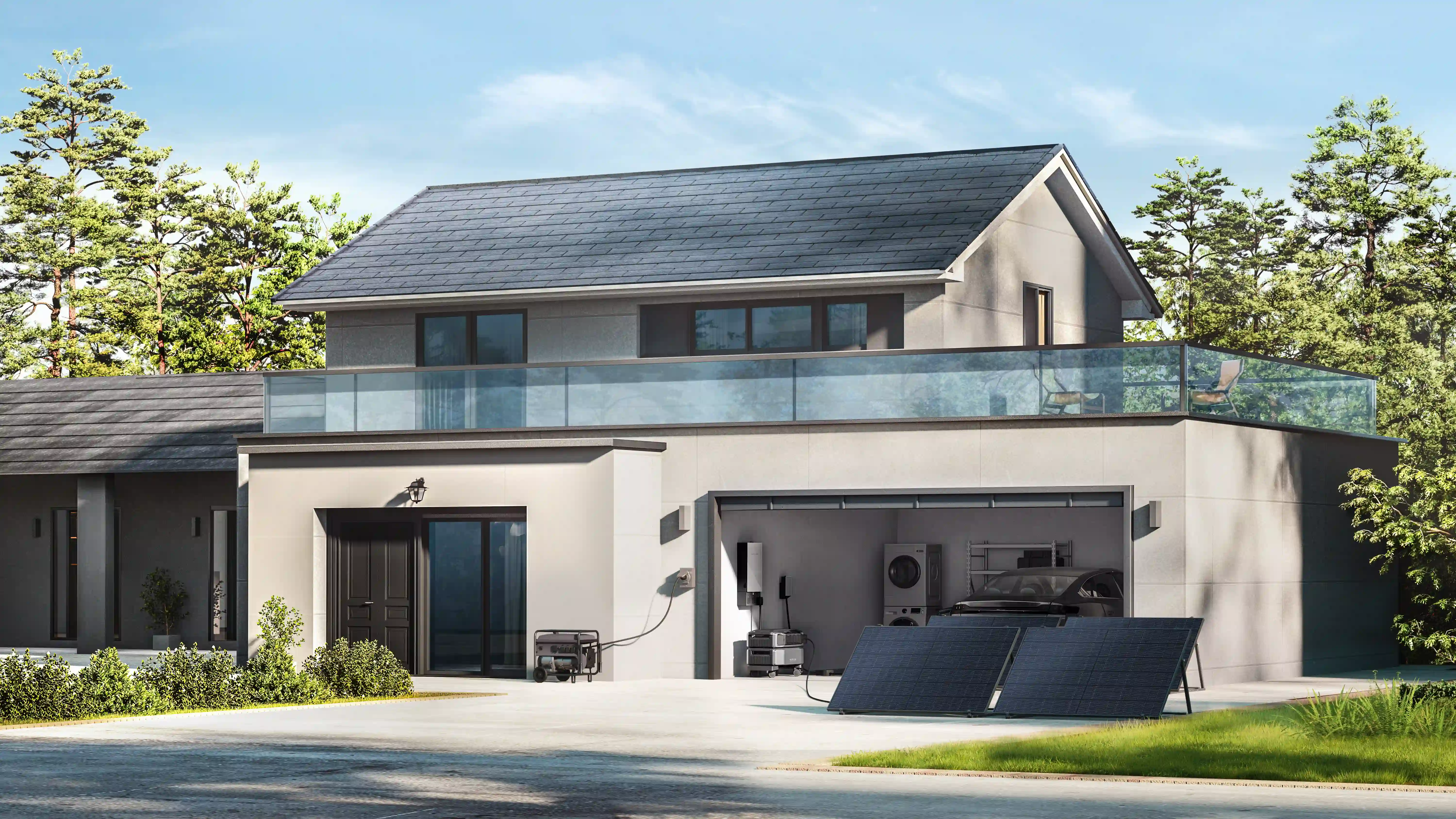
Integrating a system like the EcoFlow DELTA Pro Ultra Whole-Home Backup Power into your home renovation is a brilliant way to boost property value. It’s a whole-home backup system that pairs with solar, allowing for total energy independence. For a prospective buyer, a home that stays bright during a grid failure and slashes monthly power bills is significantly more attractive—and valuable—than the one with just a fancy backsplash.
Pro Tip for 2026 Homeowners: To achieve seamless whole-home power switching and maximize your property value, we recommend professional installation paired with the Smart Home Panel 2. This setup ensures your energy system is fully integrated into your home's electrical grid, making you eligible for 2026 Green Energy Tax Credits (such as the ITC), which can significantly offset your initial investment costs.
You can estimate your renovation ROI using this simple formula:
ROI (%) = (Increase in Home Value ÷ Renovation Cost) × 100
| Project | Cost | Value Added | ROI |
|---|---|---|---|
| Kitchen remodel | $80,000 | $60,000 | 75% |
| Solar + backup system | $25,000 | $20,000 | 80% |
Conclusion
The sticker shock is real, no doubt. But if you lock down a real budget—one that accounts for hidden logistical fees, and invest in long-term energy resilience, you’ll ensure your project is a success. By planning for the "in-between" moments—like keeping the lights on during construction—you can turn a stressful remodel into a rewarding transformation.
FAQ
1. How much should I budget for a home renovation in 2026?
Single room refresh? Think $20,000. Whole-house gut? $150,000 and up, easy. But your zip code changes everything—what buys you basic in Austin gets you builder-grade in Boston. And this also depends heavily on the quality of finishes you select.
2. How do I estimate renovation costs accurately?
Get three itemized bids from licensed contractors in your area. Not back-of-napkin math—actual line items for every material, every permit fee, every hour of labor. If they won't put it in writing, keep walking to get the next one.
3. How long does a typical renovation take?
A standard room remodel? Figure 4 to 8 weeks if everything goes smoothly. Whole house renovation? You're looking at 4 to 9 months. Factors like permit delays and material lead times can extend these windows. Pad your timeline.
4. Can I renovate my home in phases to save money?
Absolutely. Renovating in phases is a great way to manage cash flow without taking on massive debt. Knock out all the messy stuff (electrical, flooring, anything that kicks up dust) in adjacent areas at once to avoid repeating labor costs. Paying a crew twice because you split the kitchen and living room into separate projects is just burning money.
5. What is the most expensive part of a remodel?
Labor, always. And any structural changes (for example, changes involving walls or foundations). In wet rooms (kitchens and baths), moving pipes or rewiring usually costs more than the pretty stuff—the cabinets, the tile, and the fixtures. The invisible work is what bleeds you dry.
For press requests or interview opportunities, reach out to our media team
media.na@ecoflow.com