What Is the Duck Curve? Why Home Batteries Matter More Than Ever
A home battery used to sound like a niche upgrade. Now it feels much closer to everyday energy planning. As more solar power shows up on the grid, the timing of electricity matters more than ever. That is where the duck curve enters the conversation. It helps explain why power can feel plentiful in the middle of the day and much more valuable in the evening.
What Is a Duck Curve?
The duck curve is a graph that shows how electricity demand changes when solar power is part of the grid. It tracks net load, which is total electricity demand minus the power coming from sources like solar and wind. In California, where the chart became well known, solar energy pushes net load down during the middle of the day. Then, when the sun sets, and people get home and start using more power, net load shoots back up quickly. That dip and rise creates a shape that looks like a duck, which is where the name comes from.
It is not just a funny nickname. The duck curve points to a real and practical problem. Solar panels produce the most energy earlier in the day, but household electricity demand peaks in the evening. That gap means the grid has to ramp up other power sources very quickly once solar fades, which puts pressure on the entire system.
Why the Energy Duck Curve Keeps Growing
The duck curve gets more attention because the forces behind it are still growing. More solar helps lower emissions and adds clean power, but it also changes when electricity is available and when it is needed most.
More Solar Lowers Midday Net Load
As solar adoption increases, more electricity is produced during sunny hours. That pushes the net load down in the middle of the day. In the classic duck curve shape, this creates the “belly” of the duck. CAISO, the California Independent System Operator, created these net load scenarios to show how growing renewable generation changes grid conditions.
This is a good problem in one sense. Daytime solar power can reduce how much the grid needs to serve other generations at that moment. But it also creates a sharper contrast between midday and evening.
Evening Demand Creates a Steeper Ramp
The harder part comes later. As solar production falls, people return home, turn on lights, cook, cool or heat their homes, and use appliances. The Department of Energy notes that peak power use often happens in the afternoon and evening, when solar generation is falling.
That means the grid needs flexible resources that can respond quickly. CAISO’s explanation of the duck chart highlights short, steep ramps and the need for resources that can store energy or modify use. This is one reason the energy duck curve matters well beyond utility planning. It points directly to the value of storage.
What the Duck Curve Means for Your Home Battery System
Many people hear “duck curve” and assume it is only a grid-level issue. It is a grid issue, but it also affects how a household should think about energy timing, backup, and self-use.

Why Evening Power Feels More Valuable
At different times of the day, electricity is not always useful. In many homes, the most important part of the day starts after school and work. When people need lights, cooking appliances, the internet, heat or cool, and charging for their devices all at the same time.
Even if there is a lot of energy in the morning, it doesn't always help when demand changes in the evening. When a home battery system can store power for the hours that matter the most, it becomes more useful. That's the same gap in time that the duck curve is trying to show.
Why Home Battery Storage Helps Shift Energy to When It Matters
Home battery storage has a straightforward basic value. It permits the utilization of energy at a later time rather than just during its generation. In order to balance supply and demand, storage can store electricity and release it as needed. Additionally, it mentions that storage can be charged during periods of high generation and low demand, and released during periods of high demand, including after sunset.
Because of this, a house battery is now more than just a backup device. It serves as a timing tool as well. It enables homes to use energy more practically.
Why Home Battery Storage Matters More Than Ever
The duck curve is only part of the story. The larger point is that energy timing has become more important for both households and the grid.
Backup and Resilience Matter More
Extreme weather, grid stress, and outages have pushed more homeowners to think beyond simple monthly usage. Many people now want a plan for keeping key parts of the home running when the grid is under pressure.
The Department of Energy notes that storage can provide resilience and backup power during an electrical disruption. That makes home battery storage useful for more than one kind of problem. It can support both everyday energy timing and emergency needs.
Energy Shifting Makes Batteries More Practical
A battery does not create electricity on its own. Its value comes from when it stores energy and when it releases it. That makes it especially relevant in a world shaped by solar-heavy midday production and higher evening demand.
For homeowners, that can mean better use of solar, more control over when stored power is used, and less dependence on the grid during the hours that feel most constrained. In plain terms, the timing problem makes the storage solution more practical than it used to be.
A Home Battery Can Support More Than Blackout Protection
People often picture a battery as something that only matters when the lights go out. That is too narrow.
A modern home battery system can help with:
backup during outages
shifting stored energy into evening use
getting more value from solar production
supporting key home loads when demand is highest
That broader role is why the phrase home battery now covers more than emergency planning. It is increasingly about daily energy flexibility.
What to Look for in a Home Battery in a Duck Curve Era
If the duck curve shows that electricity timing matters, then choosing a battery should be about more than simply having one. The question is whether the system can support real household needs when timing becomes important.
The Features That Matter Most in a Modern Home Battery
A stronger battery setup should be able to do two things well. First, it should support important household loads instead of only handling a few small devices. Second, it should fit into a broader home energy plan, especially if solar or whole-home backup is part of the goal.
That is why shoppers often look for enough output, room to scale, and smart control over which circuits matter most. Those features make a home battery system more useful in real homes, not just on paper.
A Practical Fit for Whole-Home Backup and Evening Demand
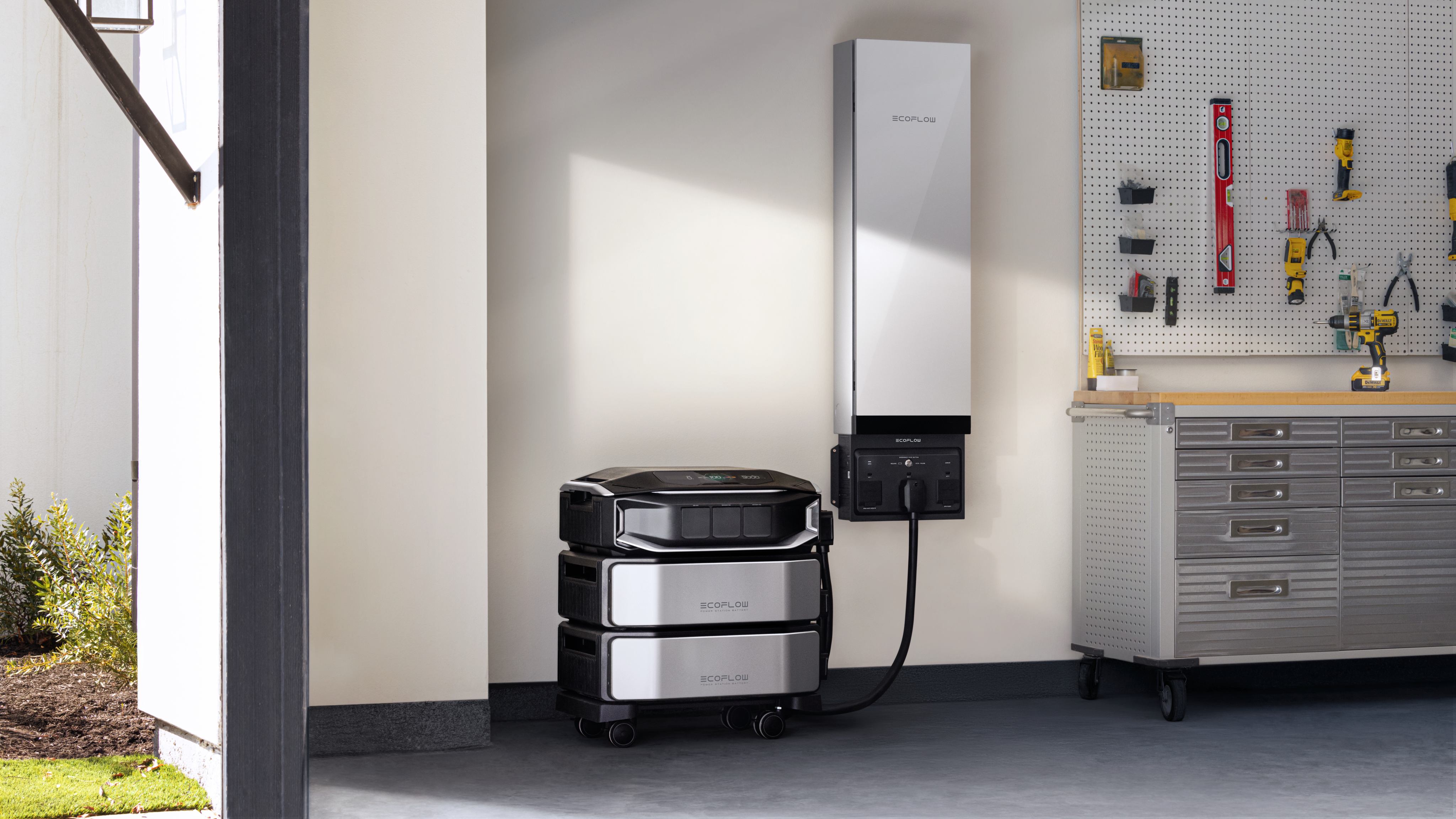
That is where EcoFlow DELTA Pro Ultra X fits into this conversation naturally. EcoFlow positions it as a whole-home backup system, and its official product page highlights 12kW output and a 200A smart panel, which are both relevant if the goal is to support major household loads and manage power across the home instead of only covering a few small essentials.
In a duck curve era, that matters. The value of a home battery is closely tied to what it can actually support when evening demand rises, or the grid goes down. A system designed around whole-home backup, circuit-level control, and stronger output fits those needs more directly than a lighter backup solution.
Make Your Evening Energy Work Harder
The duck curve is a grid concept, but its lesson is personal. Power timing matters more than ever, and that makes a home battery more relevant for everyday life, not just emergencies. If evening demand, backup, and smarter energy use are becoming bigger priorities in your home, it makes sense to look at storage with fresh eyes. Start by thinking about what your household really needs after sunset, then compare battery options that match that reality.
FAQs
Q1. Why Is It Called the Duck Curve?
The name comes from the shape of the graph. The graph looks a little like a duck. In the middle of the day, solar power lowers net electricity demand, which creates the low middle part of the shape. Later in the day, solar power drops while people use more electricity at home, so the curve rises sharply and forms what looks like the duck’s neck.
Q2. Why Is the Duck Curve a Problem?
Solar panels produce the most power at midday, but people use the most electricity in the evening when they get home and start cooking and running appliances. That gap forces grid operators to ramp up other power sources very quickly in just a few hours. Doing that over and over puts real strain on the grid and makes balancing the electricity supply much more difficult to manage reliably.
Q3. Can Batteries Help With the Duck Curve?
Yes. Batteries store the extra solar energy that gets produced during midday and release it later when evening demand spikes. This helps smooth out the sharp rise in the curve. Both large utility-scale battery systems and home batteries play a role when enough of them are used. Battery storage is now widely seen as one of the most practical solutions to this problem.
Q4. Can a Home Battery Work Without Solar?
Yes, a home battery works perfectly fine without solar panels. It can charge directly from the grid, usually during off-peak hours when electricity is cheaper, and then power your home during peak hours to help lower your bill. It also keeps your essentials running during a power outage. Solar panels just give you an extra way to charge, but they are not required.
For press requests or interview opportunities, reach out to our media team
media.na@ecoflow.com