DIY Solar System 2026: How to Design Your Own Off-Grid Power System
- What Does It Actually Take to Build a DIY Solar System?
- What Are the Core Components of a DIY Off-Grid Solar Setup?
- How Do You Size a DIY Solar System for Your Needs?
- What Are the Limitations of a DIY Solar Build?
- Who Should Go DIY, and Who Should Choose a Ready-Made System?
- Frequently Asked Questions
- Independence, Reliability, and Scalable Energy
A DIY off-grid solar system isn't something you piece together in an afternoon. It takes load calculations, compatible components, careful wiring, and, in most cases, permits.
This guide covers what the process actually involves so you can decide whether going fully DIY makes sense or whether a ready-made solution is the smarter call.
What Does It Actually Take to Build a DIY Solar System?
Beyond sourcing parts, you'll need to design the system, calculate your energy load, run and size cable, and navigate local permit requirements.
Installation for a typical off-grid setup takes days to weeks, depending on complexity, and it requires a solid working knowledge of DC and AC circuits, wire gauges, fuse ratings, and grounding.
It's a manageable project if you're methodical, but the scope is significant.
What Are the Core Components of a DIY Off-Grid Solar Setup?
Every off-grid system uses the same building blocks. For a DIY solar system setup, you will need:
Solar Panels
Rigid monocrystalline panels are the most efficient option for fixed off-grid installs. Panel count depends on your daily energy needs and average peak sun hours. A system needing 3 kWh/day in a location with 5 peak sun hours needs roughly 600W of panel capacity before efficiency losses.
Charge Controller
The charge controller regulates voltage and current between your panels and battery bank to prevent overcharging. MPPT controllers are the standard choice, as they recover more usable energy than PWM alternatives, especially on overcast days.
Battery Bank
Your battery bank stores generated power for use after dark or during low-sun periods. Lithium Iron Phosphate (LFP) batteries are now the default for off-grid use. They have safer chemistry, deeper discharge tolerance, and a longer cycle life than older lithium-ion options. Most off-grid setups need between 5 and 20 kWh of storage.
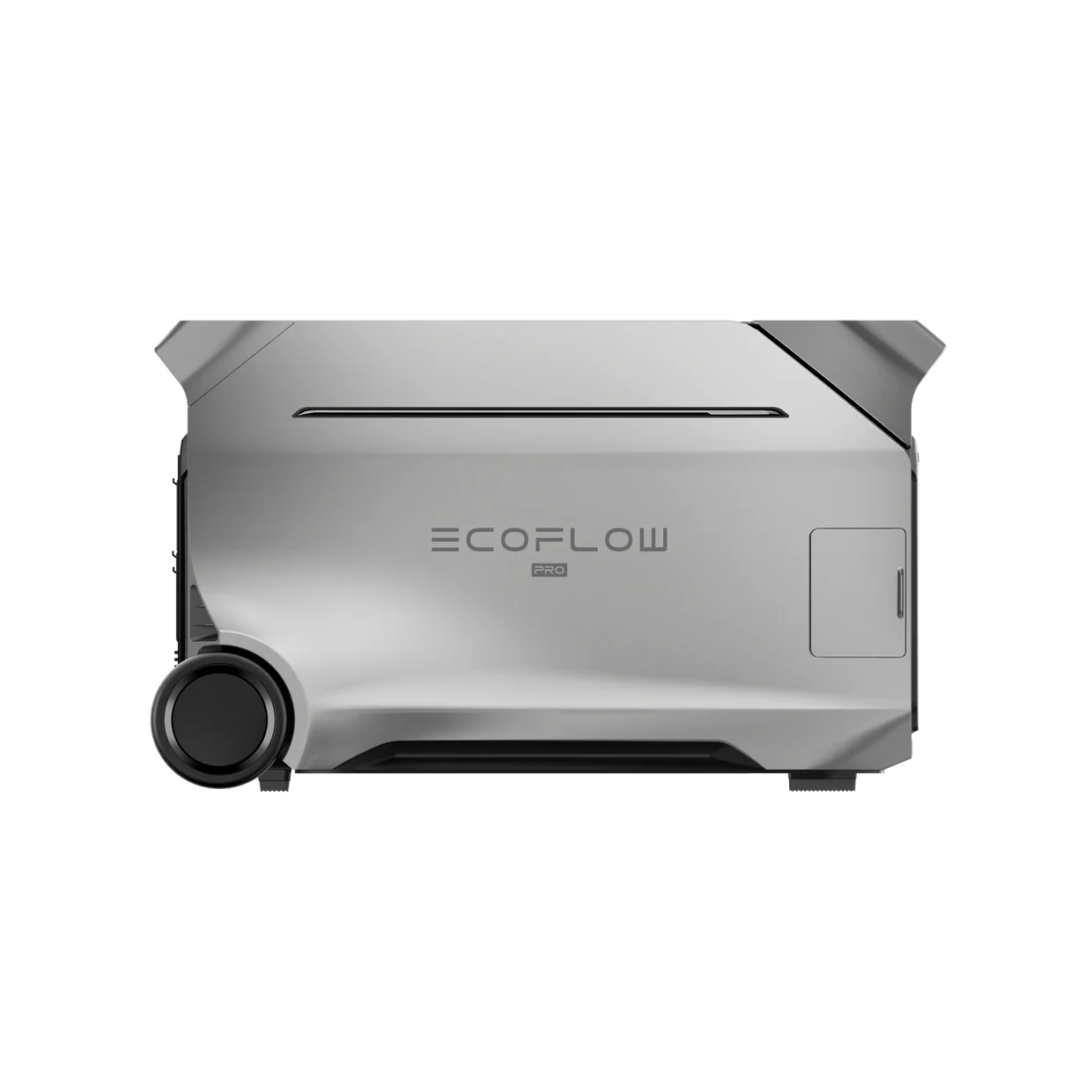
If you'd rather skip the battery bank build entirely, the EcoFlow DELTA Pro 3 Solar Generator combines a 4 kWh LFP battery with an integrated charge controller and inverter in a single ready-to-use unit.
Inverter
Solar panels and batteries output DC power; most appliances need AC. A pure sine wave inverter handles the conversion cleanly and works safely with sensitive electronics. Size it to your peak simultaneous load, not your average.
Wiring, Fuses, and Disconnects
Undersized wire generates heat and creates fire risk, so every cable run needs to be sized for the current it carries. You'll also need properly rated fuses at each connection point and disconnect switches for safe maintenance. This is the part of the build where consulting a licensed electrician is worth it.
How Do You Size a DIY Solar System for Your Needs?
Start with a load audit: list every device, its wattage, and daily hours of use. Multiply watts by hours to get watt-hours (Wh) per device, then total them up.
A 12V compressor fridge drawing 45W for 8 hours uses 360Wh; a laptop charged for 3 hours at 60W adds 180Wh.
A modest off-grid setup can reach 1,500–2,000Wh per day once you include lights, a fan, and a phone.
From there, work backwards to size your battery bank (accounting for depth-of-discharge limits), panel capacity, and inverter.
Anyone working through their first off-grid solar system will want to run these numbers carefully before ordering parts. Build in a 20–25% buffer above your calculated needs for cloudy days and load growth.
What Are the Limitations of a DIY Solar Build?
Permitting
Most US jurisdictions require building and electrical permits for solar installations, including off-grid systems. Rural areas sometimes have lighter requirements, but suburban and urban properties typically need approved plans and inspections from the local Authority Having Jurisdiction (AHJ).
Skipping permits can mean fines, a forced removal, or insurance complications.
Electrician Requirements
Some states, including California and Massachusetts, require a licensed electrician for solar electrical work regardless of whether the system is grid-tied.
Even where it's not legally required, a professional review of your wiring before energizing is a sensible step.
Ongoing Troubleshooting
When something fails, like a charge controller, a battery cell, or a fuse, diagnosing and fixing it is your responsibility. That's manageable with the right knowledge, but it's a real ongoing commitment.
Who Should Go DIY, and Who Should Choose a Ready-Made System?
A custom DIY build is the right call if you have high power needs, enjoy technical projects, and want the flexibility to expand over time. It's the traditional path for full-time off-grid living on remote properties.
For most other situations (e.g., a cabin, a van build, an emergency backup, or a first off-grid setup), a ready-made solar generator gets you the same clean energy with far less effort.
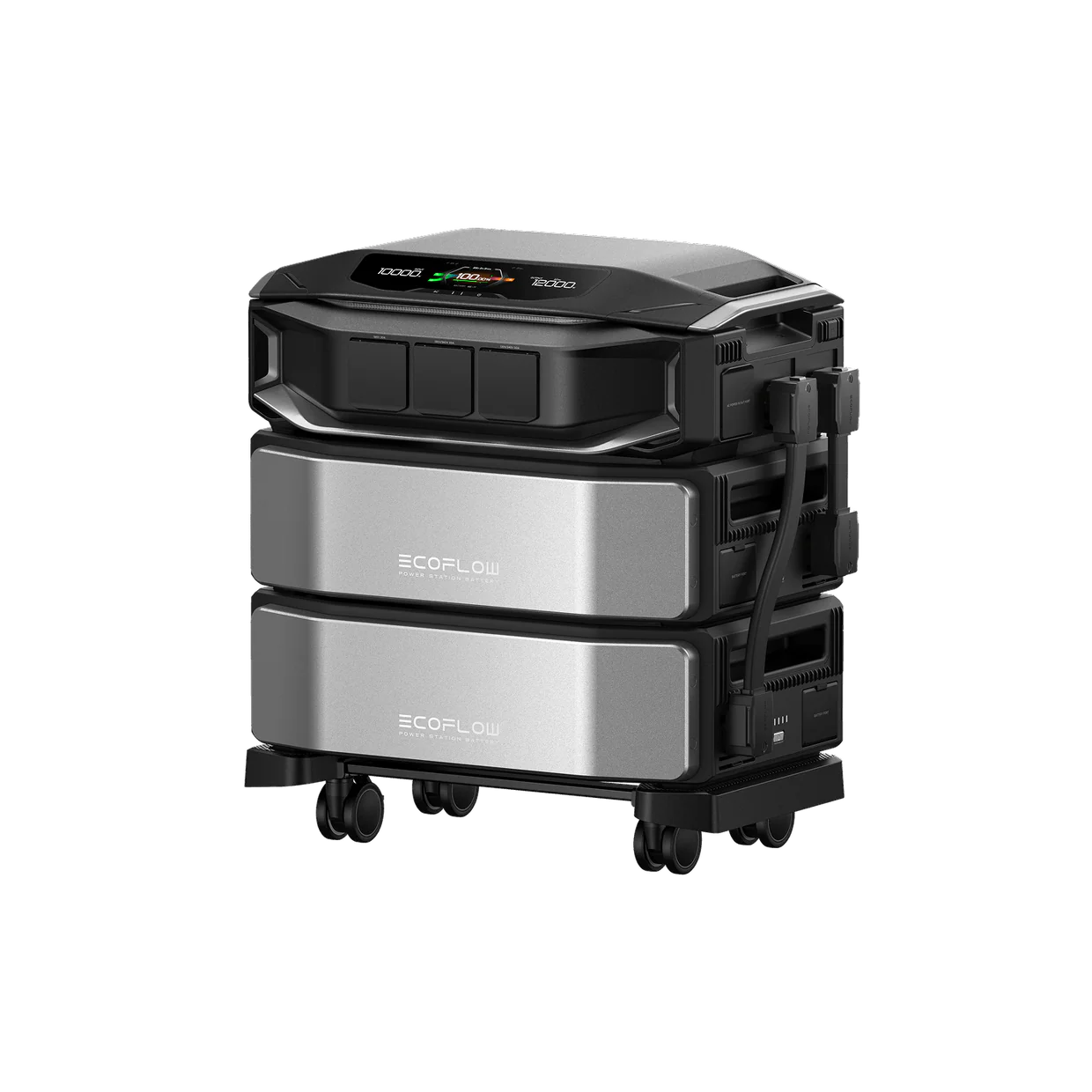
The EcoFlow DELTA Pro 3 Solar Generator scales to 48 kWh with expansion batteries, charges via solar, wall outlet, or car port, and needs no wiring or permitting.
For whole-home backup, the EcoFlow DELTA Pro Ultra X takes things further and is worth exploring if that's where your project is heading.
If you're weighing a full custom build against a DIY solar kit, pre-packaged component sets can simplify sourcing without locking you into a proprietary system.
Frequently Asked Questions
Is It Legal to Build Your Own Solar System?
Yes. DIY solar is legal across all US states, but permits are still required in most jurisdictions, even for off-grid systems. Some states also require a licensed electrician for parts of the installation.
Do You Need an Electrician for a DIY Solar System?
It depends on your state. Off-grid installs generally face fewer requirements than grid-tied systems, but states like California and Massachusetts require licensed electricians for solar electrical work regardless. Even where it's not mandated, having a qualified electrician review your wiring before first power-on is a practical safeguard for your equipment and your home.
Independence, Reliability, and Scalable Energy
A DIY off-grid solar system puts you in full control, but that comes with real complexity. If you have the skills, the time, and genuinely high power needs, building your own is a solid investment.
If you want dependable off-grid power without the permit paperwork and troubleshooting, a ready-made system like the EcoFlow DELTA Pro 3 Solar Generator gets you there faster.
For those whose needs extend beyond off-grid to full, whole-home backup power, EcoFlow has solutions for that, too. Either path leads to clean, reliable energy on your own terms.
Regulations vary by state and locality. The information here reflects policy at the time of writing. Always verify current requirements with your local AHJ before starting, as rules may change.
For press requests or interview opportunities, reach out to our media team
media.na@ecoflow.com