Beyond Aesthetics: 5 High-ROI Home Upgrades That Slash Your Monthly Bills
- Which Energy Efficient Home Upgrades Deliver the Fastest Payback?
- How Do Insulation, Air Sealing, and High-Performance Windows Cut Monthly Bills?
- Why Is HVAC Optimization One of the Smartest Home Upgrades?
- When Should a Home Upgrade Plan Include Smart Energy Management?
- How Can Energy Arbitrage and Home Battery Storage Turn a Home Upgrade Into Long-Term Savings?
- Smart Home Upgrades Lead to Long-Term Value and Lower Monthly Bills
- FAQs
A remodel feels exciting when the work is done. The utility bill tells a different story. Many homeowners across the U.S. are dealing with rising energy costs, uneven indoor comfort, and more concern about outages than they had a few years ago. That shift has changed the way people evaluate home upgrades. Appearance still matters, yet performance now carries far more weight. The best improvements lower monthly bills, improve comfort, and help a home run with less waste.
Which Energy Efficient Home Upgrades Deliver the Fastest Payback?
The quickest returns usually come from fixing problems that affect the house every day. Air leaks, weak insulation, inefficient windows, duct losses, and poorly timed energy use all drain money little by little. That is why the most effective energy-efficient home upgrades usually follow a clear order: reduce waste first, improve system efficiency next, and then add smarter control.
| Upgrade Type | What It Improves | Why It Matters |
| Air sealing and insulation | Reduces heat loss and heat gain | Lowers heating and cooling demand year-round |
| High-performance windows and doors | Tightens the envelope | Improves comfort and reduces HVAC strain |
| HVAC optimization | Cuts system waste | Targets one of the biggest energy costs in the home |
| Smart energy management | Shifts usage to better times | Helps control costs under time-based rates |
| Battery storage | Adds control and backup | Reduces exposure to peak pricing and outages |
For most households, the strongest home upgrades are the ones that keep delivering value long after the project is finished. A stylish remodel may improve visual appeal. A tighter, smarter, better-managed house can improve everyday living while lowering the cost of operating it.
How Do Insulation, Air Sealing, and High-Performance Windows Cut Monthly Bills?
This part of the house does not get much attention, yet it often has the biggest effect on energy waste. When conditioned air leaks out through attic gaps, rim joists, and poorly sealed openings, the HVAC system has to work harder to maintain the same indoor temperature. The same thing happens when windows allow too much heat gain in summer or too much heat loss in winter.
That is why envelope improvements remain some of the most reliable home upgrades for homeowners who want a clear financial return. Better insulation and air sealing reduce the amount of energy needed to keep the house comfortable. High-performance windows and doors help stabilize indoor temperatures and reduce pressure on heating and cooling equipment.
Where Homeowners Usually See the Biggest Gains
Attics with visible air leakage
Basement rim joists
Floors over crawl spaces
Older single-pane or poor-performing windows
Exterior doors with worn weatherstripping
Why This Category Pays Off
Lower heating and cooling demand
Fewer drafts and temperature swings
Better comfort in rooms that used to feel hard to manage
Less wear on HVAC equipment
These benefits show up in practical ways. A room that used to feel too hot in the afternoon becomes usable again. The second floor that stays chilly in winter feels more balanced. The HVAC system cycles less aggressively, and the monthly bill has a better chance of moving in the right direction. If a homeowner is planning one home upgrade with broad impact, envelope improvements often deserve serious consideration.

Why Is HVAC Optimization One of the Smartest Home Upgrades?
Heating and cooling account for a large share of household energy use, which makes HVAC optimization one of the smartest home upgrades available. Many homeowners assume the only answer is a brand-new system. Sometimes that is true. In many homes, the bigger problem sits around equipment rather than inside it.
Leaky ducts, poor airflow balance, weak maintenance habits, and outdated thermostat settings can all reduce efficiency. A system may still be capable of decent performance, yet the home never feels quite right because air is being lost or distributed unevenly. That is why HVAC optimization should be part of any serious home upgrade plan focused on cost savings.
What to Check Before Replacing Equipment
Duct leakage
Airflow balance between rooms
Filter condition and maintenance history
Thermostat schedules
Envelope weaknesses that force longer runtimes
A smart thermostat can add another layer of improvement, especially when the rest of the system is working properly. It will not fix leaky ducts or poor insulation, yet it can help households manage runtime more efficiently and avoid wasteful heating and cooling patterns.
This category matters because it can change the economics of a larger project. Once ducts are sealed, airflow is corrected, and indoor temperatures become more stable, the house may not need as much heating and cooling capacity as originally assumed. That can affect installation cost, operating cost, and comfort all at once.
When Should a Home Upgrade Plan Include Smart Energy Management?
Many homeowners think about smart energy management too late. It often enters the picture only after a panel upgrade, solar installation, or backup purchase. In reality, it belongs much earlier in the process.
If a project already involves an electrical update, a new heat pump, future solar plans, or concerns about rising monthly bills, smart energy management should be part of the conversation. This is especially true in areas where utilities use time-based pricing. In those markets, the timing of energy use can matter almost as much as total consumption.
A well-planned system gives homeowners better visibility into how the house uses electricity and when costs tend to spike. That kind of information makes a home upgrade more strategic. Instead of reacting to high bills after they arrive, homeowners can manage loads, prioritize key circuits, and reduce reliance on expensive periods.
What Smart Energy Management Adds
Better visibility into household energy use
Circuit-level control for critical loads
A way to respond to peak and off-peak pricing
Backup preparation during storms or outages
A clearer path to integrating storage and solar later
That changes the role of the house itself. Instead of functioning only as a place that consumes power, the home begins to operate like a managed system with measurable inputs, priorities, and savings opportunities.
How Can Energy Arbitrage and Home Battery Storage Turn a Home Upgrade Into Long-Term Savings?
Energy arbitrage may sound complicated, but the household version is easy to understand. Store electricity when rates are lower. Use stored electricity when rates are higher. Reduce the amount of expensive grid power you need during peak periods.
This concept matters most in places with time-of-use pricing, high evening demand, or a growing risk of outages. In those conditions, battery storage can do two jobs at once. It can help lower electricity costs by shifting part of the load away from expensive hours, and it can keep essential circuits running when the grid goes down.
That is why battery-focused home upgrades appeal to homeowners looking for both savings and resilience. A storage system is no longer only about emergency backup. It can also become part of a larger plan to manage energy more intelligently.
When Battery Storage Makes the Most Sense
Your utility uses time-based pricing
Evening electricity use is a large part of the bill
Outages are common or disruptive
You want backup for key circuits
The home has already handled obvious efficiency losses
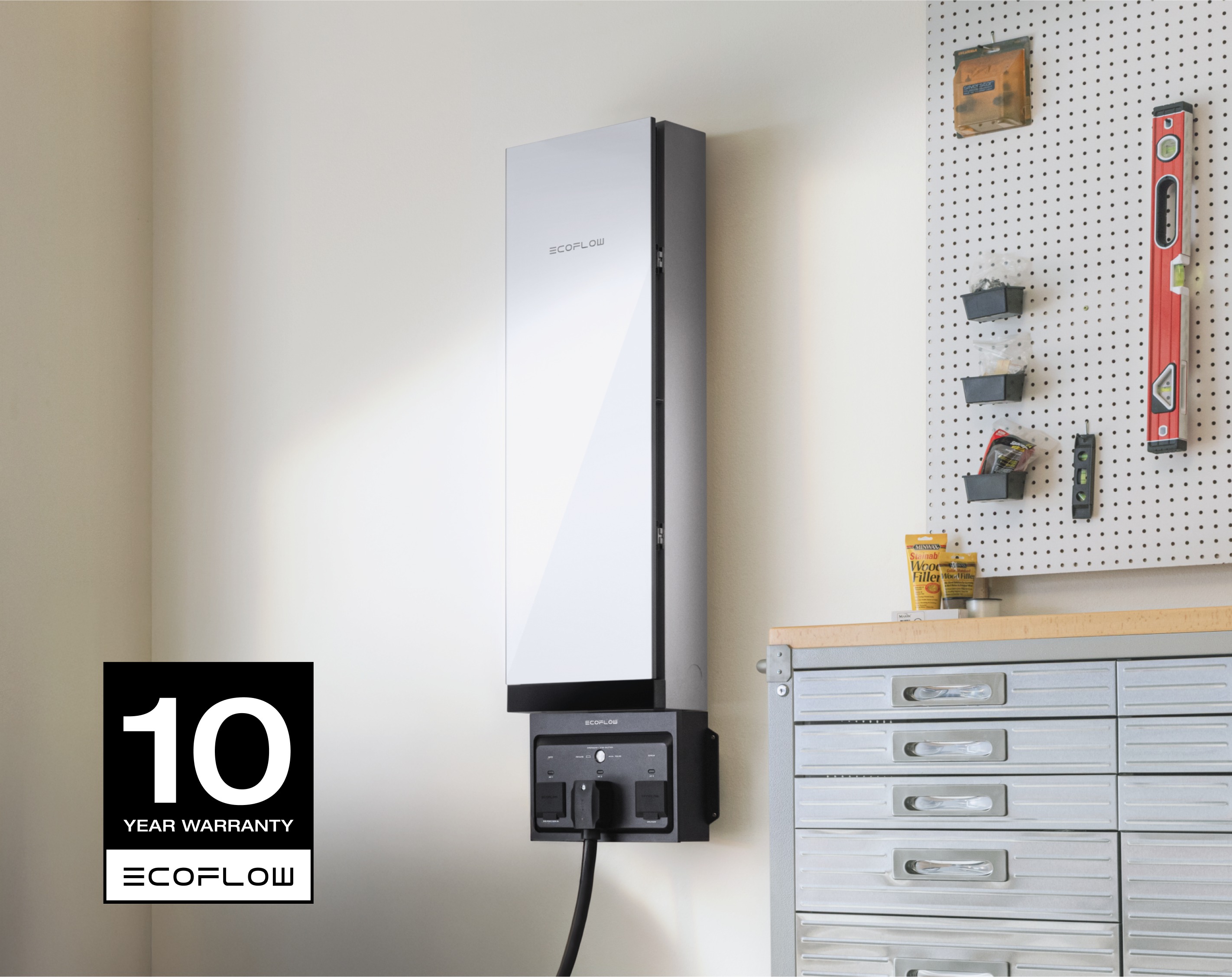
EcoFlow DELTA Pro Ultra X fits this use case well. EcoFlow positions it as a whole-home backup system with scalable capacity, fast switchover, and support for smart circuit management through Smart Home Panel 3 or Smart Gateway. That makes it relevant for homeowners who want backup power, better control over critical loads, and a more flexible path toward long-term energy planning. Any backup system in a flood-prone or storm-prone area should still be installed in line with local code, site conditions, and professional installation guidance.
One point is worth keeping in mind: battery storage performs better in an efficient home. If the building envelope leaks badly and the HVAC system wastes conditioned air, stored electricity disappears faster. In a tighter and better-managed house, every stored kilowatt-hour goes further.
Smart Home Upgrades Lead to Long-Term Value and Lower Monthly Bills
The strongest home upgrades do not deliver value only at resale. They improve daily life by reducing waste, improving comfort, and giving homeowners better control over a recurring expense that keeps pressuring household budgets. For many U.S. households, the smartest path is clear: improve the envelope, optimize HVAC performance, and then add smarter energy management when pricing structures and outage risk make it worthwhile. That approach creates a home that feels better, costs less to run, and holds its value in a more practical way.
FAQs
Q1. Should I get a home energy audit before choosing any major home upgrades?
Yes. A home energy audit is often the fastest way to avoid spending money in the wrong order. It can reveal hidden air leakage, duct problems, insulation gaps, and appliance loads that are not obvious during a walk-through. For homeowners comparing several projects, an audit helps separate upgrades that look impressive from ones that will actually improve comfort, lower operating costs, and support better decisions on future equipment sizing.
Q2. Can energy-related home upgrades improve resale value even if I sell within a few years?
Yes. Many buyers now pay closer attention to monthly carrying costs, indoor comfort, and outage readiness, not only finishes and curb appeal. Even if you do not stay long enough to capture every dollar of utility savings, documented improvements such as insulation work, newer windows, electrical modernization, or backup-ready infrastructure can make the home easier to market. The strongest resale benefit usually comes from upgrades buyers can understand and trust immediately.
Q3. Do I need permits for efficiency upgrades, electrical work, or battery installation?
Usually, yes for electrical work and often for larger mechanical or structural upgrades. Permit rules vary by city and county, but panel changes, battery systems, window replacements, and HVAC replacements commonly trigger code review. Skipping permits can create problems during resale, insurance claims, or future renovations. Homeowners should confirm local requirements before work begins and make sure contractors pull permits when needed, especially for anything connected to wiring, load calculations, or inspections.
Q4. Can homeowners benefit from time-based electricity rates even without rooftop solar?
Yes. Time-based rates can still work in your favor without solar if you shift major usage away from expensive periods. Running laundry later, pre-cooling the house earlier, charging devices off-peak, and pairing smart controls with storage can all reduce exposure to high-cost hours. The main advantage is flexibility. Homes with predictable evening demand often have the clearest opportunity, especially when utility pricing creates a meaningful gap between peak and off-peak rates.
Q5. How should homeowners decide between envelope upgrades, HVAC work, and battery storage on a limited budget?
Begin with the upgrade that removes the largest ongoing waste. In many homes, that means envelope improvements or HVAC corrections before adding storage. A battery can add real value, but it performs best in a house that already holds conditioned air well and uses equipment efficiently. Homeowners with a tight budget should compare three things first: current pain points, expected bill impact, and whether the project improves later upgrade options instead of locking them in too early.
For press requests or interview opportunities, reach out to our media team
media.na@ecoflow.com