2026 Tax Season: Claiming the 2025 Solar Tax Credit
If you installed solar panels, battery storage, or other clean energy equipment in 2025, you can claim it on your federal taxes this 2026 tax season. However, timing matters. To qualify under recent federal policy changes, your system must have been placed in service on or before December 31, 2025. This article will help you understand how the Residential Clean Energy Credit works, including deadlines, qualified expenses, and how to file, ensuring you can receive the full 30% benefit available to you.
What is the Residential Clean Energy Tax Credit?
The Residential Clean Energy Credit, sometimes called the solar tax credit, is a federal tax incentive that was brought in to help homeowners reduce the cost of purchasing and installing clean energy systems in their homes.
How The Solar Tax Credit Works
The solar tax credit is equal to 30% of the purchase and installation costs of new, qualified clean energy property. Any homeowner is eligible to claim it for clean energy upgrades as long as they are done at their main home that they live in most of the time.
The credit is applied against your federal tax debt. It’s non-refundable, so it cannot exceed what you owe in taxes (i.e., the IRS will not cut you a check for the balance), but you can carry forward unused amounts.
Placed in Service Deadline Rule
According to new federal policy updates, the equipment must have been purchased and placed in service (installed and turned on) before the December 31, 2025, deadline. Any property put into service after December 31, 2025, will no longer qualify.
However, if you bought and installed your solar panels in 2025 and started using them before the deadline, you can still claim the purchase and installation costs this year when you file your 2025 taxes.
Qualified Expenses
The other important detail you must know before claiming the credit is whether yours is a qualified expense. Qualified expenses include the costs related to installing new clean energy property, including:
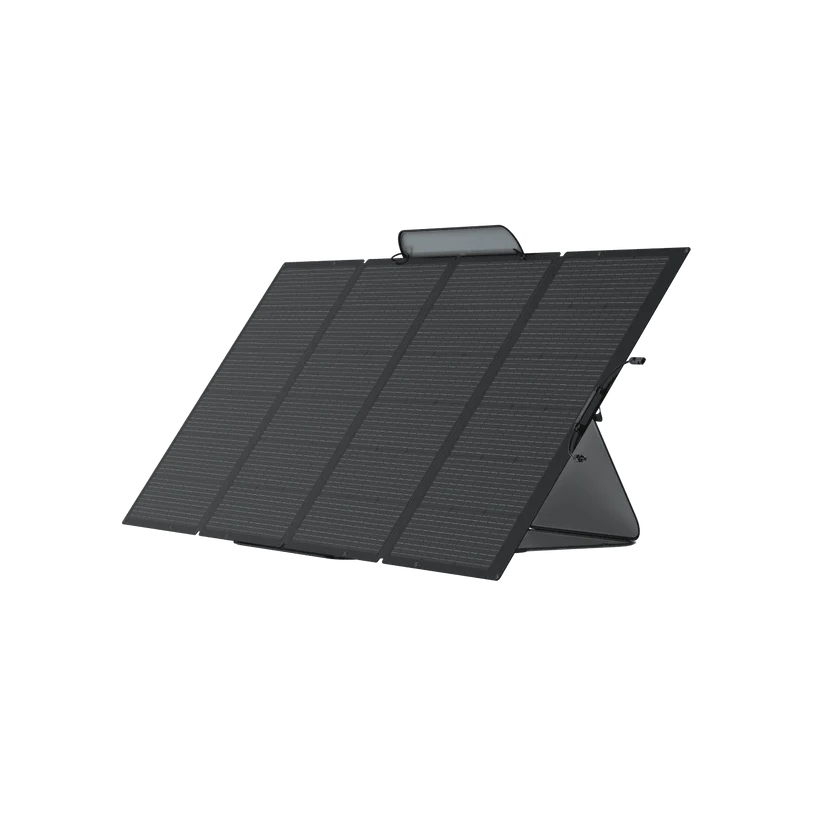
Solar electric panels
Solar water heaters
Wind turbines
Geothermal heat pumps
Fuel cells
Battery storage technology (beginning in 2023)
This means if you set up both solar panels and a whole-home backup power solution in 2025 and got it online before the deadline, you can claim both as a qualified expense.
Qualified expenses include not only the cost of purchasing the equipment, but also labor paid out for onsite preparation, assembly, or installation. It may also include supplies, like additional piping or wiring that you may need to connect it to your home.
Disallowed Expenses
However, traditional building components like roof trusses, traditional roof shingles, or other materials that primarily serve for structural or roofing purposes do not qualify because they generate no clean energy.
The IRS also stipulates that you cannot include any interest or loan fees you paid to purchase the system. Also, the property must be new; previously owned equipment is not eligible.
What About Subsidies, Rebates, and Incentives?
Subsidies, rebates, or other financial incentives typically must be subtracted from your qualified expenses because they’re considered a purchase-price adjustment. The basic idea is that qualified expenses are based on what you end up paying for your clean energy system when you purchase it. For instance, public utility subsidies are subtracted, as are rebates if they come with the purchase.
In general, rebates will be subtracted from qualified expenses if all of the following apply:
The rebate is based on the cost of the property.
It comes from someone connected to the sale, like a manufacturer, distributor, seller, or installer.
It isn't given as payment for services you provide.
However, some things are less clear. For instance, state energy efficiency incentives may not be deducted if they don’t qualify as a rebate, even if some of them are labeled as a rebate by the state. These situations are state-specific, however, and you may need to consult a tax professional for further guidance if you received state incentives.
Credit Limits
Other than fuel cell property, the credit has no dollar limit. If your credit is greater than your federal tax debt, you can carry amounts forward to future tax years.
However, fuel cells are limited to $500 for each half kilowatt of capacity. If there are multiple people in the home, the combined credit can't exceed $1,667 for each half kilowatt of capacity.
How to Claim the Credit
You can claim the federal tax credit by filing IRS Form 5695 with your federal tax return.
Download Form 5695 from the IRS website.
Fill in the qualified expenses (outlined above) in their appropriate categories (solar electric, small wind, geothermal, etc.) and complete the calculations as instructed.
Take the resulting number and enter it on Form 1040.
Upon filing, the IRS will deduct 30% of your qualified expense total from your federal tax debt for 2025.
Claiming the credit is relatively easy to do on your own. However, if you are uncertain about how to fill in Form 5695, state incentives you received, or what counts as a qualified expense, you may want to consult a tax professional to ensure you maximize your tax savings.
Secure Your 2025 Solar and Battery Savings
Claiming your 2025 solar tax credit during the 2026 tax season comes down to three essentials: eligibility, timing, and documentation. Your solar panels or battery storage must be new, qualified expenses, and placed in service on or before the December 31, 2025 deadline.
You can claim 30% of eligible purchase and installation costs using IRS Form 5695, subtracting applicable rebates. Then, the credit will be applied against your federal tax debt, carrying forward any unused portion. When in doubt, consult a tax professional to ensure you are maximizing your tax benefits correctly. And if you missed the deadline, you can still fight rising electricity costs by installing EcoFlow solar panels. Even without federal credits, the long-term savings and energy independence are worth it.
For press requests or interview opportunities, reach out to our media team
media.na@ecoflow.com