Groundwater Depletion: The Sinking of the Central Valley
- The Central Valley Is Sinking: Scale, Causes, and Economic Impact
- What Groundwater Depletion and Subsidence Mean for Infrastructure and Utilities
- Monitoring, Policy, and Efforts to Stabilize Groundwater Use
- Why Backup Power Is Part of Climate and Infrastructure Resilience
- Frequently Asked Questions
- Central Valley Subsidence Shows Why Home Resilience Is Becoming Essential
California's Central Valley is sinking at rapid rates because of groundwater overdraft, recently matching historic totals. This subsidence is bad news for local communities and regions beyond, as it threatens critical water infrastructure, flood control systems, and home utilities.
But why is this happening, how is it connected to climate change, and how can you improve your household's resilience?
The Central Valley Is Sinking: Scale, Causes, and Economic Impact
The sinking of the Central Valley isn't new, but the issue is more urgent than ever.
It's been slowly sinking since the 1920s due to excessive groundwater pumping, with an estimate of up to 28 feet lost in some locations over the past 100 years.
More recent data shows the problem is accelerating. They reached 2 feet per year in the worst-affected areas in 2015 and 2016. This area is known for droughts, which are the main trigger of increased groundwater pumping.
Climate change is intensifying these conditions, creating a hotter, drier Central Valley, driving up the need for water even further. The groundwater is removed faster than the aquifers can recharge, and the semi-arid climate isn't helping the problem.
To demonstrate the scale of this issue, the California Aqueduct capacity has decreased by 20% in the Avenal area, where the land has sunk 25 inches. Its reduction threatens water access in Southern California.
The economic impact is staggering. State and federal water agencies have already spent $100M on subsidence-related infrastructure repairs, and costs continue to mount.
What Groundwater Depletion and Subsidence Mean for Infrastructure and Utilities
Groundwater depletion and subsidence create cascading risks for homes, businesses, and essential services in the impacted areas.
How Groundwater Depletion Leads to Land Subsidence
Earth's aquifers store water in tiny spaces between underground soil and rock, functioning similarly to a sponge. When that water is pumped, it's removed from clay, sand, and gravel layers, causing them to compress and settle.
Unfortunately, most subsidence is irreversible, causing permanent compression that reduces the aquifer’s ability to store water.
As the sediments compact, the ground begins to sink unevenly, creating uneven ground movement. Structures built on top of this area will begin to experience stress fractures, putting their integrity at risk.
While groundwater depletion isn't a typical natural disaster like earthquakes (because it is a slow and continuous process with cumulative damage), the risks still must be taken seriously.
Impacts on Water Systems and Critical Infrastructure
Subsidence has already damaged the California Aqueduct and Delta-Mendota Canal, reducing flow significantly and threatening water deliveries. Gravity-fed water systems are particularly vulnerable because even slight elevation changes can disrupt water flow.
Levees and flood control structures will become compromised in subsiding areas. The flood risks in communities where the land shape is permanently changed will grow higher.
When bridges, roads, or pipelines require re-leveling and repairs, the costs to taxpayers can be substantial.
As infrastructure risks increase, many households are also exploring backup power options to maintain essential services during disruptions.
Why Utility Disruptions Are Becoming More Common
Power infrastructure faces dual pressure from aging equipment and climate-driven events.
The subsidence stresses the utility poles, underground cables, and transformer stations and can lead to outages. And when water delivery systems are damaged, water utilities must run their pumps longer or more frequently to compensate for reduced flow capacity.
Monitoring, Policy, and Efforts to Stabilize Groundwater Use
In 2014, California passed the Sustainable Groundwater Management Act (SGMA), its first comprehensive groundwater regulation. It monitors six sustainability indicators: groundwater levels, storage, subsidence, water quality, seawater intrusion, and surface water depletion.
The state has also formed local Groundwater Sustainability Agencies to manage high and medium-priority basins and create groundwater sustainability plans, targeting rebalance by 2042.
NASA and USGS use satellite technology (InSAR) to track subsidence down to the centimeter.
Managed aquifer recharge projects are strategically flooding fields to replenish groundwater.
The State Water Board has authority to intervene with fees and pumping restrictions if local plans fail.
Why Backup Power Is Part of Climate and Infrastructure Resilience
Backup power, like whole-home generator systems, can support essential circuits or key devices such as refrigeration, lighting, communication, and some climate control systems, depending on capacity. It can also preserve water access via well pumps or sump pumps to prevent flooding.
Portable power stations can also support a sustainable home energy strategy and reduce grid dependence.
They require no fuel storage or delivery logistics, can use solar to recharge from the sun, can be set up for quick switchover during outages, and operate safely and silently, unlike traditional fuel generators.
Where EcoFlow Fits Into Home Resilience Planning
EcoFlow offers a range of scalable home backup solutions designed to support different levels of energy needed during outages.
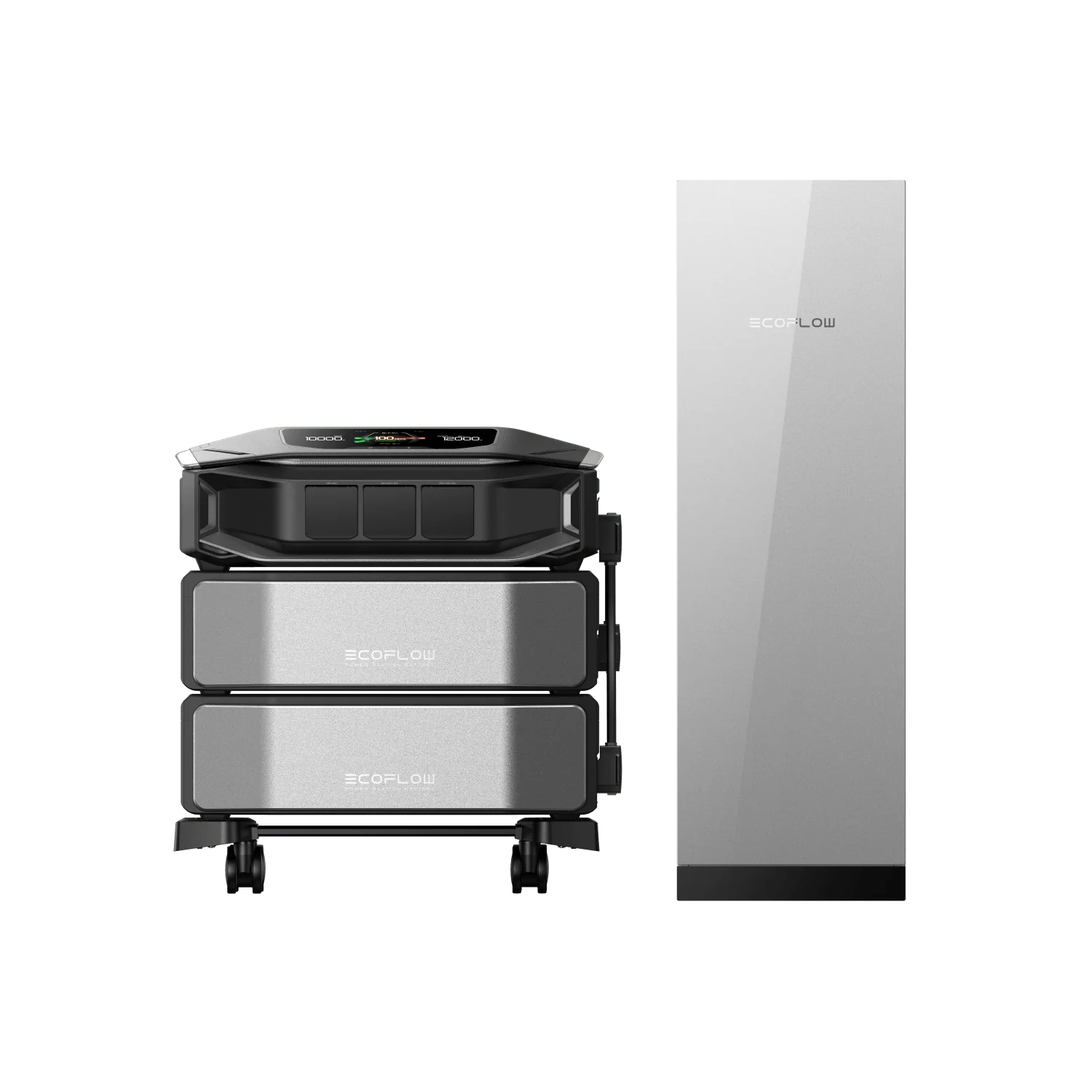
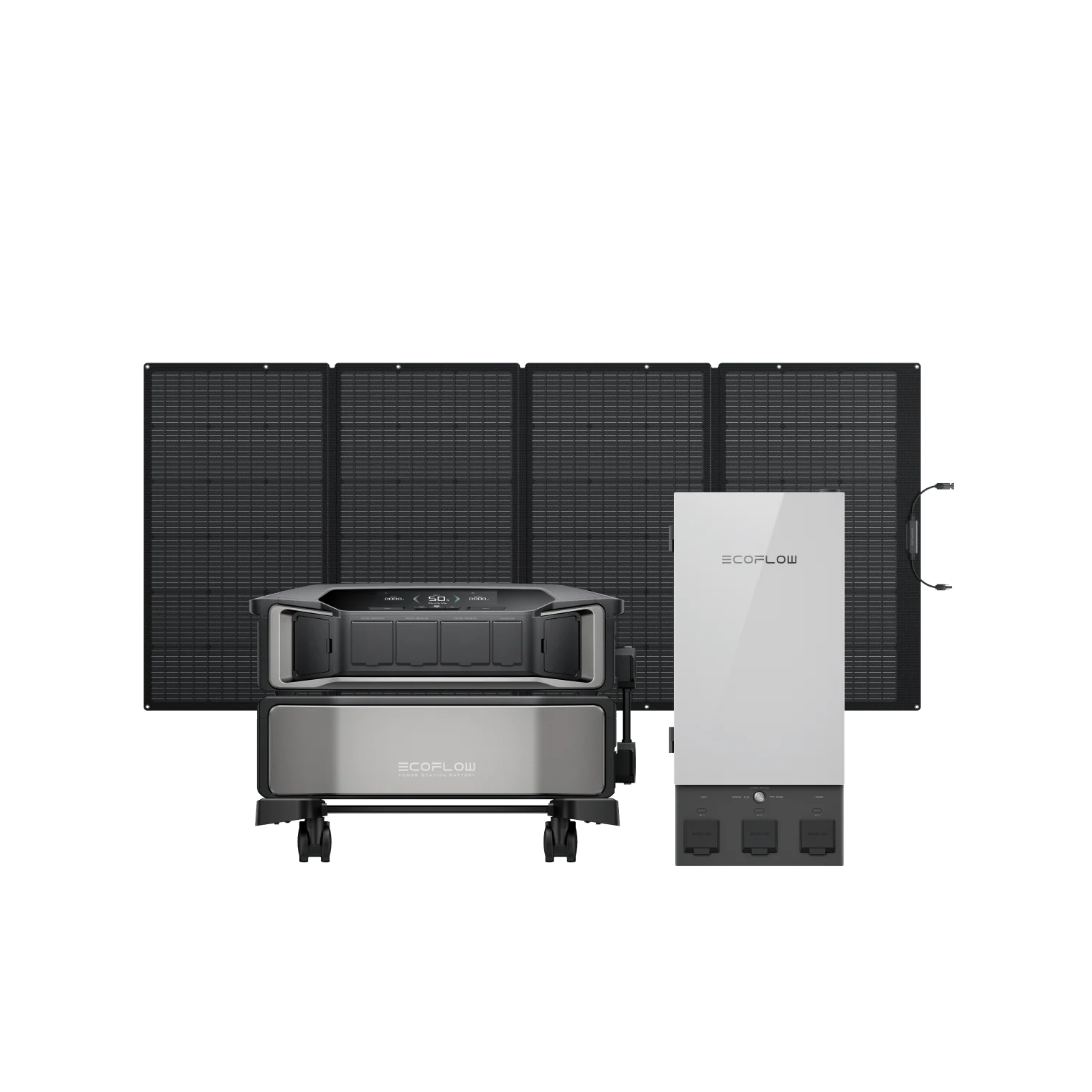
Systems like the EcoFlow DELTA Pro Ultra + Smart Home Panel 2 can support essential home circuits, helping households maintain power during infrastructure disruptions.
For smaller-scale needs, portable options like the EcoFlow DELTA 2 Max can help keep essential devices running during shorter outages. Their modular design allows you to start with essentials and expand with extra batteries as your needs grow, so you can power key devices without oversizing your system.
By integrating your system with solar, you can build a more resilient, self-supported energy setup despite increasingly unpredictable infrastructure.
Frequently Asked Questions
What Causes Land Subsidence in California's Central Valley?
Excessive groundwater pumping removes water from underground aquifers and creates land subsidence. This occurs when water is taken from clay and sediment layers, causing compaction that is mostly irreversible. California's drought periods accelerate subsidence when farmers pump more due to limited surface water.
Why is Backup Power Important in Areas Affected by Subsidence?
When subsidence leads to infrastructure damage, it increases the outage risk and repair times. Damaged water infrastructure also creates secondary vulnerabilities during power loss. If your regional systems are stressed, household-level preparation can still help maintain essential functions while repairs are underway.
Central Valley Subsidence Shows Why Home Resilience Is Becoming Essential
The sinking of the Central Valley demonstrates how environmental pressure can create new vulnerabilities in infrastructure. Despite strong policy responses like SGMA and GSAs, California's transition to sustainability will take decades.
At the household level, you can't control regional aquifers, but you can prepare for the disruptions their depletion may cause.
For households looking to improve resilience, systems like the EcoFlow DELTA Pro Ultra + Smart Home Panel 2 provide a more robust approach to maintaining power during extended outages.
For press requests or interview opportunities, reach out to our media team
media.na@ecoflow.com