Road to Rim: Best Driving Tips for Grand Canyon Summer Visits
- Knowing the Grand Canyon Before You Drive
- Why Summer Visits Require More Planning
- 1. Choose the Right Rim for Your Grand Canyon Trip
- 2. Know the Temperature Difference Between the South Rim and North Rim
- 3. Start With a Realistic Driving Plan
- 4. Arrive Early and Build Your Parking Strategy
- 5. Use the Shuttle System to Reduce Stress
- 6. Plan Scenic Stops and Sunset Viewpoints in Advance
- 7. Be Careful With Canyon Hikes in Summer Heat
- 8. Prepare for Limited Cell Service
- 9. Keep Portable Power Fully Charged Before Departure
- 10. Pack for Comfort, Safety, and Power Needs
- Common Driving Mistakes to Avoid
- A Smart Summer Visit Strategy for First-Time Travelers
- Power Your Grand Canyon Travel
- FAQs
The Grand Canyon stands as a top destination for travelers across the United States. During the summer months, thousands of people pack their cars to see this massive natural wonder. However, a successful trip requires more than just showing up at a viewpoint. To enjoy the park, you must grasp its massive scale, shifting weather, and busy transportation system. For a stress-free trip, this page gives you a useful look at the park's basics, including how to drive, park, and ensure your safety.
Knowing the Grand Canyon Before You Drive
The park is split into two main areas that are very far apart. You should know this before you start your engine. Planning your route starts with picking the right side.
The Grand Canyon is a vast landscape that cannot be fully seen in a single day. The South Rim and the North Rim are the two primary areas for visitors, and they offer very different experiences. The South Rim is open all year and has most of the famous views and hotels. The North Rim is much higher in elevation, stays cooler, and is only open from mid-May through mid-October. Even though they look close on a map, driving from one rim to the other takes about four or five hours because you have to drive all the way around the canyon. Many people arrive without realizing how much time they need to move between different points.
Why Summer Visits Require More Planning
Summer is the busiest time of year, which means the park faces a lot of pressure from crowds and high heat. Preparation helps you avoid the worst of the stress.
If you visit in June, July, or August, expect long lines at the entrance stations and crowded overlooks.
The sun is incredibly strong at high altitudes, making the air feel much hotter than the thermometer suggests.
Even if the rim feels breezy, the heat can become dangerous quickly if you spend too much time walking without water.
Parking lots often fill up by mid-morning, leaving late arrivals circling for spots.
Success in the summer depends on your timing and patience.You should think of this more like a trip with a set plan than a fun drive in the afternoon.
1. Choose the Right Rim for Your Grand Canyon Trip
Picking between the North and South Rim changes everything about your driving route and what you need to pack in your vehicle.
The Popular South Rim
The South Rim is the most common choice for people on their first Grand Canyon trip. It is closer to major highways and has the most visitor services, including plenty of gas stations, restaurants, and hotels. Most of the photos you see online come from this side. Because it is so accessible, it also gets the most traffic.
The Quiet North Rim
The North Rim is a great alternative if you want to avoid big crowds and see more trees. It sits roughly 1,000 feet higher than the South Rim, which makes summer temperatures noticeably cooler. However, it has fewer facilities and can require a significantly longer drive for travelers coming from cities like Phoenix or Las Vegas. Choosing this rim means you must be more self-sufficient with your food and fuel.
2. Know the Temperature Difference Between the South Rim and North Rim
The geography of the park creates big swings in weather that can surprise you. At the South Rim, summer days are usually hot and dry, but temperatures can drop quickly after sunset because of the canyon's elevation and dry climate. According to the National Park Service (NPS), temperature changes inside the canyon are significant, with lower elevations often becoming much hotter than the rim during summer months.
The North Rim is significantly cooler due to its higher elevation, often requiring a jacket even in July. You should pack layers of clothing so you can adjust as the sun moves. Sun protection like hats and high-SPF sunscreen is a must, as the thin mountain air doesn't block UV rays very well. If you aren't prepared for these shifts, you might find yourself too hot at noon and shivering by sunset.
3. Start With a Realistic Driving Plan
A good plan focuses on quality over quantity. Trying to see the entire park in a few hours is a recipe for frustration.
When you map out your Grand Canyon travel, stick to one rim. Driving times between viewpoints are often longer than they look because of slow-moving traffic and pedestrians. You also need to account for the time it takes to find a parking spot and walk to the edge. A realistic schedule allows for delays at the entrance gate and plenty of breaks to drink water. Don't rush; the best part of a road trip is having the time to stop at a random overlook and just look at the view for twenty minutes without checking your watch.
4. Arrive Early and Build Your Parking Strategy
Treat parking as a major part of your itinerary. If you arrive after 10:00 AM, you will likely struggle to find a spot near the Visitor Center or Mather Point. The best strategy is to arrive at the park gates by 8:00 AM or earlier. Once you find a legal parking spot, try to leave your car there for the rest of the day. Moving your vehicle from one viewpoint to another during peak hours is a waste of time. "Park once" is the golden rule for keeping your stress levels low during the busy season.
5. Use the Shuttle System to Reduce Stress
The park offers a free bus service that helps you get around without having to drive your own car to every single stop.
The South Rim shuttle bus system is a lifesaver during the summer. These buses run on several different routes and take you to places where private cars are often restricted. By using the shuttle, you can reach popular spots like Hermit Rest or the Kaibab Trailhead without worrying about full parking lots. It is a smart way to complement your driving. You get the freedom of your own car to enter and leave the park, but the ease of a bus to move between the crowded scenic overlooks.
6. Plan Scenic Stops and Sunset Viewpoints in Advance
Watching the sun go down over the canyon is a highlight for many, but these spots get very busy as evening approaches.
Selecting Priority Overlooks
There are dozens of places to stop, but you don't need to see them all. Pick three or four main spots so you don't spend the whole day getting in and out of your car. This allows you to actually enjoy the scenery instead of just checking items off a list.
Sunset Strategy
For sunset, you need to be in place at least an hour before the sun actually disappears. Parking lots at famous sunset spots like Hopi Point fill up very early. Bring a light jacket and a flashlight, as the temperature drops quickly and the walk back to your car or the shuttle stop will be dark.
7. Be Careful With Canyon Hikes in Summer Heat
Driving to a viewpoint is easy, but walking down into the canyon is a much more difficult and dangerous task in the summer.
Many visitors think they can just hike down for a little bit after they finish their drive. However, temperatures near the bottom of the Grand Canyon are commonly 20–30°F hotter than conditions at the rim due to the canyon's dramatic elevation change. The National Park Service notes that summer temperatures in the inner canyon frequently exceed 100°F, especially near Phantom Ranch. This makes hiking very risky. If you plan to hike below the rim, the NPS recommends starting before sunrise and avoiding strenuous hiking between 10 AM and 4 PM, when heat exposure becomes most dangerous. Never treat a hike as a casual add-on to your driving day; it requires its own set of safety gear and a lot of extra water.
8. Prepare for Limited Cell Service
Cell reception is very weak or nonexistent once you move away from the main visitor villages. This means your GPS might stop working and you won't be able to look up trail info or restaurant hours on the fly. Before you enter the park, download offline maps of the area to your phone. Print out or screenshot your lodging confirmations and any directions you need. If you lose your signal, you don't want to be stuck at a fork in the road without knowing which way leads to your hotel or the next gas station.
9. Keep Portable Power Fully Charged Before Departure
Since your phone works harder to find a signal in remote areas, your battery will drain much faster than usual.
Why Power Matters
Between taking hundreds of photos and using GPS, your devices will run out of juice quickly. A dead phone is more than an inconvenience; it means you lose your navigation and your way to call for help in an emergency.
Backup Power Solutions
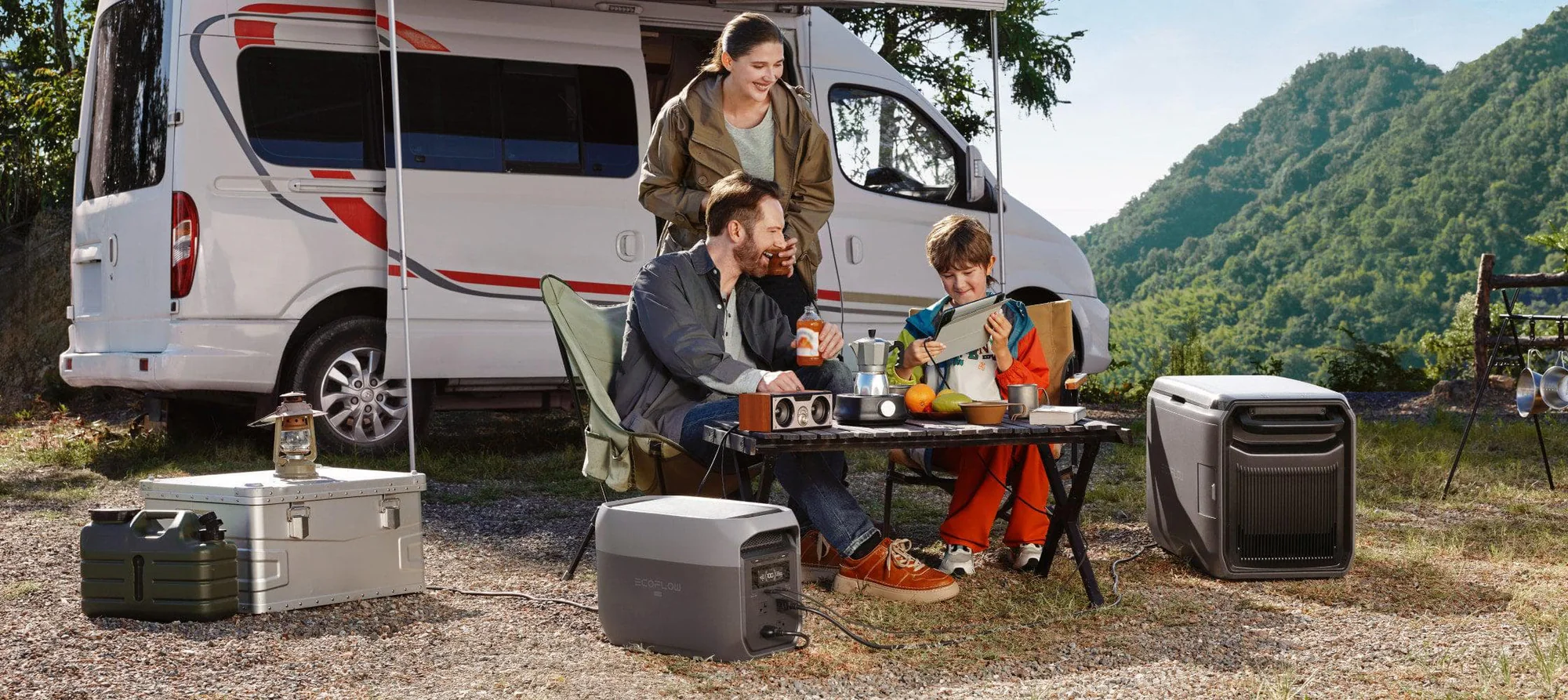
Always start your day with a 100% charge on all devices. Carry a portable power bank or a small power station in your car. This ensures you can recharge your camera or phone while you drive between areas or while you are sitting at a picnic spot. Having a reliable power source keeps you connected and ready to capture the memories of your trip.
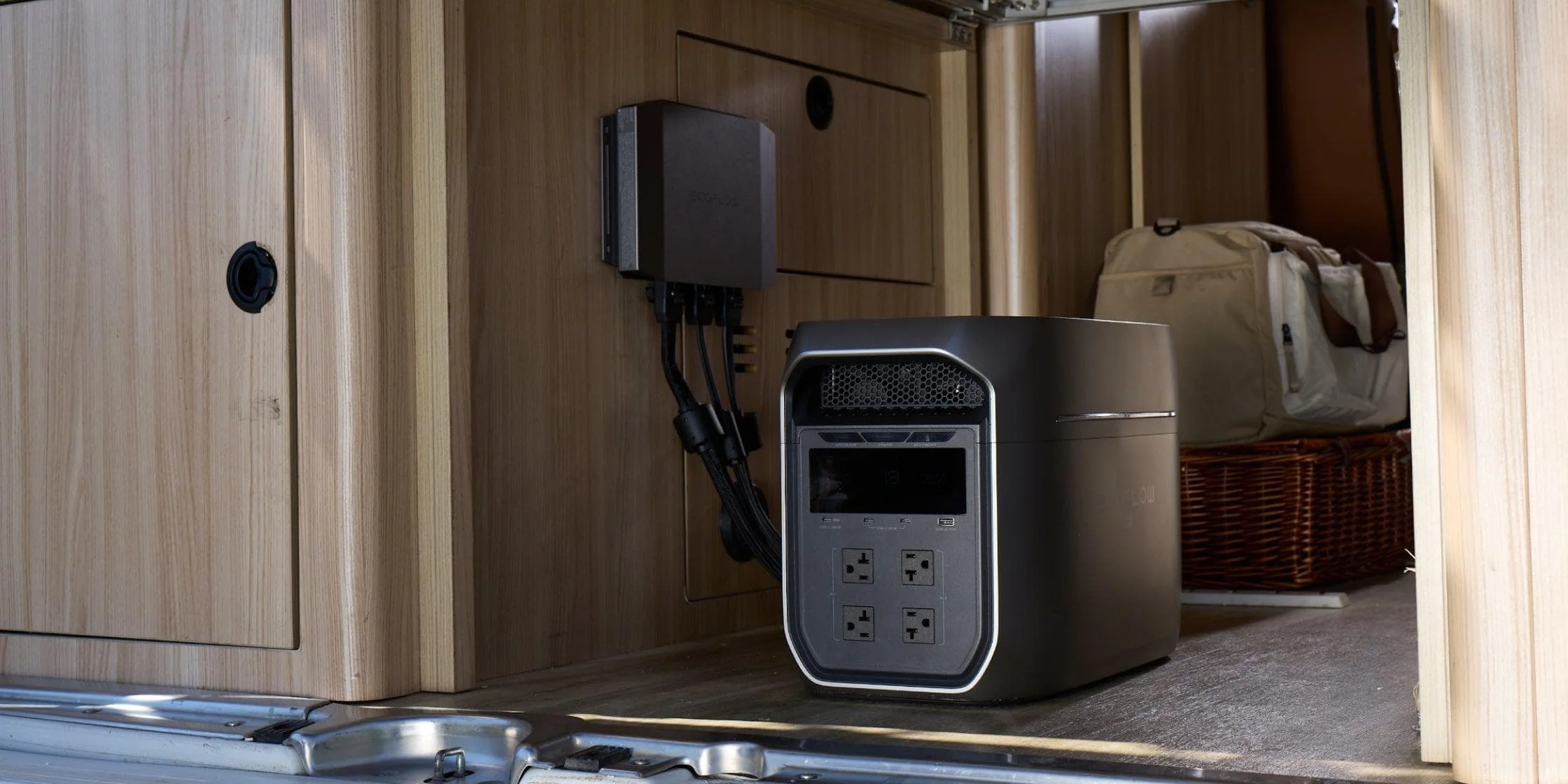
For longer road trips or remote camping near the Grand Canyon, portable systems like EcoFlow DELTA 3 Max Series Portable Power Station with a 400W solar panel can keep phones, cameras, and small appliances powered throughout the day while remaining relatively lightweight for vehicle travel.
10. Pack for Comfort, Safety, and Power Needs
A well-packed car makes the long hours of driving and sightseeing much more enjoyable for everyone in your group.
Your summer road trip checklist should include plenty of water—more than you think you need.
Pack snacks that won't melt in a hot car, like nuts or dried fruit.
For safety, include a first-aid kit and a physical map of the park.
On the technical side, bring extra charging cables and car adapters so multiple people can charge their devices at once.
Comfortable walking shoes are a must, even if you plan on doing mostly driving, because the walk from the parking lot to the canyon edge can still be a significant distance.
Common Driving Mistakes to Avoid
Avoiding these simple errors can make the difference between a great vacation and a day spent stuck in traffic.
Arriving too late: Showing up at noon is the fastest way to get stuck in a long entrance line and find no parking.
Misjudging the size: Don't assume you can see both rims in one weekend. Focus on one area to save your sanity.
Ignoring the heat: Many people forget that the inner canyon is a desert. Don't hike down without serious prep.
Relying on signal: Never trust that you will have 5G bars when you need to find your way back to camp.
Skipping the shuttle: Trying to drive to every single point will just lead to frustration when the lots are full.
A Smart Summer Visit Strategy for First-Time Travelers
If this is your first time seeing where is the Grand Canyon, keep your plan simple and focused on the basics.
Pick the South Rim for your first visit to ensure you have access to plenty of food, water, and help if you need it.
Get to the park before the sun gets too high, find a good parking spot, and use the shuttle buses to see the sights.
Choose three or four major viewpoints to visit and spend your evening watching the sunset.
By keeping your phone charged and having your maps downloaded, you can navigate the park with confidence.
This balanced approach lets you see the best views without feeling rushed or overwhelmed by the crowds.
Power Your Grand Canyon Travel
A great trip needs a solid plan and a full battery. Beat the crowds by starting early and parking your car just once. Stay safe in the summer sun and keep your gear ready for every photo. The EcoFlow DELTA 3 Max and the 400W solar panel combination provides the steady power you need for long days in the park. With the right prep and reliable energy, you can focus on the amazing views instead of worrying about your phone.
FAQs
Q1: Which rim is better for a first-time summer visit to the Grand Canyon?
The South Rim is usually the best choice. It has more places to eat, more hotels, and the classic views most people expect. It is also easier to reach from major cities like Phoenix or Las Vegas.
Q2: Do I need to use the shuttle system if I am driving?
Yes, it is highly recommended. Parking at popular overlooks is very limited. It is much easier to park your car in one of the big lots and let the shuttle driver take you to the scenic spots.
Q3: Is it safe to hike below the rim after driving to a viewpoint?
It can be dangerous in the summer. According to the National Park Service, inner canyon temperatures frequently exceed 100°F, and the temperature difference between the rim and the canyon floor can reach 20–30°F during hot weather.
Q4: Should I bring portable power to the Grand Canyon?
Yes. Your phone battery may drain faster than usual because of weak signal searching, GPS use, photography, and high summer temperatures. Having a portable charger ensures you have power for photos, maps, and emergencies.
Safety Disclaimer &Emergency Information
This article is intended for general travel and safety information only and does not replace professional medical advice, emergency rescue guidance, or official National Park Service instructions. Weather, wildfire conditions, trail access, and heat risks can change rapidly at Grand Canyon National Park. In any emergency situation, call 911 immediately or contact Grand Canyon National Park Emergency Services.
Visitors should always follow official park alerts, ranger instructions, and posted trail warnings before hiking or driving inside the park. The National Park Service warns that summer heat in the inner canyon can become life-threatening, especially during midday hours.
Grand Canyon Emergency Contacts:
National Park Service General Information:
Grand Canyon Emergency Services (24-hour emergency response):
Grand Canyon Clinic (South Rim urgent care):
Emergency Information Page:
Grand Canyon Emergency Information
Grand Canyon Hiking & Heat Safety Guide:
Grand Canyon Hike Smart Safety Guide
Grand Canyon Weather & Heat Conditions:
Grand Canyon Weather and Climate Information
In remote parts of the park, cell service may be limited or unavailable. Download offline maps before arrival and consider carrying backup power and emergency communication devices during long hikes or road trips.
For press requests or interview opportunities, reach out to our media team
media.na@ecoflow.com