How to Store a Generator Safely Between Uses: Garage Storage vs Outdoor Covers
- Generator Storage Garage vs Outdoor Cover
- Generator Storage Box vs Cover: What Protection Do You Need?
- How to Prepare a Gas Generator for Long-Term Storage
- How Different Generator Types Affect Storage Requirements
- Common Generator Storage Mistakes to Avoid
- A Simpler Backup Power Option With Less Storage Maintenance
- Generator Storage Checklist Before the Next Outage
- Conclusion
- FAQ
Most generators earn their keep during a handful of days a year, then sit untouched for months. That gap is where good backup power quietly turns into a bad surprise, since stale fuel, rust, and skipped maintenance are the real reasons a generator won't start when the lights go out.
Getting generator storage garage vs outdoor cover decisions right heads off most of that risk. Or skip storage prep entirely with the EcoFlow DELTA Pro 3, a battery-based option with no fuel or engine to maintain between outages.
Generator Storage Garage vs Outdoor Cover
The right call on generator storage garage vs outdoor cover really depends on what kind of generator you own, what fuel it runs on, how much space you have, and what your local weather does to equipment left outside. These two options cover most of what homeowners actually choose between, and each one solves a different problem.
Storing a Generator in a Garage
A garage makes sense when you want the generator out of the weather entirely and don't mind giving up a bit of floor space for it.
Benefits of Garage Storage
A garage keeps rain, snow, direct sun, and swinging temperatures away from the unit almost completely. That means less moisture exposure overall, and it's a lot easier to walk over and check the oil or the fuel level when the generator is a few steps from the door instead of buried under a tarp outside.
Safety Considerations for Garage Storage
A garage is a storage spot, not an operating spot, and that distinction matters more than people expect. The Consumer Product Safety Commission is direct about this: never run a gasoline generator in a garage, even with the doors wide open. Opening a door doesn't move enough air to clear the carbon monoxide a generator produces, and CPSC data shows nearly 100 people die from generator-related CO poisoning in the US every year. Their guidance calls for running one outdoors, at least 20 feet from the house, every time. Fuel should also be stored according to local regulations rather than left sitting in the garage indefinitely.
Storing a Generator Outdoors With a Cover
Plenty of homeowners choose outdoor storage simply because it keeps the generator ready to grab and go, without eating into garage space that's already spoken for.
Benefits of Outdoor Generator Covers
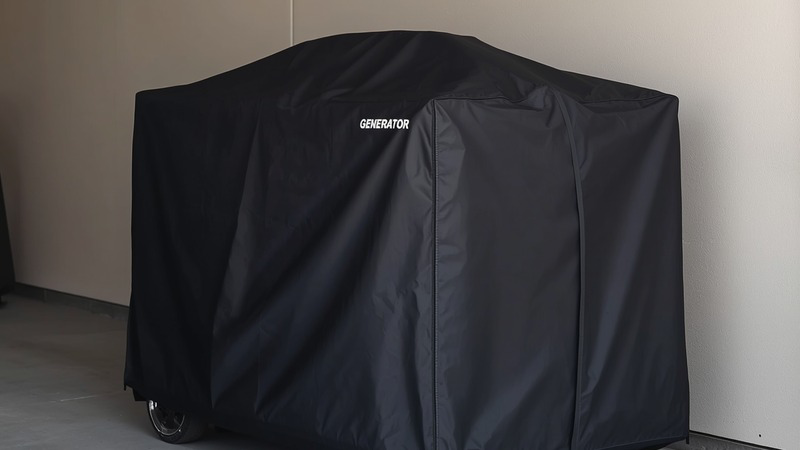
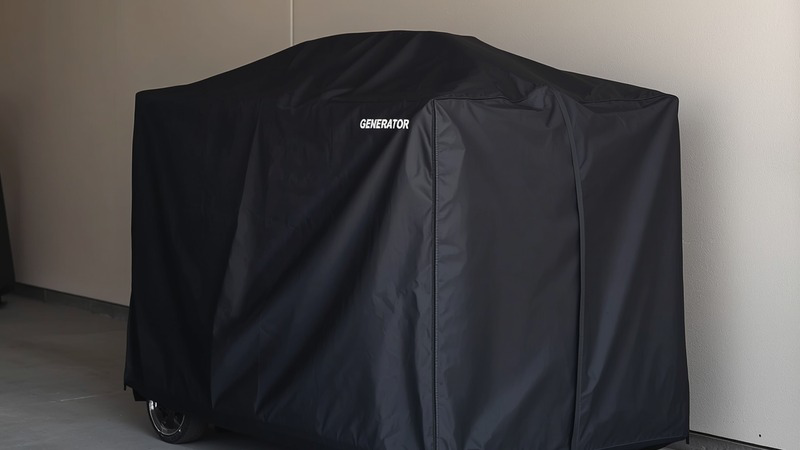
A cover keeps the unit accessible for emergency use while freeing up the garage for everything else. It also handles the basics well: rain runs off, dust stays out, and UV exposure that would otherwise fade and crack plastic housings gets blocked.
Limitations of Outdoor Covers
A cover alone won't hold up against a heavy storm, standing water, or the kind of humidity that creeps in no matter how tight the fit is. Pests can still find their way in too. Placement ends up mattering as much as the cover itself: use a dry, elevated spot, keep it out of direct exposure to wind-driven rain, and don't block airflow underneath, or trapped moisture becomes its own problem.
Generator Storage Box vs Cover: What Protection Do You Need?
A cover and a storage box solve different levels of the same problem. One's a layer of fabric, the other is a small enclosure, and picking between them comes down to how long the generator sits and how rough the weather gets.
When a Generator Cover Is Enough
A cover is the right call for short-term storage, mild climates, and anyone who uses their generator often enough to be checking on it regularly anyway. It's basic weather protection, it's easy to pull off in a hurry, and it costs a lot less than a full enclosure.
When a Generator Storage Box Is Better
A storage box for portable generator use makes more sense for long-term outdoor storage, harsher climates, or homeowners who simply don't have garage space to spare. A box adds real protection from moisture, debris, and animals that a cover alone can't fully stop, especially through a rough winter. One thing worth remembering: a storage box still needs proper ventilation, and a generator should never run while it's sealed inside one.
How to Prepare a Gas Generator for Long-Term Storage
Getting gas generator storage right takes a bit of prep work before the unit goes away for the season, but none of it takes long.
Manage Fuel Before Storage
Fuel causes more generator problems after a long stretch of inactivity than almost anything else. Untreated gasoline starts breaking down within a month or two, and by six months it can gum up a carburetor badly enough to need a full cleaning. Ethanol-blended gas, which is what most pump stations sell by default, degrades even faster, often within eight to ten weeks, since it absorbs moisture and separates more readily than ethanol-free fuel.
Three options work here: drain the gasoline completely before storage, add a fuel stabilizer that keeps gas usable for roughly a year and sometimes longer under ideal conditions, or run the generator periodically to cycle fresh fuel through the system. If you do add a stabilizer, run the engine for a few minutes afterward so the treated fuel actually reaches the carburetor instead of sitting untouched in the tank.
Change Oil and Check Maintenance Items
Check the oil level and change it if it's due, then take a quick look at the air filter, spark plug, fuel lines, and battery if the unit has one. Electric-start batteries slowly self-discharge even when the generator sits idle, so a small trickle charger during storage keeps it from showing up dead the one time you need a quick start. None of this takes more than a few minutes, but skipping it is exactly how a generator fails to start on the one day you actually need it. Regular maintenance is what makes startup reliable when an outage hits.
Clean and Protect the Generator
Wipe off dirt and debris, make sure the unit is completely dry before it goes into storage, and give any exposed metal a light protective coating to keep corrosion from creeping in. For extended storage, pulling the spark plug and adding a small amount of oil into the cylinder helps prevent internal rust on the piston and cylinder walls, a trick many small-engine owners swear by. Keep the cables and accessories together in one place too, so nothing goes missing between now and the next time you need it.
How Different Generator Types Affect Storage Requirements
Gasoline Generators
Gasoline units are the ones most exposed to fuel degradation, so fuel management matters more here than with any other type. Clogged carburetors and hard starts are the most common complaints after a season of poor storage. Many popular portable generator owners, including firman generator storage routines, follow these same basic gasoline storage principles, since the fuel itself behaves the same no matter whose name is on the unit.
Dual Fuel Generators
Dual fuel models add propane into the mix, and propane stores very differently than gasoline. It doesn't degrade in the tank the way gas does, which makes it a genuinely better option for fuel that might sit for a long stretch between outages. Propane tanks also need their own separate storage considerations, kept upright, outdoors, and away from direct heat. For a closer look at how these systems perform, this guide on dual fuel generators for RVs covers the setup in more depth, and this breakdown of how long a dual fuel generator can run on propane is worth a look before deciding which fuel to lean on.
Portable vs Larger Backup Generators
Smaller portable generators are easier to move and easier to tuck away indoors when space allows. Larger backup units ask for more dedicated space and hold up better against real weather, which usually means they're the ones living outdoors under a cover or in a storage box rather than getting shuffled in and out of a garage.
Common Generator Storage Mistakes to Avoid
A few habits show up again and again in generators that fail right when they're needed most.
1. Storing a Generator With Old Fuel
Old gasoline left sitting in the tank causes clogged carburetors, hard starts, and engine issues that often don't show up until the worst possible moment. This applies just as much to firman generator storage setups as any other gasoline model, since the fuel is the real variable, not the brand.
2. Covering a Generator Before It Is Completely Dry
Trapped moisture under a cover speeds up corrosion instead of preventing it, so a generator needs to be fully dry before anything goes over it.
3. Blocking Ventilation Around Storage Areas
Whatever storage solution you pick, it needs to protect the generator without creating unsafe conditions around it, which means airflow still matters even when the unit isn't running. It's also worth remembering that generator exhaust can reach up to 1,300°F during operation, so storage spots near dry leaves, a wood deck, or spilled fuel carry a real fire risk on top of the ventilation concern.
4. Forgetting to Test the Generator Before Emergency Use
Run periodic checks, confirm the unit actually starts up the way it should, and inspect the accessories that go with it. A generator that hasn't been tested in months is a gamble the day you actually need it.
A Simpler Backup Power Option With Less Storage Maintenance
Traditional gas generators ask for ongoing prep: fuel management, oil changes, cleaning, testing. For homeowners who'd rather skip all of that, portable power stations offer a different way to handle backup power entirely, and it's worth browsing the full range of solar generators for home to see how the category compares to a traditional gas unit.
Stronger Backup Capacity with the EcoFlow DELTA Pro 3 Portable Power Station
For homeowners dealing with frequent outages, or anyone ready to retire a gas generator altogether, the EcoFlow DELTA Pro 3 works as a high-capacity home backup solution in its own right. There's no gasoline to store and no engine to maintain between uses, which makes it noticeably easier to keep indoors year-round compared to a fuel-powered unit sitting in the garage. With enough capacity to support essential appliances through an extended outage, it ends up feeling less like a seasonal tool and more like a standing part of the household setup.
Simple Backup Power with the EcoFlow DELTA 3 Plus Portable Power Station
For smaller homes or anyone who only deals with the occasional outage, the EcoFlow DELTA 3 Plus covers the basics without asking for a dedicated storage plan of its own. It stores more compactly than a traditional generator, needs no fuel prep before an outage hits, and stays ready to go the moment the power drops, which makes it a solid fit for everyday backup rather than a rare, emergency-only setup gathering dust in the garage.
Generator Storage Checklist Before the Next Outage
A quick run-through before the next storm season saves a lot of headaches later:
Choose a dry storage location
Protect against moisture and dust.
Drain or stabilize fuel
Check oil and maintenance items
Keep accessories organized
Test the generator periodically
Follow manufacturer storage recommendations
Conclusion
Choosing between generator storage garage vs outdoor cover really comes down to the space you have, your local climate, and how often you actually use the thing. A garage offers the most complete protection but never doubles as an operating space. A cover works well for short stretches and frequent use, while a storage box takes over when the generator sits outside for months at a time facing real weather.
Whichever storage box for portable generator method fits your setup, proper preparation is what keeps a generator reliable when an outage actually hits. And if the whole idea of fuel stabilizer, oil changes, and seasonal maintenance sounds like more upkeep than you want to sign up for, the EcoFlow DELTA Pro 3 is ready the moment you need it, with nothing to store, drain, or maintain in between.
FAQ
Can I store a generator in my garage?
Yes, a garage can be used for generator storage, but never operate a gasoline generator inside a garage because of carbon monoxide risks. CPSC guidance calls for running it outdoors, at least 20 feet from the house, even with the garage doors open.
Is an outdoor generator cover enough?
A cover provides basic protection against rain, dust, and UV exposure, but long-term outdoor storage in harsher climates may call for a dedicated storage box for added protection against moisture, debris, and pests.
What is the best way to store a gas generator?
Solid gas generator storage comes down to a few basics: drain or stabilize the fuel, change the oil if it's due, clean the unit thoroughly, and keep it in a dry spot with good airflow.
Should I use a storage box for my portable generator?
A storage box for portable generator use offers stronger weather protection than a cover alone, especially for units kept outdoors year-round, but it still needs proper ventilation and safe access at all times.
How often should I run a stored generator?
Periodic testing, roughly once a month, helps confirm the generator starts properly and lets you catch small maintenance issues before they turn into a no-start situation during an actual emergency.
For press requests or interview opportunities, reach out to our media team
media.na@ecoflow.com