Federal Solar Tax Credit 2026: Can You Still Claim 30% If You Install This Year?
- Federal Solar Tax Credit Rules in 2026: What Changed and What Still Qualifies?
- How to Know If Your 2026 Solar or Battery Project Can Still Get 30%
- If 30% Isn’t Available in 2026: Incentives and Savings That Can Still Lower Your Cost
- How to Claim the Credit Correctly and Avoid Common Filing Mistakes
- Solar Plus Storage in 2026: How a Home Battery Can Increase Value Beyond Tax Credits
- Frequently Asked Questions
- Plan Your Install Timeline and Incentives Now to Lock in the Best Outcome
With the passage of the One Big Beautiful Bill, the federal landscape for home solar incentives has shifted dramatically. While homeowners can no longer claim the 30% tax credit for equipment installed in 2026, rising energy rates and unreliable grids are still making energy independence more important than ever. By leveraging state-level perks and smart battery storage, you can still build an incredibly cost-effective home power plan.
Federal Solar Tax Credit Rules in 2026: What Changed and What Still Qualifies?
The One Big Beautiful Bill ended all residential clean energy tax credits, at least at the federal level for homeowners.
Only commercial solar lease users and power purchase agreements (PPAs) are available for commercial users at the federal level.
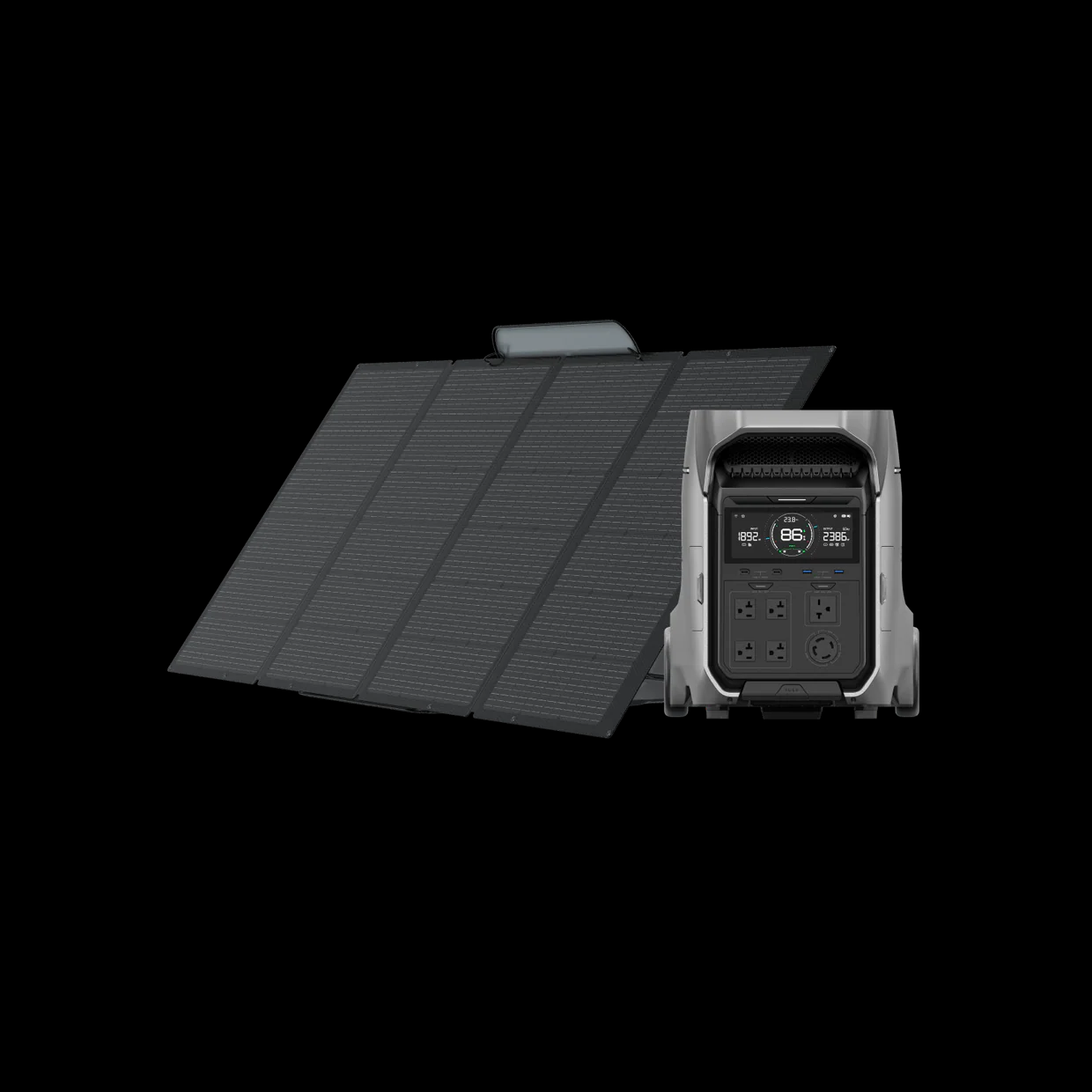
Even so, the case for home solar remains strong. Rising electricity rates and growing demand for energy independence mean a system like the EcoFlow DELTA Pro 3 Solar Generator can still deliver real long-term savings, especially if you also qualify for state or utility incentives.
How to Know If Your 2026 Solar or Battery Project Can Still Get 30%
If your residential solar system was purchased and placed in service by December 31, 2025, you’re eligible for your 30% tax credit. The key here is that it must be completely installed and online, generating power, by that deadline.
Systems purchased or installed in 2026 are not eligible.
If 30% Isn’t Available in 2026: Incentives and Savings That Can Still Lower Your Cost
There are still plenty of state, municipal, and utility-level incentives, discounts, and rebates being offered. Some states offer rebates or property and sales tax exemptions, while utilities often offer rebates. You can often also qualify for low- or no-interest financing options. Since these vary enormously with your location, you’ll need to research your state, municipality, and utility to see what each offers. In most cases, you can stack multiple benefits.
Then, many states and utilities offer excellent 1:1 net metering rates where you can sell excess energy you generate back to the grid at the same rate you pay. Others offer less lucrative net billing where you don’t get the full retail rate, but you still get credits on your bill.
Another way to save on solar, especially without export options, is with a whole home generator to store the excess energy you produce so you can use it at night instead of paying for grid power.
How to Claim the Credit Correctly and Avoid Common Filing Mistakes
When you file your solar tax credit claim, you’ll need to fill out IRS Form 5695. And remember, you must claim the credit for the tax year when the property was placed in service (became functional) by December 31, 2025, or it will be disallowed.
Then, the IRS will then credit 30% of the system’s cost against your federal tax debt. If you owe less than the credit, it can be carried over into future years.
Be sure to keep all receipts in case the IRS asks for them.
Solar Plus Storage in 2026: How a Home Battery Can Increase Value Beyond Tax Credits
Even without tax credits, when you pair a solar array with a whole home backup power solution, the savings can be significant. You can use free solar at night and during peak electricity rates instead of grid power.
It also keeps your home running when the grid fails from storm damage or high demand during heat waves or cold snaps. When the grid goes dark, you can still keep your fridge, freezer, internet, medical equipment, air conditioners, and other essentials running. And with solar panels, you can recharge daily and keep your essentials running through extended blackouts.
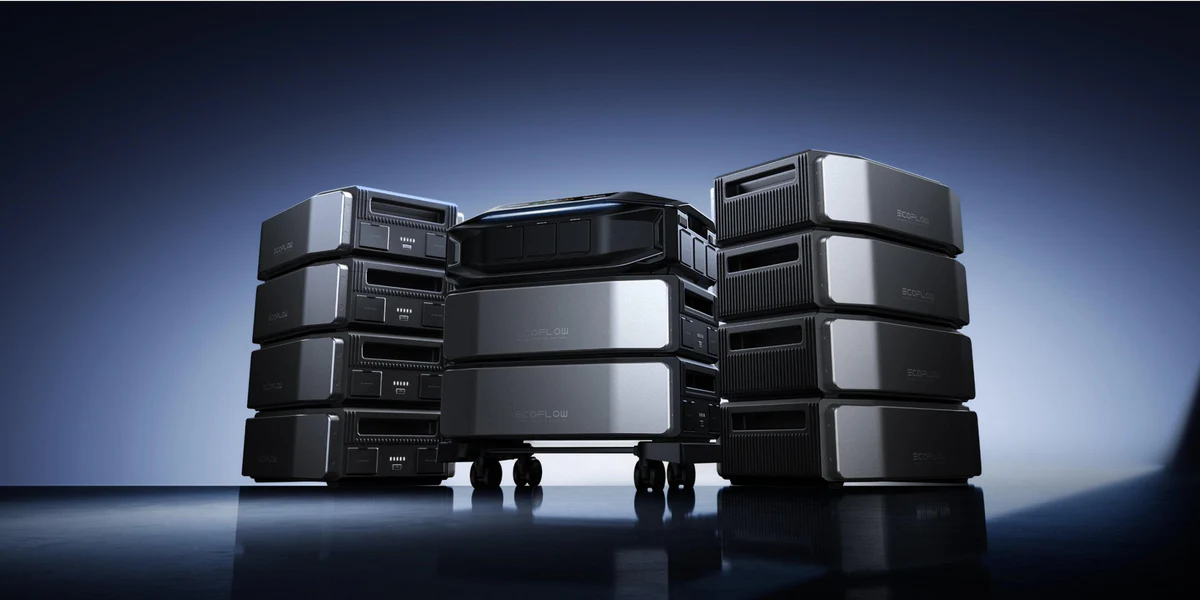
This is why installing a home power station like the EcoFlow DELTA Pro Ultra X is still worth it for the energy savings, energy independence, and peace of mind it offers.
Frequently Asked Questions
Can I Still Claim 30% if My System is Installed in 2026?
No. To qualify for the 30% federal tax credit, your system must have been placed in service (connected and fully functioning) on or before December 31, 2025.
What Does “Placed in Service” Mean for the Solar Tax Credit?
For the solar tax credit, “placed in service” means the date it came online, not the date you purchased the equipment, or even the date you installed it. To qualify for the federal tax credit, your equipment must have been functional on or before December 31, 2025.
Does Battery Storage Qualify On Its Own, or Only with Solar?
Yes, battery storage can qualify on its own for clean energy tax credits, even without solar. Just be sure to check the requirements of the incentives you’re considering. The federal tax credit requires a capacity of at least 3kWh, and it must have been online by the deadline.
What Records Should I Keep in Case the IRS Asks for Proof?
For all tax credits, including solar incentives, always keep all original receipts from your equipment and installation expenses, as these are what the IRS may ask for.
Plan Your Install Timeline and Incentives Now to Lock in the Best Outcome
While the residential clean energy credit has ended, the sun hasn’t set on the financial viability of home solar. The playbook has simply changed. Even though you may no longer qualify for the 30% federal tax credit, investing in a robust, independent power setup remains the best defense against soaring energy costs and an unstable grid.
By focusing on local utility rebates, state tax exemptions, and consuming all the energy you generate, you can reduce your dependence on grid power, utility pricing, and federal energy policy. Explore scalable options like the EcoFlow DELTA Pro 3 Solar Generator and start generating and storing your own energy.
For press requests or interview opportunities, reach out to our media team
media.na@ecoflow.com