The “One Big Beautiful Bill” (OBBBA): Solar Homeowners Guide 2026
The “One Big Beautiful Bill” Act marks a major shift in federal tax and spending policies. It has affected a wide array of industries, with particular legislative changes affecting renewable energy specifically. From eliminating tax credits to imposing strict foreign entity restrictions, the OBBBA marks the most significant change to solar policy since the Inflation Reduction Act was enacted in 2022.
It’s important to know the changes implemented by the OBBBA to make informed decisions regarding your household energy use. Learn how the OBBBA has affected renewable energy and what it means for solar homeowners, including how the EcoFlow DELTA Pro Ultra X Solar Generator can benefit you.
What Is the OBBBA?
On July 4, 2025, President Trump signed the “One Big Beautiful Bill” Act (OBBBA), a major federal statute enacting several tax and spending policies, targeting industries from housing to healthcare. It primarily focused on making the 2017 Tax Cuts and Jobs Act permanent, expanding tax breaks for businesses while cutting funding for social safety net programs and repealing clean energy initiatives.
How Does the OBBBA Affect Solar Homeowners?
Among the hundreds of provisions included in the OBBBA were changes to renewable energy policies. These updates affected tax incentives, supply chain rules, and clean energy adoption for homeowners, instead promoting fossil fuel production.
Expiration of Residential Clean Energy Credit
The Residential Clean Energy Credit allowed homeowners to claim a 30% federal tax credit for eligible renewable energy equipment installed before December 31, 2025. Qualifying clean energy property included solar panels, solar water heaters, wind turbines, and battery storage technology.
The Inflation Reduction Act of 2022 originally extended the 30% Investment Tax Credit (ITC) through 2032, with the rate dropping to 26% in 2033 and 22% in 2034. However, the “One Big Beautiful Bill” Act eliminated this credit with no phaseout period, meaning any installations completed on or after January 1, 2026, are ineligible for the tax benefit.
The tax credit encouraged investments in residential renewable energy systems, leading to increased household adoption of clean energy, reduced air pollution, and lower monthly utility bills. However, the elimination of this residential tax credit increases the costs of installation, extends payback periods, and removes incentives for clean energy solutions.
Changes to Clean Electricity Investment Credit
While the Residential Clean Energy Credit has been phased out, savings for homeowners are still possible via leases and power purchase agreements, which qualify for the Clean Electricity Investment Credit. This incentive offers a base federal tax credit of 6% for installing energy-producing technology that emits zero greenhouse gases. This credit can rise to 30% if wage and registered apprenticeship requirements are met.
The credit is provided to the business entity that owns the energy system, but a portion of the savings is typically passed down to the homeowner through reduced monthly payments or per-kilowatt-hour rates. Plus, the system is serviced and maintained by the business that owns it.
The Clean Electricity Investment Credit was originally scheduled to phase out after 2032 or when U.S. greenhouse gas emissions from electricity are 25% of 2022 emissions or lower. After the passing of the OBBBA, tax credits are eliminated for projects placed in service after December 31, 2027, unless construction begins before July 4, 2026. Initial drafts of the OBBBA eliminated the tax credit for leased residential solar systems, but the final version preserved its eligibility, allowing homeowners to enjoy lower rates despite no longer qualifying for tax credits directly.
The OBBBA also placed strict Foreign Entity of Concern (FEOC) restrictions that impact eligibility for the Clean Electricity Investment Credit. At least 40%of manufactured parts must be sourced from manufacturers not affiliated with prohibited foreign entities. This threshold increases by 5% annually until it reaches 60% in 2030. These restrictions directly influence which equipment can be installed in projects, increasing material costs and prolonging installation periods.
Optimize Return on Investment with Battery Storage
With or without residential tax credits, battery storage is essential for getting the most out of your solar investment. Not only do these batteries provide backup during outages, but they also allow homeowners to store excess solar production during midday hours and use it during peak-rate hours to reduce utility costs. Under these time-of-use (TOU) rate structures, batteries can shave multiple years off your payback period.
A battery energy storage system (BESS) can further optimize your return on investment. These systems, which are batteries paired with smart software, automatically detect when demand is about to spike or when TOU rates are at their peak. During these periods, the BESS seamlessly shifts your home’s power source from the grid to the stored battery energy.
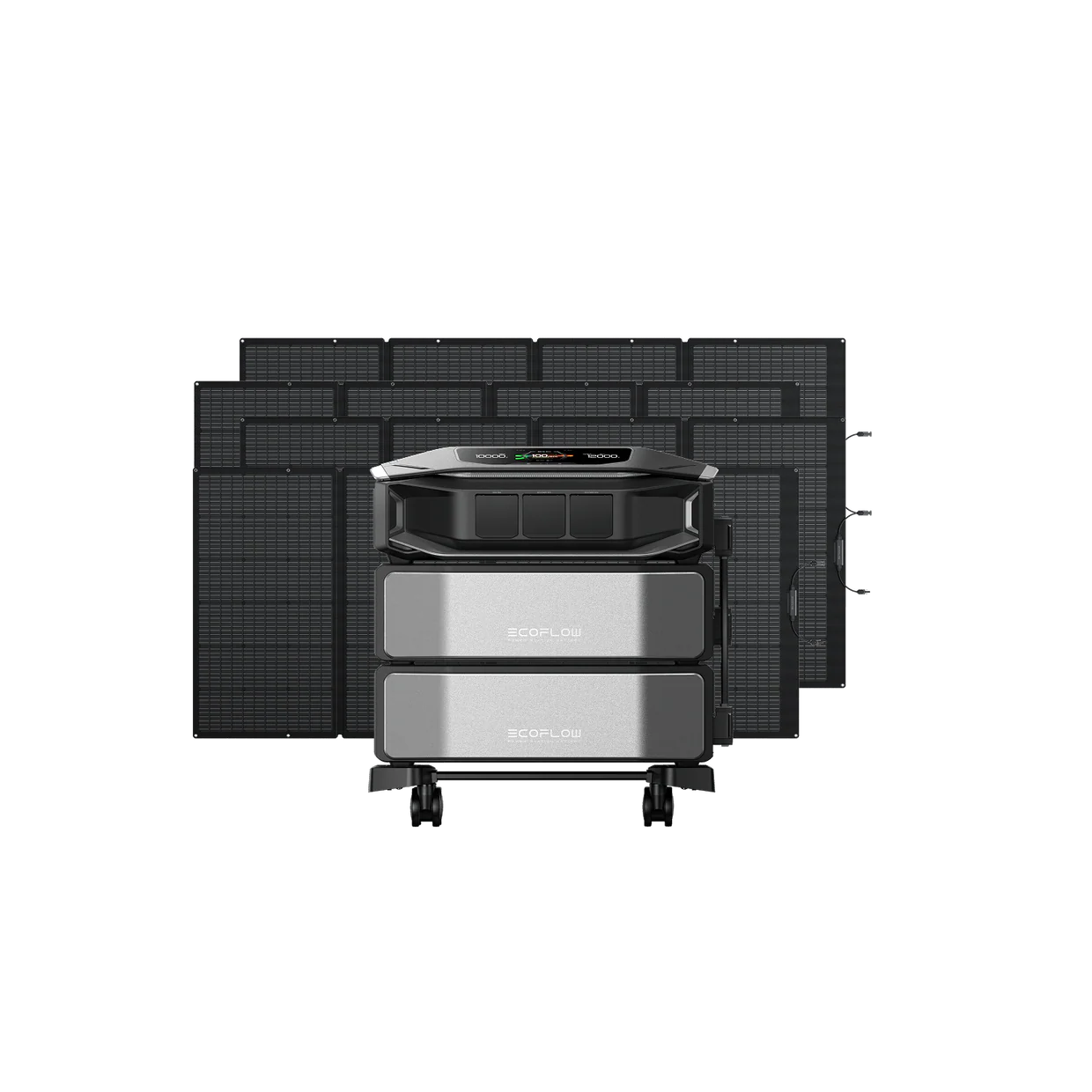
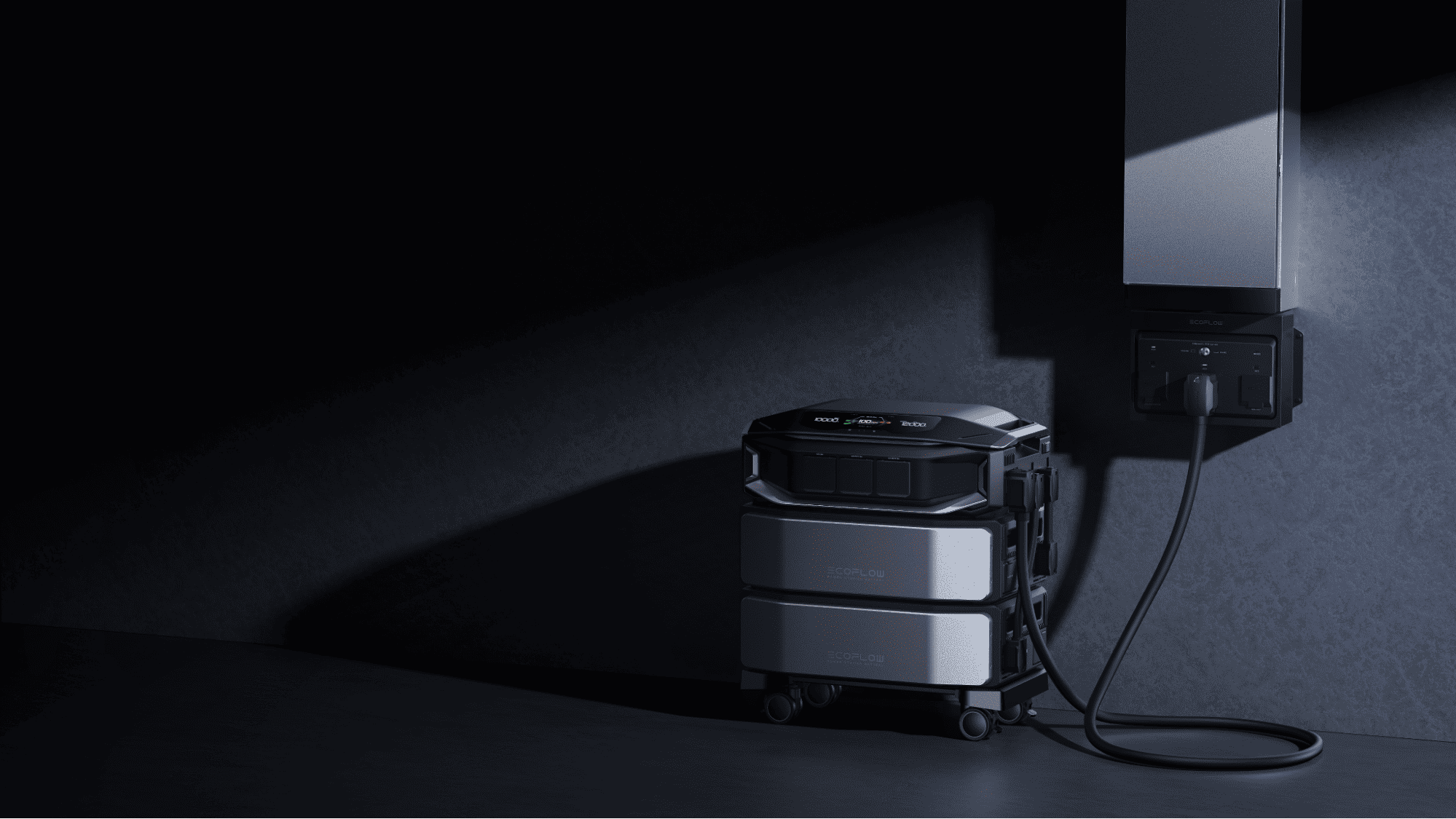
The EcoFlow DELTA Pro Ultra X Solar Generator accelerates the return on investment with up to $6,000 a year in savings. The solar generator scales from a 12 to 36kW output, seamlessly handling high-demand appliances like a 5-ton AC unit. With an efficient one-week setup, EcoFlow can have your home powered up in no time.
Paired with the EcoFlow Smart Home Panel 3, your solar generator saves every penny possible. By strategically shifting between solar, storage, and off-peak rates, your energy system smartly optimizes power and saves you even more money. It charges your batteries during off-peak hours and even recognizes your energy usage habits to optimize solar power usage.
Maximize Solar Value with EcoFlow
Legislative changes imposed by the “One Big Beautiful Bill” Act heavily affect homeowners looking to install solar energy systems. While the elimination of residential tax credit incentives and impacted leasing arrangements has somewhat discouraged homeowners from implementing renewable energy, solar energy is still a worthwhile investment.
Get the most out of your investment with EcoFlow solar generators. Capture and store solar energy in a portable power station to reduce utility costs. Plus, they can power your home during an outage or keep you off the grid completely. No matter your scenario, EcoFlow has a solar generator perfect for you.
For press requests or interview opportunities, reach out to our media team
media.na@ecoflow.com