Vertical Farming at Home: Hydroponic Towers for Apartments
- What Vertical Farming at Home Means for Apartment Growers
- How Hydroponic Tower Systems Work Day to Day
- Planning a Tower Setup for an Apartment, Balcony, or Small Patio
- Lighting and Power Planning for Consistent Indoor Yields
- Picking Plants and Maintaining a Healthy Tower Garden
- Frequently Asked Questions
- Grow More Food in Less Space With a Setup You Can Actually Maintain
Growing your own food in an apartment has moved beyond a few herbs on a sunny windowsill. With vertical hydroponic towers, we can now grow high yields of lettuce, kale, strawberries, and fresh herbs indoors in a tiny footprint.
The key is understanding how these systems work and how to power them reliably so you can enjoy fresh produce in your kitchen all year long.
What Vertical Farming at Home Means for Apartment Growers
Apartment living can make growing indoor herb gardens or fresh salad greens challenging. However, with vertical farming, you can easily grow all year round in any size apartment.
How Hydroponic Towers Deliver Soil-Free Harvests in Small Spaces
With very little space (as little as a 2 ft x 2 ft (0.6 m × 0.6 m) base), you can get high-density yields, making it perfect for small sunny places like balconies, patios, and rooftops, or indoors in any space it fits, provided you supply full-spectrum grow lights for the plants.
Without soil, there’s no mess indoors, no soil-borne diseases to worry about, and hydroponic towers also reduce water use by over 90% compared to growing in soil.
How Hydroponic Tower Systems Work Day to Day
Hydroponic systems are simpler than they might first appear. The plants sit in rockwool, clay balls, or other soil-less mediums.
Then, nutrient solutions are added to a water reservoir, so the plants are fed small amounts every time they’re watered.
Many systems temporarily flood the roots with recirculated water. Others water from the top, similar to rain. Either way, the pump pulls the water from the reservoir and waters your plants 3–6 times a day during daylight hours.
Keeping that pump running is your most critical task. If it stops, your plants may get thirsty fast.
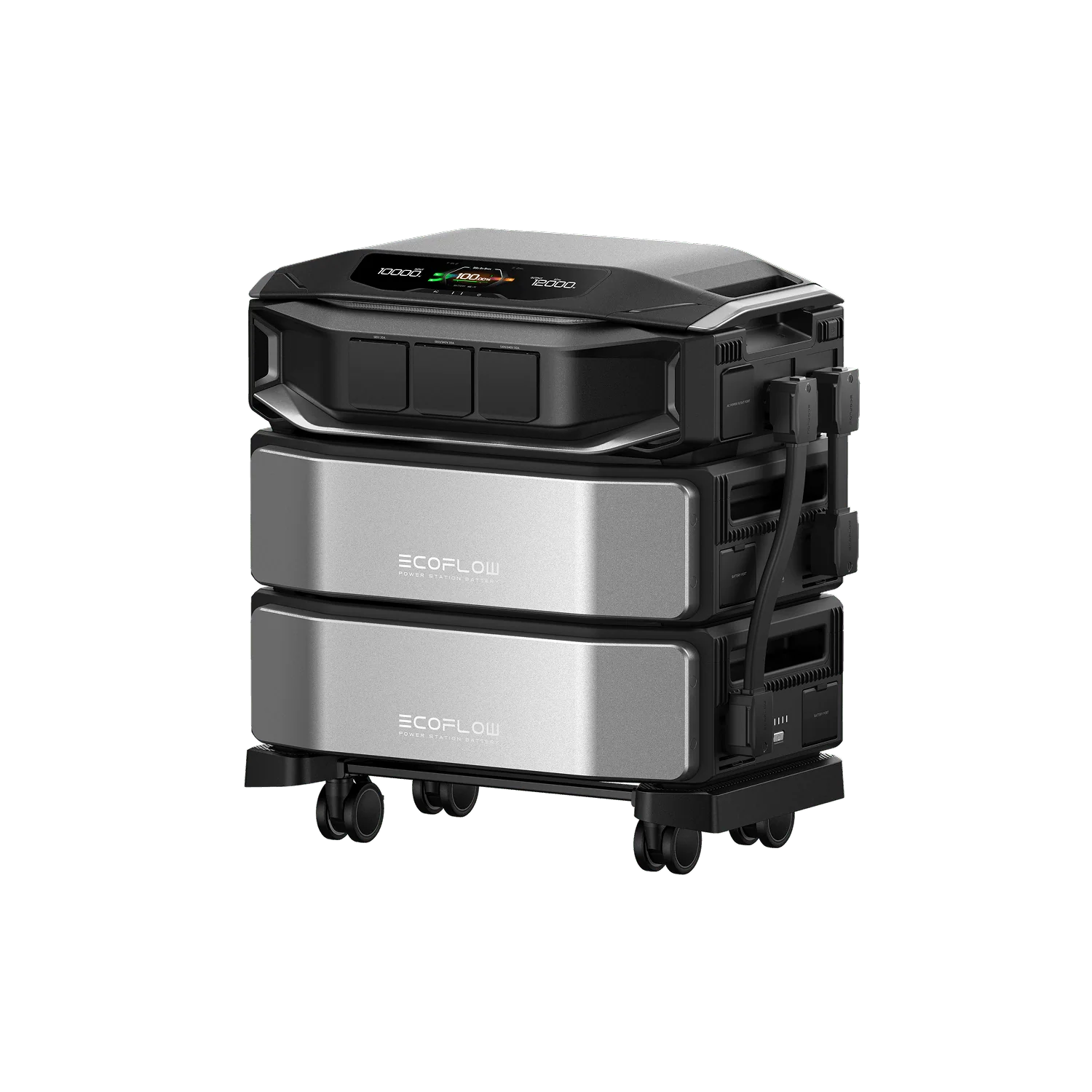
Fortunately, a whole home generator can keep your entire home running during an outage. You can also install a solar panel on your balcony to create solar gardens without power.
Planning a Tower Setup for an Apartment, Balcony, or Small Patio
Hydroponic towers are perfect for virtually any small space, whether indoors or outdoors on a balcony or small patio.
Footprint, Height, and Placement Basics for Light, Airflow, and Stability
A wide range of hydroponic towers is available, from basic plug-and-play to complex DIY systems for those handy with tools.
Before purchasing one, assess your available floor space. Then consider the vertical height. Keep in mind, you ideally don’t want the system taller than you can easily reach by hand.
If you want to utilize natural light, the system must be placed outdoors or indoors in a very sunny, south-facing window. Still, most indoor systems will need supplemental light to ensure stable production, which can be run using solar-powered equipment.
Then, consider airflow. Plants constantly take in carbon dioxide and release oxygen, so they need adequate airflow for optimal health. Oscillating fans can be used to improve airflow.
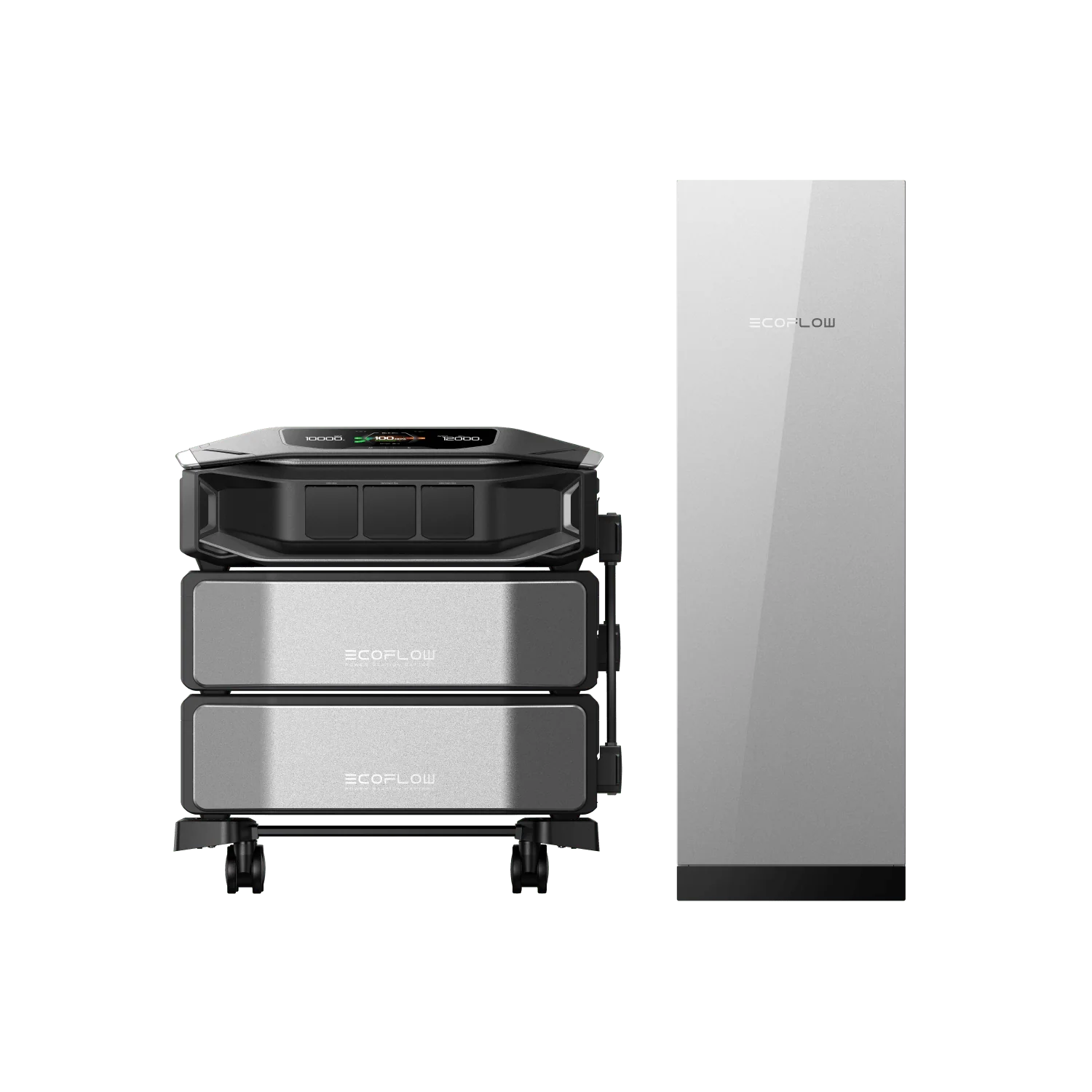
Finally, a backup power source like the EcoFlow DELTA Pro Ultra X + Smart Home Panel 3 will ensure your home and garden always have the energy they need.
Lighting and Power Planning for Consistent Indoor Yields
Choosing Efficient LED Grow Lights and Keeping Your Garden Running During Outages
LED full-spectrum grow lights are the best choice for plant growth because they use the least power and generate the least heat, but still provide all the wavelengths of light that plants need to grow optimally.
Regardless of how you power your lights and pump, you want to ensure your plants don’t suffer during outages or bad weather. A solar panel and an indoor-safe battery like the EcoFlow DELTA Pro 3 + 400W Solar Panel will keep your garden running no matter what.
Picking Plants and Maintaining a Healthy Tower Garden
Some of the best beginner crops are fast-growing ones like:
Lettuce
Mustard greens
Kale
Swiss chard
Strawberries (be sure to get everbearing)
Virtually any kitchen herb: basil, cilantro, sage, parsley, etc.
Then, especially as you get started, check your plants daily to assess their health and take action immediately if anything doesn’t look right. And to ensure continuous harvests, keep picking your herbs, lettuce or kale leaves, and strawberries, and they’ll often return again.
Also, read the fertilizer instructions cautiously. Too much may kill plants, while too little leads to poor yields. Yellow plants often indicate not enough fertilizer, while "leggy" plants usually indicate insufficient light.
Another mistake is not worrying about backup power. If your plants miss a few waterings, it could spell disaster. A whole home backup power system would eliminate those concerns.
Frequently Asked Questions
How Much Space Does a Hydroponic Tower Need in an Apartment?
Hydroponic towers are compact and well-suited for indoor living. Most systems require as little as 2 ft × 2 ft (about 0.6 m × 0.6 m, or 0.37 m²) of floor space at the base. They typically stand around 4–6 ft tall (approximately 1.2–1.8 meters), making them easy to fit in corners, near windows, or under grow lights without taking up much room.
Do Hydroponic Towers Use Less Water Than Soil Gardening?
Hydroponic towers can reduce water use by over 90% because they recirculate the same water, reducing evaporation and eliminating runoff.
Can You Run a Hydroponic Tower Without Grow Lights?
You can run a hydroponic tower without grow lights if it’s placed outdoors in direct sun or in a very bright, south-facing window. Otherwise, you’ll need lights.
What Happens to a Hydroponic Tower Garden During a Power Outage?
If the power goes out and you don’t have backup power, it puts plants at risk of heat and water stress after about 2–6 hours. If not watered, they may die.
Grow More Food in Less Space With a Setup You Can Actually Maintain
Hydroponic towers make it possible for anyone, anywhere, to grow food even in the tiniest apartment. However, success hinges on understanding how the systems work, including adequate lighting, reliable water circulation, proper nutrients, and good airflow.
Planning for outages is just as important as choosing the right plants or setup. With a dependable backup system, you can protect your harvest and maintain consistent yields without interruption.
Explore EcoFlow’s DELTA series portable power stations to find a reliable solution that keeps your hydroponic system running and your indoor garden thriving.
For press requests or interview opportunities, reach out to our media team
media.na@ecoflow.com