How Much Does It Cost to Charge an EV at Home in 2026?
- What Is Home EV Charging?
- How Much Does It Cost to Charge an EV at Home in 2026?
- What Factors Affect the Cost of Charging an EV at Home?
- How Do You Calculate Your Own Home Charging Cost?
- How Does Home Charging Compare to Public Charging and Gas?
- How Can You Lower the Cost of Charging an EV at Home?
- Frequently Asked Questions
- Smart Home Energy Management Helps EV Owners Charge Affordably at Home
As gas and electricity prices grow more volatile in 2026, consumers are looking for ways to save money. But is home charging an EV the best way to go? Is it cheaper than public chargers, and how does it compare to gasoline? Join us as we explore the answers to those questions and provide tips on reducing your charging costs at home.
What Is Home EV Charging?
Home EV (Electric Vehicle) charging is when you charge your EV at your house instead of using a public charging station.
When you use your own electricity, you get cheaper rates and can schedule your charging for even cheaper late-night rates if you’re on a time-of-use (TOU) rate. It’s also much more convenient than waiting at a public charging station.
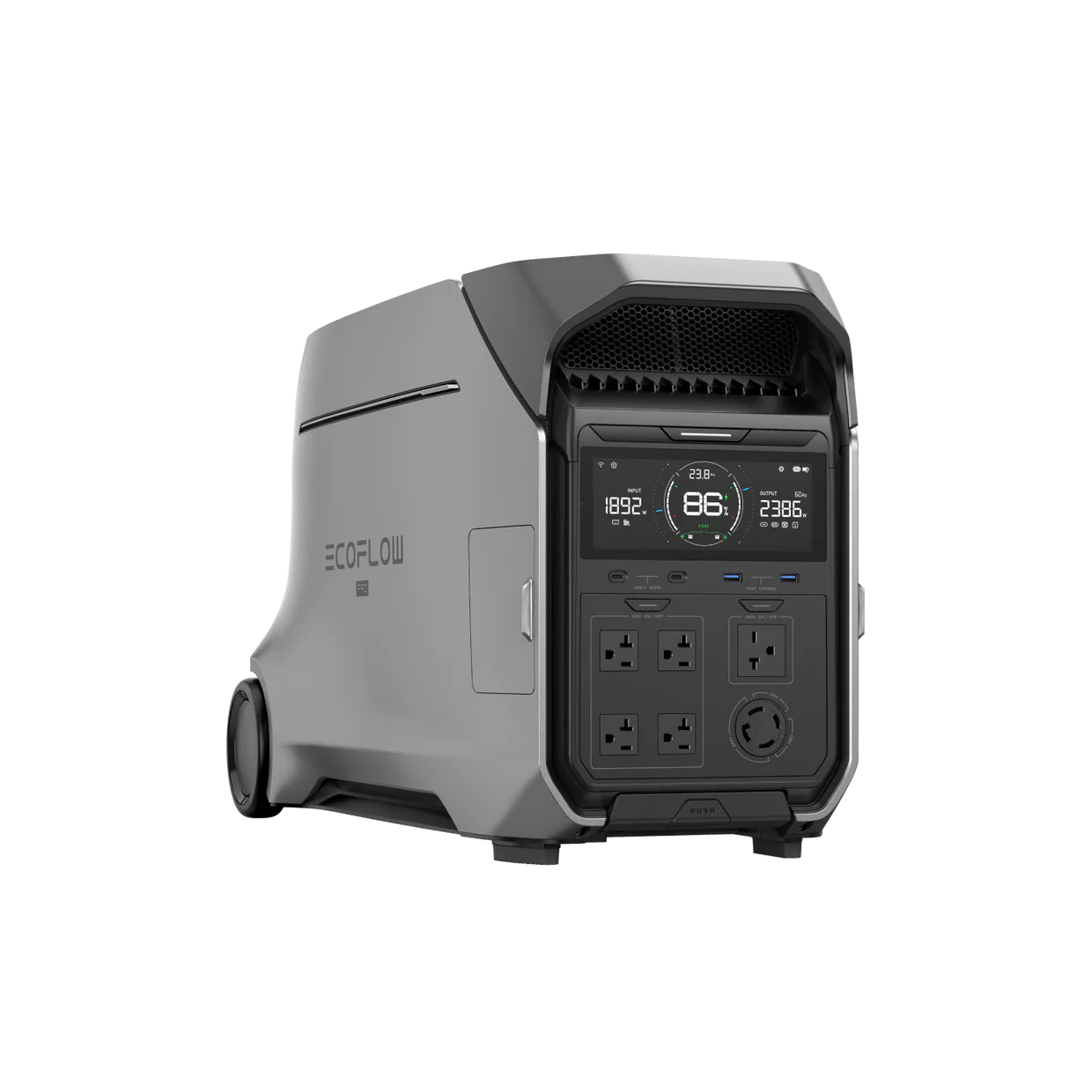
You can save additional money using the EcoFlow DELTA Pro 3 Portable Power Station to top up your car when traveling instead of using public chargers. It’s like carrying a jerry can of gas, but without any spills or smells.
How Much Does It Cost to Charge an EV at Home in 2026?
The cost of charging EVs varies with your electricity rates.
According to the U.S. Energy Information Administration, the average price of residential electricity in the USA is 18.83 cents/kWh as of April 2026. If you have a 60kWh battery, then it will cost approximately 60kWh x 18.83 cents/kWh = $11.30 (not accounting for losses).
What Factors Affect the Cost of Charging an EV at Home?
The biggest factor that affects the cost of charging is your electricity rate, which varies with the provider and the state you live in. For instance, the U.S. Energy Information Administration data also shows that average residential electricity rates currently range from a low of 12.70 cents/kWh in Idaho to a high of 46.62 cents/kWh in Hawaii, with many states, such as Ohio and Georgia, landing closer to the national average in between.
Also, if you have a variable TOU rate and charge when you get home from work in the early evening, you may end up paying more compared to off-peak rates.
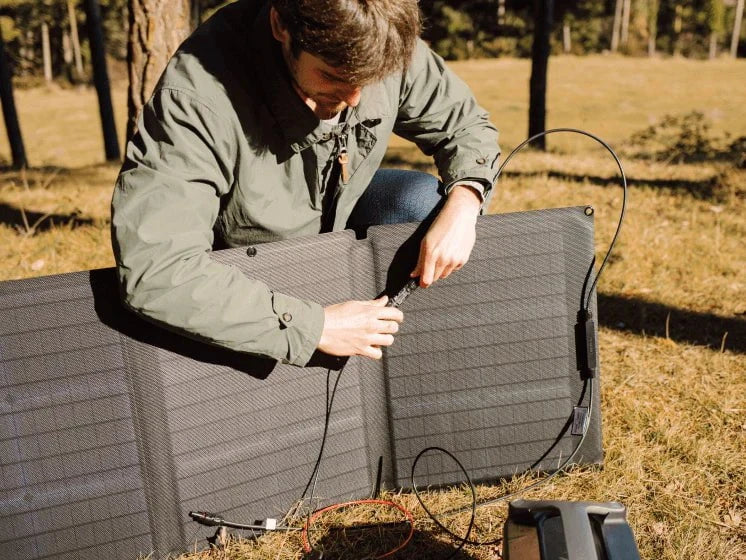
Another factor is solar: homeowners who install solar panels can significantly lower the cost. If you set it to charge only during the day with solar, you can almost charge for close to free, depending on your system size and how much sunlight your home gets.
How Do You Calculate Your Own Home Charging Cost?
To calculate your cost at your house, you need to know your electricity rate. Look at your power bill and get your rate per kWh, being sure that it includes transmission and usage fees.
If it’s broken down without an overall rate, you can either call your supplier or take your monthly bill and divide it by the total kWh consumed to find your all-in cost per kWh.
Then multiply your electricity rate/kWh by the battery capacity (kWh) to get the approximate cost you might pay for a full charge. However, if you have a variable time-of-use rate, be sure to use the correct rate for when you charge.
How Does Home Charging Compare to Public Charging and Gas?
EV charging at home vs. public stations saves significant money. According to AAA, which tracks public EV charging prices alongside gas prices, the national average for public EV charging is around 41 cents per kWh, so a 60kWh battery would cost roughly $24.60 at a public charger, compared to about $11.30 at home for the same battery.
To make meaningful comparisons to gas, you need to estimate the cost per mile. That home charging at $11.30 works out to approximately 6.3 cents/mile (this varies with the car and other factors).
The national average price of gas is currently around $4.00 per gallon, so a 12-gallon tank costs about $48 to fill. That means it'll cost about 14.8 cents/mile, assuming you have a modern, fuel-efficient car that gets 27mpg.
How Can You Lower the Cost of Charging an EV at Home?
While you can’t control your utility company’s electrical rates, you can still lower costs.
One is using EV solar charging. If you set your charger to charge during the day, prioritizing solar power, you can save significant money and even charge for free with a large enough solar array.
Another way to save money is with time-of-use rates and charging late at night when rates are usually cheaper. If you'd rather not depend on the utility's peak-rate schedule at all, storing cheap off-peak or solar power in a battery-based whole home generator gives you a reserve of low-cost energy you can draw on for EV charging (or anything else in the house) whenever you need it, without waiting for off-peak hours or worrying about outages.
Frequently Asked Questions
Is It Cheaper to Charge an EV at Home or at a Public Station?
It’s usually much cheaper to charge at home instead of public charging stations, especially those using fast chargers, since public chargers have to account for electricity rates, infrastructure, and maintenance costs, as well as profit.
How Much Does Charging an EV Add to Your Monthly Electric Bill?
For an EV driven the U.S. average of roughly 1,100 miles a month, charging typically adds somewhere between $30 and $50 to a monthly electric bill at average residential rates. The actual amount depends entirely on how much you drive, how often and when you charge, and your electricity rate, so drivers who charge mostly off-peak or with solar power often see a smaller increase.
Do You Need a Special Charger to Charge an EV at Home?
EVs may already come with a Level 1 charger that plugs into a standard wall outlet, so you can charge without special equipment. However, Level 1 chargers are very slow, so most EV owners install a Level 2 charger, which may require an electrical panel upgrade in an older house.
Smart Home Energy Management Helps EV Owners Charge Affordably at Home
Skyrocketing fuel and power prices have everyone concerned, but smart home charging lets EV owners save significant money compared to public charging stations and especially when compared to filling up on gas.
You can save even more money when you use solar panels and prioritize solar charging over grid power. You can also pair it with an EcoFlow DELTA Pro 3 Portable Power Station so you can top up your charge on the road and avoid those public charging stations.
For press requests or interview opportunities, reach out to our media team
media.na@ecoflow.com