El Niño Is Back — Here's How to Prepare With EcoFlow
- What Is ENSO, and Why Does It Matter?
- How Can El Niño Affect Weather and Power Reliability?
- What Storm and Outage Risks Should You Prepare For?
- What Should You Power First During an El Niño-Related Outage?
- How Should You Build an El Niño Emergency Power Plan?
- Frequently Asked Questions
- Reliable Backup Power Helps Homes Stay Ready During El Niño Weather
The El Niño–Southern Oscillation can bring about cooler or warmer than average temperatures, and it's this fluctuation that can cause extreme weather. With the next El Niño phase predicted to take place in 2026, it’s crucial to understand what the El Niño weather phenomenon is and how you can best prepare for the possible repercussions.
Read on to better understand the phenomenon and how you might be affected.
What Is ENSO, and Why Does It Matter?
El Niño–Southern Oscillation, or ENSO for short, is one of the most crucial climate phenomena on the planet; it has the power to alter atmospheric circulation (the continuous distribution of heat across the surface of Earth), and, as a result, influences the temperature and precipitation across the globe.
ENSO is broken down into three key stages: its neutral phase, “El Niño”, and “La Niña”. These two phases work in opposition to each other and need different changes in the atmosphere and ocean. But what does all of this mean at its core?
ENSO is a recurring climate pattern where the change in the temperature of the waters in the central and eastern tropical Pacific Ocean has a wide range of effects on the planet. These changes in the three stages occur every 3-7 years.
It’s the oscillating warming and cooling that can really impact the weather across the US as well as other parts of the world, such as coastal South America. The neutral phases sit between the more extreme “El Niño” and “La Niña” phases.
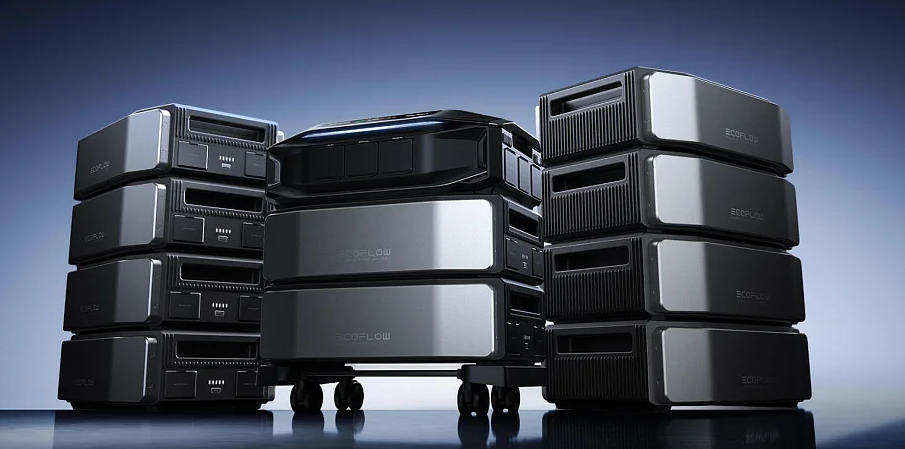
It’s not just a fascinating recurring phenomenon; as a result of the oscillation, it can bring about issues with extreme weather, threaten economic and food security, as well as impacting public health. Ensure you keep your home powered with suitable back-up power, like the EcoFlow DELTA Pro Ultra X.
What Are El Niño And La Niña?
El Niño is the warming of the ocean surface, whereas La Niña is the cooling of the ocean’s surface. During this period or phases of the cycle, trade winds weaken, and the warm water is pushed back towards the west coast of the Americas. Typically, this phase will peak around December.
La Niña, on the other hand, is the exact opposite of El Niño; trade winds are often stronger than usual, which pushes the warm water towards Asia.
Why Does ENSO Affect Weather And Economies?
ENSO affects the weather because of its “knock-on” effects. For example, in the El Niño phases, the shift in warm water and evaporation alters the narrow band of strong, fast winds in the Earth's atmosphere (also known as the jet stream).
As a result, particularly in North America, it can cause warmer and drier winters, with wetter conditions in the south. On the other hand, areas such as Australia and Indonesia might experience droughts, increasing wildfire risks.
La Niña causes the jet stream to move north, meaning that North America can be met with colder and snowier winters, with drier conditions in the south. Opposite to El Niño, La Niña can cause rainfall and flooding in areas like Australia and Southeast Asia. La Niña can also change Atlantic hurricane seasons.
All these changes in the weather can have a dramatic impact on economic security. After all, ENSO can impact agriculture, hydropower, and global commodity prices.
How Can El Niño Affect Weather and Power Reliability?
El Niño causes a shift in the jet stream, which causes extreme weather conditions such as droughts or wildfires, or conversely, heavy flooding in areas like South America. Any extreme weather condition can place pressure on power grids through surges in demand or damage from the extreme weather itself.
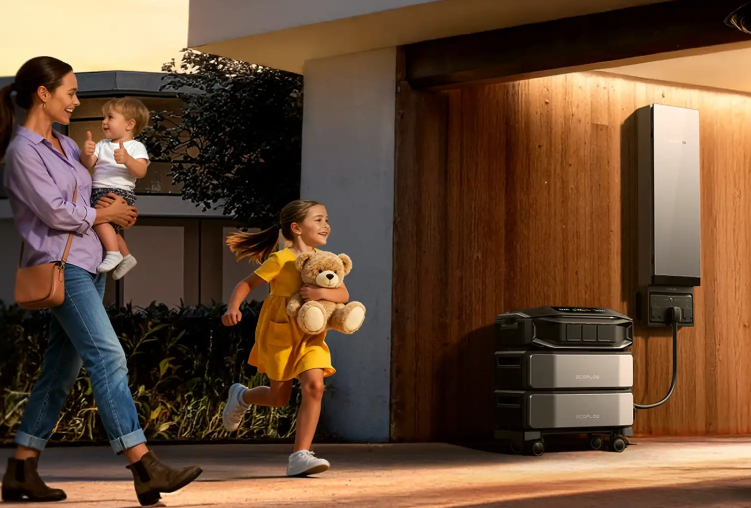
Already, meteorologists are predicting new record high temperatures thanks to the return of El Niño. And after the high temperatures of the 2023-2024 period, it’s understandable that there are concerns for what this El Niño phase could bring. That’s why many people will need to prepare for extreme weather conditions, and prepare accordingly with emergency supplies, and an EcoFlow Whole home generator should the worst happen, and power becomes unreliable.
What Storm and Outage Risks Should You Prepare For?
Heavy rain
Storm surges and scattered thunderstorms are found in tropical rainstorms
Flooding and landslides
High winds
Infrastructure failure
Traffic disruption
Grid overload
What Should You Power First During an El Niño-Related Outage?
Medical Equipment: If you have any equipment that is crucial for life support or health conditions, this needs to be powered as a matter of urgency.
Emergency Communication: Communication in extreme weather is key, so charging cell phones, smartphones, and emergency radios will be essential.
Lighting: Extreme weather can be scary, especially at night when your vision is impaired, so charge any plug-in lights or rechargeable battery-powered flashlights so you can safely navigate your surroundings.
Water Supply: If you have an electric water well or a powered filtration system, it’s important to prioritize power to retain a safe water supply.
How Should You Build an El Niño Emergency Power Plan?
Preparing for power loss can be a little intimidating, but it doesn't have to be. That’s why it’s important to consider what you’ll need for power and what you can live without. Assume that you could be without power for a few days and base your choices on that, rather than assuming all will be back to normal after a day.
Then choose the right EcoFlow whole home backup power solution for you and your family. It’s always best to prepare in advance rather than leave preparations until the last minute, so consider planning as soon as possible.
Frequently Asked Questions
Will 2026 Be an El Niño Year?
There is a very high chance that the next El Niño phase will hit in 2026. While the percentage is lower for the summer months than in December, it could still happen. This means that 2026 could be the beginning of a record-breaking El Niño phase.
Which Is Colder, La Niña or El Niño?
While El Niño is known for being the warmer phase, bringing about droughts and flooding, La Niña is the antithesis, bringing on colder climates and more severe winters or snowy conditions. This is because the former brings about warmer global temperatures while the latter causes cooler global temperatures.
Reliable Backup Power Helps Homes Stay Ready During El Niño Weather
While it's impossible to predict the weather 100%, ENSO has been an intensely studied recurring event, and without meteorologists predicting El Niño's return, areas (likely to be affected) must get prepared as quickly as possible.
From first aid kits to power preparedness, an emergency plan is crucial. So don't let future power outages become a problem: discover EcoFlow's range of solutions today.
For press requests or interview opportunities, reach out to our media team
media.na@ecoflow.com