El Niño and La Niña Explained: Key Differences, Causes, and Impacts on Weather
Have you ever noticed some winters are unusually warm, or summers that bring never-ending coastal storms? Chances are you’re experiencing the effects of El Niño or La Niña. These are massive climate systems that originate thousands of miles away in the Pacific Ocean and can influence weather patterns globally. This article provides a comprehensive overview of El Niño and La Niña and explains their underlying mechanics and key differences. It will also show how they shape weather patterns in the United States and some practical ways to keep your home safe and fully functional.
What Are El Niño and La Niña?
According to NOAA, El Niño and La Niña represent opposite extremes of the El Niño–Southern Oscillation (ENSO)—a naturally occurring climate cycle driven by shifts in sea surface temperatures across the equatorial Pacific Ocean. By altering these oceanic temperatures, both phases redirect global jet streams and trade winds, triggering an atmospheric domino effect felt worldwide.
What Is El Niño?
El Niño refers to an unusual warming of surface waters in the central and eastern tropical Pacific Ocean. El Niño translates as “the boy child” or “Little Boy” in Spanish. The term was coined by Peruvian fishermen who noticed warm ocean currents around Christmas time. The warming trends occur when typical ocean cooling doesn’t happen. The warmer ocean creates a domino effect of warm air into the global atmosphere.
What Is La Niña?
La Niña is the counterpart to El Niño. La Niña is defined by the periodic cooling of the ocean surface temperatures across the same equatorial region of the Pacific Ocean. It translates as “the girl child” or “Little Girl” in Spanish. La Niña produces the opposite extreme climate conditions and intensifies the ocean’s normal cool temperatures. The cooler ocean impacts the air temperatures that affect the jet streams. These changes result in very different weather patterns globally.
Understanding ENSO: The Climate System Behind Both Events
Both of these weather patterns belong to a single climate system known as the El Niño-Southern Oscillation (ENSO). The ENSO cycles typically fluctuate between three phases: El Niño (warm), La Niña (cool), and Neutral (near-average). ENSO acts as the Earth’s master climate thermostat; even a slight variance in ocean temperatures can disrupt weather patterns from North America to Australia.
El Niño vs. La Niña: Key Differences at a Glance
The conditions that initiate El Niño and La Niña are from the same source, and they are in the same climate family. But they produce wildly contrasting results. Let’s look at how these two climate conditions compare against each other and their impacts globally.
Comparison Table: El Niño vs. La Niña
| Feature | El Niño (Warm Phase) | La Niña (Cool Phase) |
|---|---|---|
| Pacific Ocean Temp | Unusually warm | Unusually cold |
| Trade Winds | Weaken or reverse westward | Strengthen, blowing harder westward |
| US Jet Stream Position | Shifts south toward the Gulf Coast | Shifts north toward the Pacific Northwest |
| Atlantic Hurricane Season | Suppressed | Typically active / more frequent storms |
| US Winter Impact | Wet/cool South, dry/warm North | Wet/cold North, dry/warm South |
Why Small Ocean Temperature Changes Create Big Weather Impacts
A minor shift in Pacific Ocean sea surface temperatures can significantly influence global atmospheric circulation patterns. According to NOAA’s JetStream ENSO Impacts overview, ENSO-related temperature anomalies are associated with changes in precipitation patterns and storm tracks across North America. These shifts can contribute to wetter conditions in parts of California, while conditions in the Pacific Northwest may tend toward drier-than-average patterns. These impacts occur because ocean temperature variations can modify atmospheric pressure systems and influence the behavior of the jet stream, which helps steer storms across the continent.
Which Is Stronger and More Disruptive?
Neither weather pattern is inherently “stronger,” but in an El Niño year, its effects are often more pronounced. El Niño weather is linked to changes in global climate patterns and can influence the likelihood of intense droughts and heavy rainfall in different regions around the world. However, La Niña often persists longer and can contribute to more active Atlantic hurricane seasons in the U.S. As these stronger coastal storms place repeated stress on regional electrical grids, a resilient home battery system has become an increasingly important option for families to help maintain power during widespread blackouts.
What Causes El Niño and La Niña?
These climate patterns don’t just happen randomly. They develop based on the constant interaction between the ocean surface and the winds blowing across it.
The Role of Trade Winds
Under normal conditions, strong winds called trade winds blow along the equator from the Americas to the west across the Pacific. This pushes warm surface water toward Asia and Australia. As that warm water moves west, cold water from deep in the ocean rises up along South America to replace it. This is known as upwelling.
How El Niño Develops
During an El Niño year, these trade winds are weakened, and can sometimes even reverse direction. Since there’s not enough wind to push warm water west, it mostly stays where it was, or even moves eastward towards South America. Upwelling doesn’t occur and the eastern Pacific warms up. This causes the atmospheric storm center to shift eastward across the ocean.
How La Niña Develops
Conversely, La Niña happens when the trade winds blow much stronger than usual. This enhanced flow pushes a larger volume of warm water toward Asia, drawing up intense currents of cold water to the surface along the South American coast to kickstart the cooling phase.
How Long Do El Niño and La Niña Events Last?
On average, each El Niño or La Niña event lasts anywhere from 9 to 12 months. They typically develop during the spring or summer and have their highest intensity during the winter months. Then gradually, they dissipate by the following spring. El Niño rarely lasts more than a year, while La Niña can occasionally persist for two to three years under certain conditions.


How El Niño and La Niña Affect Weather in the United States
The climate conditions in the Pacific Ocean have a major impact on what kind of seasonal weather people have. This influences everything from daily commutes to regional power grids.
Winter Temperature and Precipitation Patterns
During El Niño winters, the southern states, from California through Texas and even into Florida, experience cooler, much wetter conditions. At the same time, the northern states stay notably warmer and drier. Just the opposite is true for a La Niña winter. The Pacific Northwest and Ohio Valley get above average snowfall and rain, while the southern states stay warm, clear, and with much less rain.
Flooding, Drought, and Water Supply Impacts
The big changes in precipitation from one year to the next create major water management challenges. Strong El Niño events can increase winter precipitation in California, improving mountain snowpack but also raising flood risks in the spring. The high rainfall can also easily cause dangerous mudslides and flash flooding. Alternatively, during La Niña, the risk of a drought can increase across parts of the Southwest and Southeast.
Hurricane and Storm Activity
Wind patterns created by ENSO heavily influence tropical storms. El Niño creates strong vertical wind shear over the Atlantic Ocean. When this happens, it effectively inhibits developing storms from growing and leads to quieter hurricane seasons. La Niña does the exact opposite. It reduces wind shear over the Atlantic and creates a breeding ground for active tropical storms. These can become highly destructive hurricanes that threaten the Gulf and East Coasts.
Impacts on Agriculture, Energy, and Infrastructure
In mid-summer, ENSO-driven superstorms and hurricanes present an escalating threat to the electrical grid’s infrastructure. A single coastal storm can cause widespread grid failure, leaving coastal and inland communities in sweltering heat without power for weeks.
Severe storms are increasingly common and many lead to grid failures. Consequently, forward-thinking homeowners are taking steps to protect themselves and their energy security. They are installing reliable off-grid home backup power systems. Hurricanes or severe storms knock out local power lines, but if you have a modular whole-house backup system like the EcoFlow DELTA Pro Ultra X Whole-Home Backup Power can seamlessly take over. The EcoFlow DELTA Pro Ultra X can automatically power critical appliances like your central air conditioning, refrigerators, and medical equipment. This way you make sure your household maintains normal, safe living conditions even during weeks of extended grid blackouts.
Global Impacts and How Scientists Predict ENSO Events
The ENSO cycle goes beyond just North America. It reshapes environmental and economic conditions on a global scale.
Effects on Asia, Australia, and South America
While the US deals with shifting rain patterns, El Niño often brings much less rain to Australia and Indonesia, causing severe droughts and dangerous bushfires. At the same time it causes heavy rainstorms and flooding in Peru and Ecuador. La Niña reverses these dynamics and brings torrential, flood-inducing monsoon rains to Southeast Asia while leaving South American coastal areas cool and dry.
Impacts on Global Food Production and Fisheries
ENSO has a significant effect on regional rainfall, and therefore directly impacts global crop yields for staple crops like corn, soy, and rice. Changing yields year to year causes price fluctuations you’ll see in the grocery stores. Additionally, the lack of nutrient-rich ocean upwelling during El Niño devastates South American fisheries. This is seen globally in prices and availability in the supply chain for seafood markets.
How Scientists Monitor ENSO
Meteorologists track these changes in ocean temperatures using an elaborate high-tech network spread across the Pacific Ocean. The primary source of information is the Tropical Atmosphere Ocean (TAO) buoy array, which measures water temperatures at various depths. Information is also collected from advanced NASA satellite monitoring and weather data from commercial shipping vessels.
How Accurate Are El Niño and La Niña Forecasts?
While modern climate models can accurately forecast the onset of an ENSO event several months in advance, gauging its exact intensity remains a challenge. Subtle, unpredictable atmospheric shifts can suddenly weaken or supercharge weather systems, defying even the most sophisticated simulations.
Preparing for El Niño and La Niña
Since these climate cycles can be anticipated months in advance, homeowners have an ideal window to prepare for weathering El Niño or La Niña, minimizing the risk of seasonal disruptions.
How Homeowners Can Prepare
You can protect your property by preparing for your region’s specific ENSO outlook. Recommended steps to take are cleaning out gutters ahead of El Niño downpours or clearing out brush before a La Niña wildfire season.
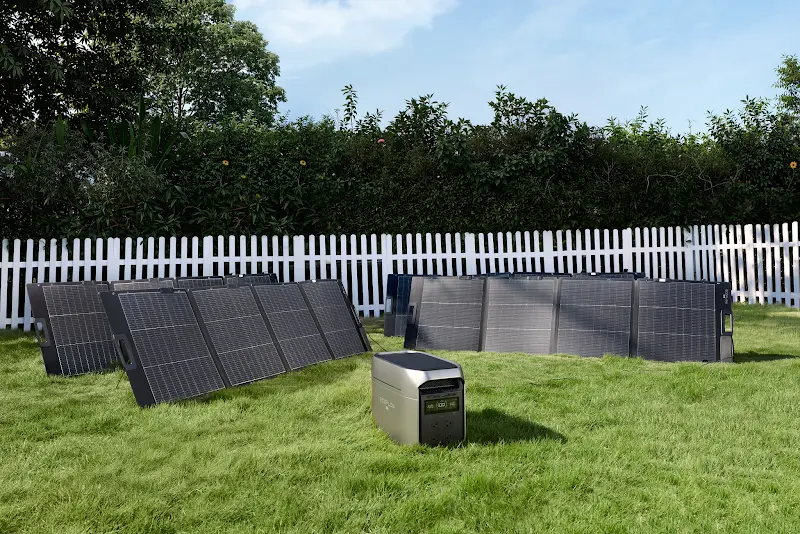
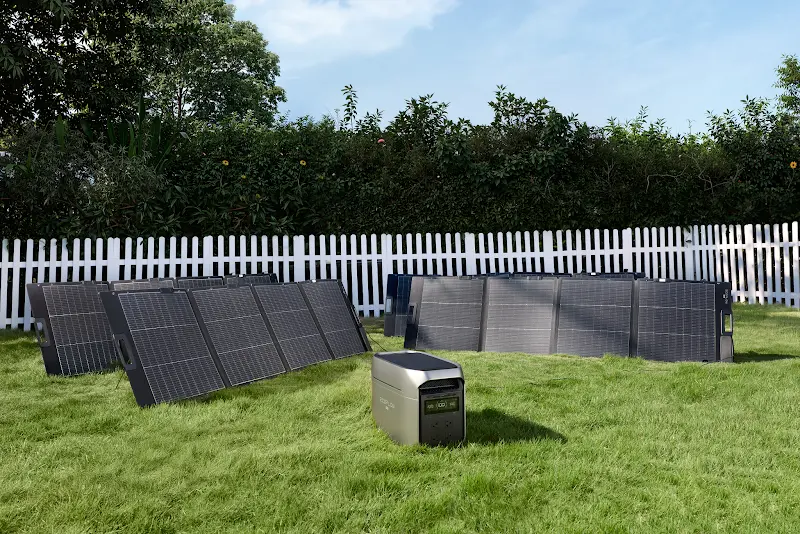
Also consider a backup power system in case power goes out. A flexible and budget-friendly off-grid power option is a portable power station like the EcoFlow DELTA 3 Max Plus + 4 x 125W Solar Panel. This is best combined with portable solar panels for easy recharging. If the storm outage is extended or if there’s rolling blackouts, you can still use solar energy to continuously recharge your batteries. This keeps your phones, routers, medical devices, and emergency lighting all running and keeps you safely connected to the outside world.
Tips for Farmers, Businesses, and Travelers
Farmers: Farmers should monitor long-range ENSO forecasts to determine whether or not to adjust planting schedules. Also, farmers can choose drought-resistant seed varieties, or invest in enhanced drainage systems.
Businesses: Supply chain managers should diversify sourcing early to avoid possible impacts to required products. This is especially important if an upcoming ENSO phase threatens regions that produce key agricultural or manufacturing components.
Travelers: If you’re planning to invest in a special holiday trip, check regional weather trends before booking winter vacations. An El Niño year could mean better skiing conditions in parts of the western U.S. but poorer snowpacks in some northern mountain resorts—so be sure to pack a portable power station to keep your gear charged in unpredictable winter conditions.
Conclusion
El Niño and La Niña are powerful weather systems that illustrate how climates around the world are interconnected. A warm tropical Pacific Ocean current can shift winter snow to the North, while strong Pacific Ocean trade winds often play a role in driving Atlantic hurricanes. The effects of the ENSO cycle can impact our daily lives, economies, and home safety. Staying updated through reliable meteorological forecasts helps you take more proactive measures. By equipping your home with a resilient backup energy system, you can significantly improve your household’s preparedness, providing peace of mind that your home will stay powered and functional through severe weather.
FAQs
How often do El Niño and La Niña occur?
El Niño and La Niña cycles typically occur every two to seven years on an irregular schedule. They do not follow a perfectly predictable timeline, and a neutral phase often sits between them.
Can climate change affect ENSO events?
Yes, rising global temperatures are altering the baseline of ocean conditions, making strong El Niño and La Niña events more intense and severe. While the frequency may not change drastically, the storms and droughts they trigger are becoming more extreme.
Does El Niño always reduce hurricanes?
El Niño reduces hurricane activity in the Atlantic basin due to increased wind shear, but it shifts hurricane activity eastward in the Pacific, making regions like Hawaii or the Eastern Pacific more vulnerable to stronger storms. Homeowners on the West Coast or in Hawaii may experience heightened storm threats during this phase.
How can I track current ENSO conditions?
You can easily track live ENSO updates through official government weather portals. The National Oceanic and Atmospheric Administration (NOAA) issues monthly updates and advisories via their Climate Prediction Center website.
For press requests or interview opportunities, reach out to our media team
media.na@ecoflow.com