Hurricane vs Typhoon vs Cyclone: What's the Difference and Why It Matters for Preparedness
- What Is the Difference Between a Hurricane, Typhoon, and Cyclone?
- Why Do They Have Different Names in Different Parts of the World?
- How Are Hurricanes, Typhoons, and Cyclones Measured and Categorized?
- What Should Every Household Have Ready Before Storm Season?
- Frequently Asked Questions
- Safer Homes, Faster Recovery, Reliable Power
Every year, powerful tropical weather systems cause catastrophic damage and displace millions of people. Whether you call it a hurricane, typhoon, or cyclone, the danger is the same. However, the name you use, the rating system that applies, and the preparedness steps depend on where you live. Here are the differences between each and why it matters for preparedness.
What Is the Difference Between a Hurricane, Typhoon, and Cyclone?
The short answer is nothing, at least meteorologically speaking. All three are the same type of storm: a large, rotating tropical weather system with a low-pressure center, organized thunderstorm activity, and sustained high winds. The difference between the three is purely geographic. The name changes depending on where the storm forms.
What Is a Hurricane?
A hurricane is a tropical cyclone that forms in the North Atlantic Ocean, the Gulf of Mexico, or the eastern and central North Pacific Ocean. The term is most familiar to people in the Americas and Europe. Hurricane season in the Atlantic runs from June 1 through November 30, with peak activity between August and October when ocean surface temperatures are warmest.
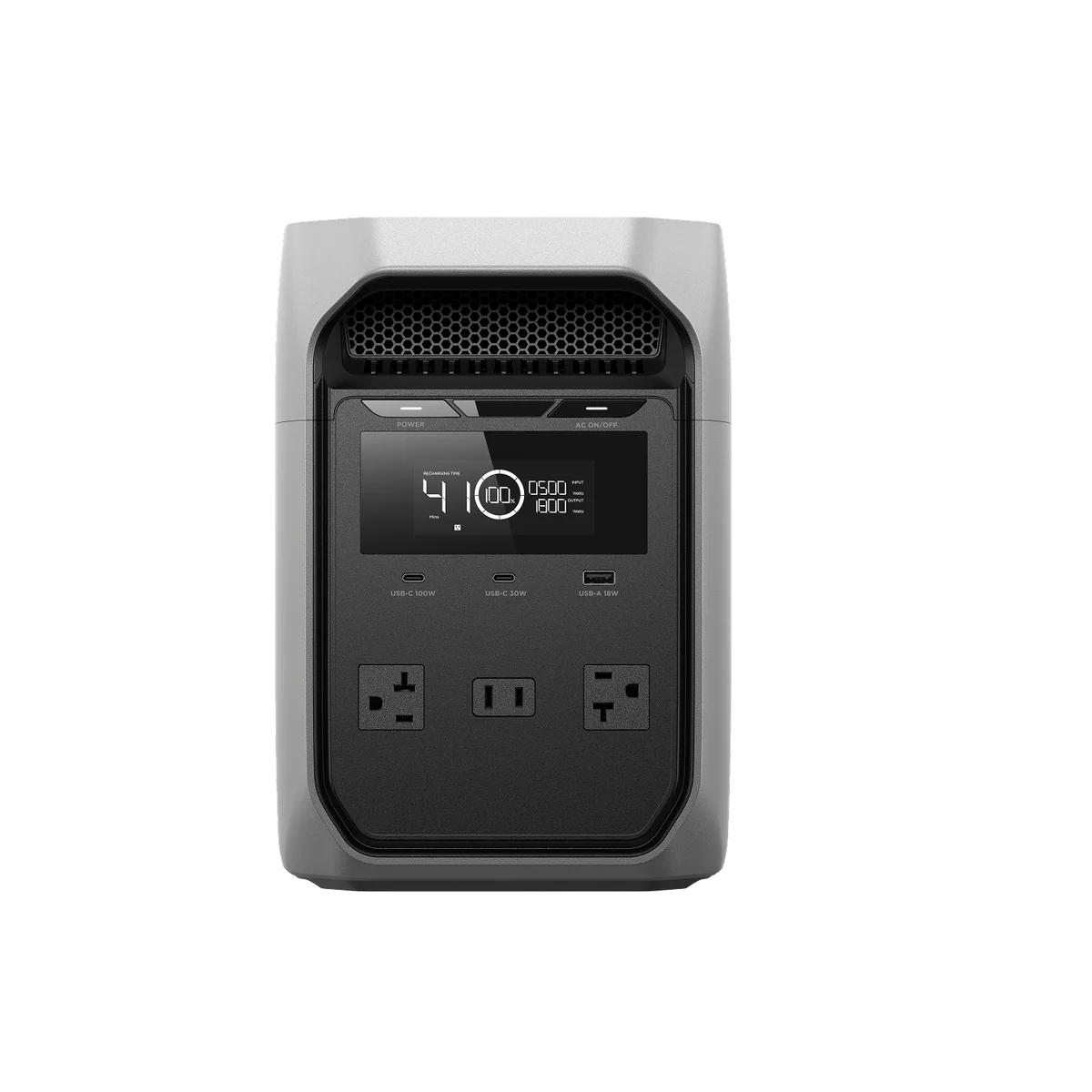
For US households in hurricane-prone regions, having a reliable backup power source, like the EcoFlow DELTA 3 Classic, before peak season starts can mean the difference between a manageable outage and a crisis.
What Is a Typhoon?
A typhoon is the same storm system that forms in the western North Pacific Ocean. They affect countries including Japan, the Philippines, China, Taiwan, South Korea, and Vietnam. The western Pacific is the most active tropical cyclone basin on Earth, producing more storms per year than any other region. Typhoon season has no formal start or end date as storms develop year-round.
What Is a Cyclone?
Cyclones form in the Indian Ocean and the South Pacific Ocean. They affect Australia, Bangladesh, India, Madagascar, and Mozambique. The term “cyclone” is often used for any large-scale rotating storm system.
Why Do They Have Different Names in Different Parts of the World?
Each tropical cyclone name comes from cultural and linguistic history. The term “hurricane” comes from the Taino word huracán, used by indigenous Caribbean peoples to describe powerful storms and the deity associated with them. The term “typhoon” is traced back to three potential sources: the Arabic tūfān (meaning “flood”), the Cantonese daai fung (meaning “big wind”), and the Greek tuphôn (meaning “whirlwind”). The term “cyclone” comes from the Greek word kyklos, meaning “circle.”
The use of different terms in different parts of the world is also influenced by the agencies responsible for tracking tropical cyclones. The U.S. National Hurricane Center monitors the North Atlantic and Eastern and Central Pacific, the Japan Meteorological Agency monitors the Northwest Pacific, and a series of regional centers under the World Meteorological Organization manage the Indian Ocean and South Pacific. Each agency inherited its own terminology and maintained it.
How Are Hurricanes, Typhoons, and Cyclones Measured and Categorized?
The U.S. National Hurricane Center rates hurricanes using the Saffir-Simpson Hurricane Wind Scale, which categorizes storms from Category 1 through Category 5 based on sustained wind speed.
Category 1: 74-95 mph (119-153 km/h); some damage to roofs, trees, and power lines.
Category 2: 96-110 mph (154-177 km/h); extensive damage, shallow-rooted trees uprooted.
Category 3: 111-129 mph (178-208 km/h); devastating damage, major structural damage to homes.
Category 4: 130-156 mph (209-251 km/h); catastrophic damage, most trees and power poles down.
Category 5: 157+ mph (252+ km/h); catastrophic, a large percentage of framed structures destroyed.
The Japan Meteorological Agency classifies typhoons as Tropical Depression, Tropical Storm, Severe Tropical Storm, Typhoon, Very Strong Typhoon, and Violent Typhoon.
While wind speeds are typically used to categorize storms, they don’t capture the full danger. Storm surge, or the wall of ocean water pushed ashore by wind, and inland flooding from rainfall cause the majority of storm-related deaths.
What Should Every Household Have Ready Before Storm Season?
Preparation is crucial to making it through hurricane season, and it’s most effective before a storm has been named and is bearing down on your area. When the public is under stress, supplies sell out, evacuation routes clog, and decision-making degrades. Prepare your home with the following:
Water: One gallon per person per day is the standard.
Food: Non-perishable foods that require no cooking or refrigeration are essential.
Communication: A designated emergency contact, a battery-powered weather radio, and an established meeting point can help keep everyone on the same page.
First Aid: Keep a first aid kit stocked and checked annually, including any prescription medication.
Evacuation: Know at least two routes out of your area and have a destination in mind. Don’t wait for a mandatory evacuation order to start planning.
Power: A backup power source - from a portable station for basic lighting and phone charging to a whole-home system for extended outages - is vital before storm season.
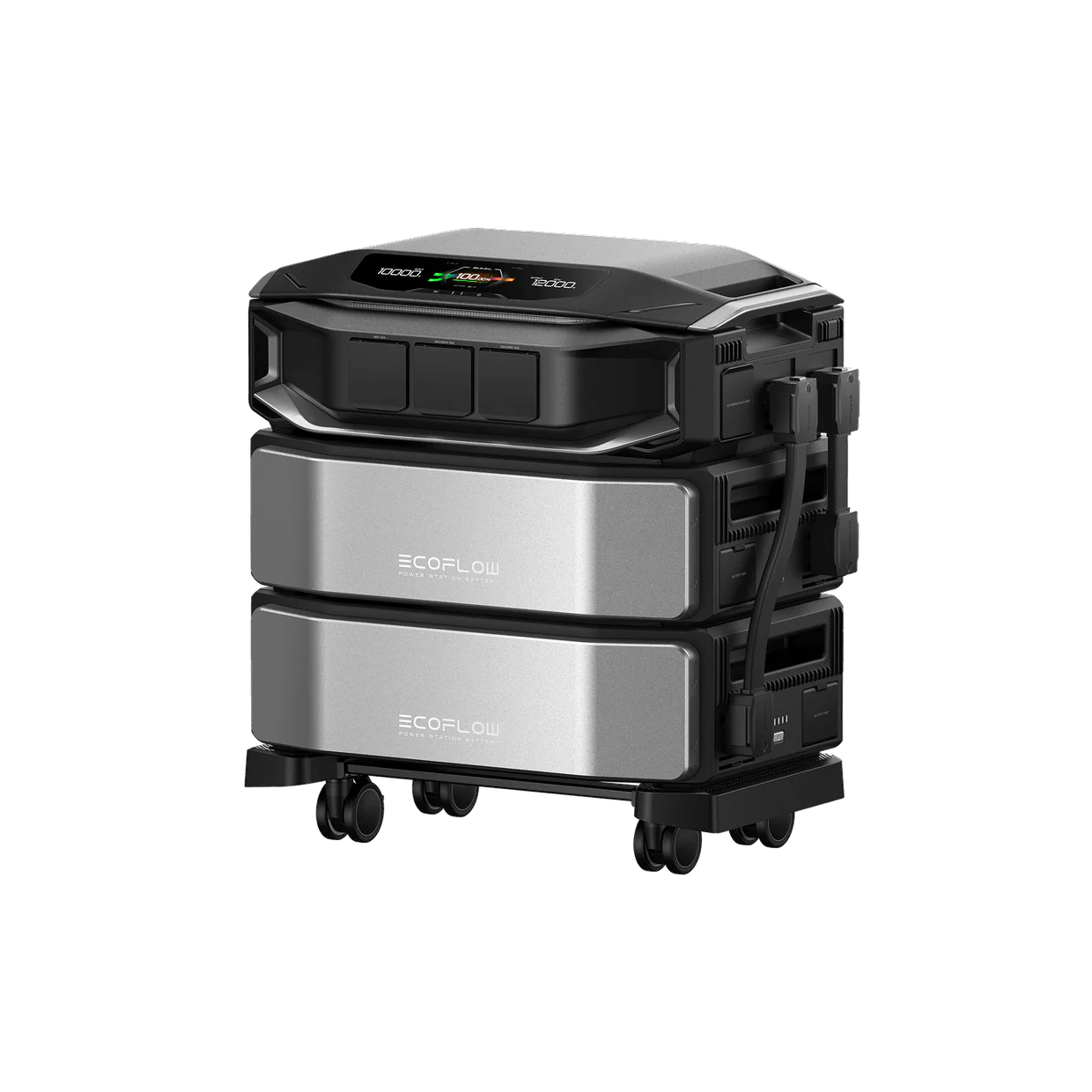
The EcoFlow DELTA 3 Classic covers basic needs during shorter outages and is safe to run indoors with no fumes or noise. For whole-home coverage during extended storms, the EcoFlow DELTA Pro Ultra X keeps critical systems - refrigeration, medical devices, lighting - running for days.
Frequently Asked Questions
At What Wind Speed Does A Storm Become A Hurricane?
A tropical storm officially becomes a tropical cyclone when its maximum sustained wind speed reaches 74 miles per hour (119 km/h or 64 knots). Below that threshold, the weather system is classified as a tropical storm (39 to 73 mph) or tropical depression (38 mph or less).
Is a Cyclone as Bad as a Hurricane?
Cyclones can be just as severe as hurricanes. The storm type is identical; only the location differs. Severity depends on wind speed, storm surge, rainfall, population density, and infrastructure. Regardless of the name, preparation steps are the same: secure your home, stock supplies, and have a reliable power backup ready before storm season.
Safer Homes, Faster Recovery, Reliable Power
Regardless of whether you live in a hurricane, typhoon, or cyclone zone, the need for proper preparation is critical. Tropical cyclones are dangerous, often causing catastrophic damage. Water, food, and power are essential to a thorough plan.
Protect yourself from storm outages with the EcoFlow DELTA Pro Ultra X. This whole-home battery system delivers whole-home backup power to keep your essentials running for days during emergencies. Whether you're in hurricane country or tracking typhoons, the storm mechanics and the preparation are the same.
For press requests or interview opportunities, reach out to our media team
media.na@ecoflow.com