How EcoFlow Is Powering the Off-Grid Cabin Lifestyle Sustainably
- What Is the Off-Grid Cabin Energy Challenge?
- What Defines a Modern Off-Grid Energy System?
- What Role Does Battery Storage Play in an Off-Grid Setup?
- How Does Smart Energy Management Transform Off-Grid Living?
- What Is The Smarter Ecosystem Approach To Off-Grid Power?
- Frequently Asked Questions
- Reliable, Scalable, Sustainable Off-Grid Power With EcoFlow
Living in an off-grid cabin comes with breathtaking views of nature, plus the satisfaction of living on your own. But it does come with stress about electricity and backup power. The good news is that the right setup makes it easier to enjoy remote living without sacrificing convenience—or sustainability.
Here's how a well-designed off-grid energy system can help keep your cabin powered sustainably, whether you're escaping for the weekend or living off-grid year-round.
What Is the Off-Grid Cabin Energy Challenge?
Living a sustainable RV, van, or cabin life requires one thing: energy. Unless you’re living like it’s the 1800s, you need electricity for nighttime lighting, cooking, fans, internet, refrigeration, and heating or cooling.
Many off-gridders relied on gas-powered generators to stay powered. These generators can work, but they also come with fuel costs, noise, and emissions. Storing fuel is also pretty inconvenient if you’re in a remote location.
That's why more cabin owners are turning to solar energy and portable power stations instead. A solar-powered setup can generate electricity during the day, store excess energy for later use, and provide dependable power without the constant drone of an engine running outside.
The challenge is building a system that can handle real-world conditions. Cloudy weather, changing seasons, and higher energy demands during weekends or family gatherings can quickly test an undersized setup. Cabin owners need sufficient battery capacity to keep essential appliances running and enough solar input to recharge their batteries.
What Defines a Modern Off-Grid Energy System?
Instead of relying on a noisy generator as your primary power source, today's systems combine solar generation, battery storage, and smart energy management to create a more reliable setup. They can even serve as a whole-home backup power solution without requiring the pricey fuel and maintenance of traditional systems.
Something like the EcoFlow DELTA Pro 3 Solar Generator is a reliable off-grid energy generator that can power your home for as long as one week during a power outage.
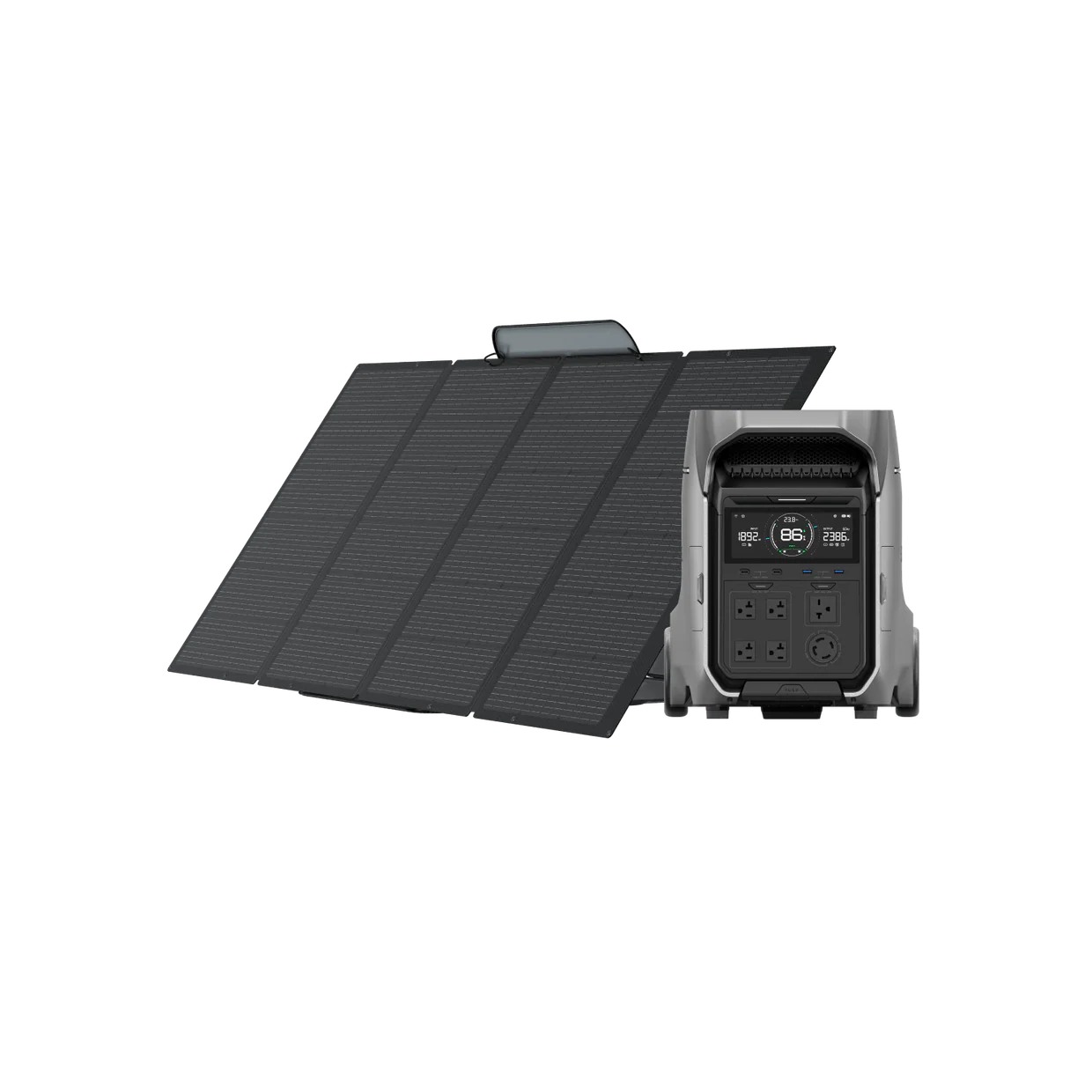
A modern off-grid system includes these components:
Large battery bank: Energy stored in the batteries powers your cabin when the sun isn't shining, whether that's overnight, during storms, or throughout shorter winter days.
Solar panels: During daylight hours, solar panels generate electricity for immediate use and recharge your battery system.
Inverter: This piece of equipment converts stored battery power into electricity your appliances can use.
Flexibility is a must for off-grid energy systems. Go with an expandable system so you can start with your basic needs first. From there, you can add battery capacity or solar panels as your requirements grow.
What Role Does Battery Storage Play in an Off-Grid Setup?
Battery storage is everything when you live off-grid. During the day, solar panels often generate more electricity than your cabin needs at that moment. Battery storage captures that extra energy so you can use it later for lighting, cooking, charging devices, running appliances, or powering essential systems overnight. If you don’t have battery storage, you’ll be short on power the minute the sun sets.
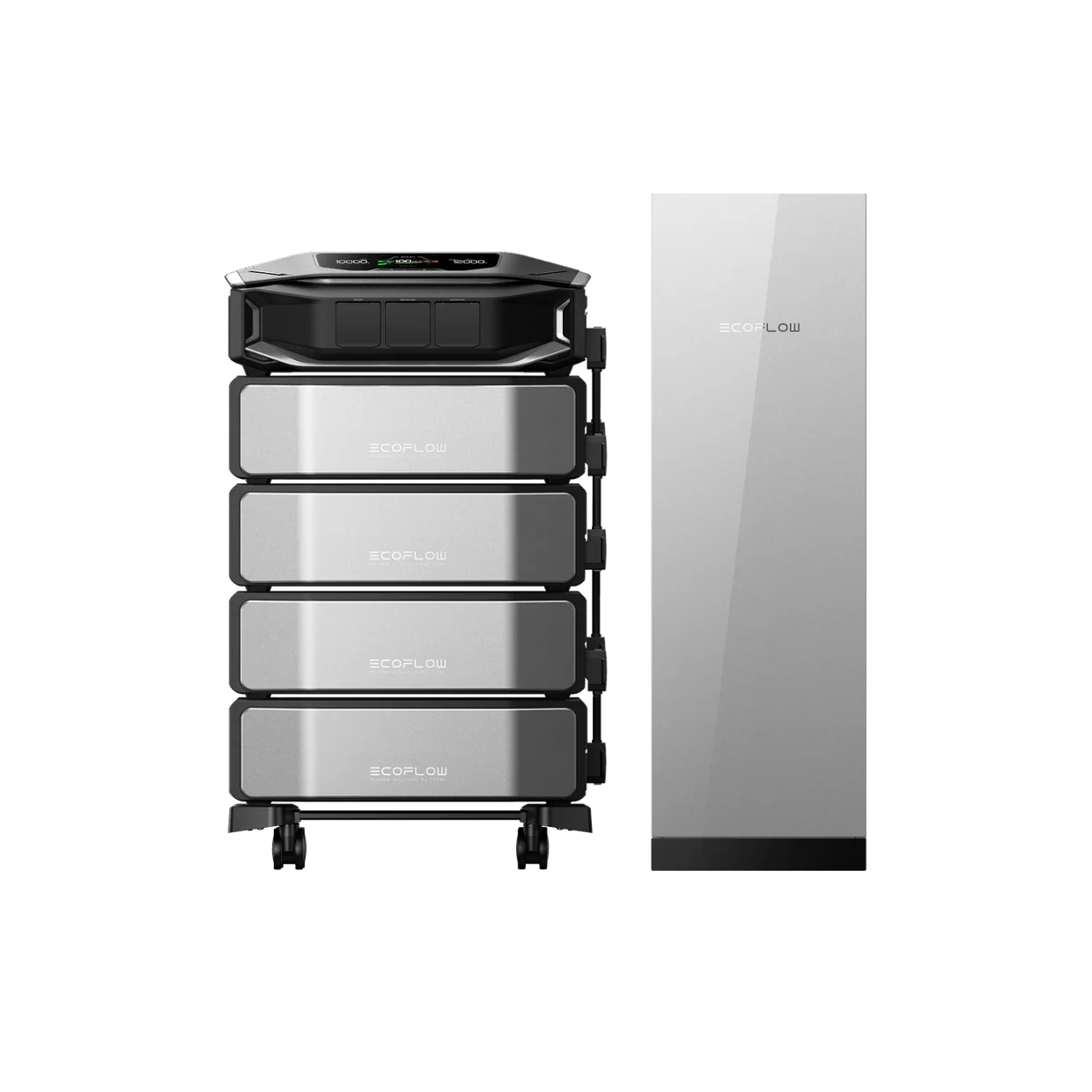
Of course, battery capacity also matters. If you live off-grid full-time, it’s better to slightly oversize your system, so you have backup power no matter what. The EcoFlow DELTA Pro Ultra X is expandable and stores enough energy to keep up with demanding appliances thanks to its 12–36kW output and 12–180kWh capacity.
How Does Smart Energy Management Transform Off-Grid Living?
Living off-grid used to mean constantly thinking about power. You'd keep an eye on fuel levels, watch battery percentages, and carefully decide which appliances could run at the same time. You should still have a rough idea of your energy usage, but smart energy management means you can spend more time enjoying the outdoors and less worrying about power.
Modern energy systems give you real-time visibility into how much power you're generating and using throughout the day. Instead of guessing whether your batteries will last through the night, you can check system performance from your phone and make informed decisions based on actual data.
This technology also makes it straightforward to stay connected even when you live remotely. Reliable internet, laptops, and home office equipment all depend on consistent power. Better monitoring and energy planning make it easier to stay charged and work from anywhere without unexpected interruptions.
What Is The Smarter Ecosystem Approach To Off-Grid Power?
It isn’t enough to buy a battery and a few solar panels and call it a day. If you're building a remote cabin, it's often helpful to think beyond individual products and focus on how your entire energy system will work together. A well-designed off-grid solar kit provides dependable power today while giving you room to grow in the future.
Looking at your power needs as an ecosystem makes it easier to scale up as needed, not to mention design for reliability. Many cabin owners start with basic energy needs, then add appliances, workshops, guest cabins, or remote work equipment later.
If you spend extended periods off-grid, an integrated solar generator is the best foundation for an off-grid ecosystem. For example, the EcoFlow DELTA Pro 3 Solar Generator combines substantial battery storage, solar charging capability, and high-output power delivery in a flexible system that can adapt to changing energy needs.
Frequently Asked Questions
What Size Solar Setup Do I Need For An Off-Grid Cabin?
The right size depends on how much electricity you use. A small weekend cabin that powers lights, device chargers, and a mini fridge will need far less capacity than a full-time off-grid home running kitchen appliances, internet equipment, water pumps, and climate control systems. Start by calculating your daily energy consumption, then choose a solar and battery setup that can comfortably meet those needs.
Can EcoFlow Systems Run High-Wattage Appliances?
Yes. Many EcoFlow systems are designed to power demanding appliances like refrigerators, microwaves, coffee makers, induction cooktops, power tools, and some heating or cooling equipment. The exact appliances you can run will depend on your system's output capacity and battery storage, so it's important to match your power station to your energy demands.
Can I Expand My Battery Capacity Over Time?
Absolutely. Many EcoFlow energy solutions are built with expansion in mind. You can start with a system that meets your current needs and add additional battery capacity as your cabin grows or your energy usage increases. This flexibility makes it easier to spread out your investment while building an off-grid energy system that accommodates future upgrades.
Reliable, Scalable, Sustainable Off-Grid Power With EcoFlow
You don’t have to give up all the comforts of modern life to enjoy a peaceful cabin in the woods. The right combination of solar, battery storage, and energy management will help you enjoy energy independence without relying on fuel generators.
Whether you're creating a simple weekend getaway or a full-time remote home, expandable energy solutions make it easier to build a setup that delivers dependable power now and adapts as your cabin evolves. Explore the EcoFlow DELTA Pro 3 Solar Generator to find the right setup for your off-grid cabin.
For press requests or interview opportunities, reach out to our media team
media.na@ecoflow.com