What Is Community Solar? How It Works, Who Qualifies, and Is It Worth It?
- Community Solar in Plain English: Why It Exists and Who It Helps
- How Community Solar Works: From Solar Farm to Credits on Your Bill
- Who Qualifies for Community Solar Programs in the US
- Is Community Solar Worth It? A Simple Checklist to Decide
- Community Solar vs Rooftop Solar vs Home Backup Power
- Frequently Asked Questions
- Make Your Energy Plan More Flexible With Community Solar and Backup Power
Solar access has historically been tied to rooftop ownership and rooftop arrays, but community solar opens the doors to more ways to enjoy renewable energy, offering clean energy savings opportunities to renters, apartment dwellers, and homeowners with shaded or unsuitable roofs.
With more than 10 GW of community solar capacity installed across the US [1], the sector is expanding rapidly, and you may be considering whether it makes sense for your situation.
Community Solar in Plain English: Why It Exists and Who It Helps
Community solar exists because roughly 42% of US households can't install rooftop arrays due to shared roofs, renting, structural limitations, or insufficient sun exposure.
A developer or utility builds a large off-site solar farm. Then community subscribers buy or lease a share of that farm's output without installing anything on their property. They receive a monthly credit on their utility bill for the energy their share produces, reducing what they owe.
The community solar approach is meant to serve a wide range of participants, including renters, condo owners, low-income households, nonprofits, and small businesses.
How Community Solar Works: From Solar Farm to Credits on Your Bill
Each month, subscribers receive two bills:
One from their utility with the noted reduction due to their credits.
One from the community solar provider, charging for those credits at a discounted rate.
Subscribers typically pay less for the credits than their full retail value, with most programs delivering 5% to 20% off annual electricity costs. Solarize Boston is an example of a community-based enrollment initiative that uses group purchasing and collective outreach to connect residents with local programs.
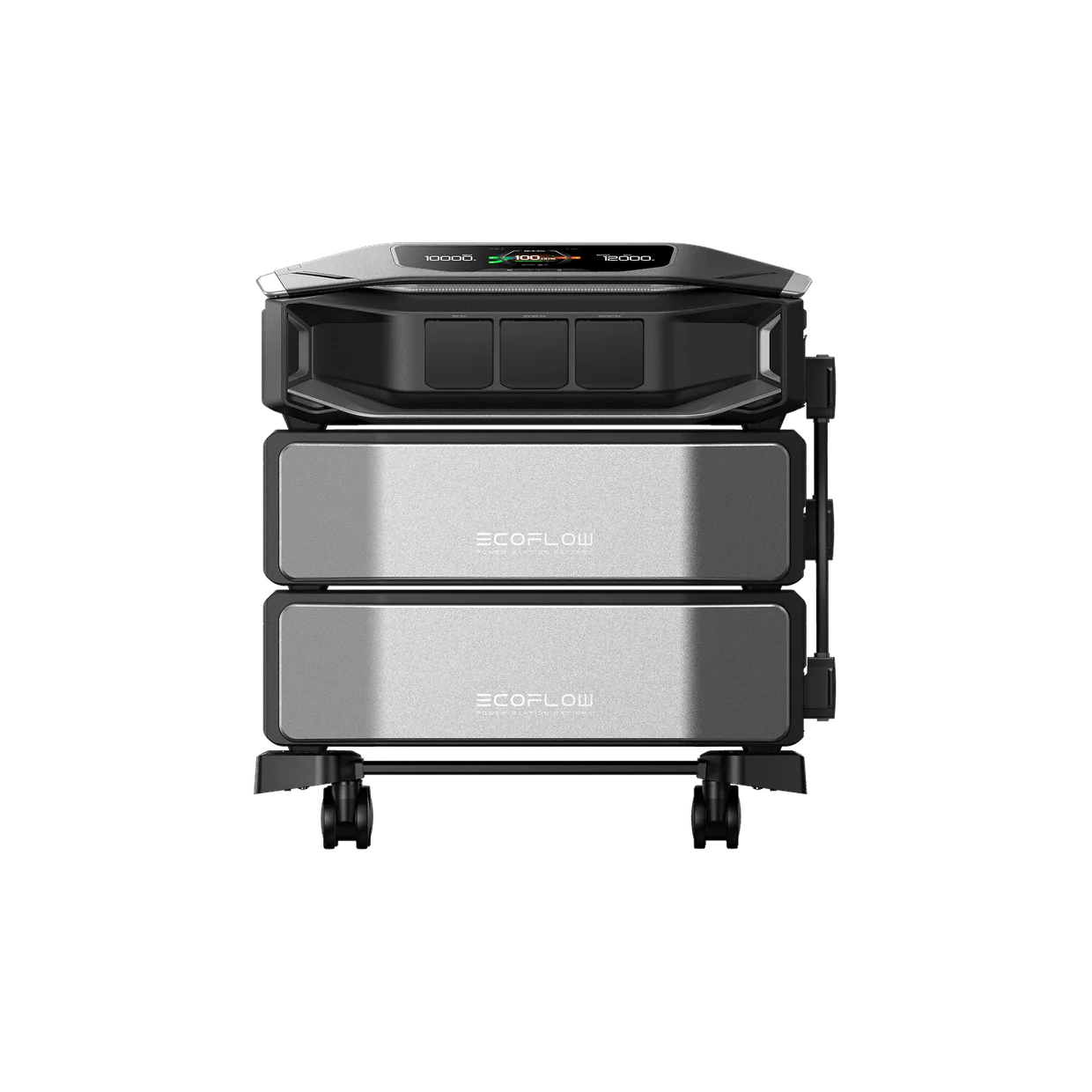
Subscribing to community programs is one of the most accessible ways to buy renewable energy without owning any equipment. You don't need to install anything, maintain anything, and you don't need a roof. That said, community solar doesn't provide backup power during outages — if that's a concern, pairing your subscription with a home battery like the EcoFlow DELTA Pro Ultra X can close that gap.
Who Qualifies for Community Solar Programs in the US
Eligibility is broad on purpose. The Department of Energy defines eligible participants as any utility customer within a program's geographic area. That includes renters, homeowners, businesses, and nonprofits.
Currently, 18 states, plus Washington, DC, have legislation that allows community solar, and 20 of these states also include provisions that specifically protect low- and moderate-income access. Additionally, income-eligible households in states like Illinois, Colorado, and New York can access certain programs with subscriptions available at reduced or no cost.
In most states, the primary requirement is that you're a utility customer in the service territory where the farm is located. It's as simple as that.
Is Community Solar Worth It? A Simple Checklist to Decide
If you…
Have a shaded roof
Or lack the capital for rooftop equipment
And your state has an active community program…
Then it’s worth joining. Just look for cancel-at-any-time clauses and transferability provisions before signing, as some contracts can run 20+ years.
If you…
Own a home with a viable south-facing roof…
Then it makes more sense to invest in a whole-home generator and rooftop solar, as it delivers higher lifetime savings and may qualify for incentive programs to help manage costs.
Community programs reduce monthly bills, but don't provide backup power during outages. If you have reliability concerns, you should consider your own rooftop system paired with battery backup either instead of or alongside your subscription.
Community Solar vs Rooftop Solar vs Home Backup Power
With community solar, there's no upfront cost or installation, and you'll get about 5–20% in bill savings. The downside is that there's no backup capability, and availability is limited by your state and utility territory.
If you opt for a rooftop array, there's a higher upfront cost associated with it, but you can offset up to 100% of your electricity consumption.
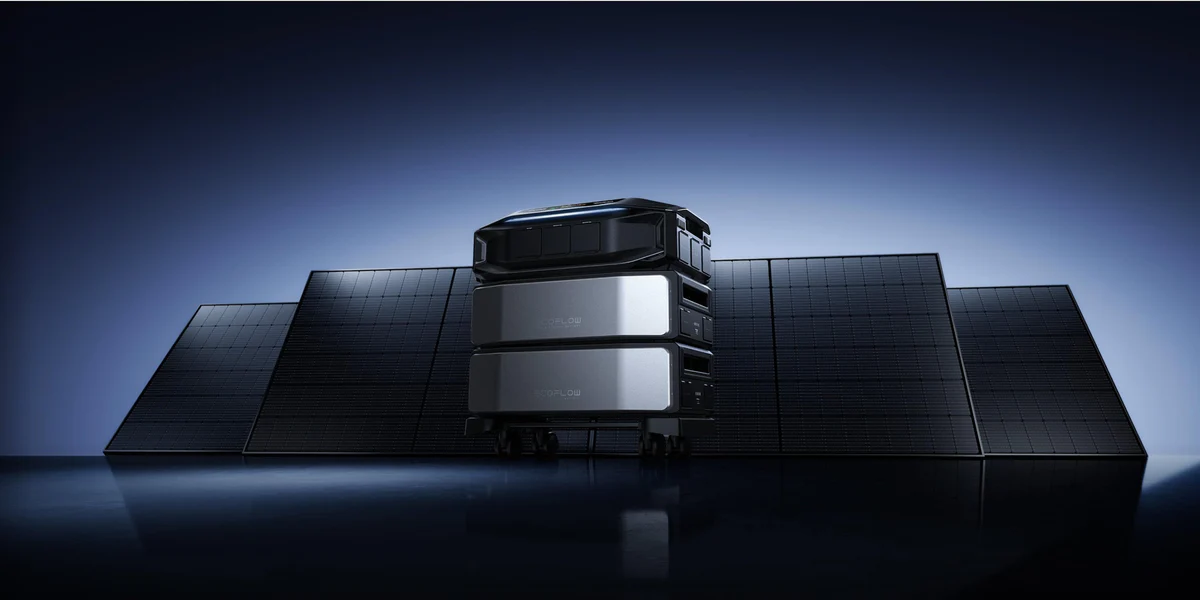
Neither option can provide outage protection if you don't have storage. But if you pair a rooftop array with something like the EcoFlow DELTA Pro Ultra X, you'll enjoy whole-home backup independent of the grid.
Frequently Asked Questions
What Are the Main Types of Community Solar Programs?
Community solar programs typically use a subscription or ownership model, the former being the most common. Subscribers pay a monthly fee for a discounted share of output. With the ownership model, subscribers purchase a portion of the array outright. While less common, it can produce greater savings long-term.
How Do Community Solar Credits Show up on My Utility Bill?
Your subscription credits show up on your bill as a line item, reducing the amount that you owe to the utility that month. You'll pay the community solar provider separately for those credits at a discounted rate, ensuring net savings. Credits are applied monthly and will vary based on peak sun hours.
Can Renters Join Community Solar and Still Get Savings?
Renters are some of the primary intended beneficiaries because they don't need landlord permission, and they don't need to modify their property. Community solar subscriptions are generally portable or cancelable if a renter relocates out of the utility service territory.
How Do I Find Community Solar Projects Near Me?
Start by checking your state energy office or utility website. If your state has an active program, you may be able to find a searchable project map by ZIP code or utility territory. You can also check Solar United Neighbors' vendor-neutral directory, or the DOE's program lookup tool.
Make Your Energy Plan More Flexible With Community Solar and Backup Power
Community solar lowers monthly electricity costs with minimal friction.
The strongest fit for community solar includes renters and households in states with established programs. If you're a homeowner who qualifies for a rooftop array, that might be a better avenue to pursue.
However, these options aren't mutually exclusive. If you're looking to close the outage gap, you can pair a community subscription with a home battery system, combining panels and the EcoFlow DELTA Pro Ultra X so you can enjoy both ongoing savings and protection when the grid goes down.
References:
For press requests or interview opportunities, reach out to our media team
media.na@ecoflow.com