ComEd Chicago Power Outage: Outage Maps, Restoration Times & Safety Tips
The Windy City is home to unpredictable weather. Chicago residents are too familiar with severe summer thunderstorms rolling off Lake Michigan and brutal winter blizzards. Besides dealing with the weather, residents also deal with sudden power interruptions. When the lights go out, knowing just what to do can save you time, stress, and money. This comprehensive guide provides everything you need to respond to a Commonwealth Edison (ComEd) power outage in Chicago. This guide will show you how to track outages using ComEd power outage maps, estimate restoration timelines, and keep your home safe. Plus, it explains how to implement smart backup power solutions so your home is better prepared for future outages.
Information in this guide is based on publicly available outage resources from Commonwealth Edison (ComEd), emergency preparedness recommendations from FEMA, and general outage-response practices used throughout Illinois.
Why Are Power Outages Common in Chicago?
Chicago’s location and aging infrastructure make it vulnerable to storms and power interruptions. ComEd is working continuously to upgrade the system, but localized system failures still occur, meaning a sudden Chicago power outage can regularly leave neighborhoods in the dark.
Severe Storms, High Winds, and Lightning Damage
Midwestern weather is notoriously volatile. Chicago summers frequently have intense derecho winds, severe thunderstorms, and lightning strikes. These can instantly snap utility poles and damage transformers. In the winter, ice storms bring frozen rain that weighs down lines until they snap. Keeping a reliable portable power station ready at home ensures you have immediate access to electricity the moment these volatile seasonal storms compromise local distribution lines.
Aging Grid Infrastructure and Equipment Failures
Many parts of Chicago’s electrical infrastructure have been weathering the elements for decades. The electrical infrastructure is being upgraded, but there are still many aging transformers. These may be more vulnerable to failure, especially during peak cooling seasons in July and August.
Tree and Wildlife Interference With Power Lines
The large trees in historic neighborhoods like Lincoln Square, Hyde Park, or Beverly are beautiful. Unfortunately, these large tree branches frequently clash with overhead power lines. Strong wind gusts push these branches into live wires causing outages. On occasion, even the local wildlife, mainly squirrels, cause short circuits at neighborhood substations.
How Can You Track and Report ComEd Power Outages?
When a blackout happens, gathering real-time regional data and immediately notifying the utility are critical first steps. ComEd provides several integrated digital tools and automated channels that allow Chicago residents to monitor grid status and report active infrastructure failures directly from their smartphones.
Access the Official ComEd Outage Map
The interactive ComEd Outage Map remains the most reliable primary source for tracking active grid recovery. Learning how to use the ComEd Outage Map features ahead of time allows you to interpret the interface seamlessly via mobile browsers or the desktop platform. This digital portal employs color-coded boundaries and icons to illustrate the exact location, scale, and customer impact of active service interruptions across Chicago neighborhoods and surrounding suburbs.
Check the ComEd Mobile App
The official ComEd mobile app streamlines emergency communications by allowing customers to manage their accounts completely off-grid. If your home internet goes down, the app provides a rapid portal to view specialized grid diagnostics, check whether field repair crews have arrived on-site, and receive push notifications to stay informed on the changing ComEd outage status.
Report Your Outage and Sign Up for Real-Time Alerts
Never assume your neighbors have already reported the issue. You can quickly report an outage by texting OUT to 26633, or calling 1-800-EDISON-1 (1-800-334-7661). You can also use the “Report an Outage” quick-link on the ComEd mobile app. Once reported, enrolling in ComEd Outage Alerts ensures you receive proactive text or email updates containing field updates and shifting Estimated Times of Restoration (ETR).
Monitor Local Emergency Updates and Social Media
During large-scale weather events, you can find current status through local government agencies, emergency management offices, and Chicago-area news stations. These will provide more information about road closures, storm damage, and restoration efforts. Another source for information is the company’s official social media accounts.
How Long Does It Take ComEd to Restore Power?
When the power goes out, your first question is how long. Waiting for the grid to come back online can be frustrating. It helps manage expectations if you understand how ComEd responds to these emergencies.
Typical Power Restoration Timelines
ComEd usually restores power within 2 to 4 hours for minor localized outages. However, when severe multi-county weather strikes, there’s often much more to deal with. First crews may have to clear debris and rebuild damaged infrastructure so that recovery times are extended to 24 hours or even multiple days.
How ComEd Prioritizes Restoration Efforts
ComEd follows a strict emergency hierarchy to restore power efficiently. First, they prioritize high-voltage transmission lines. This is followed by critical infrastructure like hospitals, police stations, and water treatment plants. As soon as possible after these they move to high-density residential blocks and individual service lines.
Why Your Estimated Restoration Time Might Change
Initial ETRs (Estimated Time to Restoration) are from automated algorithms based on early field data. As field crews physically arrive they can assess the actual damage, and whether it’s structural or equipment related. It could be a snapped pole or a tripped fuse. Based on the reports, the estimated timeline will be updated.
Key Factors That Delay Power Crews
Repair crews often face a very difficult situation for work. It can be a physical battle against the elements. There can be flooded roads and fallen trees blocking utility trucks that have to be cleared. There’s often sustained high winds that make it unsafe to operate elevated bucket trucks needed for the repair. And in the winter, extreme sub-zero temperatures with the wind can drastically slow down repair crews.
What Should You Do During a Power Outage?
Your family’s comfort and safety depend on how you react and manage your home during a power outage. If you take systematic steps you can prevent property damage and keep daily life manageable.
Keep Communication and Emergency Lighting Running
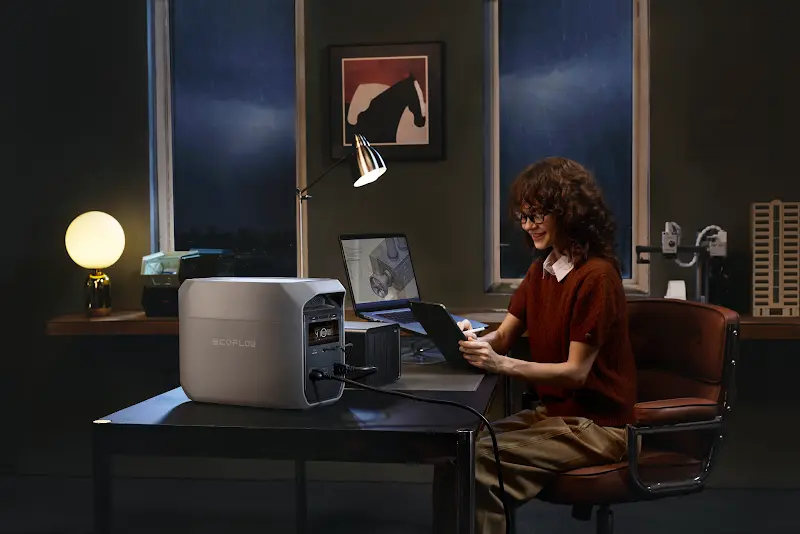
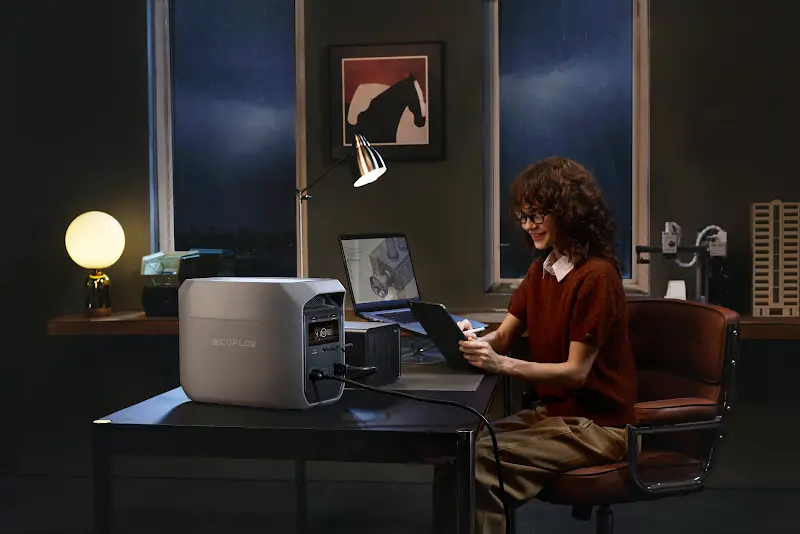
During a blackout, keeping your communication channels open and having basic lighting are critical priorities for any household. Smartphones and laptops are vital for monitoring ComEd outage updates and local weather alerts along with home Wi-Fi networks. You also need LED lights to make sure you can move safely around the house at night. A portable power station like the EcoFlow DELTA 3 Classic Portable Power Station (1024Wh) can help keep these essential devices powered during an outage. It delivers reliable, clean power simultaneously to your phones, Wi-Fi router, and emergency LED lights. This allows your family to maintain communication and lighting.
Protect Your Home From Power Surges
Power is often unstable during a storm and sudden voltage spikes can permanently damage expensive appliances. Unplug delicate electronics like computers, smart TVs, and game consoles immediately if power is going off and on again. Leave one light switch turned on so you know when power is restored and stable.
Maintain Essential Appliances During Extended Outages
Spring thunderstorms and heavy rainfall events around Chicago can cause basement flooding. This is often a bigger concern than the loss of lighting and power.
Severe storms can cause prolonged power outages that stretch into several days. This means households are faced with bigger problems. You need to keep refrigerators and freezers running to prevent food spoilage. But for Chicago residents in areas likely to see flooding, keeping a sump pump running is absolutely non-negotiable. Flooding can cause a major expense to repair.
In these critical scenarios, deploying the heavy-duty EcoFlow DELTA Pro 3 + 400W Portable Solar Panel setup can be an excellent home backup solution. It can help support high-power appliances such as refrigerators and sump pumps, depending on system configuration and energy demand. The system uses solar power to recharge during the day. This way your household can maintain basic standards of living and safety during an extended grid failure.
Stay Safe With Basic Emergency Practices
Safety should always come first, especially during a blackout. Keep refrigerator doors closed firmly to keep food safe. Never use a charcoal grill or gas generator indoors due to carbon monoxide hazards. Always keep a close eye on vulnerable family members and pets if indoor temperatures get too high, or too low.


How Can You Prepare for Future Outages?
The best time to prepare for a major grid failure is long before the first storm. A proactive home readiness plan identifies and mitigates risks before they’re needed.
Plan a Multi-Day Energy and Supply Kit
Put together an emergency kit stocked with all essential items for an extended outage. This includes non-perishable food, a gallon of water per person per day, a manual can opener, flashlights and LED lanterns, a first-aid kit, and essential medications. Make sure you have backup batteries and a hand-crank weather radio to track local updates. Cross-referencing your storage with a pre-made power outage emergency supply kit checklist ensures you do not overlook core survival essentials.
Invest in a Whole-Home Backup System
If you want simplicity and peace of mind, avoid the traditional gas generators that are noisy and require maintenance. Instead, install an eco-friendly solar generator network or battery backup system in your home. This can provide backup power during outages and may support automatic transfer when paired with compatible home integration equipment.
Install Long-Term Electrical Protection Systems
Protect your home with the right systems. Install a whole-house surge protector directly on your main electrical panel to reduce external grid spikes. Invest in a dedicated battery backup system for critical devices like your sump pump and refrigerator.
Create a Family Charging Plan
Ensure everyone in your home knows what to do when a storm hits. Designate a location that everyone knows where emergency power stations and fully charged power banks are kept. This ensures your family can easily grab a backup to keep their phones working.
Conclusion
ComEd constantly works hard to maintain Chicago’s power grid. But unexpected outages are an inevitable part of living in Northern Illinois. Responding to these situations safely comes down to having timely information and the right equipment. Familiarize yourself on how to utilize ComEd’s live maps and understand the restoration process. Beyond this, consider a backup power solution for essential household needs. With this you can protect your appliances, keep your basement dry, and keep your family comfortable. You never know what the Chicago weather throws your way, so be prepared.
FAQ
How Long Can a Freezer Go Without Power?
A full, unopened freezer will typically maintain its temperature and keep food safe for about 48 hours without electricity. If the freezer is only half-full, it will hold safe temperatures for approximately 24 hours, provided you keep the door completely closed to prevent cold air from escaping.
Can I Use My Solar Panels During a Power Outage?
No, standard grid-tied solar panel systems will automatically shut down during a power outage for safety reasons. To protect utility crews working on downstream lines, grid-tied solar systems are legally required to stop producing power unless they are paired with a specialized storage system or smart inverter capable of isolating your home from the grid.
What to Do if Your Sump Pump Stops Working During a Storm?
You should immediately connect your sump pump to a reliable portable power station or battery backup system to prevent basement flooding. If you do not have emergency backup power available, use a manual utility pump or bucket to remove water from the pit, and contact an emergency plumber if water levels continue to rise dangerously.
Why Do I Not Have Power but My Neighbors Do?
Your home may be on a completely different electrical circuit or transformer tap than your neighbors across the street. Alternatively, a localized issue could be at play, such as a blown fuse on your specific service drop line or physical damage to the electrical mast attached directly to your house.
How Do I Report a Downed Power Line in Chicago?
You must call ComEd immediately at 1-800-EDISON-1 (1-800-334-7661) or dial 911 if the downed line poses an immediate threat to public safety. Always stay at least 35 feet away from any downed power wire, treat every fallen cable as a live and highly dangerous hazard, and never attempt to move it yourself.
For press requests or interview opportunities, reach out to our media team
media.na@ecoflow.com