CenterPoint Power Outage: Check the Map, Report Issues, and Prepare for Blackouts
When a severe storm sweeps through Texas, losing power is often just the initial challenge. For millions of CenterPoint Energy customers, a sudden blackout requires quickly tracking the damage using the live CenterPoint Energy Outage Tracker and taking immediate safety measures. Whether you are navigating the aftermath of a Gulf Coast hurricane or dealing with a localized circuit failure in the Houston metro area, understanding the recovery process is vital. This guide delivers actionable steps to interpret CenterPoint’s digital tracking tools, report unlisted service drops, analyze regional grid failure mechanics, and maintain household safety until utility crews restore primary power lines.
How Do You Check CenterPoint Outage Status and Updates?
When primary voltage drops, it is critical to gather immediate information about the scope and expected duration of the outage. CenterPoint deploys several digital infrastructure tracking systems to stream real-time updates to consumers, eliminating guesswork during extended outages.
Open the CenterPoint Outage Tracker
Your primary window into active grid failures is CenterPoint’s online interactive outage map, which remains accessible via mobile browsers and desktop systems. The tracking platform utilizes color coded geographic clusters to illustrate the concentration of active service interruptions across their entire Texas territory, offering a rapid visual summary of regional damage. If you want a step-by-step walkthrough on using the map, check out our guide on viewing and navigating the CenterPoint Energy outage map.
Search Your Service Address
To bypass wide regional statistics and pinpoint your immediate surroundings, deploy the platform’s address search function. Inputting your specific street coordinate or five-digit ZIP code focuses the interface directly onto your block, confirming whether CenterPoint’s automated infrastructure has officially registered the localized failure.
Check Estimated Restoration Times
Selecting the active outage icon for your designated sector reveals critical repair timeline metrics. CenterPoint operations crews update these database fields with an Estimated Time of Restoration (ETR) as soon as field technicians complete initial damage assessments. During major system failures, these preliminary timelines can shift based on weather safety conditions and crew availability.
Report an Outage That Is Not Listed
If your home has no power but your address appears active on the digital tracker, don’t assume the system has already detected the outage. Log the disruption immediately through the online portal or via their dedicated reporting line to ensure your specific circuit placement enters the active utility repair queue.
What Causes Major CenterPoint Power Outages?
The Texas Gulf Coast encounters volatile meteorological events that routinely challenge municipal infrastructure. CenterPoint’s transmission network is constantly exposed to severe environmental forces that can compromise physical distribution hardware in moments.
Hurricanes and Tropical Storms
Tropical weather systems represent the primary driver of widespread, multi-day coastal blackouts. High sustained winds easily topple heavy transmission towers and hurl mature tree limbs into overhead distribution lines, frequently requiring utility crews to rebuild entire segments of the regional grid from scratch.
Severe Thunderstorms and Lightning
Routine spring and summer supercells bring destructive straight line winds and intense cloud-to-ground lightning strikes across Texas counties. A single direct strike can compromise a neighborhood transformer instantly. Having a home solar generator as a backup provides an independent energy source during these localized grid failures, helping maintain essential power until repairs are completed. Meanwhile, localized wind shear can snap older utility poles, causing isolated pockets of severe infrastructure damage.
Flooding Around Electrical Equipment
The Houston metro area’s vulnerability to heavy downpours introduces significant operational risks to ground-level and underground electrical infrastructure. When substations or pad-mounted transformers become submerged in deep floodwaters, automated safety systems trip intentionally to prevent catastrophic short circuits, and crews cannot access the gear until high waters recede.
Extreme Heat and Grid Stress
Relentless, triple digit Texas heatwaves drive localized air conditioning demand to historic peaks. During a Texas power outage, this sustained collective load places severe thermal strain on neighborhood grid infrastructure, causing localized transformers to overheat and fail during high-demand periods.
How Can You Keep Your Home Running During Extended Outages?
When an infrastructure failure transitions from a brief inconvenience into a multi-day disruption, maintaining basic domestic utility functions becomes essential. Having an organized emergency plan and using safe indoor backup power helps protect your household during extended outages.
Power Essential Cooling Devices
In Texas, managing the extreme heat that sets in immediately after a storm clears represents a major safety priority. When indoor temperatures rise quickly under a blazing sun, operating circulating fans and portable cooling units becomes vital to protect family members from heat stress.
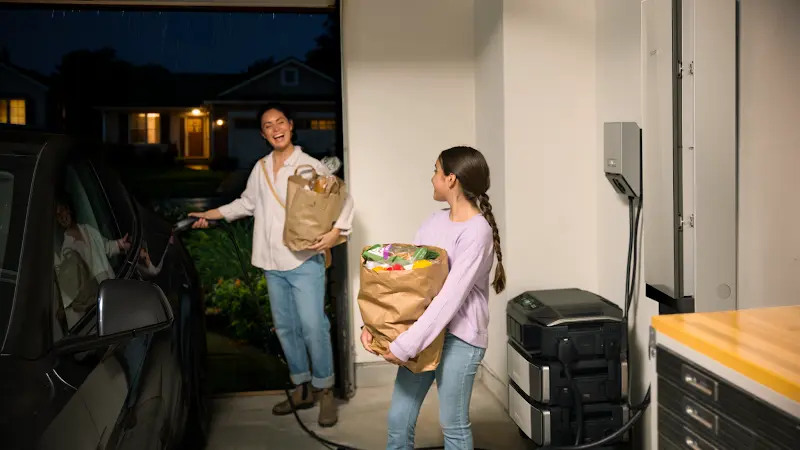
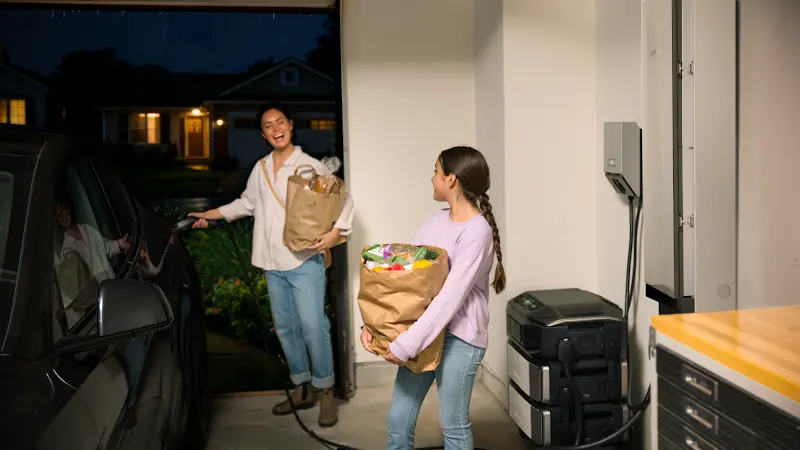
To maintain a live cooling loop without relying on noisy combustion equipment, homeowners integrate high capacity, solid state backup options into their properties. A solution like the EcoFlow DELTA Pro Ultra X Whole-Home Backup Power can help provide backup power for essential household appliances during outages, helping households maintain access to critical loads while utility crews restore service.
Maintain Access to Emergency Information
Sustaining open communication networks during a regional crisis requires independent power reserves. Keeping smartphones, tablets, and emergency weather radios fully charged ensures you can monitor changing weather conditions and CenterPoint restoration alerts, making a compact portable power bank a useful backup resource during outages.
Prepare for Multi-Day Power Loss
Severe weather fronts can easily deactivate local distribution lines for a weekend or an entire week. As an outage extends, everyday electronics drain completely, turning routine domestic power access into a significant challenge that requires a sustainable, long-term backup strategy.
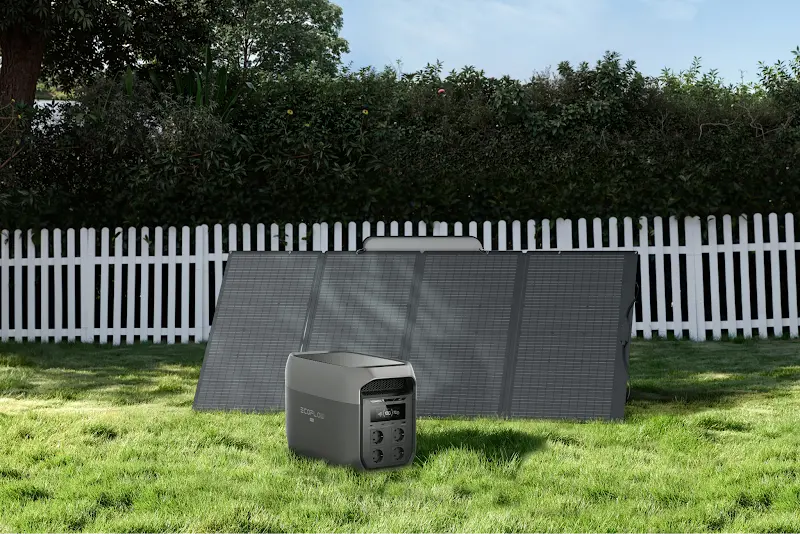
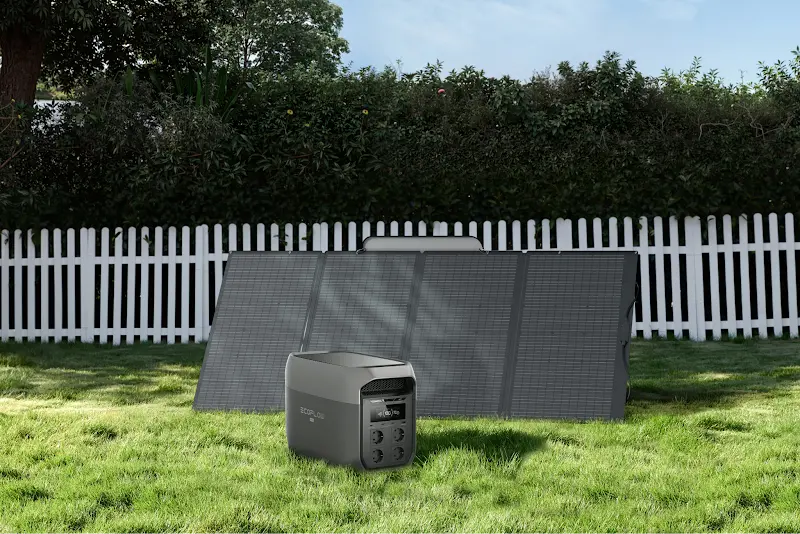
For extended outages, the EcoFlow DELTA 3 Max (2048Wh) + 400W Solar Panel combination offers a renewable off-grid solution. This configuration captures solar energy during daylight hours to run core electronics, power area lighting, and recharge household communication assets, helping your family stay connected and functional when grid restoration timelines stretch beyond initial estimates.
What Should You Do While Waiting for Power to Return?
Managing the hours spent waiting for grid recovery requires careful monitoring of household resources and internal environments to mitigate property damage and prevent personal injury.
Protect Food and Medications
Enforce a strict policy of keeping refrigerator and freezer doors sealed to preserve internal cold air. An unopened refrigerator compartment maintains safe food storage parameters for up to 4 hours, while a full, closed freezer insulates frozen items for roughly 48 hours. Store temperature sensitive medical assets, such as insulin, inside a small, dedicated cooler packed with ice sheets.
Monitor CenterPoint Updates
Track CenterPoint’s digital channels for real-time status updates within your specific ZIP code. While enrolling in CenterPoint’s official Power Alert Service (PAS) provides direct text, email, or phone notifications the moment field crews update your sector’s repair status, keeping an eye on the interactive CenterPoint Outage Map helps cross-reference visual damage patterns in real time.
Limit Unnecessary Power Use
Disconnect sensitive electronic components, such as computing setups, television screens, and major appliances, from wall outlets immediately. When primary grid distribution resumes, the initial return of current can induce high voltage surges; leaving a single, expendable low-draw light bulb flipped “on” provides a safe visual indicator of grid recovery without risking expensive hardware.
Avoid Common Safety Hazards
Never operate charcoal grills, camping stoves, or combustion generators inside residential interiors, garage spaces, or near open windows due to the fatal risks of carbon monoxide accumulation. Position portable gas generators outdoors at least 20 feet away from the structure, and treat every downed power line as a live, high voltage hazard by maintaining a safe distance and alerting emergency services.
How Can You Prepare Before the Next Major Outage?
The most effective window to secure your home against a major infrastructure disruption is weeks before severe weather systems move inland. Proactive planning reduces logistical friction and reinforces household resilience during a crisis.
Build an Emergency Supply Kit
Consolidate survival essentials into a central, accessible location ahead of the seasonal storm cycle. Your inventory should include a three-day reserve of non-perishable food and potable water (calculated at one gallon per individual per day), functional flashlights, fresh batteries, a comprehensive first-aid kit, and a manual can opener.
Store Backup Power Before Storm Season
Securing residential backup power assets before severe weather enters the Gulf allows you to avoid retail shortages and shipping delays. Including a portable power station in your hurricane prep kit provides immediate access to electricity when the grid goes down, without the noise or fumes of a gas generator. Evaluating your household’s critical wattage requirements early ensures you select the correct solid state power systems or solar configurations calmly, helping households prepare for outages with greater confidence.
Review Your Family Emergency Plan
Gather household members to establish explicit operational protocols for grid failures. Designate specific meeting locations if local communication networks drop, verify that everyone knows where safety gear is stored, and ensure all family members understand how to operate the garage door manual release mechanism.
Conclusion
A sudden CenterPoint grid failure doesn’t mean you’re stuck sitting helplessly in a dark, sweltering room. By familiarizing yourself with online mapping tools, knowing what threatens the local infrastructure, and keeping a solid emergency plan ready, you can manage your household safely during outages.
Power outages along the Texas Gulf Coast can occur during severe weather events and periods of high grid stress. Essentially, investing in a reliable backup power system helps maintain essential functions. It keeps your vital appliances running, powers your phones, and ensures your family stays safe and comfortable when the municipal grid drops out.
FAQ
Can I Get Reimbursed for Food I Lost Due to Power Outages?
CenterPoint Energy will not pay for food spoilage caused by storms or weather disruptions. In most cases, utility companies classify major weather systems as acts of nature completely outside their operational control. So if you want to recoup those costs, you’ll need to file a claim through your personal homeowners or renters insurance policy, provided your specific coverage allows for it.
Why Did My Power Go Out but Not My Neighbors?
It comes down to how local distribution lines are wired. Your house and the house across the street might run on entirely different electrical circuits, local transformers, or main feeder lines. Because municipal grids are mapped out in complex, interlaced patterns, a fallen tree branch can easily take down the specific line segment feeding your property while leaving the adjacent neighborhood circuit completely untouched.
How Long Does It Take for Food to Spoil if Power Is Out?
Perishable groceries inside a standard refrigerator start spoiling after four hours if the doors stay shut. Freezers provide a much better buffer. A half full, closed freezer will keep items frozen for roughly 24 hours, and a completely packed unit can maintain safe temperatures for up to 48 hours, but you should still check each item individually before eating once power is fully restored.
What to Do if Your Power Keeps Going on and Off?
Walk through your home and immediately pull the plugs on major appliances and sensitive electronics. This rapid flickering usually happens because automated grid switches are trying to clear a line fault somewhere nearby. That constant on and off cycling creates quick electrical spikes that can potentially damage sensitive electronic components.
How Many Days Can a Power Outage Last?
A blackout can wrap up in two hours or stretch out past a full week. Another thing to keep in mind is the sheer scale of the physical damage. Replacing a simple neighborhood transformer takes a field crew less than a day, but rebuilding miles of downed transmission lines after a major hurricane requires thousands of utility workers doing intense manual labor for weeks.
For press requests or interview opportunities, reach out to our media team
media.na@ecoflow.com