Car Camping Power Setup: Charging Gear from Your Vehicle
- Why Charge Your Camping Gear from Your Car?
- What Are Your Options for Charging Gear from Your Vehicle?
- What Devices Can You Realistically Power from Your Car?
- Will Charging Gear from Your Car Drain Your Starter Battery?
- How Do Portable Power Stations Make Vehicle Charging Safer and Easier?
- How Can Solar Panels Supplement Your Vehicle Charging Setup?
- Frequently Asked Questions
- The Right Vehicle Charging Setup Keeps Your Car Camping Gear Powered and Ready
When you're making your camping plan, the goal is always to minimize bulk and maximize efficiency. Your parked car already carries a built-in power source that can help run your gear, making it more than just a means of transportation.
Car charging options range from the factory V12 outlet that’s already built-in, to alternator chargers and dedicated portable power stations. Choosing the right setup depends on how much you need to run and how long you’ll be off-grid.
Why Charge Your Camping Gear from Your Car?
Vehicle-based charging avoids hauling a fuel generator along with its noise, exhaust, and refueling logistics. You can cover all the basics, like phone and camera charging, GPS and lighting, and even higher draw items like a cooler.
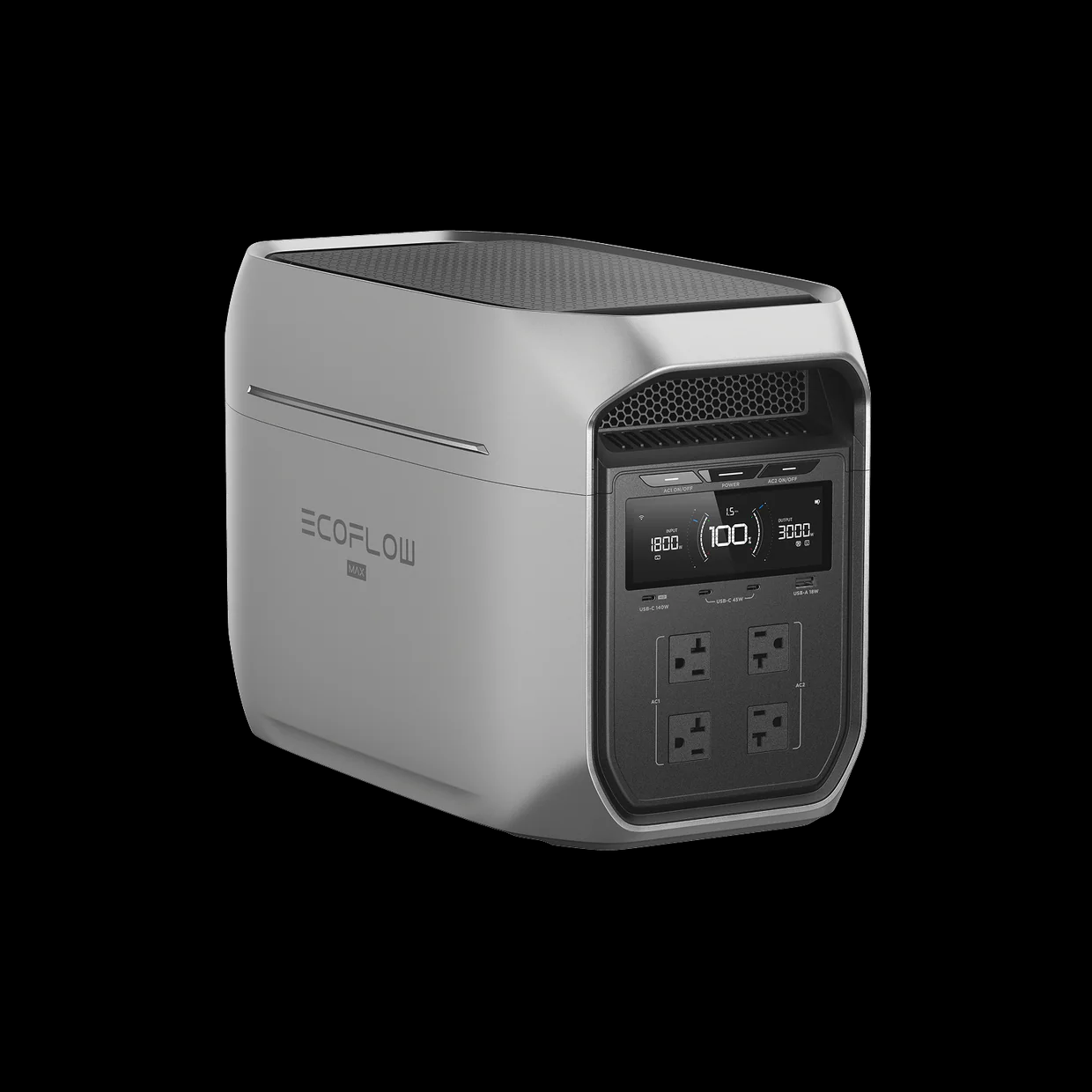
A unit like the EcoFlow DELTA 3 Max (2048Wh) can recharge fully from your car and then run your gear independently once parked at camp. It can also be paired with solar panels for additional recharging during the day.
Letting your vehicle handle the charging duty while you drive also frees up battery capacity for use after the engine is off.
What Are Your Options for Charging Gear from Your Vehicle?
Many campers land on some mix of these three vehicle charging options, depending on the trip length and vehicle type.
12V/DC Outlet and Power Inverters
12V outlets are fused for modest loads and typically top out well under 200W of continuous power. An inverter can convert that DC output into AC for standard plugging devices, but the efficiency loss wastes some power as heat.
Car charging through the cigarette lighter port is also an option, but this is the slowest common method and is best used only for phones or small electronic.
Portable Power Stations Charged via Your Car
A Portable Power Station (PPS) can recharge using that 12V port, a dedicated alternator charger, or wall/solar input (depending on the unit). You can find compact and lightweight options that don't take up too much room in the car, and are liftable in and out of a trunk without special equipment.
One of the biggest benefits of a Portable Power Station (PPS) is that it stores power for later use, unlike an inverter that runs straight off a running engine.
Dual-Battery and Battery Isolator Systems
You could also add a second house battery wired through a battery isolator system or smart relay, so your accessory loads never pull from your starter battery. The isolator connects the batteries while your engine runs, letting the alternator charge both, and then separates them once it's off.
It's a bit more involved to install than a plug-in power station, and this option is typically reserved if your vehicle is running heavier or longer-term accessory loads.
What Devices Can You Realistically Power from Your Car?
Small devices: Phones, cameras, GPS units (5-20W)
Mid-range devices: Laptops and tablets (30–90W)
Larger devices: Car fridge, CPAP machine (30–100W with a more continuous draw, generally require a dedicated battery reserve)
Higher-draw gear: Portable coffee maker (800–1200W, requires a PPS rated well above the appliance’s wattage)
Will Charging Gear from Your Car Drain Your Starter Battery?
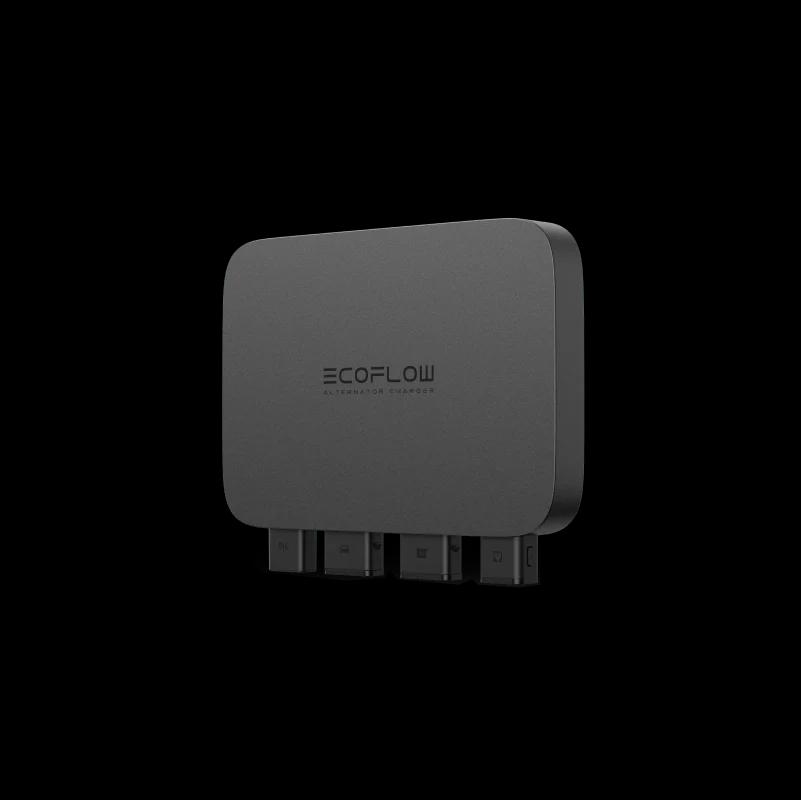
An alternator charger is built specifically to pull from the alternator's output rather than the battery, so it charges devices without drawing down the car battery. Using the 12V port draws current whenever the key is on, but it's a modest enough draw that it won't significantly affect starting power on a running engine. Avoid leaving accessories running when the engine is off.
If your battery does go flat, follow AAA’s jump-starting guidance: use jumper cables to start it, then run the vehicle for about 30 minutes to give your alternator time to recharge the vehicle's battery.
How Do Portable Power Stations Make Vehicle Charging Safer and Easier?
If you’re car camping, using a PPS can make charging from your vehicle safer and easier, thanks to:
A built-in battery management system that regulates charge rate and temperature, and reduces the risk of overcharging or overheating
No exhaust or open flame, so it’s safe to run inside a car or tent
Multiple charging inputs, so a station can recharge opportunistically throughout a trip
Fast auto-switching circuitry to keep sensitive electronics safe through brief interruptions
How Can Solar Panels Supplement Your Vehicle Charging Setup?
Packing a foldable solar panel along with your power station gives you an extra charging source that doesn't depend on driving time or outlet access. It's ideal to top up your power at camp during the day, complementing car-based charging rather than replacing it.
Frequently Asked Questions
Can You Charge a Portable Power Station from Your Car?
Yes, most portable power stations can plug into the 12V port, though charging is slow that way. Using a dedicated alternator charger speeds up the process by drawing directly from the alternator, making it a better fit for larger capacity stations.
Will Running a Power Inverter Drain My Car Battery?
If you run an inverter off the 12V port while the engine is on, it will draw from the alternator's output and not the battery reserve. However, if you run one with the engine off for extended periods, it can draw the battery down, since there's no alternator to replenish the charge.
Do You Need a Dual-Battery System for Car Camping?
For most weekend trips, you don't need a dual battery system, but it makes more sense if you're taking an extended off-grid trip or bringing heavier continuous loads, like a full-time fridge. For short trips, a portable power station charged via the car typically covers your needs.
How Long Does It Take to Charge a Power Station While Driving?
Charge time depends on the method. A 12-week port charges slowly and can take several hours for a substantial top-up. A dedicated alternator charger can replenish around 1 kWh in roughly 1.3 hours, making longer drives between stops a good window to recharge.
The Right Vehicle Charging Setup Keeps Your Car Camping Gear Powered and Ready
Carefully match your charging method to your real power needs to avoid over- or under-building your car camping power setup. Consider combining a car-charged power station with solar or an alternator charger to cover most of your weekend-to-week-long trips without the bulk, noise, and fuel logistics of a traditional generator.
If you're ready to simplify your camping power setup, the EcoFlow DELTA 3 Max (2048Wh) offers a car and solar-compatible option that works well for most vehicle charging needs.
For press requests or interview opportunities, reach out to our media team
media.na@ecoflow.com