California SGIP Battery Rebate 2026: How to Apply and How Much You Can Get
- What the California SGIP Battery Rebate Covers in 2026
- SGIP Eligibility Rules That Determine Your Rebate Amount
- How the SGIP Rebate Is Calculated and What You Can Realistically Expect
- How to Apply for SGIP Step by Step Without Delays
- Choosing and Sizing a Battery System to Maximize SGIP Value
- Frequently Asked Questions
- Turn SGIP Savings Into Reliable Backup Power for Your Home
The California SGIP battery rebate can cover most or all of the cost of a solar-battery installation, but funding is nearly exhausted. In 2026, the program is limited to low-income and vulnerable households. If you qualify, you could receive up to $1,100 per kWh on battery storage and $3,100 per kW on solar.
This guide covers eligibility, rebate amounts, and how to apply before the window closes.
What the California SGIP Battery Rebate Covers in 2026
Originally, the SGIP covered a broad range of technologies, from wind turbines to internal combustion engines, across both commercial and residential properties. By 2026, the program has narrowed significantly: it now focuses almost exclusively on solar-battery installations in low-income households.
In 2025, the CPUC allocated an additional $280 million to the SGIP program to expand access to solar-battery system rebates for low-income households. If you meet the criteria, you can apply for a rebate on a solar-battery installation until 2028.
For low-income households, the SGIP Battery Rebate was initially designed to cover most or all of the installation cost when combined with a federal tax credit. However, federal tax credits for residential installations were scheduled to expire on December 31, 2025.
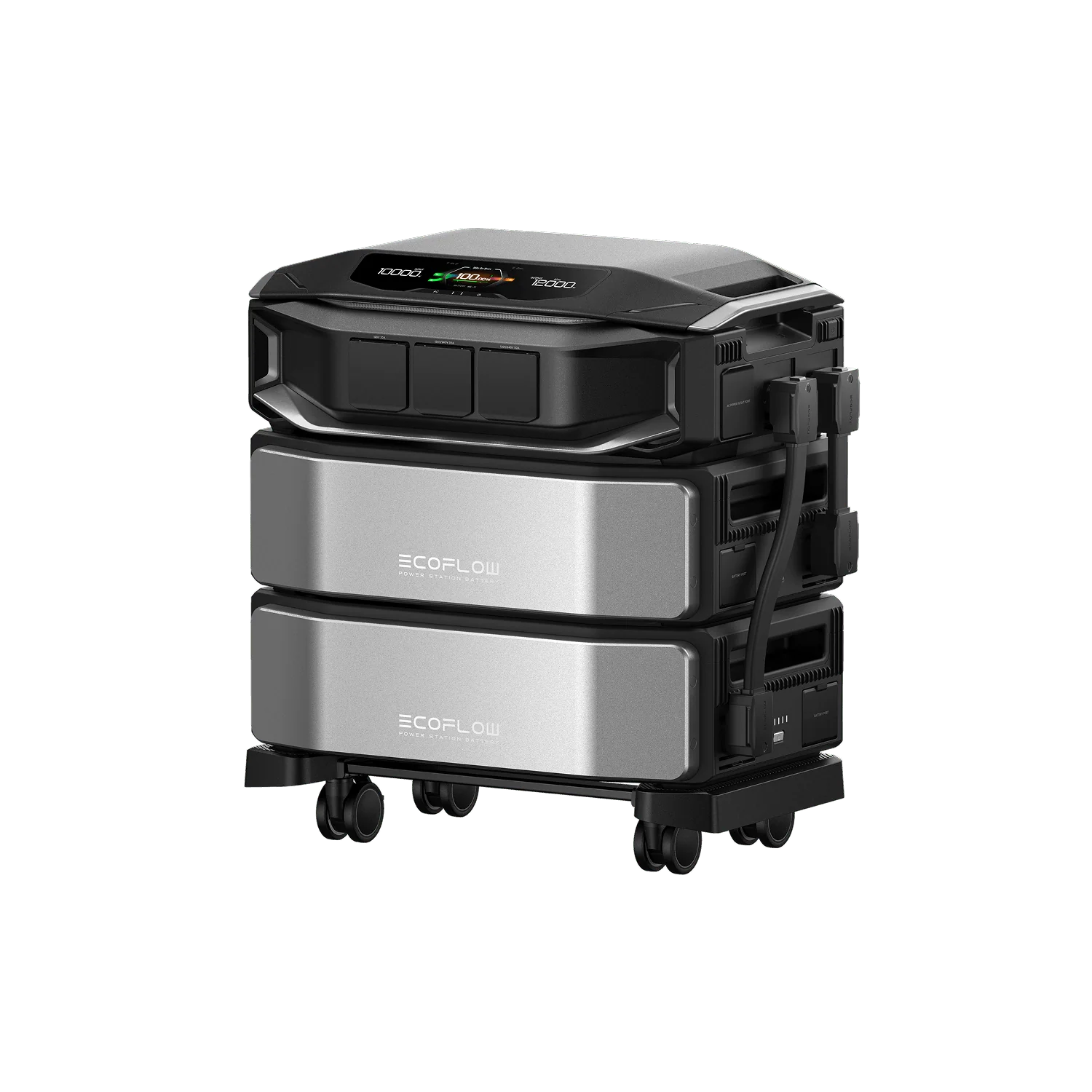
Fortunately, the SGIP rebate can still cover a significant portion or the entire cost of a solar-battery installation in California. Systems like the EcoFlow DELTA Pro Ultra X, a 12 kWh whole-home solar-battery solution that integrates with up to 10 kW of solar panels, are exactly the type of installation the SGIP rebate is designed to fund.
Low-income applicants may also be eligible for the SGIP Advanced Payment Program, which provides 50% of the installation cost upfront.
SGIP Eligibility Rules That Determine Your Rebate Amount
Some customer types who were eligible for SGIP rebates in 2025 can no longer apply. For example, the San Joaquin Valley Pilot has now ended.
The CPUC has allocated the majority of its rebate budget to solar-battery installations in low-income and vulnerable households — here are the basic eligibility requirements:
SGIP Category | Eligibility Requirements | Who It’s For |
Equity | Household income must be below 80% of the Area Median Income (AMI) or be enrolled in CARE, FERA, ESA, DAC-SASH, etc. | Lower-income households. |
Equity Resiliency | Home is located in a region vulnerable to wildfires and severe weather events. You must also meet one of the following criteria:
| Households that face a heightened risk of outages and resulting safety concerns. |
Residential Solar & Storage Equity (RSSE) — Solar | For batteries paired with solar panels in low-income houses. Household income must be below 80% of the Area Median Income (AMI) or be enrolled in CARE, FERA, ESA, DAC-SASH, etc. | Solar-plus-storage for lower-income households. |
How the SGIP Rebate Is Calculated and What You Can Realistically Expect
Your rebate amount depends on the SGIP category you fall into (see above) and is calculated based on the output of your solar and battery in kWh. Here are the rates for 2026:
Tier | Rebate Amount |
Equity | $850 per kWh |
Equity Resiliency | $1,000 per kWh |
Residential Solar & Storage Equity (RSSE) | $1,100 per kWh (battery) + $3,100 per kW (solar) |
If you qualify for one of the Equity categories, you can expect your rebate to cover nearly all of the cost of your installation — that’s what the CPUC had in mind when designing the program. For perspective, a 13.5 kWh home battery system can cost between $11,000 and $15,000.
How to Apply for SGIP Step by Step Without Delays
The CPUC has made it as straightforward as possible to apply for a SGIP rebate. You just submit your application via one of the CPUC’s approved installers or contractors. If you have any questions, you should direct them to your CPUC-approved solar-battery installer.
Important: SGIP's allocated funding has now been fully reserved. However, applications are still being accepted and may be approved if existing projects are canceled. If you're eligible, it's worth applying, but do so as soon as possible.
Here are the steps to apply.
Contact an approved installer: Your installer will provide you with the required application forms and tell you what documentation you must provide to prove your eligibility. Once your application is complete, the installer will submit it to the CPUC on your behalf.
Get your solar-battery system installed: Once your application has been approved, your installer can go ahead and install your system in line with SGIP technical requirements, safety codes, and operational benchmarks.
Submit the final incentive claim: After submitting your final incentive claim, your system may be verified before your rebate is dispersed.
Your installer can help you apply for the Advanced Payment Program. If successful, this would allow you to receive 50% of the installation fee upfront.
Choosing and Sizing a Battery System to Maximize SGIP Value
To get the maximum value from the SGIP rebate, you need to choose a power solution that’s appropriately sized for your needs.
Battery incentive rates per kWh begin to drop when it comes to system installations that exceed 20 kWh, even if you can prove its viability. So, if you purchase an oversized system, your rebate value may not cover as much of the installation cost as you’d hoped.
For a typical household, you rarely need a system with more than 15 kWh to significantly reduce your bills. Moreover, the SGIP will likely cover the full cost of the installation of such a system.
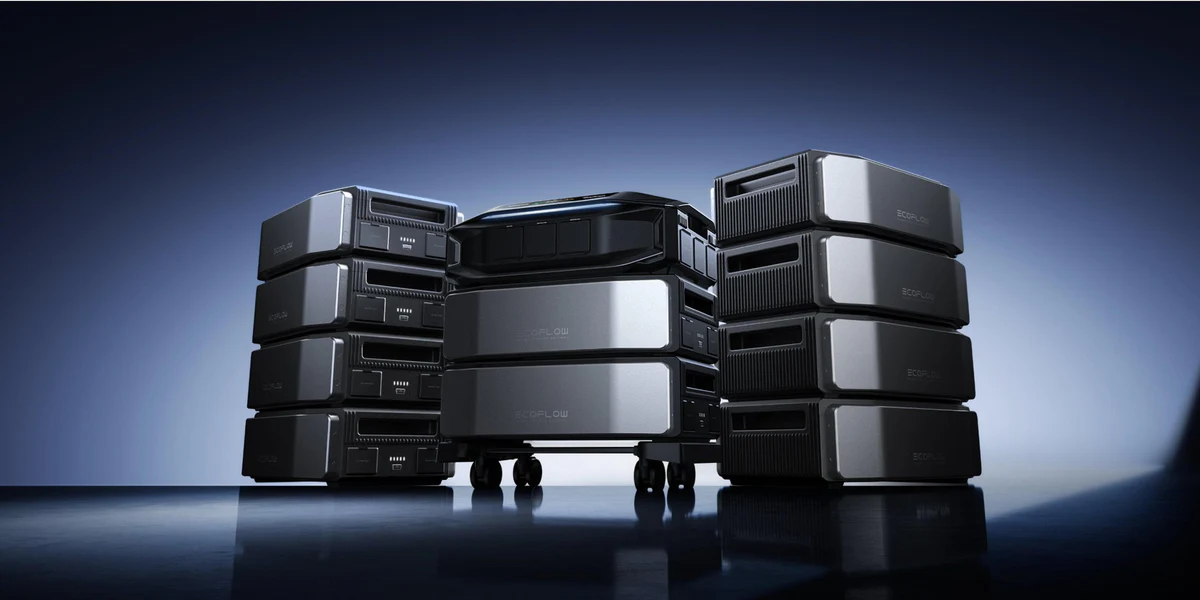
The EcoFlow DELTA Pro Ultra X, for example, has a baseline storage capacity of 12 kWh and integrates with 10 kW solar panels. This system has been designed to be a whole-home backup power solution — it can power your heavy appliances, central HVAC system, well pumps, and much more during either a blackout or periods of peak grid pricing.
Better still, the battery storage can be expanded up to a whopping 180 kWh, making it a versatile solution if your demands ever increase.
Frequently Asked Questions
What is SGIP and Who Runs the Program in California?
The Self-Generation Incentive Program (SGIP) is overseen by the California Public Utilities Commission (CPUC) and implemented by the state’s investor‑owned utilities: PG&E, SCE, SDG&E, and SoCalGas. The program is designed to help residents, particularly low-income households, get rebates that can cover some or all of the cost of a home battery power solution.
How Much Can the SGIP Battery Rebate Be in 2026?
In 2026, the SGIP rebate is only available to low-income or vulnerable households that fall into one of the program’s Equity categories. If this applies to you, the rebate is designed to cover most or all of the cost of a solar-battery installation. The CPUC offers rebates of up to $1,100 per kWh (battery) and $3,100 per kW (solar).
Who Qualifies for Equity and Equity Resiliency SGIP Incentives?
The Equity and Equity Resiliency SGIP incentives are geared towards low-income and vulnerable households. To qualify for one of these incentives, you must be able to demonstrate a household income below 80% of the Area Median Income (AMI) or prove you are enrolled in an economic aid program such as CARE, FERA, ESA, or DAC-SASH.
How Long Does the SGIP Application and Payout Process Take?
It can take a total of 3–6 months after the installation of your solar-battery system to get your rebate. You’ll need to submit proof of your finished solar-battery installation, which can take between a few and 10 weeks to verify. Then, once approved, it can take another few months to receive payment.
Turn SGIP Savings Into Reliable Backup Power for Your Home
With the SGIP program’s funds quickly running out, now’s the time to take advantage of this amazing incentive. Depending on your eligibility, you may be entitled to a rebate that covers the entire cost of a solar-battery system installation. Once installed, your home backup power solution could slash your bills by 15%--50%.
Discover the possibilities by exploring the EcoFlow DELTA Pro Ultra X Whole-Home Backup System, a whole-home solar-battery solution built for exactly this kind of installation.
For press requests or interview opportunities, reach out to our media team
media.na@ecoflow.com