BTU to kWh Conversion: How to Translate Heating & Cooling Energy Into Electricity
- BTU vs kWh: What Each Unit Actually Measures in Heating and Cooling
- The BTU to kWh Formula (and the Reverse) You Can Use Anytime
- Real-World BTU to kWh Examples for HVAC, Space Heaters, and Heat Pumps
- How to Read BTU and kWh on Labels, Spec Sheets, and Energy Bills
- Why BTU to kWh Conversion Matters for Energy Costs and Backup Power Planning
- Frequently Asked Questions
- Make Better Energy Decisions With One Simple Conversion
When dealing with HVAC appliances, two units of energy that repeatedly appear are BTU and kWh. While both measure energy, they are used in distinctly different ways. Knowing how to convert one into the other helps you compare equipment, estimate operating costs, and calculate energy consumption.
Find out how to convert thermal energy to electricity (and vice versa) and why it matters in real-world applications.
BTU vs kWh: What Each Unit Actually Measures in Heating and Cooling
A British Thermal Unit (BTU) measures thermal energy. One BTU is the amount of energy required to raise the temperature of one pound of water by one degree Fahrenheit. For HVAC purposes, this unit specifies the amount of heat a system can add or remove from a space in an hour.
A kilowatt-hour (kWh) measures electrical energy. One kWh is the amount of power consumed when running a one-kilowatt device for one hour. Utility companies use these units to calculate your monthly electric bill.
These units coexist in HVAC scenarios. Understanding both and how they relate to each other is essential to making informed energy decisions.
The BTU to kWh Formula (and the Reverse) You Can Use Anytime
One kWh is equal to 3,412 BTU.
To convert BTU to kWh: BTU / 3,412.
To convert kWh to BTU: kWh x 3,412.
Rounding to the nearest whole number makes it easier to estimate HVAC sizing and operating costs. However, precise engineering calculations should not be rounded to prevent discrepancies that could heavily affect equipment sizing decisions.
Real-World BTU to kWh Examples for HVAC, Space Heaters, and Heat Pumps
Conversions are useful in comparing appliances and estimating energy costs. Note that BTU ratings describe capacity, not consumption. A 10,000 BTU air conditioner doesn’t consume 10,000 BTU of electricity, but rather moves that amount of heat using a smaller amount of electricity.
A central air conditioner rated at 20,000 BTU produces the cooling equivalent of 5.86 kWh if it runs continuously for an hour. However, the actual amount of electricity the unit consumes is influenced by its efficiency rating. If an A/C unit uses 1,500 watts, it consumes 1.5 kWh per hour.
An electric space heater rated at 5,120 BTU would use about 1.5 kWh per hour. At 8 hours a day, it would use 12 kWh daily. A 3-ton heat pump moves roughly 36,000 BTU of energy per hour. It draws about 3 kW of electricity, consuming 3 kWh per hour of use.
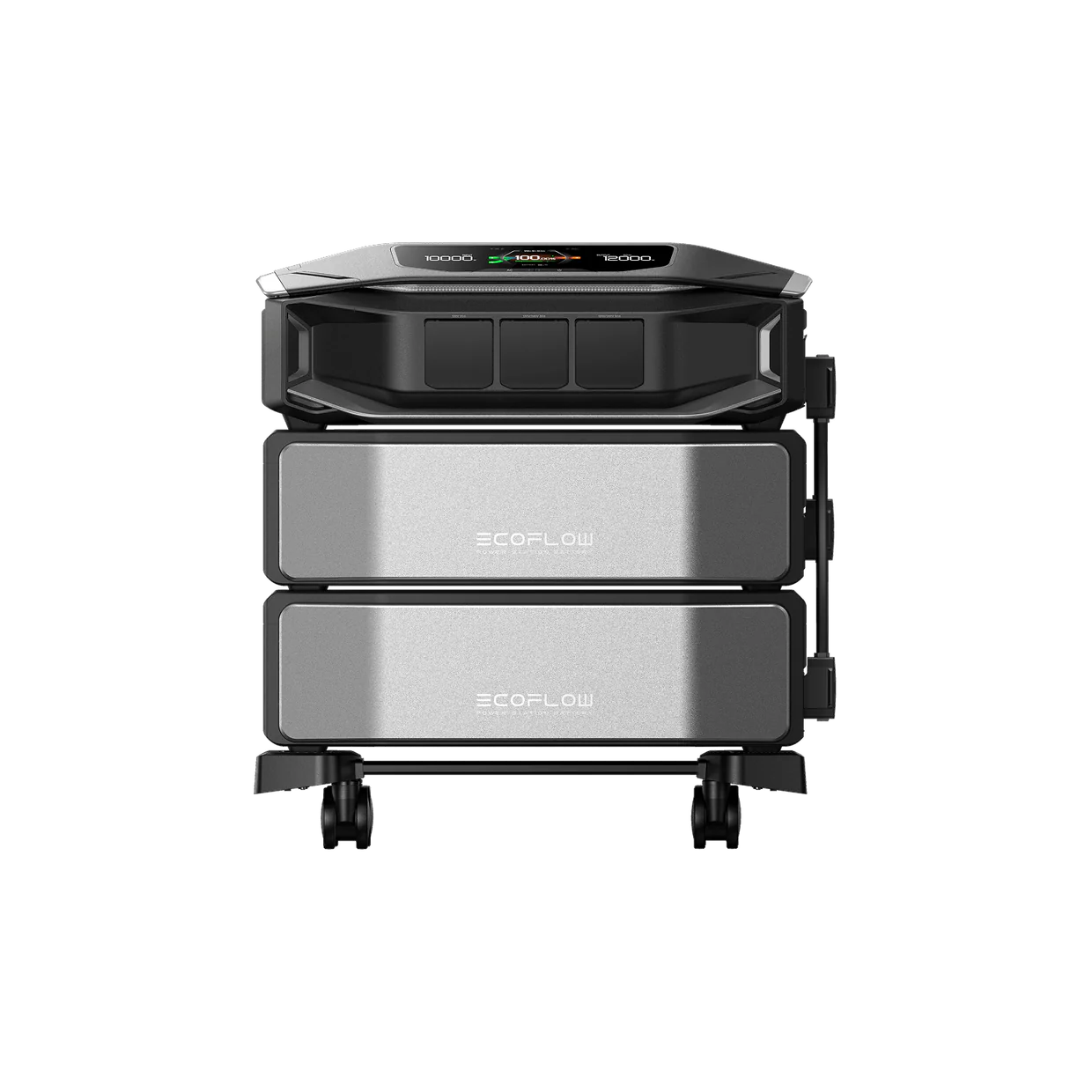
The EcoFlow DELTA Pro Ultra X has a base capacity of 12 kWh and is expandable to up to 180 kWh. The base unit could run the same air conditioner for 15 hours or up to 9 days with additional batteries. When sizing backup power, include a 20% buffer to account for battery efficiency and ensure a reliable runtime.
How to Read BTU and kWh on Labels, Spec Sheets, and Energy Bills
BTU ratings are typically found on appliances’ rating plates, a silver or white sticker detailing model number, specifications, and safety certifications. BTU per hour is used to indicate how much thermal energy a unit can move every hour. Central A/C units may use tons to describe cooling capacity, with one ton being equal to 12,000 BTU per hour.
Your energy bill will detail energy consumption in kWh. The utility company takes the amount indicated on your meter and bills you at your given rate, ranging anywhere from $0.12 to $0.40 per kWh, depending on the region.
When comparing appliances, pay attention to the difference in capacity and actual electrical draw. A higher capacity doesn’t necessarily mean less efficiency. Efficiency ratings like SEER2 for cooling and HSPF2 for heating indicate how much thermal energy you get per watt-hour of electricity consumed.
Why BTU to kWh Conversion Matters for Energy Costs and Backup Power Planning
Converting heating and cooling energy to electricity consumption helps estimate the amount of energy that will be consumed per hour and what size backup power system you need. Convert your HVAC’s capacity to kWh and multiply by expected run hours for an idea of the battery capacity needed.
Remember that the conversion will likely give you an overestimate, seeing as HVAC appliances are typically more energy efficient than the amount of energy they’re rated for.
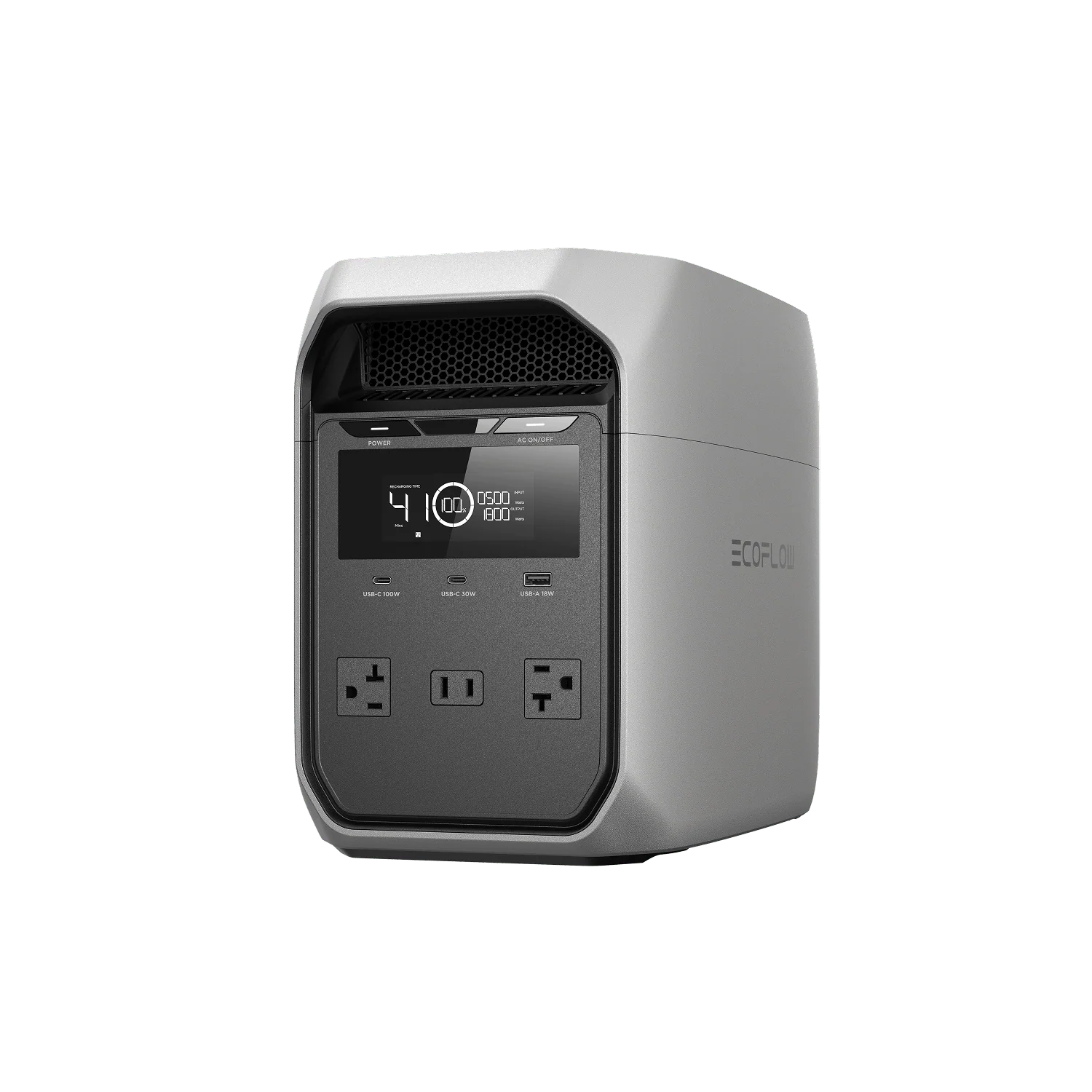
An 8,000 BTU-rated window air conditioner drawing 800 watts would consume 0.8 kWh an hour. The EcoFlow DELTA 3 Classic, rated at 1,024 Wh, could run that unit for approximately an hour and 15 minutes. While this is useful in a pinch, whole-home battery backup offers a different level of security.
Frequently Asked Questions
What Is The Exact Conversion Factor Between BTU and kWh?
One kilowatt-hour equals exactly 3.412.14 BTU, though 3,412 is accepted in most applications. Alternatively, one BTU equals exactly 0.000293 kWh.
How Do I Convert BTU To kWh Step By Step?
First, determine the total BTU by multiplying the BTU by the runtime in hours. Then, divide the total by 3,412 to get the kWh.
Does Temperature Or Natural Gas BTU Content Change The Conversion?
No, the conversion is fixed and does not change due to temperature or fuel type. One kWh will always equal 3,412 BTU.
Can I Use These Conversions To Size Backup Power Or HVAC?
Yes, these conversions can be used to size backup power and HVAC. However, capacity indicates thermal output or removal, not actual electrical consumption. Ensure you use the unit’s actual wattage for equipment sizing.
Make Better Energy Decisions With One Simple Conversion
Converting between thermal energy and electricity helps you compare heating and cooling equipment across fuel types, translate cooling and heating capacity into electricity costs, and estimate backup power solutions. The EcoFlow DELTA Pro Ultra X can sustain your HVAC appliances for several hours and even days with its expandability and solar panel compatibility.
For press requests or interview opportunities, reach out to our media team
media.na@ecoflow.com